Ureteral Obstruction Treatment in Turkey
- Top Accredited Hospitals
- Global Medical Standards
- Cutting-Edge Technology
- Proven Treatment Options
- High Success Rate
- Trusted by Millions

What are Ureteral Obstruction?
A ureteral obstruction occurs when one or both of your ureters get blocked. The tubes that transport urine from your kidneys to your bladder are called ureters. A blockage in your ureters can result from various illnesses and ailments.
Urine cannot enter your bladder and exit your body if there is a ureteral blockage. Urine can back up and harm your kidneys if the blockage is not treated and removed. In addition to causing discomfort, this increases your chance of infection.
What is the Importance of Timely Treatment?
- To avoid kidney damage, maintain function, and alleviate pain, ureteral blockage must be treated timely. It can result in severe infections such as pyelonephritis, hydronephrosis, and renal failure if left untreated.
- Additionally, early intervention lowers the likelihood of consequences like electrolyte imbalances and kidney stones.
- Early intervention improves overall results and prognosis by enabling less intrusive procedures. The obstruction must be addressed immediately to preserve kidney health and avoid long-term problems.
What are the Common Symptoms of Ureteral Obstruction?
Signs and symptoms might include:
- Pain.
- Changes in how much urine you produce (urine output).
- Difficulty urinating.
- Blood in the urine.
- Urinary tract infections.
- High blood pressure (hypertension).
Causes, Risk Factors and Complications of Ureteral Obstruction
Causes
A ureteral blockage can be caused by:
- Benign prostatic hyperplasia (BPH)
- Urine may have trouble passing through scar tissue in your ureter.
- Abdominal tumours or cysts that put pressure on your ureter.
- Blood clots and vascular (blood vessel) diseases.
- Gastrointestinal (GI) conditions include diverticulitis, Crohn's disease, and an enlarged appendix.
- Kidney stones that travel to your ureter are known as ureteric stones.
- A ureter blockage at the point where it connects to your kidney is known as ureteropelvic junction obstruction.
- When your ureter attaches to the incorrect location in your body, it is known as an ectopic ureter.
- Ureterocele is a congenital disorder that results in ureteric enlargement.
- Endometriosis, pregnancy, or uterine prolapse
Risk Factors
- Certain congenital defects may increase the likelihood of ureteral blockage. An obstruction of one of the ureters may also be more likely if you have kidney or bladder stones. Tumours, blood clots, specific tissue development, and swollen lymph nodes may also bring on this illness.
Complications
- Urinary tract infections
- Kidney damage
- Hydronephrosis
Connect with our advisor for a PRIORITY response
Latest Research and Technologies in the Treatment of Ureteral Obstruction in Turkey
In Turkey, improvements in treating ureteral blockage include
- Tandem Ureteral Stenting (TUS) is a procedure that includes putting two double-J stents to preserve ureteral patency, thereby lowering the frequency of stent exchanges and enhancing patient comfort.
- Flexible Ureterorenoscopy (fURS): Using tiny, flexible devices, fURS enables for a thorough examination and treatment of the upper urinary system, increasing stone removal efficacy while decreasing invasiveness.
Turkey aims to integrate innovative technologies in urology care to deliver effective and minimally invasive treatments for ureteral blockages. These breakthroughs demonstrate this dedication.
Ureteral Obstruction Prevention Tips
The best way to avoid ureteral blockage is to concentrate on lifestyle modifications that reduce the chance of kidney stones, which are a frequent cause of ureteral blockage. These include:
- Drinking lots of water throughout the day.
- Keeping a healthy weight,
- Consuming less sodium
- Keeping an eye on your diet for possible stone formation Components such as animal protein and oxalate
Treatment options for Ureteral Obstruction
Kidney Stone Removal: Urinary obstruction is treated via kidney stone removal procedures, such as ureteroscopy, to remove the obstructing stones and restore urine flow.
Cost Start From USD 3150 - USD 3850Explore Options
Extracorporeal shock wave lithotripsy (ESWL): ESWL (Extracorporeal Shock Wave Lithotripsy) is typically used for urethral obstruction caused by ureteral stones or kidney stones.
Cost Start From USD 500 - USD 1500Explore Options
Hypospadias surgery: Sometimes, Hypospadias surgery is specifically done to correct congenital abnormalities in the male urethra, not blockages in the ureter.
Cost Start From USD 4050 - USD 5500Explore Options
Percutaneous nephrostomy: To drain the kidney directly, your doctor will place a tube through your back during a percutaneous nephrostomy.
Ureteral stent: A hollow tube called a ureteral stent is placed inside the ureter to maintain its opening.
- Blood and urine tests: Healthcare looks for infection symptoms and creatinine, a sign that your kidneys aren't functioning correctly, in blood and urine samples.
- Ultrasound: Your doctor can see the kidneys and ureters by performing a retroperitoneal ultrasound, which is an ultrasound of the region behind your abdominal organs.
- Bladder catheterisation: Your doctor will put a tiny tube (catheter) through your urethra, inject dye into your bladder, and take X-rays of your kidneys, ureters, bladder, and urethra before and during urination to check for incomplete or blocked urine flow.
- Renal nuclear scan: This procedure helps medical professionals assess kidney function by creating images of the urinary system by infusing a tiny quantity of radioactive tracer.
- Cystoscopy: Through a little incision or into your urethra, a tiny tube equipped with a camera and light is placed. The provider can look within the bladder and urethra using optical equipment.
- CT scan (computerised tomography): A CT scan creates cross-sectional images of your kidneys, ureter, and bladder by combining some X-ray views from various angles with computer processing.
- Magnetic resonance imaging (MRI): A magnetic field and radio waves are used in an abdomen MRI to produce fine-grained images of your urinary system's tissues and organs.
The goals of ureteral obstruction rehabilitation are to manage symptoms, prevent recurrence, and improve overall urinary tract and kidney health.
- Physical therapy: To increase muscle strength and mobility after treatment.
- Hydration: Ensure you consume enough fluids to maintain kidney function and avoid kidney stones.
- Dietary changes: Changes can lower the chance of future blockages, including reducing oxalates and salt.
- The main goals of ureteral obstruction medications are to control pain, avoid complications, and facilitate the obstruction's clearance.
- Alpha-blockers can help relax the ureter muscles, which makes it easier for stones to pass, while painkillers such as NSAIDs are used to reduce discomfort.
- Diuretics may be used to lessen oedema and encourage urine flow, and antibiotics are administered if an infection is present or in danger.
Instantly Connect with our Specialists


Hospitals for Ureteral Obstruction in Turkey

Florence Nightingale Hospital
Istanbul, Turkey
The first green hospital in Turkey, Istanbul Florence Nightingale Hospital, was inaugurated in 2013. Group The Florence Nightingale hospitals are the first Turkish hospitals to be granted Joint Commission International (JCI) accreditation, and they continue to be associated and work with esteemed healthcare organizations.
The Florence Nightingale Group treats 250,000 outpatients and 70,000 inpatients annually, demonstrating its excellence. The hospitals have a capacity of 804 inpatient beds, 141 ICU beds, and 40 operating rooms, and perform 20,000+ procedures annually, of which 1,000 are cardiac operations for children and 2,000 are for adults. For conducting difficult orthopedic, general surgery, minimally invasive, and other heart treatments, the facility stands out. All operating rooms can be interconnected by audio-visual to a 300-person conference room and global hubs, enabling interactive medical teaching and scientific activity.
Interpreter and translator services for languages such as Turkish, Azerbaijani, Bulgarian, Arabic, English, Persian, Serbian, Russian, Albanian, Macedonian, German, Bosnian, and Romanian are available.
The hospital has specialized departments such as Cardiology and Cardiac Surgery, IVF and Infertility, Nephrology, Oncology and Oncosurgery, Spine Surgery, Neurology and Neurosurgery, Orthopedics, Gynecology, and Obesity or Bariatric Surgery. With an extensively qualified and experienced team of advisors and interpreters, Florence Nightingale Istanbul is committed to providing one-stop service from beginning to end, 24 hours a day, 7 days a week.

Medipol Bahçelievler Hospital
Istanbul, Turkey
Medipol Bahcelievler Hospital is a medical institution providing a full range of medical and individualized approaches to its patients. Medipol has the ambition to bring high quality and maximum security to people in need by employing state-of-the-art technologies in medicine. They ensure that the health of the patients is improved by fashioning unique physician specialty treatment programs.
Medipol Bahcelievler Hospital provides an exceptional position in the healthcare industry with a policy of clear communication, professionalism, and reliability to patient expectations. Medipol Bahçelievler Hospital is situated in the European Side of Istanbul, dedicated to 24-hour health care for you and your loved ones, equipped with a fully functional operation theatre and ICUs with state-of-the-art equipment, laboratory, emergency, and advanced treatment rooms
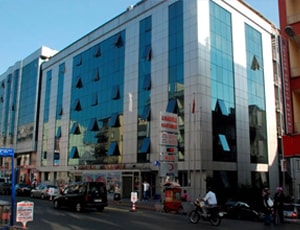
Eregli Anadolu Hospital
Zonguldak, Turkey
Apart from in-detail treatment procedures available, Eregli Anadolu Hospital located in Zonguldak, Turkey has a wide variety of facilities available for International Patients. Some of the facilities which are provided by them are Accommodation, Airport Transfer, Choice of Meals, Interpreter, SIM, TV inside room. Also listed below are some of the most prominent infrastructural details:
- Latest cutting edge technology applied in the diagnostic and medical treatment equipment and processes.
- Complex and critical conditions have been treated by the hospital over time.
- Inbuilt area is 9000 square meters
- 130 inpatient bed capacity
- 30 physicians working in the hospital
- A number of polyclinics
- Diagnostic facilities such as with imaging, sleep labs, biochemistry labs
- Emergency rooms available
- Intensive care units for critical cases
- Operation theatres with latest facilities
Our Services to better your experience
Opinion & Option
We submit the most accurate opinion and options from one or more countries for your review
Consult Privately
Consult with a certified specialist privately on our telemedicine platform even before you decide to travel
Logistics
We handle flights, visas, transfers, and accommodation—so you can focus on your health.
Recovery
Our In-house rehabilitation service packages to better your recovery and treatment outcome
Why Choose Turkey for Ureteral Obstruction Treatment?
Here are some of the reasons for choosing Turkey:
- Specialised Urology Expertise: Turkey offers highly qualified urologists with vast experience treating ureteral blockage in difficult and pediatric situations.
- Advanced Treatment Options: Surgery, endoscopic treatments, stent implantation, and novel techniques using cutting-edge medical technology are examples of advanced treatment alternatives.
- Cost-Effective Care: Compared to many Western countries, ureteral blockage therapy in Turkey is less expensive while maintaining high quality.
- Accredited Healthcare Facilities: Many Turkish hospitals are globally accredited (JCI), ensuring excellent levels of care.
- International Patient Services: Turkish hospitals provide seamless care to international patients, including bilingual support, specialised services, and travel accommodations.
Frequently Asked Questions
Depending on whether kidney damage occurred during the time that urine was unable to drain, your prognosis for ureteral obstruction will change. Urinary obstruction typically has no significant long-term repercussions if your doctor removes the obstruction before considerable kidney damage develops. If left untreated, a significant ureteral blockage can result in kidney failure and even death.
Men are more likely than women to have urethral blockage, mainly when it results from diseases like benign prostatic hyperplasia (BPH). But urethral blockage can also occur in women, typically as a result of bladder prolapse or urethral strictures.
Yes, ureteral obstruction therapy in Turkey is more affordable than in many other Western nations while still delivering high-quality care.
The length of recovery varies according to the surgery. Recovery from less invasive procedures like urethrotomy or dilatation could take a few days to a week. Recovery from more involved procedures, such as tumour excision or prostate surgery, may take several weeks.
In Turkey, urethral blockage therapies have great success rates, with open urethroplasty surpassing 90% and minimally invasive operations ranging from 50 to 95 percent, depending on the technique and patient condition.
Recurrence of urethral blockage is possible, especially in urethral strictures, where scar tissue may regenerate. Routine follow-ups with a healthcare professional are essential to keep an eye out for recurrence.
Yes, you can seek a second opinion on Ureteral Obstruction treatment in Turkey from MediGence. MediGence allows you to connect with highly qualified professionals from leading Turkish hospitals who can provide more information about your diagnosis and treatment options. The platform makes it easy to get professional guidance, allowing you to make informed healthcare decisions and receive the best possible care.
Recovery time differs by treatment type, but it usually spans from a few days for minimally invasive procedures to several weeks for surgery.
It is true that urine retention, which raises the risk of UTIs, can result from urethral blockage. Infections may result from the germs that thrive in the retained urine.
An infection, trauma, or surgery can cause scar tissue to constrict the urethra, a condition known as a urethral stricture. The symptoms of urethral blockage may result from this constriction, which may restrict urine flow.

Reviewer

Dr. Ashish George
Gastroenterologist
18 Years of Experience
Dr. Ashish George is one of the leading names in HPB surgery & liver transplantation and has about 18+ years of experience.He is a principal consultant & unit head of liver transplant at Fortis Shalimar Bagh. View More
Last Reviewed - January 2026