Triple Vessel Disease Treatment in Thailand
- Top Accredited Hospitals
- Global Medical Standards
- Cutting-Edge Technology
- Proven Treatment Options
- High Success Rate
- Trusted by Millions

What is a Triple Vessel Disease?
Triple-vessel disease, also called three-vessel coronary artery disease, is a form of coronary artery disease in which significant narrowing or blockage affects all three major coronary artery territories. It most commonly results from atherosclerotic plaque buildup, which can restrict blood flow to the heart muscle. Disease severity and distribution vary between patients, and treatment depends on coronary anatomy, symptoms, heart function, associated conditions, and overall health.
What is the Importance of Timely Treatment?
Timely treatment can improve blood flow to the heart, control symptoms, reduce the risk of heart attack and heart failure, and help prevent further cardiovascular complications. Early assessment also helps determine whether medical therapy, angioplasty and stenting, or coronary artery bypass grafting (CABG) is most appropriate.
What are the Common Symptoms of Triple Vessel Disease?
- Chest Pain or Discomfort: Pressure, tightness, heaviness or squeezing in the chest, particularly during physical activity or emotional stress.
- Shortness of Breath: Breathlessness during exertion or routine activities.
- Fatigue: Unusual tiredness or reduced exercise tolerance.
- Pain in Other Areas: Discomfort that may spread to the arms, shoulders, neck, jaw, back or upper abdomen.
- Associated Symptoms: Nausea, cold sweating, lightheadedness, or weakness may occur, particularly during an acute coronary event.
Causes and Risk Factors of Triple Vessel Disease
Causes
- Atherosclerosis: Plaque containing cholesterol, inflammatory cells and other substances accumulates within coronary artery walls.
- Elevated LDL Cholesterol: Contributes to the formation and progression of atherosclerotic plaque.
- Endothelial Dysfunction: Impaired function of the inner lining of blood vessels can contribute to atherosclerosis.
- Chronic Inflammation: Plays a role in plaque development and progression.
Risk Factors
- Increasing age
- High blood pressure
- High LDL cholesterol
- Diabetes
- Smoking or tobacco use
- Obesity
- Physical inactivity
- Unhealthy diet
- Family history of premature coronary artery disease
- Chronic kidney disease
Latest Research and Technologies in the Treatment of Triple Vessel Disease in Thailand
- Advances in triple-vessel disease management include multidisciplinary Heart Team assessment, improved coronary imaging, and individualised revascularisation decisions. CABG remains an important treatment option for suitable patients with complex multivessel disease, while selected patients may be treated with PCI using contemporary drug-eluting stents and specialised techniques for complex or heavily calcified lesions. Intravascular imaging and physiological assessment can help guide PCI in appropriate cases.
Treatment options for Triple Vessel Disease
Coronary Artery Bypass Grafting (CABG) : According to global guidelines (ACC/AHA and ESC), CABG is the gold-standard, first-line revascularisation choice for Triple Vessel Disease.
Cost Start From 18000Explore Options
Angioplasty and Stenting: A catheter-based procedure that uses balloons and stents to improve blood flow through narrowed coronary arteries.
Hybrid or Minimally Invasive Procedures: This involves an advanced combination approach (e.g., a minimally invasive surgical LIMA-to-LAD graft combined with catheter-based PCI stenting for the other two vessels) managed by a Heart Team.
- Clinical assessment:
- Medical History: Assessment of chest pain, breathlessness, exercise tolerance, cardiovascular risk factors and previous cardiac conditions.
- Physical Examination: Evaluation of blood pressure, heart rate and other relevant cardiovascular findings.
- Electrocardiogram (ECG): Assesses heart rhythm and may show evidence of myocardial ischaemia or previous heart damage.
- Blood Tests: Lipid profile, blood glucose, HbA1c and kidney function. Cardiac troponin is used when an acute heart attack is suspected.
- Stress Testing: Exercise or pharmacological stress testing may assess inducible myocardial ischaemia in selected patients. It is not a substitute for urgent assessment when an acute coronary event is suspected.
- Imaging Tests:
- CT Coronary Angiography (CCTA): Provides detailed images of coronary anatomy and plaque in selected patients.
- Echocardiography: Evaluates heart structure, pumping function and regional wall-motion abnormalities.
- Cardiac MRI: Assesses heart function, myocardial scarring and tissue characteristics in selected patients.
- Nuclear Cardiac Imaging: Techniques such as SPECT or PET may assess myocardial perfusion and identify areas with reduced blood flow.
- Intravascular Ultrasound (IVUS): Provides images from inside a coronary artery during selected invasive procedures.
- Optical Coherence Tomography (OCT): Provides high-resolution images of coronary plaque and stents during selected interventions.
MediRehab (a chain of Rehab centres, part of MediGence) provides comprehensive tele-rehabilitation services designed to support Triple Vessel Disease patients in Thailand. These services include:
- Cardiac Rehabilitation: Structured rehabilitation supports recovery and improves cardiovascular fitness.
- Gradual Physical Activity: Increase activity according to heart function, symptoms, and medical advice.
- Weight and Lifestyle Management: Support for healthy eating, weight management, smoking cessation and long-term adherence to prescribed treatment.
- Medicines for triple-vessel disease may include statins or other lipid-lowering therapies, antiplatelet medicines, beta-blockers, nitrates, blood-pressure medicines, and diabetes medications, depending on the patient's condition. Treatment is individualised according to symptoms, coronary anatomy, heart function, cardiovascular risk, and whether revascularisation has been performed.
Instantly Connect with our Specialists


Hospitals for Triple Vessel Disease in Thailand
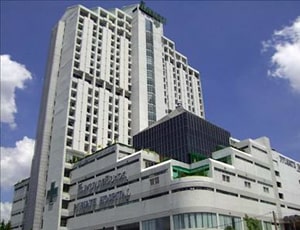
Piyavate Hospital
Bangkok, Thailand
Piyavate Hospital located in Bangkok, Thailand is accredited by JCI. Also listed below are some of the most prominent infrastructural details:
Medicine Centre: Piyavate Hospital provides advanced holistic treatment for their patients. They offer a complete range of services and physicians that specialize in various fields like the endocrine system, the nervous system, kidney function, cardiovascular care, respiratory and digestive system. They pride themselves for the familial care that they provide to their patients.
Fertility and In-Vitro Fertilization Centre: Helping the couples who walk into the Piyavate Hospital to achieve their dream of having a family. They have a medical team that specializes in male and female fertility. They offer consultation services, fertility check-up for both men and women and complete IVF services. They have advanced IVF cycle treatment facilities that offer a high rate of success.
Bone and Joint Institute: Piyavate Hospital houses one of the frontrunners in Orthopaedic health care in all of SouthEast Asia. They offer a wide range of services and surgeries in their bone and joint institute that include hand surgery, hip and knee replacement surgery, spinal cord surgery, upper extremity surgery, arthroscopic surgery and sports medicine.
Eye and Lasik Centre: Piyavate Hospital is fully equipped with the latest and most advanced technology for eye care and houses highly skilled ophthalmologists, sub-specialists and qualified nurses.
Physical Therapy and Rehabilitation Centre: One of the first hospitals to be equipped with the Hybrid Assistive Limb technology that will help a neurologically challenged patient to control the rehabilitation robot limb with a signal from their brain. The Physical Therapy and Rehabilitation Centre at Piyavate Hospital uses this system encourage patients to regain muscle memory to walk and function normally.
Amenities for Patient’s Family:
Piyavate Hospital also offers additional apartment facilities to house the kin of the patients who come to visit them from distant places. A restaurant, a flower shop and a café are a few of the other amenities provided by the hospital.
These are the most popular services offered by the Piyavate Hospital in Bangkok, Thailand. They also provide a plethora of other medical services that are listed below:
Diabetic Foot Centre
Check-up centre
Urology Centre
Heart Institute
Paediatric Centre
Obstetrics and Gynaecology Centre
Surgery Centre
Ear Nose Throat Centre
Haemodialysis Centre
Dental Centre
X-Ray Centre
Gastroenterology Centre
Cancer Centre
Neonatal Intensive Care Unit (NICU)
Emergency Services and Centre
Tele-medicine

Phyathai 2 International Hospital
Bangkok, Thailand
Phyathai 2 International Hospital located in Bangkok, Thailand is accredited by JCI. Also listed below are some of the most prominent infrastructural details:
- Fully equipped rooms are available for convenience of the patients- Gold B Room, Gold A Room, Pediatric Gold A, Platinum room, and Prestige ward
- Nearby accommodations are also available- Abloom Service Apartments, Bangkok Patio, VIB Best Western Sanam Pao, VIC3 Hotel
- Operating room
- International Patient Medical Center to assist overseas patients

Sukumvit Hospital, Bangkok
Bangkok, Thailand
- Sukumvit Hospital has provided a comprehensive range of healthcare services since 1977. It is committed to providing patient-centred care by combining advanced medical technologies and employing highly skilled, multi-specialised physicians to ensure that each patient receives high-quality treatment across all the various areas of medicine offered at the facility. They offer modern diagnostics, minimally invasive surgical procedures, rehabilitation, emergency services, and a full array of international patient services, while maintaining stringent standards for patient safety and personalised healthcare.
Our Services to better your experience
Opinion & Option
We submit the most accurate opinion and options from one or more countries for your review
Consult Privately
Consult with a certified specialist privately on our telemedicine platform even before you decide to travel
Logistics
We handle flights, visas, transfers, and accommodation—so you can focus on your health.
Recovery
Our In-house rehabilitation service packages to better your recovery and treatment outcome
Why Choose Thailand for Triple Vessel Disease Treatment?
- Experienced Cardiac Specialists: Access to cardiologists, interventional cardiologists, and cardiac surgeons experienced in complex coronary disease.
- Advanced Coronary Diagnostics: Major cardiac centres may offer coronary angiography, CT coronary angiography, IVUS, OCT, FFR, and advanced cardiac imaging.
- Modern Interventional Cardiology: Eligible patients may have access to advanced PCI techniques and contemporary drug-eluting stents.
- Multidisciplinary Care: Cardiologists, cardiac surgeons, anaesthesiologists, critical-care specialists, and rehabilitation teams can collaborate for complex cases.
- International Patient Support: Many major Thai hospitals assist international patients with appointments, treatment coordination, accommodation, and follow-up.
Frequently Asked Questions
Author

Pragun Gupta
Pragun Gupta is a Doctor of Pharmacy (Pharm. D.) professional from Teerthanker Mahaveer University with hands-on experience in clinical pharmacology, clinical research, and evidence-based medical writing. Through her clinical and research exposure, she has developed a strong interest in pharmacoeconomics, pharmacology, therapeutics, and pharmacovigilance.
As a medical writer, she works on medical and scientific research articles, patient education materials, and healthcare-focused content. Her clinical research and evidence-based writing experience enables her to translate complex medical information into clear, accurate, patient-friendly content while maintaining scientific credibility and medical accuracy. Her primary aim is to make healthcare information accessible and easy for patients and general readers to understand.
View MoreReviewer
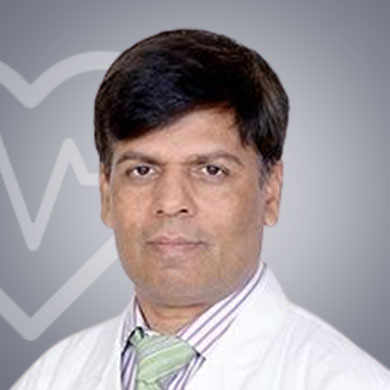
Dr. Nityanand Tripathi
Interventional Cardiologist
29 Years of Experience
With a rich experience of more than 29 years, Dr. Nityanand has gained a vast spectrum of skills and expertise in performing all types of complex cardiac procedures. He is an expert in clinical & interventional cardiology and electrophysiology. He studied his medicine (MBBS) and MD from the Institute of Medical Sciences of Banaras Hindu University, Varanasi, and later completed his DM in Cardiology from the prestigious King George Medical University, Lucknow. View More
Last Reviewed - January 2026