Tourette Syndrome Treatment in India
- Top Accredited Hospitals
- Global Medical Standards
- Cutting-Edge Technology
- Proven Treatment Options
- High Success Rate
- Trusted by Millions

What is Tourette Syndrome?
Tourette (too-RET) syndrome is a condition characterised by uncontrollable repeated actions or undesired sounds (tics). For example, you may frequently shrug your shoulders, blink your eyes, or utter odd or inappropriate remarks. Tics usually appear between the ages of 2 and 15, with an average age of 6. Tourette syndrome is roughly three to four times more common in men than in women.
Tics are classified into:
- Basic tics. A small number of muscle groups are involved in these abrupt, fleeting, and recurrent tics
- Intricate tics. Multiple muscle groups are involved in these unique, well-coordinated movement patterns.
What is the Importance of Timely Treatment?
Timely treatment is important because it’s more of an intellectual, social, and emotional well-being. In addition, it can lead to anxiety and mood disorders, obsessive compulsive disorder, hyperactivity, impulsivity, and other attention issues. Therapy is crucial. It can enhance quality of life and lessen symptoms.
What are the symptoms of Tourette Syndrome
The defining feature of Tourette syndrome is tics, which are abrupt, fleeting, sporadic motions or sounds. They can be minor or serious. Severe symptoms may seriously impair quality of life, everyday functioning, and communication. Numerous muscle groups and motions are involved in complex tics. A difficult motor tic is jumping. A complicated vocal tic is when someone repeats specific words or phrases. Quick, repetitive motions involving only a few muscle groups are known as simple tics. Shrugging your shoulders is a basic motor tic. A simple vocal tic is sniffing.
Here are some more instances of motor tics:
- Jerking of the arms
- At the waist, bending
- Blinking of the eyes
- Head twisting or jerking
- Hoping
- Jaw motions
- Distorted or contorted facial features
Vocal tics include, for example:
- Barking and grunting
- A shout
- Detecting
- Clearing the throat
Causes and Risk Factors of Tethered Tourette Syndrome
Causes
It is unknown what specifically causes Tourette syndrome. This complex illness is most likely brought on by a confluence of environmental and inherited (genetic) variables. Neurotransmitters, which are chemicals in the brain that carry nerve signals, such as serotonin and dopamine, may be involved.
Risk Factors
The following are risk factors for Tourette syndrome:
- Family background. Tourette syndrome may be more likely to develop if there is a family history of the condition or other tic disorders
- Gender: Tourette syndrome is roughly three to four times more common in men than in women
- Issues: Tourette syndrome sufferers frequently lead active, healthy lives. However, behavioural and social difficulties that might negatively impact your self-image are common with Tourette syndrome.
Connect with our advisor for a PRIORITY response
Tourette Syndrome Prevention Tips
There is no way to prevent Tourette syndrome. However, TS might not worsen or persist into adulthood if it is identified early and treated
Treatment options for Tourette Syndrome
Treatment may not be necessary for mild tics that do not interfere with daily activities. However, having severe tics can make it difficult to perform in social settings, at work, or in school. Self-harm is even a result of some tics. In such cases doctors may recommend deep brain stimulation (DBS) surgery.
DBS: Electrodes are inserted into specific brain regions to provide deep brain stimulation (DBS). In order to treat Tourette Syndrome, the electrodes generate electrical impulses that alter brain activity. The brain's cells and substances that produce medical problems can also be impacted by electrical impulses. In deep brain stimulation, a pacemaker-like device positioned beneath the skin in the upper chest regulates the amount of stimulation. This gadget is connected to the electrodes in the brain by a wire that passes beneath the skin.
Cost Start From USD 25000 - USD 40000Explore Options
The patient's tics must have begun before the age of 18 in order for a medical professional to diagnose him with a tic disorder. The patient must have had both vocal and motor tics for more than a year in order to be diagnosed with Tourette's syndrome. Tourette syndrome cannot be identified by an imaging test or blood test. Rather, the doctor will go over your symptoms and medical history in detail. They might enquire in-depth about the tics, such as:
- How frequently do the tics occur?
- How old was the patient when the tics began?
- What kind of tics are they—complex or simple?
- In order to rule out other conditions that might be causing tics, healthcare professionals might also do tests
MediRehab (chain of Rehab center - part of MediGence provides comprehensive rehabilitation services designed to support arthritis patients in <India>. These services include:
- Nutritional Counseling: Diet plans to reduce inflammation and maintain a healthy weight.
- People benefit from Comprehensive Behavioural Intervention for Tics (CBIT) in the following ways:
o React to tics. A "competing response" involves taking a novel and distinct activity in response to a tic. The involuntary activity (blinking) is limited by a voluntary action (shutting your eyes)
o Identify tics. People can experience a feeling known as a premonitory desire just prior to a tic. You might be able to conceal or repress the tic if you can identify this urge
o Cut down on tics. Anxiety or excitement often exacerbates tics. The frequency of tics may be decreased by maintaining composure and avoiding stressful situations.
- Rehabilitation post DBS surgery: physiotherapy sessions focused on restoring normal function and strength.
- Nutrition Guidance: Customized dietary plan for reducing inflammation and maintaining a healthy weight for overall recovery.
For Tourette syndrome, a medical professional may suggest neuroleptics. Drugs known as neuroleptics reduce dopamine's action in the brain. Dopamine is a substance that can exacerbate tics. ADHD and OCD are two disorders that can be treated with additional drugs in conjunction with Tourette's syndrome.
Instantly Connect with our Specialists


Hospitals for Tourette Syndrome in India
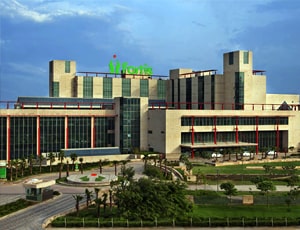
Fortis Memorial Research Institute
Gurgaon, India
Fortis Healthcare Limited stands as one of India's largest integrated healthcare providers, managing 33 hospitals across 11 states and operating more than 5,700 beds and 400 diagnostic labs. Four of our hospitals are accredited by JCI and 26 by NABH. With a workforce of over 12,500 healthcare professionals, we combine clinical excellence, a patient-focused approach, and innovation to provide high-quality, affordable, and compassionate healthcare to patients in India.
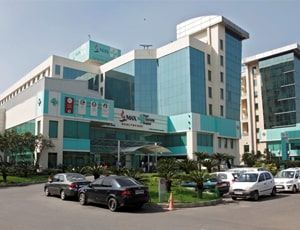
Max Super Speciality Hospital, Saket
Delhi, India
Max Smart Super Speciality Hospital, Saket, is a 250-bed tertiary care hospital awarded NABH accreditation, which provides advanced medical care in various specialities such as Cardiac Sciences, Orthopaedics, Neurology, Urology, Kidney Transplant, Paediatrics, and Obstetrics & Gynaecology. The hospital provides quality, safe, integrated, and patient-centric medical care using modular OTs, ICUs, Cath Labs, CT, MRI and Dialysis units.

Manipal Hospital, Hebbal
Bangalore, India
Manipal Hospitals, a group of Manipal Education Medical Group, is India’s leading multi-speciality network, comprising over 650 beds. Dedicated to clinical excellence, patient-centric care and ethical practices, it provides sophisticated diagnostics, surgery and home care services to both domestic and international patients, while also improving access to affordable healthcare for underprivileged communities.
Our Services to better your experience
Opinion & Option
We submit the most accurate opinion and options from one or more countries for your review
Consult Privately
Consult with a certified specialist privately on our telemedicine platform even before you decide to travel
Logistics
We handle flights, visas, transfers, and accommodation—so you can focus on your health.
Recovery
Our In-house rehabilitation service packages to better your recovery and treatment outcome
Why Choose India for Tourette Syndrome treatment?
Here are some of the reasons for choosing India:
- Due to advancements in medical facilities, such as minimally invasive surgical techniques and DBS surgery.
- World-class experts include highly experienced doctors, JCI, and NABH-accredited healthcare institutions.
- Compared to other countries, treatment in Indian hospitals is cost-effective.
- Indian hospitals provide international patient services, including a multilingual support system.
- Improved treatment methods and biological therapies.
Frequently Asked Questions
Tourette syndrome (TS) has no known cure, but if tics interfere with everyday life, behavioural therapies, medication and Deep Brain Stimulation can help control them. Parents and schools can support children with TS in reaching their full potential by providing training and other educational tools.
The nation's healthcare institutions offer top-notch treatment alternatives, guaranteeing successful outcomes for many patients. In India, behavioural therapies such as Comprehensive Behavioural Intervention for Tics (CBIT) and DBS are successful in treating Tourette Syndrome and can considerably lessen the severity of tics, while the results can vary from case to case.
Yes, many Indian hospitals offer the following for Tourette Syndrome treatment:
- Advanced diagnostic tools like MRI, CT scan, electromyography, and PET scan for accurate diagnoses of Tourette Syndrome.
- Skilled neurologist, surgeons and therapist performing CBIT and DBS for Tourette Syndrome treatment.
- Comprehensive post-surgery care and rehabilitation for long-term health benefit
Always consider the following factors when selecting Indian hospitals:
- Hospitals that are accredited (authorised by JCI and NABH).
- Patient reviews and success rates.
- Hospitals that provide seamless care to patients from abroad.
It can be difficult to live with Tourette syndrome, particularly for kids. They may find it difficult to concentrate on their studies and socialise. Children who have Tourette's syndrome benefit from having a strong support network of friends, family, and teachers.
Additionally advantageous for kids with Tourette's syndrome are:
- Attending lessons with fewer pupils
- Receiving individualised care at school
- Having additional time to finish homework
Tourette syndrome sufferers frequently lead active, healthy lives. However, behavioural and social difficulties that might negatively impact your self-image are common with Tourette syndrome.
Tourette syndrome has frequently led to the following conditions:
- ADHD stands for attention-deficit/hyperactivity disorder
- OCD, or obsessive-compulsive disorder
- Spectrum disorder in autism
- Learning impairments
- Sleep disturbances
- Depression
- Disorders of anxiety
- Tic-related pain, particularly headache pain
- Issues with anger management

Reviewer
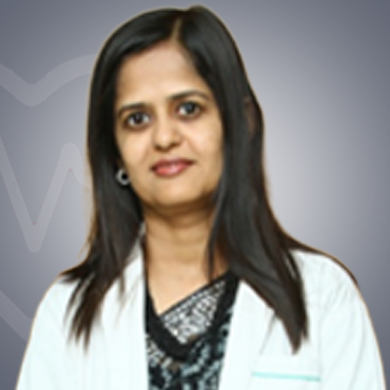
Dr Sonal Gupta
Neurosurgeon
29 Years of Experience
Dr. Sonal Gupta has an experienced neurosurgeon with more than 29+ years of clinical expertise. She is currently the Director, Neuro & Spine Surgery at Fortis Hospital, Shalimar Bagh. Before joining Fortis, she has been associated with various organizations such as Maharaja Agrasen Hospital, Action Balaji Hospital, and Max Hospital. View More
Last Reviewed - January 2026