Small Cell Lung Cancer (SCLC) Treatment in Malaysia
- Top Accredited Hospitals
- Global Medical Standards
- Cutting-Edge Technology
- Proven Treatment Options
- High Success Rate
- Trusted by Millions

What is Small Cell Lung Cancer (SCLC)?
Among two primary types of lung cancers, Small cell lung cancer is a rare and rapidly spreading type. While anyone might be affected, those who have smoked tobacco for a long time are usually the ones who are affected.
Type of Small Cell Lung Cancer (SCLC)
There are two major types of SCLC
- Small cell carcinoma: It accounts for 80–90% of SCLC cases and is the most common kind. Its defining features are small, spherical, densely packed cells with a rapid rate of growth and spread. This kind usually spreads quickly to other organs and is aggressive.
- Combined small cell carcinoma: In this type of cancer, small cell lung cancer (SCLC) components such as squamous cell carcinoma or adenocarcinoma, are mixed with SCLC.
What is the Importance of Timely Treatment?
Timely treatment of Small Cell Lung Cancer (SCLC) is essential for several reasons:
- Improved Prognosis: With surgery or localised radiotherapy, early-stage SCLC can frequently be successfully treated, increasing the chance of long-term survival. Early detection increases the likelihood of the cancer being successfully treated and having a favourable outcome.
- Prevents Spread: If treatment is not received, small cell lung cancer (SCLC) can spread (metastasise) to other body areas, including the brain, liver, and bones, making treatment more difficult and decreasing the likelihood of survival.
- Treatment Effectiveness: Early diagnosis opens up more patient treatment options, such as immunotherapy, radiation therapy, chemotherapy, and surgery. When the cancer is discovered early, these treatments work better.
- Minimises Complications: The likelihood of consequences, including lung collapse, breathing problems, or fluid accumulation, which might occur as the cancer worsens, is decreased with prompt treatment.
- Better Quality of Life: Early cancer detection can improve symptom management and help people live better while undergoing treatment and recuperating.
What are the common symptoms of Small Cell Lung Cancer (SCLC)?
Small Cell Lung Cancer (SCLC) is better known for its aggressiveness and rapid progression. Here are some common symptoms:
- Persistent Cough
- Shortness of Breath
- Discomfort and chest pain
- Coughing Up Blood
- Unexplained Weight Loss
- Wheezing
- Fatigue
- Loss of Appetite
- Swelling on the face
- swollen neck veins
- Hoarseness
- Trouble in swallowing
Causes and Risk Factors of Small Cell Lung Cancer (SCLC)?
Although smoking is the leading cause of small cell lung cancer (SCLC), there are several other risk factors to take into account.
- Smoking
- Exposure to workplace hazards, such as Asbestos, arsenic, nickel, tar or toxic chemicals.
- Exposure to Radon gas
- Having a Family History of Lung cancer
- Weakened immune system, for example, HIV
- Less intake of antioxidant-rich fruits and vegetables
- Prior lung diseases such as chronic obstructive pulmonary disease (COPD) or pulmonary fibrosis can elevate the risk of lung cancer.
Connect with our advisor for a PRIORITY response
Latest Research and Technologies in the Treatment of Small Cell Lung Cancer (SCLC) in Malaysia
Chemotherapy with drugs is the main treatment for small cell lung cancer (SCLC) in Malaysia. For better results, immunotherapy drugs are frequently included. Topotecan is used as a second-line treatment; newer medications such are demonstrating promise in clinical trials. Additionally, Malaysia is actively engaged in international research, taking part in clinical trials to investigate new treatment options and raise SCLC patient survival rates.
Small Cell Lung Cancer (SCLC) Prevention Tips
There are a few things you can do to lower your risk of developing Small Cell Lung Cancer (SCLC), particularly of the bladder, even if it is not always preventable:
- Avoid smoking
- Avoid second-hand smoke
- Limit exposure to environmental carcinogens like radon, asbestos, and arsenic.
- Maintain a healthy lifestyle by making lifestyle modifications by eating a well-balanced diet, exercising regularly to improve lung function, and maintaining a sleep-wake cycle to support the immune system. Maintain a weight that is healthy for you.
- Early genetic counselling shall be considered; screening can help identify genetic mutations and guide preventive measures.
- Reduce exposure to air pollution.
- Protect Yourself from Occupational Hazards
Treatment options for Small Cell Lung Cancer (SCLC)
Treatment options for Small Cell Lung Cancer (SCLC) differ based on the type and stage of the disease and the patient's overall health. The following are a few current treatments:
Lobectomy: Elimination of a lung lobe. The most popular procedure for SCLC in its early stages is this one.
Wedge Resection: This removes a small section of the tumour.
Segmentectomy: This is the Removal of a more prominent lung segment but not the entire lobe. Usually, this is applied to individuals with lung impairment or early-stage cancer.
Radiation Therapy: Treatments using high-energy rays to target cancer cells and reduce tumour size are known as radiation therapy. It may be used in combination with chemotherapy for Small Cell Lung Cancer (SCLC) or to relieve symptoms in advanced-stage SCLC.
Targeted Therapy : Drugs designed for particular forms of lung cancer are used in this treatment. Targeted therapy can locate and target specific cancer cells without endangering healthy cells. Although SCLC usually doesn't exhibit specific mutations like SCLC, studies are still being conducted on targeted treatments for particular genetic changes.
Cost Start From USD 2000 - USD 10000Explore Options
Immunotherapy : It emerged as a potentially effective treatment for SCLC, particularly for patients with advanced stages of the disease or who experience a relapse following chemotherapy. The body's immune system can better identify and combat cancer cells through immunotherapy.
Cost Start From USD 15000 - USD 50000Explore Options
Chemotherapy : Chemotherapy uses medications that target lung cancer. It is among the most widely used therapies for SCLC. Chemotherapy may be prescribed by your oncologist alone or in conjunction with other treatments.
Cost Start From USD 1500 - USD 3500Explore Options
A variety of imaging tests, biopsies, and other techniques are used in the diagnosis of small cell lung cancer (SCLC) to detect and stage the malignancy. These are a few typical diagnostic choices:
Imaging Studies
- CT Scan
- Chest X-Ray
- MRI
- PET Scan
Biopsy
- Core Biopsy
- Needle Biopsy
- Endoscopic Biopsy
Laboratory Tests
- Blood Tests
- Sputum Cytology
MediRehab (a chain of Rehab centres, part of MediGence) provides comprehensive rehabilitation services to support patients through Teleconsulations and online therapy sessions.
Lifestyle changes and modification
Dietary adjustments and supplements shall make lifestyle changes and tailored meal plans to control symptoms and guarantee adequate nourishment. The practice of yoga and meditation helps reduce stress and improve mental well-being.
Lymphedema Management
Lymphatic drainage exercises promote lymphatic fluid flow away from the affected area. Our graded exercise programs allow patients to lead a dignified lifestyle.
Monitoring and follow-up
Schedule regular follow-up appointments with the oncologist to address complications, monitor recovery, and detect any signs of recurrence.
Depending on the circumstances, your doctor might recommend medication to help manage your symptoms and complement the course of treatment.
Instantly Connect with our Specialists


Hospitals for Small Cell Lung Cancer (SCLC) in Malaysia
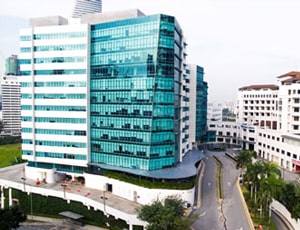
Parkway Pantai
Kuala Lumpur, Malaysia
Parkway Pantai located in Kuala Lumpur, Malaysia is accredited by JCI. Also listed below are some of the most prominent infrastructural details:
- Capacity of 335 beds
- 200+ specialist Doctors
- Critical Care Unit
- Neonatal Intensive Care Unit
- Operating Theatre
- International Patient Care Center
- Types of rooms available- Premier Suite, Supreme Suite, Deluxe Single Room, 2-bedded room, 4-bedded room, Deluxe Suite, Premier Single room, and Supreme Single room

Sunway Medical Centre
Kuala Lumpur, Malaysia
Sunway Medical Centre has initiated a comprehensive expansion plan close to its current hospital facility to enhance its ability to provide services to the global market. The new Cancer Radiosurgery Center and Nuclear Medicine Center, which will also house additional Centers of Excellence like the Digestive Health Center and Dialysis Center, marked the completion of Tower C's first phase in October 2016.

Prince Court Medical Centre
Kuala Lumpur, Malaysia
Prince Court is a private medical facility in the center of Kuala Lumpur that has 277 individual beds. Our dedication is to provide you with the best treatment possible from the time you arrive until you depart, healthier and happier. We are well-known for our top-notch facilities, cutting-edge technology, and friendly customer service.
Our Services to better your experience
Opinion & Option
We submit the most accurate opinion and options from one or more countries for your review
Consult Privately
Consult with a certified specialist privately on our telemedicine platform even before you decide to travel
Logistics
We handle flights, visas, transfers, and accommodation—so you can focus on your health.
Recovery
Our In-house rehabilitation service packages to better your recovery and treatment outcome
Why Choose Malaysia for Treatment of Small Cell Lung Cancer (SCLC)?
- World-class Healthcare Facilities: Malaysia's modern hospitals and medical facilities have the newest technologies to spot and treat various cancers, including Small Cell Lung Cancer.
- Affordable treatment plans: Malaysia provides small cell lung cancer therapy at a significantly affordable price compared to several Western countries without compromising the quality of care.
- Complete Treatment Options: Malaysia provides a holistic approach to treating Small Cell Lung Cancer, including radiation therapy, Chemotherapy and surgeries. New developments like gene treatments and tailored therapy are becoming more widely available to treat SCLC better.
- Advanced Diagnostic Tools: Advanced diagnostic treatments like Lobectomy and Wedge Resection are available in Malaysia hospitals to ensure exact diagnosis and treatment planning.
- Post-Treatment and Rehabilitation Care: Malaysia offers a broad approach to cancer treatment, encompassing not just medical care but also counselling on nutrition, emotional support, and rehabilitation. Complete post-treatment care guarantees that patients heal and adjust to life following treatment, including physical therapy, palliative care, and support groups.
Frequently Asked Questions
The time needed to treat small cell lung cancer (SCLC) varies in Malaysia depending on the disease stage and selected treatments. Speaking with an oncologist is crucial to establish a customised treatment schedule.
In Malaysia, a comprehensive strategy is used to manage the quality of life during and after small cell lung cancer (SCLC) treatment. This comprises programs for pulmonary rehabilitation aimed at improving physical function and general well-being, as well as psychological support and symptom management.
It is challenging to get precise success rates for treating non-small cell lung cancer (NSCLC) in Malaysia. However, depending on the stage of diagnosis, 5-year survival rates vary significantly across the globe.
About 10% of all malignancies in Malaysia are lung cancers, making them a major cause of cancer-related mortality. About 80% of these cases are Non-Small Cell Lung Cancer (NSCLC), with a 5-year relative survival rate of only 11% due to the fact that a large percentage of these cases are detected at advanced stages.
In Malaysia, it is traditional practice to get a second opinion. Many hospitals and oncologists are willing to assess cases and offer second opinions on treatment strategies. One can:
- Forward pathology reports, imaging, and medical records to the hospital for evaluation.
- Set up a consultation with the specialist you choose, either in person or via teleconference.
- For SCLC, major hospitals frequently have a team of experts who may offer a second opinion on the optimal treatment plan.
- You can get support by speaking with a medical tourism facilitator at MediGence to select the best doctor and facility. It provides specialised rehabilitation programs.
Malaysia is a cost-effective choice for those seeking treatment because it provides top-notch medical care at affordable costs compared to several Western nations.
Malaysia's healthcare system accepts patients from abroad and provides excellent SCLC treatments at many clinics and hospitals.

Reviewer

Dr. Mohit Agarwal
Medical Oncologist
14 Years of Experience
One of the finest Oncologist in New Delhi, India, Dr. Mohit Agarwal has worked with several world class multidisciplinary hospitals over the years. Dr. Mohit Agarwal has over 14+ years of experience in his field. The doctor treats and manages a wide range of conditions such as Stomach Cancer, Rectal Cancer, Breast Cancer, Brain Cancer View More
Last Reviewed - January 2026