Sickle Cell Disease (SCD) Treatment in India
- Top Accredited Hospitals
- Global Medical Standards
- Cutting-Edge Technology
- Proven Treatment Options
- High Success Rate
- Trusted by Millions

What is a Sickle Cell Disease (SCD)?
Sickle cell disease (SCD) is a group of inherited blood disorders caused by abnormal hemoglobin, most commonly hemoglobin S. The abnormal hemoglobin can cause red blood cells to become rigid and sickle-shaped, making them more likely to break down prematurely and block small blood vessels. This can lead to anemia, painful vaso-occlusive crises and progressive damage to organs such as the lungs, kidneys, brain, bones and spleen. SCD is inherited when a child receives disease-causing hemoglobin variants from their parents.
What is the Importance of Timely Treatment?
Timely diagnosis and comprehensive treatment can help reduce painful crises, prevent complications and protect organ function. Regular monitoring allows doctors to identify anemia, infection, stroke risk, kidney problems, eye complications and other effects of SCD at an earlier stage. Disease-modifying medicines, transfusion programmes, vaccination and preventive care can reduce complications, while selected patients with severe disease may be evaluated for hematopoietic stem-cell transplantation or gene therapy.
What are the Common Symptoms of Sickle Cell Disease (SCD)?
- Episodes of severe pain, known as vaso-occlusive crises
- Chronic or recurrent anemia
- Fatigue and weakness
- Shortness of breath
- Pale skin or yellowing of the eyes
- Swelling of the hands and feet, particularly in young children
- Frequent infections
- Delayed growth or puberty in some children
- Bone and joint pain
- Abdominal pain
- Vision problems
- Symptoms related to stroke or neurological complications
- Priapism in some males
- Chronic organ-related complications in severe disease
Causes and Risk Factors of Sickle Cell Disease (SCD)
Causes
- Sickle cell disease is caused by inherited changes in the HBB gene, which provides instructions for producing beta-globin, a component of hemoglobin.
- Different combinations of abnormal hemoglobin genes can produce different forms of SCD.
- The most severe and common form, HbSS, generally occurs when a child inherits a sickle hemoglobin gene from both parents.
Risk Factors
- Having parents who carry sickle hemoglobin or another disease-causing hemoglobin variant
- Family history of sickle cell disease
- Inheriting two disease-causing hemoglobin variants
- Genetic ancestry associated with a higher prevalence of sickle hemoglobin, including parts of Africa, the Middle East, the Mediterranean, South Asia and other regions
- Lack of access to early screening and comprehensive SCD care, which can increase the risk of preventable complications
Latest Research and Technologies in the Treatment of Sickle Cell Disease (SCD) in India
- Sickle cell treatment is increasingly moving toward disease-modifying and potentially curative approaches. Hydroxyurea remains an important therapy for reducing sickling and complications, while blood transfusion programmes are used for selected patients. Hematopoietic stem-cell transplantation can provide a potential cure for appropriately selected patients, particularly those with severe disease and a suitable donor. Gene therapies have introduced another potential curative approach. These therapies require specialised cell collection, conditioning treatment and long-term monitoring and are currently intended for carefully selected patients.
Treatment options for Sickle Cell Disease (SCD)
Blood Transfusion Therapy: Red blood-cell transfusions may be used to treat severe anemia or prevent or manage selected complications such as stroke. Long-term transfusion programmes require monitoring for iron overload and other transfusion-related complications.
Stem-Cell Transplantation : Allogeneic hematopoietic stem-cell transplantation can potentially cure SCD in selected patients. Suitability depends on factors such as disease severity, organ health, age, donor availability and the risks associated with transplantation.
Cost Start From 11500Explore Options
Gene Therapy: Selected patients with severe SCD may be evaluated for autologous gene-based therapies. These approaches involve collecting the patient's own blood-forming stem cells, modifying them in a specialised laboratory and returning them after conditioning treatment.
- Clinical assessment:
- Medical and Hematological Evaluation: A detailed history is taken to assess pain crises, fatigue, anemia, infections, transfusion history, jaundice, breathing problems, neurological symptoms, vision changes, bone complications and other SCD-related symptoms.
- Complete Blood Count and Peripheral Blood Assessment: A complete blood count evaluates hemoglobin, red blood cells, white blood cells and platelets. A peripheral blood smear can provide information about red-cell morphology and other blood abnormalities associated with SCD.
- Hemoglobin Analysis: Hemoglobin electrophoresis, high-performance liquid chromatography or other specialised testing can identify abnormal hemoglobin types and help determine the specific SCD genotype or hemoglobinopathy.
- Assessment of Organ Complications: Depending on age and symptoms, evaluation may include kidney function and urine testing, liver assessment, pulmonary evaluation, eye examination and neurological assessment.
- Genetic and Family Assessment: Genetic counselling and testing may help clarify the inherited hemoglobin pattern and provide information about reproductive risks and family screening.
- Imaging Tests:
- Transcranial Doppler Ultrasound: Used particularly in children with SCD to assess cerebral blood-flow velocities and help identify increased stroke risk.
- Brain MRI and MRA: May be recommended when neurological symptoms, previous stroke or silent cerebral injury is suspected.
- Chest X-ray: May be used when acute chest syndrome, pneumonia or another chest complication is suspected.
- Echocardiography: May be used to evaluate cardiac structure and function when clinically indicated.
- Ultrasound or MRI: May help evaluate abdominal, bone or other organ complications depending on symptoms.
- Retinal Imaging: Ophthalmologic imaging can detect sickle-cell-related retinal changes.
MediRehab (a chain of Rehab centres, part of MediGence) provides comprehensive rehabilitation services designed to support Sickle Cell Disease (SCD) patients in India. These services include:
- Physical Activity and Exercise: Individualised physical activity can help maintain strength, mobility and cardiovascular fitness, with intensity adjusted according to anemia, pain, organ complications and overall health.
- Pain and Mobility Rehabilitation: Physiotherapy may help patients manage chronic musculoskeletal pain, maintain joint mobility and improve functional movement while avoiding activities that worsen symptoms.
- Fatigue and Energy Management: Structured activity planning, appropriate rest, sleep support and treatment of underlying anemia can help patients manage chronic fatigue and maintain daily activities.
- Psychological and Self-Management Support: Counselling, patient education and chronic-pain support can help patients cope with recurrent crises, treatment demands, school or work limitations and the emotional effects of living with a chronic blood disorder.
- Medicines for SCD aim to reduce sickling, prevent complications and manage acute symptoms. Hydroxyurea is an established disease-modifying medicine that can increase fetal hemoglobin and reduce the frequency of pain crises in appropriate patients. Other medicines may be used for pain management and selected disease-related complications. Patients receiving regular transfusions may require treatment and monitoring for iron overload.
Instantly Connect with our Specialists


Hospitals for Sickle Cell Disease (SCD) in India

BLK-Max Super Speciality Hospital
Delhi, India
BLK-Max Super Speciality Hospital, located in New Delhi, is the leading best-in-class healthcare institution in India, providing tertiary and quaternary care. 650 + beds including 162 critical care beds, 22 OTs with 1,500+ clinical professionals allied to health are at the hospital's disposal. JCI, NABH, and NABL accredited. The hospitals are a leader in transplants, cancer care, and robotic surgery education and implementation. Established in1959 by Dr. B.L. Kapur, the hospital combines state-of-the-art technology with patient-centric values including compassion, efficiency, and consistency.
Fortis Memorial Research Institute
Gurgaon, India
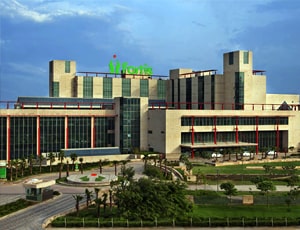
Fortis Healthcare Limited stands as one of India's largest integrated healthcare providers, managing 33 hospitals across 11 states and operating more than 5,700 beds and 400 diagnostic labs. Four of our hospitals are accredited by JCI and 26 by NABH. With a workforce of over 12,500 healthcare professionals, we combine clinical excellence, a patient-focused approach, and innovation to provide high-quality, affordable, and compassionate healthcare to patients in India.
Max Super Speciality Hospital, Saket
Delhi, India
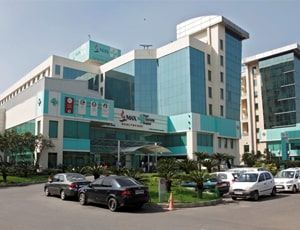
Max Smart Super Speciality Hospital, Saket, is a 250-bed tertiary care hospital awarded NABH accreditation, which provides advanced medical care in various specialities such as Cardiac Sciences, Orthopaedics, Neurology, Urology, Kidney Transplant, Paediatrics, and Obstetrics & Gynaecology. The hospital provides quality, safe, integrated, and patient-centric medical care using modular OTs, ICUs, Cath Labs, CT, MRI and Dialysis units.
Our Services to better your experience
Opinion & Option
We submit the most accurate opinion and options from one or more countries for your review
Consult Privately
Consult with a certified specialist privately on our telemedicine platform even before you decide to travel
Logistics
We handle flights, visas, transfers, and accommodation—so you can focus on your health.
Recovery
Our In-house rehabilitation service packages to better your recovery and treatment outcome
Why Choose India for Sickle Cell Disease (SCD) Treatment?
- Multidisciplinary Hematology Care: Patients can access hematologists, pediatric hematologists, transfusion specialists, genetic counsellors and other specialists according to their needs.
- Advanced Diagnostic Facilities: Specialised centres may provide hemoglobin analysis, genetic testing, blood-count monitoring, organ-function assessment and imaging for SCD-related complications.
- Comprehensive Disease Management: Treatment can include hydroxyurea, pain management, transfusion programmes, vaccination and monitoring for organ complications.
- Stem-Cell Transplantation: Major transplant centres can evaluate eligible patients for allogeneic hematopoietic stem-cell transplantation and provide donor assessment and post-transplant monitoring.
- Advanced Cellular and Gene-Based Therapies: Specialised centres may provide access to emerging cellular or gene-based treatment programmes where regulatory approval, clinical eligibility and infrastructure permit.