Sick Sinus Syndrome Treatment in India
- Top Accredited Hospitals
- Global Medical Standards
- Cutting-Edge Technology
- Proven Treatment Options
- High Success Rate
- Trusted by Millions

What is Sick Sinus Syndrome?
Sick Sinus Syndrome is a group of heart rhythm disorders caused by abnormal sinus node function, the heart's natural pacemaker. It can result in an abnormally slow heartbeat, pauses, or alternating slow and fast rhythms. Timely diagnosis and appropriate treatment can help prevent symptoms and reduce the risk of complications.
What is the Importance of Timely Treatment?
Timely evaluation helps determine whether symptoms stem from sinus node dysfunction and identifies potentially reversible factors, such as medication effects or metabolic abnormalities. Appropriate treatment can improve symptoms, maintain an adequate heart rate, reduce fainting and fall risk, and help prevent complications associated with significant rhythm disturbances.
What are the Common Symptoms of Sick Sinus Syndrome?
- Slow Heartbeat: The heart may beat slower than expected, particularly at rest.
- Dizziness or Lightheadedness: Reduced heart rate or pauses may temporarily decrease blood flow to the brain.
- Fainting: Significant pauses or slow heart rhythms can occasionally cause loss of consciousness.
- Fatigue: An inadequate heart rate may reduce the heart's ability to increase cardiac output during activity.
- Shortness of Breath: Reduced cardiac output may cause breathlessness, particularly during physical exertion.
- Palpitations: Alternating slow and fast rhythms may cause awareness of a racing, pounding, or irregular heartbeat.
Causes and Risk Factors of Sick Sinus Syndrome
Causes
- Age-Related Changes: Degeneration and fibrosis of the sinus node can impair its electrical function.
- Heart Disease: Coronary artery disease and other structural heart conditions may affect the sinus node.
- Previous Heart Procedures: Cardiac surgery or other procedures may sometimes affect the heart's electrical system.
- Medications: Certain medicines that slow heart rate can contribute to or worsen sinus node dysfunction.
- Metabolic or Systemic Conditions: Thyroid disorders, electrolyte abnormalities, and other conditions may affect heart rhythm.
- Infiltrative or Inflammatory Disorders: Certain conditions affecting heart tissue can interfere with sinus node function.
Risk Factors
- Older Age: Sinus node dysfunction is more common among older adults.
- Underlying Heart Disease: Coronary artery disease and other cardiac conditions may increase risk.
- Previous Cardiac Surgery: Some procedures can affect the heart's conduction system.
- Heart Rhythm Disorders: Existing arrhythmias may occur alongside sinus node dysfunction.
- Certain Medications: Beta-blockers, some calcium-channel blockers, antiarrhythmic medicines, and other drugs may slow the heart rate.
- Associated Medical Conditions: Thyroid disease, electrolyte disturbances, sleep-related breathing disorders, and other systemic conditions may contribute.
Latest Research and Technologies in the Treatment of Sick Sinus Syndrome in India
- Recent advances in sinus node dysfunction management include improved ambulatory rhythm monitoring, wearable cardiac monitoring, electrophysiological assessment, and increasingly sophisticated pacemaker technology. Leadless pacemakers provide an alternative to conventional systems for selected patients, while newer pacing approaches aim to preserve more natural patterns of cardiac activation. Modern pacemakers can provide rate-responsive pacing and remote monitoring, allowing clinicians to assess device function and rhythm data without requiring every follow-up to occur in person.
Treatment options for Sick Sinus Syndrome
Permanent Pacemaker : A pacemaker is the main treatment for symptomatic sinus node dysfunction when a persistent or clinically significant slow heart rhythm is responsible for symptoms.
Cost Start From 4500Explore Options
Dual-Chamber Pacemaker : A dual-chamber device coordinates pacing between the atrium and ventricle and may be appropriate for selected patients with sinus node dysfunction.
Cost Start From 6000Explore Options
Rate-Responsive Pacing: Some pacemakers automatically adjust the pacing rate according to the patient's activity level to better meet physiological needs.
Leadless Pacemaker: A small pacemaker implanted inside the heart can provide pacing without traditional leads or a surgical pocket in selected patients.
- Clinical assessment:
- Medical History: Assessment of symptoms, their timing, triggers, previous heart conditions, and relevant medical history.
- Medication Review: Identification of medicines that may slow the heart rate or affect cardiac conduction.
- Physical Examination: Evaluation of pulse, blood pressure, heart sounds, circulation, and signs of heart failure.
- Electrocardiogram (ECG): Records the heart's electrical activity and may identify sinus bradycardia, pauses, or other rhythm abnormalities.
- Holter Monitoring: Continuous ECG monitoring over 24 hours or longer can detect intermittent rhythm disturbances.
- Event or Patch Monitoring: Longer-term wearable monitoring may identify rhythm abnormalities that occur infrequently.
- Exercise Testing: May assess whether the heart rate increases appropriately during physical activity.
- Imaging Tests:
- Echocardiography: Ultrasound imaging evaluates heart structure and function and helps identify associated cardiac disease.
- Chest X-ray: May provide information about heart size, lung conditions, or other findings when clinically indicated.
- Cardiac MRI: Provides detailed images of the heart and may be considered when structural or tissue abnormalities require further assessment.
- Cardiac CT: May provide additional anatomical information in selected patients.
- Electrophysiological Study: An invasive test that evaluates the heart's electrical pathways and may be used in selected complex rhythm cases.
MediRehab (a chain of Rehab centres, part of MediGence) provides comprehensive rehabilitation services designed to support Sick Sinus Syndrome patients in India. These services include:
- Rehabilitation focuses on gradually restoring safe physical activity and maintaining cardiovascular fitness according to the individual's symptoms, heart function, and treatment.
- Patients recovering after pacemaker implantation may receive guidance on wound care, activity progression, device precautions, and return to daily activities.
- Cardiac rehabilitation may be considered for patients with associated heart disease or reduced exercise capacity.
- No specific medicine permanently corrects sinus node dysfunction. Treatment focuses on correcting reversible causes and adjusting medicines that may worsen bradycardia. In patients with symptomatic persistent sinus node dysfunction, a permanent pacemaker may be required rather than long-term medication.
Instantly Connect with our Specialists


Hospitals for Sick Sinus Syndrome in India
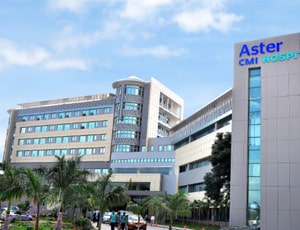
Aster CMI Hospital
Bangalore, India
Aster CMI Hospital located in Bengaluru, India is accredited by JCI, NABH. Also listed below are some of the most prominent infrastructural details:
- Around 500 bed capacity
- Primary care to Quaternary care services
- Outpatient and inpatient departments
- Day care center for small children
- Availability of Surgical suites
- Intensive Care Units
- 24-hour Emergency and Trauma Care
- Emergency Unit especially for children
- Newly launched the Lung and Heart Transplant Centre
- Video Consultation with doctors available on GraphMyHealth
- A specialised Aster Center of Excellence for Women & Children
- Latest Minimally Invasive Procedures being performed
- Safe Interventional Procedures
- Control of Infection protocols are strictly followed
- Aster Holistic Collaborative Care: Aster Palliative Care for lowering suffering if critically ill patients, Physical Medicine & Rehabilitation, Aster Wellness, Psychology, Chronic Pain Management, Nutrition & Dietetic, Podiatry Care etc.
- 11 Centers of Excellence
- An academics focus with BSc Program, MEM Program, Pediatric Fellowship Program
- A streamlined International patient care center with dedicated services and technology enabled processes

Max Super Specialty Hospital, Vaishali
Ghaziabad, India
- Max Super Speciality Hospital, Vaishali, Ghaziabad, is a leading multi-speciality hospital with 387+ beds and 37+ clinical specialities, offering advanced care in Cardiology, Neuro Sciences, Oncology, Orthopaedics, Transplants, Gastroenterology, and Reconstructive Surgery.
- Supported by 389+ doctors and 1038+ trained staff, the hospital combines state-of-the-art technology, including robotic surgery and advanced imaging systems, with compassionate, patient-centred care.
- Accredited by NABH and NABL, Max Vaishali is a trusted destination for both domestic and international patients seeking high-quality, integrated medical services.

MGM Healthcare
Chennai, India
There are a wide variety of healthcare facilities and specialized, targeted treatments provided by MGM HealthCare. Some of its most prominent services are listed below:
Institute of Heart and Lung Transplant and Mechanical Circulatory Support: Well renowned for having the third-highest number of heart transplants in a year (102) and also the successful completion of several other transplant surgeries and cardiac surgeries.
Cardiac Sciences: They offer a variety of screening tests and facilities including Tilt Table Test, Coronary Angioplasty and Stenting, CT Angiography, Coronary Artery Bypass Grafting, Stress Echocardiogram, Cardiac Stress Test and Cardiac Catheterisation.
Obstetrics and Gynaecology: They provide all services to ensure a woman’s well-being. Some of the services offered are Menstrual Cramps Treatment, Colposcopy, Myomectomy, Vaginal Hysterectomy, Breastfeeding Support, Ovarian Cyst Removal, Menopause Management, Vaginal Birth After Caesarean (VBAC), and Menorrhagia Treatment.
Orthopedics: Bilateral Knee Replacement, Total hip Replacement, and Knee Arthroscopy are all the procedures that are offered in this department.
Liver Transplantation: An exceptionally skilled team of professionals who have performed over 4,000 liver transplant surgeries and an operation theatre and ICU specifically dedicated to HBP surgery is available at the patient’s disposal.
Emergency Medicine: MGM Healthcare has a fully functioning facility dedicated to emergency medicine that operates 24 hours a day and 7 days a week.
Oncology: The patients will be in the safe hands of well-trained medical personnel qualified in the field of oncology and specialize in procedures like Bowel resection surgery, Biopsy, Lumpectomy, Liver Resection Surgery, Lung Cancer resection surgery, Lymph Node Surgery, and Laparoscopic Prostatectomy. They also provide cancer treatments like Chemotherapy, Immunotherapy, and Targeted Therapy.
Anaesthesiology and SICU: They specialize in the field of local, general and regional anesthesia and work to assist doctors during surgical procedures.
Neurosciences and Spine: The doctors in this department handle difficult procedures like Brain Tumour Surgery, Spine Reconstructive Surgery, Neuro Surgeries, and Spine Surgeries with the utmost ease and professionalism. They also have a specific area dedicated to Neuroanaesthesia and NeuroCritical Care.
Do visit the environment-friendly medical facility in Chennai and experience medical excellence.
Our Services to better your experience
Opinion & Option
We submit the most accurate opinion and options from one or more countries for your review
Consult Privately
Consult with a certified specialist privately on our telemedicine platform even before you decide to travel
Logistics
We handle flights, visas, transfers, and accommodation—so you can focus on your health.
Recovery
Our In-house rehabilitation service packages to better your recovery and treatment outcome
Why Choose India for Sick Sinus Syndrome Treatment?
- Experienced Cardiologists: Patients can access cardiologists and electrophysiologists experienced in diagnosing and managing cardiac rhythm disorders.
- Advanced Rhythm Monitoring: Major cardiac centres may offer Holter monitoring, extended ambulatory ECG monitoring, exercise testing, and electrophysiological evaluation.
- Modern Pacemaker Technology: Eligible patients may have access to conventional pacemakers, rate-responsive systems, and selected leadless or physiologic pacing technologies.
- Specialised Electrophysiology Care: Dedicated cardiac rhythm teams can evaluate complex bradycardia and tachy-brady syndromes and determine appropriate pacing strategies.
- Multidisciplinary Care: Cardiology, electrophysiology, cardiac imaging, cardiac surgery, intensive care, and rehabilitation teams can contribute to complex cases.
- Personalised Treatment: Treatment is selected according to symptoms, rhythm findings, underlying disease, age, lifestyle, and overall health.
- International Patient Support: Many major Indian hospitals provide international patient services, including appointment coordination, treatment planning, accommodation assistance, and follow-up support.