Sebaceous Gland Carcinoma Treatment in Thailand
- Top Accredited Hospitals
- Global Medical Standards
- Cutting-Edge Technology
- Proven Treatment Options
- High Success Rate
- Trusted by Millions

What is sebaceous Gland Carcinoma?
Sebaceous carcinoma is an uncommon form of skin cancer that begins in the sebaceous glands, which produce oil on the skin. This malignancy is aggressive and may recur after treatment. While a pimple-like growth on your upper eyelid is a typical sign, tumours can develop anywhere.
Type of sebaceous Gland Carcinoma
Two primary types are-
- Periocular Sebaceous Carcinoma- It mainly develops around the eyes, particularly near the eyelids, eyelashes and the inner corners of the eyes.
- Extraocular Sebaceous Carcinoma- It occurs mainly in the other parts of the body where sebaceous glands are present. Common sites are the Head, neck, trunk, and genital area.
What is the Importance of Timely Treatment?
Timely treatment of Sebaceous Gland Carcinoma is vital for many reasons since it may significantly affect the patient's general health and the course of the illness.
- Prevents Metastasis- Early treatment can prevent the spread of cancer from to other parts of the body, improving the chances of a successful outcome.
- Improves Prognosis- prognosis becomes more favourable when the cancer is detected and treated in early stage, leading to higher survival rates and better outcomes..
- Minimises Complications- Early intervention can minimize the risks associated with advanced cancer, such as pain, infection, and functional impairment.
- Enhances quality of life- Less invasive treatments for early-stage cancer are frequently needed, which can improve quality of life and speed up recovery.
What are the Common Symptoms of sebaceous Gland Carcinoma?
Eyelid Lesions
- Firm, painless nodules or lumps on the eyelids that are mostly yellowish, pink, or red.
- A persistent sore on the eyelid that doesn't heal or recurs after treatment.
- Noticeable thickening of eyelid skin
Skin Lesions
- Nodule formation on other body parts, such as the face, neck, or trunk.
- Ulcerations may sometimes form a scab and may also cause bleeding sometimes.
- Nodules may appear yellowish, pink, red, or even a mix of these colors.
Other Symptoms
- Vision Changes
- Swelling around the affected area is due to the significant growth of the tumour.
Causes and Risk Factors of Sebaceous Gland Carcinoma?
Causes
- Genetic alterations that lead to changes in the DNA of sebaceous glands cause the uncontrolled expression of genes and ultimately cause cancer.
- Prolonged exposure to UV rays may increase the risk factor of developing cancer.
- Prior radiation therapies to the head or neck can elevate the risk of sebaceous gland carcinoma.
Risk Factors
- Older Age
- Fair skin type
- Weakened immune systems of immunocompromised individuals due to conditions like HIV and AIDS or organ transplant recipients are at higher risk.
- Certain inherited genetic conditions, such as Muir-Torre syndrome or Lynch syndrome, are associated with a higher risk of sebaceous gland carcinoma.
- It is more commonly seen in women and people of Asian countries.
Connect with our advisor for a PRIORITY response
Latest Research and Technologies in the Treatment of Sebaceous Gland Carcinoma in Thailand
- Mohs Micrographic Surgery: With 95–99% cure rates for SGC, Mohs surgery in Thailand preserves tissue and is more successful than extensive local excision in cases involving the face and eyelids.
- Targeted Therapy & Immunotherapy: Thailand uses BRAF/MEK-targeted therapy, PD-1 inhibitors, and anti-VEGF studies for aggressive instances of SGC.
- Stereotactic Body Radiation Therapy (SBRT):For situations of inoperable SGC or to avoid post-operative recurrence, SBRT and IMRT provide precision radiation with fewer side effects.
- Thai Herbal Extracts: Latest research is undergoing on ancient plant active compounds like Amla and Curcumin extracts that inhibit sebaceous carcinoma cell growth, showing potential for adjunctive SGC therapy.
Sebaceous Gland Carcinoma Prevention Tips
- Protect Your Skin from Sun Exposure- Apply broad-spectrum sunscreen and wear protective clothes like hats, sunglasses, and long-sleeved garments. Avoid direct sun exposure, especially during peak hours.
- Regular Skin Examinations - Visit a dermatologist for annual checkups for professional skin evaluation.
- Avoid Radiation Exposure
- Maintain a healthy immune system by improving lifestyle modifications such as eating a well-balanced diet, exercising regularly, and maintaining a sleep-wake cycle to support the immune system.
- Early genetic counselling and screening can help identify genetic mutations and guide preventive measures, such as more frequent skin monitoring.
Treatment options for Sebaceous Gland Carcinoma
Treatment options for Sebaceous Gland Carcinoma differ based on the type and stage of the disease and the patient's overall health. The following are a few current treatments:
Mohn Surgery: It's a precise procedure that preserves as much healthy tissue as possible while removing the tumour and skin layers.
Radiation Therapy: Treatments using high-energy rays to target cancer cells and reduce tumour size are known as radiation therapy. It can be used as a primary treatment if surgery is not an option or to eliminate any cancer cells that may have remained after surgery.
Chemotherapy - Advanced or metastatic SGC may be treated with conventional chemotherapy medications when cancer has spread to other parts of the body. Chemotherapy kills cancer cells that divide frequentlyy and can be given orally or intravenously.
Cost Start From USD 1000 - USD 6800Explore Options
Orbital exenteration therapy- When sebaceous gland carcinoma affects the orbital region (eye socket) and has either progressed locally or spread, orbital exenteration is a surgical technique that may be performed to treat the malignancy.
Clinical Evaluation
- Medical History and Physical Examination: Healthcare professionals assemble detailed information about symptoms, medical history and risk factors afterlooking at sebaceous gland carcinoma lesions on the skin and mucous membranes.
Imaging Studies
- Chest X-ray
- CT Scan
- Endoscopy
- Colonoscopy
- Bronchoscopy
Biopsy
- Excisional Biopsy
- Punch Biopsy
- Skin Biopsy
MediRehab (a chain of Rehab centres, part of MediGence) provides comprehensive rehabilitation services to support patients through Teleconsulations and online therapy sessions.
- Physical Rehab: Encouraging light-moderate exercises like Scar tissue mobilisation therapy to improve patients' strength and mobility, particularly around the affected area if surgery was involved. Similarly, Range of motion exercises can help prevent deep vein thrombosis (DVT). Lymphatic drainage exercises promote lymphatic fluid flow away from the affected area. Our graded exercise programs allow patients to lead a dignified lifestyle.
- Lifestyle changes and modification: Dietary adjustments and supplements shall make lifestyle changes and tailored meal plans to control symptoms and guarantee adequate nourishment.Avoiding alcohol and managing stress to enhance health and well-being. The practice of yoga and meditation helps reduce stress and improve mental well-being.
- Monitoring and follow-up: Schedule regular follow-up appointments with the oncologist or dermatologist to address complications, monitor recovery, and detect any signs of recurrence.
Depending on the circumstances, your doctor might recommend medication to help manage your symptoms and complement the course of treatment.
Instantly Connect with our Specialists


Hospitals for Sebaceous Gland Carcinoma in Thailand
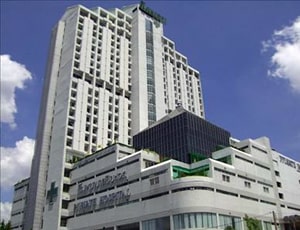
Piyavate Hospital
Bangkok, Thailand
Piyavate Hospital located in Bangkok, Thailand is accredited by JCI. Also listed below are some of the most prominent infrastructural details:
Medicine Centre: Piyavate Hospital provides advanced holistic treatment for their patients. They offer a complete range of services and physicians that specialize in various fields like the endocrine system, the nervous system, kidney function, cardiovascular care, respiratory and digestive system. They pride themselves for the familial care that they provide to their patients.
Fertility and In-Vitro Fertilization Centre: Helping the couples who walk into the Piyavate Hospital to achieve their dream of having a family. They have a medical team that specializes in male and female fertility. They offer consultation services, fertility check-up for both men and women and complete IVF services. They have advanced IVF cycle treatment facilities that offer a high rate of success.
Bone and Joint Institute: Piyavate Hospital houses one of the frontrunners in Orthopaedic health care in all of SouthEast Asia. They offer a wide range of services and surgeries in their bone and joint institute that include hand surgery, hip and knee replacement surgery, spinal cord surgery, upper extremity surgery, arthroscopic surgery and sports medicine.
Eye and Lasik Centre: Piyavate Hospital is fully equipped with the latest and most advanced technology for eye care and houses highly skilled ophthalmologists, sub-specialists and qualified nurses.
Physical Therapy and Rehabilitation Centre: One of the first hospitals to be equipped with the Hybrid Assistive Limb technology that will help a neurologically challenged patient to control the rehabilitation robot limb with a signal from their brain. The Physical Therapy and Rehabilitation Centre at Piyavate Hospital uses this system encourage patients to regain muscle memory to walk and function normally.
Amenities for Patient’s Family:
Piyavate Hospital also offers additional apartment facilities to house the kin of the patients who come to visit them from distant places. A restaurant, a flower shop and a café are a few of the other amenities provided by the hospital.
These are the most popular services offered by the Piyavate Hospital in Bangkok, Thailand. They also provide a plethora of other medical services that are listed below:
Diabetic Foot Centre
Check-up centre
Urology Centre
Heart Institute
Paediatric Centre
Obstetrics and Gynaecology Centre
Surgery Centre
Ear Nose Throat Centre
Haemodialysis Centre
Dental Centre
X-Ray Centre
Gastroenterology Centre
Cancer Centre
Neonatal Intensive Care Unit (NICU)
Emergency Services and Centre
Tele-medicine

Phyathai 2 International Hospital
Bangkok, Thailand
Phyathai 2 International Hospital located in Bangkok, Thailand is accredited by JCI. Also listed below are some of the most prominent infrastructural details:
- Fully equipped rooms are available for convenience of the patients- Gold B Room, Gold A Room, Pediatric Gold A, Platinum room, and Prestige ward
- Nearby accommodations are also available- Abloom Service Apartments, Bangkok Patio, VIB Best Western Sanam Pao, VIC3 Hotel
- Operating room
- International Patient Medical Center to assist overseas patients
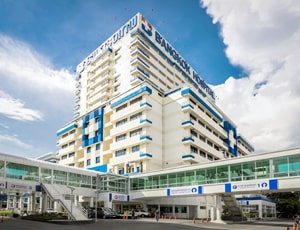
Bangkok Hospital
Bangkok, Thailand
Bangkok Hospital located in Bangkok, Thailand is accredited by JCI. Also listed below are some of the most prominent infrastructural details:
- It is recognised for the application of the newest healthcare technology.
- Blood analysis center that is not just the best in Thailand but in Asia Pacific as well.
- Biomolecule center that is the seed of healthcare equipment for Thailand and overseas.
- International affiliations and collaborations with universities and hospitals in Japan and the United States of America.
- 11 hospitals are recognised as Centers of Excellence.
- Known excellence in Trauma, Orthopedics, Cardiovascular, Neurology as well as Cancer Care.
- There is a proper streamlined patient services process followed in Bangkok Dusit Medical Services, Bangkok, Thailand.
- A well developed research center showcases the intent of the organisation to provide research based treatment opportunities to the patients.
- The group has several Medical industry partnerships as well to ensure healthcare solutions.
Our Services to better your experience
Opinion & Option
We submit the most accurate opinion and options from one or more countries for your review
Consult Privately
Consult with a certified specialist privately on our telemedicine platform even before you decide to travel
Logistics
We handle flights, visas, transfers, and accommodation—so you can focus on your health.
Recovery
Our In-house rehabilitation service packages to better your recovery and treatment outcome
Why Choose Thailand for Treatment of Sebaceous Gland Carcinoma?
- Advanced SGC Treatment Options: Thailand provides cutting-edge SGC treatment, including precision radiotherapy for inoperable tumours, targeted immunotherapy for advanced patients, and Mohs surgery for excellent cure rates.
- World-Class Healthcare Facilities: Advanced SGC care, including AI diagnostics, Mohs surgery, immunotherapy, and clinical trials, is available at Thailand's JCI-accredited facilities.
- Affordable Treatment: Thailand provides excellent cancer treatment at 50–70% less expensive than the US or Europe.
- Fast & Efficient Medical Services: Thailand provides same-day imaging and biopsies, quick SGC therapy with short wait times, and committed international patient support.
Frequently Asked Questions
The stage of diagnosis, the location of the tumor, and the patient's general health are some of the variables that might affect a person's life expectancy after receiving a sebaceous gland carcinoma diagnosis.
Treatment options for SGC in Thailand include immunotherapy (PD-1 inhibitors like Pembrolizumab), targeted therapy (BRAF/MEK inhibitors), high-precision radiation therapy (SBRT & IMRT) for cases that are inoperable or metastatic, and Mohs Micrographic Surgery (MMS) for high-precision tumour removal. These treatments are offered at prestigious hospitals like Bumrungrad, Bangkok Hospital, and Siriraj Hospital.
In Thailand, 95–99% of early-stage instances of sebaceous gland cancer (SGC) treated with Mohs micrographic surgery are successful.
In Thailand, 95–99% of early-stage instances of sebaceous gland cancer (SGC) treated with Mohs micrographic surgery are successful.
Recovery from SGC surgery in Thailand varies according on the technique; for Mohs surgery, it takes 1-3 weeks, while for reconstructive surgery, it takes 6-12 weeks.
In extreme situations, the chance of recurrent Sebaceous Gland Carcinoma (SGC) in Thailand might reach 30%.
In extreme cases, sebaceous gland carcinoma may spread to distant organs such as the liver, lungs, or bones, but it usually remains localised to the skin. Treatment and early detection greatly lower the chance of metastasis.
No, although Sebaceous Gland Carcinoma (SGC) is an uncommon cancer in Thailand, it is usually found in older persons and is more commonly linked to Lynch syndrome.
Choose board-certified dermatologists or oncologists, look through hospital directories, and read patient reviews to locate an SGC specialist in Thailand.
Yes, by presenting your medical documents and test results, you can receive a second opinion on Sebaceous Gland Carcinoma (SGC) therapy in Thailand from leading experts through in-person or virtual consultations.

Reviewer

Dr. Mohit Agarwal
Medical Oncologist
14 Years of Experience
One of the finest Oncologist in New Delhi, India, Dr. Mohit Agarwal has worked with several world class multidisciplinary hospitals over the years. Dr. Mohit Agarwal has over 14+ years of experience in his field. The doctor treats and manages a wide range of conditions such as Stomach Cancer, Rectal Cancer, Breast Cancer, Brain Cancer View More
Last Reviewed - January 2026