Schizophrenia Treatment in India
- Top Accredited Hospitals
- Global Medical Standards
- Cutting-Edge Technology
- Proven Treatment Options
- High Success Rate
- Trusted by Millions

What is Schizophrenia?
A severe mental illness that alters a person's thoughts, feelings, and behaviour is schizophrenia. A combination of delusions, hallucinations, and disordered thought and behaviour may be the outcome. Hearing voices or seeing objects that other people aren't perceiving are examples of hallucinations. Having strong beliefs about untrue things is known as delusion. Schizophrenia patients may appear to lose contact with reality, which can make day-to-day living extremely difficult.
What is the Importance of Timely Treatment?
Since studies indicate that prolonged durations without therapy can result in a worse prognosis and more severe symptoms, it is thought to be essential to begin treatment for schizophrenia as soon as possible when symptoms appear. In essence, the likelihood of successfully treating the illness increases with the onset of treatment.
What are the Common Symptoms of Schizophrenia?
- Hallucinations.
- Delusions.
- Disorganised thinking.
- Lack of motivation.
- Slow movement.
- Change in sleep patterns.
- Poor grooming or hygiene.
- Changes in body language and emotions.
Causes and Risk Factors of Schizophrenia
Causes
The cause of schizophrenia is unknown. However, scientists think that a combination of environmental factors, brain chemistry, and genetics may be involved.
Schizophrenia may be influenced by alterations in several naturally occurring brain chemicals, such as the neurotransmitters glutamate and dopamine. Studies on neuroimaging reveal alterations in the central nervous systems and brain anatomy of individuals with schizophrenia. The results demonstrate that schizophrenia is a brain disorder, even though researchers have not yet been able to use them to develop novel treatments.
Despite the lack of a recognized cause, the following factors appear to increase the likelihood of schizophrenia:
- A history of schizophrenia in the family
- Events in life, such being poor, stressed, or in danger
- Low birth weight, inadequate nutrition before or after delivery, and prenatal exposure to chemicals or viruses that may impact brain development are a few pregnancy and delivery-related problems
- Using mind-altering substances as a teenager or young adult, often known as psychoactive or psychotropic drugs.
Schizophrenia can cause serious issues that impact all aspects of life if it is not treated.
Schizophrenia can lead to or be associated with the following complications:
- Suicide, suicide attempts, and suicidal thoughts
- Obsessive-compulsive disorder, or OCD, and anxiety disorders
- Depression
- Misuse of nicotine or other drugs, such as alcohol
- Being unable to go to school or work
- Homelessness and financial difficulties
- Social exclusion
- Medical issues and health
- Being a victim
- Violent or aggressive conduct, even though those who have schizophrenia are more likely to be attacked than to attack others.
Connect with our advisor for a PRIORITY response
Schizophrenia Prevention Tips
Preventing schizophrenia is impossible. However, according to your treatment plan might help prevent symptoms from worsening or reoccurring. More knowledge about the risk factors for schizophrenia could result in an earlier diagnosis and course of treatment, according to researchers.
Treatment options for Schizophrenia
Management of seizures: Treatment usually includes management of seizures with medication, counselling. The primary treatment for schizophrenia is medication. Antipsychotic medications can lessen the primary symptoms, such as delusions and hallucinations. It's crucial to exercise patience as they typically take some time to start working. Before you locate the right medication for you, you might need to test a few other kinds.Some people experience adverse drug reactions. For this reason, you should see a psychiatrist or physician on a regular basis.
Cost Start From USD 500 - USD 1500Explore Options
A mental health evaluation may be used by a physician or other mental health specialist to diagnose schizophrenia. This unique interview consists of inquiries concerning the individual's:
- Present signs
- Previous mental health conditions
- Medical background and family history of illnesses
- Problems with substance abuse
Speaking with a family member to learn more about the person's symptoms may also be beneficial to the mental health professional.
After that, the physician will perform a physical examination. By doing this, any underlying causes of the patient's symptoms will be ruled out. They might also recommend a brain scan or blood testing.
A psychiatrist will typically need to confirm the diagnosis in order to provide guidance on the appropriate course of treatment.
MediRehab (chain of Rehab center - part of MediGence provides comprehensive rehabilitation services designed to support arthritis patients in <India>. These services include:
- Nutritional Counseling: Diet plans to reduce inflammation and maintain a healthy weight.
- Personalized Therapy Plans: Individually tailored treatments for pain management and enhanced mobility.
- Rehabilitation post Surgery: physiotherapy sessions focused on restoring joint function and strength.
- Nutrition Guidance: Customized dietary plan for reducing inflammation and maintaining a healthy weight for overall recovery.
Conventional, or typical, antipsychotics, such as haloperidol, fluphenazine, and chlorpromazine, have been used for many years to treat schizophrenia.
Instantly Connect with our Specialists


Hospitals for Schizophrenia in India

Asian Institute of Medical Sciences
Faridabad, India
Asian Institute of Medical Sciences located in Faridabad, India is accredited by NABH, NABL. Also listed below are some of the most prominent infrastructural details:
- 425 bed capacity
- Preventive and diagnostic sevices of the hospital are its strength.
- It is also well recognised for the therapeutic and rehabilitative services.
- For patients who need end process care for advanced healthcare conditions, the palliative services that the hospital provides are a boon.
- The healthcare delivery of AIMS, Delhi/NCR is focused on patient care.
- Research focused organisation
- International Patient care center is present to liason with medical travellers
- Focus on Academics, various healthcare educational programmes

Manipal Hospital, Gurugram
Gurgaon, India
Manipal Hospital, Gurgaon, which used to be Columbia Asia Hospital, is a 100-bed, multispecialty facility that was established in 2008. It is recognized by NABH, and offers complete care in six specialties: neurology, cardiology, oncology, gynecology, orthopedics, and psychiatry. By bringing together modern infrastructure, sophisticated technology, and a team of qualified medical and nursing staff as a part of its value system, the hospital emphasizes ethics and high-quality, affordable healthcare. The hospital maintains an integrated and collaborative framework, and is able to provide 24/7 emergency services and critical care, to achieve the best possible outcomes, with patient satisfaction and treatment as a whole being a fundamental feature of the service.

Manipal Hospitals Goa, Dona Paula
Panjim, India
Manipal Hospital Goa, a 235-bed multi-speciality hospital under Manipal Health Enterprises, is located in Dona Paula, Panaji. Spread across 6 acres overlooking the Arabian Sea, it offers world-class preventive, curative, and rehabilitative care supported by modern ICUs, modular OTs, and 24x7 diagnostic and pharmacy services. The hospital performs over 1,800 surgeries annually across key specialties such as cardiology, oncology, orthopaedics, neurosurgery, and nephrology. With a skilled team of doctors and staff, it ensures patient-centric care and safety. Its International Patient Care Centre and MARS ambulance service further enhance accessibility, making it one of Goa’s most trusted healthcare destinations.
Our Services to better your experience
Opinion & Option
We submit the most accurate opinion and options from one or more countries for your review
Consult Privately
Consult with a certified specialist privately on our telemedicine platform even before you decide to travel
Logistics
We handle flights, visas, transfers, and accommodation—so you can focus on your health.
Recovery
Our In-house rehabilitation service packages to better your recovery and treatment outcome
Why Choose India for Schizophrenia Treatment?
Here are some of the reasons for choosing India:
- Due to advancements in medical facilities, such as minimally invasive surgical techniques and antipsychotic therapy.
- World-class experts include highly experienced doctors, JCI, and NABH-accredited healthcare institutions.
- Compared to other countries, treatment in Indian hospitals is cost-effective.
- Indian hospitals provide international patient services, including a multilingual support system.
- Improved treatment methods and biological therapies.
Frequently Asked Questions
There is currently no treatment for schizophrenia, although a person can acquire effective symptom management techniques to enhance their quality of life. However, by learning to control their symptoms, a person with schizophrenia can recover. There is some bias in the research on the rate of recovery from schizophrenia.
Even once symptoms have decreased, schizophrenia needs to be treated for the rest of one's life. In India, treatment include:
- Drugs: Antipsychotic drugs are essential in the management of schizophrenia. By influencing neurotransmitter systems, these aid in symptom management
- Therapy: Psychosocial interventions can assist patients in managing day-to-day difficulties. Social skills training, family therapy, and cognitive behavioural therapy (CBT) are helpful.
Yes, many Indian hospitals offer the following for Schizophrenia treatment:
- Advanced diagnostic tools like MRI, CT scan, electromyography, and PET
- Skilled neurologist and surgeons for Schizophrenia
- Advanced Electroconvulsive Therapy
- Comprehensive post-surgery care and rehabilitation for long-term health benefit
Always consider the following factors when selecting Indian hospitals:
- Hospitals that are accredited (authorised by JCI and NABH).
- Patient reviews and success rates.
- Hospitals that provide seamless care to patients from abroad.
In Mumbai, 30.5% of patients with schizophrenia recovered after ten years of treatment. Forty percent of the patients found work, 72.9% lived independently, and 87.7% of the patients lived in the community.
It can be challenging to identify schizophrenia in children, early indicators include emotional, behavioural, and thought abnormalities.
.
Long term effect of schizophrenia can lead to the following complications:
- Suicide, suicide attempts, and suicidal thoughts
- Obsessive-compulsive disorder, or OCD, and anxiety disorders
- Depression
- Misuse of nicotine or other drugs, such as alcohol
- Being unable to go to school or work
- Homelessness and financial difficulties
- Social exclusion
- Medical issues and health
- Being a victim
- Violent or aggressive conduct, even though those who have schizophrenia are more likely to be attacked than to attack others.
- You can educate yourself on schizophrenia in order to care for a child who has it. Both you and your child may find this helpful
- Make a plan for treatment: Together with your child's medical team, develop a treatment plan that consists of counselling, therapy, and medication
- Make good lifestyle choices: Teach your child to abstain from alcohol and tobacco, eat a balanced diet, and exercise frequently
- Speak with the school where your child attends: Inform the guidance counsellors and instructors about your child's illness
- Seek professional assistance: If you are feeling overburdened, you might want to speak with a mental health specialist.

Reviewer
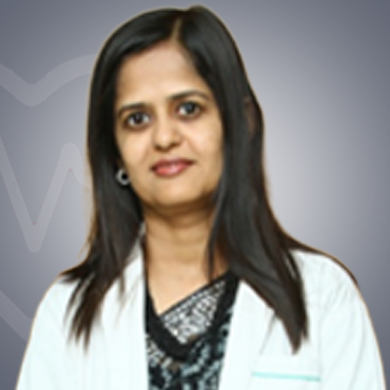
Dr Sonal Gupta
Neurosurgeon
29 Years of Experience
Dr. Sonal Gupta has an experienced neurosurgeon with more than 29+ years of clinical expertise. She is currently the Director, Neuro & Spine Surgery at Fortis Hospital, Shalimar Bagh. Before joining Fortis, she has been associated with various organizations such as Maharaja Agrasen Hospital, Action Balaji Hospital, and Max Hospital. View More
Last Reviewed - January 2026