Rasmussen's Encephalitis Treatment in India
- Top Accredited Hospitals
- Global Medical Standards
- Cutting-Edge Technology
- Proven Treatment Options
- High Success Rate
- Trusted by Millions

What is Rasmussen’s Encephalitis?
One hemisphere (half) of the brain experiences persistently worsening inflammation (encephalitis) in Rasmussen's encephalitis (RE), an extremely uncommon illness. It is also known as Rasmussen syndrome. This inflammation causes progressive and irreversible brain damage as well as frequent convulsions (epilepsy). As a result, the impacted hemisphere of the brain stops functioning. As the inflammation worsens, one side of your body becomes weaker and your mental health deteriorates. The doctor who initially identified the disease in 1958, Theodore Rasmussen, is honored by the condition's name.
What is the Importance of Timely Treatment?
Early detection and treatment can prevent additional neurological damage, minimize cognitive decline, and possibly stop the disease's course. Prompt treatment of Rasmussen's encephalitis is essential for improving a patient's long-term result.
What can I expect if my son has Rasmussen’s Encephalitis?
You must watch for symptoms of Rasmussen’s Encephalitis in children. A typical early symptom is mild weakness in your child's arm or leg.
Seizures typically become more frequent. With epilepsia partialis continuous (EPC), which occurs when seizures occur every few seconds or minutes, approximately half of patients with Rasmussen's encephalitis have this condition. Additionally, the seizures are intractable, meaning that medication cannot totally stop them.
These symptoms usually appear a few months to a few years after the initial seizure:
- Mental deterioration, including problems with memory, cognition, and thinking
- Hemiparesis is the progressive loss of motor (movement) skills on one side of your child's body. This frequently results in hemiplegia, or paralysis of one side of your child's body
- Progressive loss of language and speech skills (aphasia).
What are the Common Symptoms of Rasmussen’s Encephalitis?
Signs and symptoms are
- Severe partial seizures
- Loss of motor abilities
- Speech loss
- One side of the body is paralyzed
- Learning impairments
- Physical impairments
- Perplexity.
Causes, Risk Factors and Complications of Rasmussen’s Encephalitis.
Causes
Although the exact etiology of Rasmussen's encephalitis is unknown, scientists have two theories:
Autoimmune disease: When your immune system targets healthy tissue for unclear reasons, you have an autoimmune disease. Rasmussen's encephalitis may be an autoimmune disease that affects one side of the brain, according to researchers.
Infection: An unidentified virus may infect your brain and cause Rasmussen's encephalitis. Nevertheless, despite thorough examinations of the afflicted brains, scientists have not been able to pinpoint a particular virus.
Risk Factors
Age a compromised immune system, viral exposure, and environmental variables are risk factors for encephalitis.
Complications
- Seizures: Prolonged, frequent seizures that are challenging to manage
- One side of the body may be weak or paralyzed
- Deterioration of cognition: Language issues, intellectual difficulties, and mental decline
- Vision loss: A partial inability to see
- Academic decline: A steady reduction in one's capacity for academic work
Additional issues include permanent brain damage, speech and language issues, and loss of movement skills.
Connect with our advisor for a PRIORITY response
Latest Research and Technologies in the Treatment of Rasmussen’s Encephalitis in India.
Rasmussen's encephalitis is currently treated in India mainly with anti-seizure drugs, immunotherapy with intravenous immunoglobulin (IVIG) or corticosteroids in the early stages, and the possibility of surgery, such as a functional hemispherectomy, for severe, refractory cases where the affected brain hemisphere is severely compromised. These cases frequently require consultation at specialized epilepsy centres, but access to more advanced treatments, such as newer immunomodulatory therapies, may differ based on availability and location.
Rasmussen’s Encephalitis Prevention Tips
You cannot prevent Rasmussen's encephalitis because it is extremely uncommon and the reason is unknown to researchers.
Treatment options for Rasmussen's Encephalitis
Immunotherapy: Frequently used drugs for immunotherapy are:
Corticosteroids: Because of its strong anti-inflammatory effects, high-dose methylprednisolone is frequently used in the early stages, but prolonged use can have serious adverse consequences.
Cost Start From USD 3000 - USD 5000Explore Options
Intravenous immunoglobulin (IVIG): Often regarded as a cornerstone therapy, IVIG has the ability to alter the immune system and possibly lower inflammation.
Brain surgery: The best way to treat seizures in RE is with a hemispherectomy. Half of your child's brain must be surgically removed or disconnected from the remainder of their brain. The impacted hemisphere's function has already been lost in the majority of infants who have this operation. Following surgery, there is very little chance of future function loss. When the advantages of surgery exceed the risks, providers always take it into consideration.
Rasmussen's encephalitis is diagnosed by medical professionals based on your child's symptoms and certain test findings:
- One side of your child's brain may have atrophy, or loss of brain tissue, as revealed by magnetic resonance imaging (MRI). One important indicator of RE is a certain pattern of atrophy that gets worse over months or years
- The illness can also be diagnosed with the use of electroencephalography (EEG). Your brain's electrical activity is captured by an EEG
- The diagnosis of RE requires a combination of symptoms and indicators as well as imaging evidence of increasing brain hemisphere atrophy.
MediRehab (chain of Rehab center - part of MediGence provides comprehensive rehabilitation services designed to support arthritis patients in <India>. These services include:
- Nutritional Counseling: Diet plans to reduce inflammation and maintain a healthy weight.
- Personalized Therapy Plans: Individually tailored treatments for pain management and enhanced mobility.
- Rehabilitation post surgery: physiotherapy sessions focused on restoring joint function and strength.
- Nutrition Guidance: Customized dietary plan for reducing inflammation and maintaining a healthy weight for overall recovery.
Medications are mainly used to control seizures. Some broad-spectrum antiseizure medications include levetiracetam, lamotrigine, zonisamide and topiramate. Narrow-spectrum antiseizure medications: These medications mainly treat focal or partial seizures. Some narrow-spectrum antiseizure medications include ethosuximide, pregabalin, gabapentin and carbamazepine.
Instantly Connect with our Specialists


Hospitals for Rasmussen's Encephalitis in India

Manipal Hospital, Dwarka
Delhi, India
Manipal Hospital Dwarka is a leading multi-super speciality tertiary care hospital offering world-class, affordable, and accessible healthcare. Backed by renowned doctors, advanced technology, and global standards in clinical care, the hospital provides comprehensive preventive, diagnostic, and therapeutic services for all age groups. With 380 beds, 13 modular OTs, 118 critical care beds, and 24/7 emergency services, it combines excellence in patient care with innovations like AI, telemedicine, remote monitoring, and EMR—striving to become a fully digital, paperless hospital setting new standards in modern healthcare.

Medanta - The Medicity
Gurgaon, India
Medanta – The Medicity, Gurugram, founded by renowned cardiac surgeon Dr. Naresh Trehan, is a leading multi-super speciality hospital offering advanced yet affordable healthcare. Spread across a 43-acre campus, it houses 1,391 beds, 270 ICU beds, 40 operation theatres, and 900+ doctors across 30+ specialities. Accredited by JCI, NABH, and NABL, Medanta is designed per American Institute of Architects’ healthcare guidelines. Recognised as the Best Private Hospital in India (2020–2025) and among the World’s Top 250 Hospitals (Newsweek 2024), it excels in Cardiac Care, Cancer, Neurosciences, Gastro, Orthopaedics, and Renal Care, ensuring world-class, collaborative, and compassionate treatment.
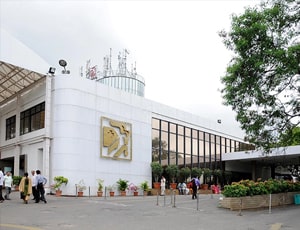
Apollo Hospitals
Hyderabad, India
Apollo Hospitals located in Hyderabad, India is accredited by JCI, NABH. Also listed below are some of the most prominent infrastructural details:
- A premier multi-specialty hospital with 477-bed capacity
- More than 50 specialties, super-specialties
- 12 Centers of Excellence
- The Institutes for Heart Diseases, Neurosciences, Cancer, Emergency, Orthopaedics, Renal Diseases, and Transplants
- Centers of Excellence are known for patient care, training and research
- Doctors with years of truly global experience in healthcare delivery
Our Services to better your experience
Opinion & Option
We submit the most accurate opinion and options from one or more countries for your review
Consult Privately
Consult with a certified specialist privately on our telemedicine platform even before you decide to travel
Logistics
We handle flights, visas, transfers, and accommodation—so you can focus on your health.
Recovery
Our In-house rehabilitation service packages to better your recovery and treatment outcome
Why Choose India for Rasmussen’s Encephalitis Treatment?
Here are some of the reasons for choosing India:
- Due to advancements in medical facilities, such as minimally invasive surgical techniques and immunosuppression therapy.
- World-class experts include highly experienced doctors, JCI, and NABH-accredited healthcare institutions.
- Compared to other countries, treatment in Indian hospitals is cost-effective.
- Indian hospitals provide international patient services, including a multilingual support system.
- Improved treatment methods and biological therapies.
Frequently Asked Questions
Rasmussen's encephalitis has no known treatment. Rather, the aim of treatment is to control inflammation and symptoms. Treatment options could consist of: Drugs that prevent seizures: Anti-seizure drugs typically don't fully control seizures brought on by RE.
The nation's healthcare institutions offer top-notch treatment alternatives, guaranteeing successful outcomes for many patients. Anti-seizure drugs, immunotherapy with intravenous immunoglobulin (IVIG) or corticosteroids in the early stages, and surgical intervention such as a functional hemispherectomy for severe, refractory cases are the mainstays of the most recent treatment for Rasmussen's encephalitis in India.
Yes, many Indian hospitals offer the following for Rasmussen’s Encephalitis treatment:
- Advanced diagnostic tools like MRI, CT scan, electromyography, and PET scan for accurate Rasmussen’s Encephalitis
- Skilled neurologist and surgeons for Rasmussen’s Encephalitis
- Advanced immunosuppression therapy
- Comprehensive post-surgery care and rehabilitation for long-term health benefit
Always consider the following factors when selecting Indian hospitals:
- Hospitals that are accredited (authorised by JCI and NABH).
- Patient reviews and success rates.
- Hospitals that provide seamless care to patients from abroad.
In general, Rasmussen’s Encephalitis treatment has much improved in India. Controlling inflammation and symptoms is the aim of treatment. Among the treatments are anti-seizure drugs and immunosuppression therapy. In some cases surgery is suggested.
Only a doctor can diagnose Rasmussen’s Encephalitis through various tests and diagnoses. Brain MRIs are now a standard procedure for diagnosing and monitoring Rasmussen's encephalitis. Most individuals often have unilateral ventricular system hypertrophy within months of the acute stage beginning.
Rasmussen's encephalitis causes chronic inflammation of the brain, which can lead to permanent brain damage, loss of motor skills, and mental impairment. With an estimated 200–500 instances worldwide, the illness is extremely uncommon and usually affects youngsters between the ages of 2 and 10.
Providing a supportive environment, managing symptoms with medication and therapies as directed by the doctor, closely monitoring the child's seizures, seeking specialized care such as physical, occupational, and speech therapy, and being ready for any necessary surgical procedures, such as a hemispherectomy, are all part of caring for a child with Rasmussen's Encephalitis. Always check with your child's medical team for the best course of action.

Reviewer

Dr. Mohit Agarwal
Medical Oncologist
14 Years of Experience
One of the finest Oncologist in New Delhi, India, Dr. Mohit Agarwal has worked with several world class multidisciplinary hospitals over the years. Dr. Mohit Agarwal has over 14+ years of experience in his field. The doctor treats and manages a wide range of conditions such as Stomach Cancer, Rectal Cancer, Breast Cancer, Brain Cancer View More
Last Reviewed - January 2026