Radiculopathy Treatment in Thailand
- Top Accredited Hospitals
- Global Medical Standards
- Cutting-Edge Technology
- Proven Treatment Options
- High Success Rate
- Trusted by Millions

What is a Radiculopathy?
Radiculopathy is a condition caused by irritation or compression of a nerve root as it leaves the spinal column. Depending on the affected area, it may cause pain, numbness, tingling, weakness, or other sensory changes along the nerve's pathway. It commonly affects the neck or lower back and may result from a herniated disc, spinal stenosis, or other structural changes.
What is the Importance of Timely Treatment?
Timely evaluation can identify the cause of nerve compression, relieve symptoms, preserve muscle strength and function, and reduce the risk of persistent nerve damage. Urgent assessment is particularly important when symptoms include progressive weakness, severe neurological changes, or bladder or bowel problems.
What are the Common Symptoms of a Radiculopathy?
- Radiating Pain: Pain may travel from the neck or lower back into the arm, buttock, or leg.
- Numbness: Reduced sensation may occur along the affected nerve pathway.
- Tingling: Patients may experience pins-and-needles sensations in the affected limb.
- Muscle Weakness: Nerve compression can reduce strength in specific muscles.
- Reflex Changes: The affected nerve may cause changes in certain deep tendon reflexes.
- Movement-Related Symptoms: Pain or other symptoms may worsen with certain movements, coughing, or straining.
Causes and Risk Factors of Radiculopathy
Causes
- Herniated Disc: Displaced disc material can compress or irritate a nearby nerve root.
- Spinal Stenosis: Narrowing of the spinal canal or nerve-root openings can place pressure on nerves.
- Degenerative Changes: Age-related changes in discs and spinal joints can contribute to nerve compression.
- Bone Spurs: Bony overgrowths may narrow the spaces through which spinal nerves pass.
- Spinal Injuries: Trauma can cause structural changes that irritate or compress nerve roots.
- Other Conditions: Less commonly, tumors, infections, or inflammatory conditions may affect spinal nerve roots.
Risk Factors
- Age: Degenerative spinal changes become more common with increasing age.
- Repetitive Physical Activity: Repeated lifting, bending, or twisting may increase spinal stress.
- Poor Posture: Prolonged or poor positioning may contribute to spinal strain.
- Obesity: Excess body weight can increase mechanical stress on the spine.
- Previous Spinal Injury: Previous injuries may increase the likelihood of later spinal problems.
- Smoking: Smoking can contribute to disc degeneration and poorer spinal health.
- Physically Demanding Work: Jobs involving heavy lifting or repetitive spinal movements may increase risk.
Latest Research and Technologies in the Treatment of Radiculopathy in Thailand
- In Thailand, researchers are exploring modern, minimally invasive, multidisciplinary approaches to diagnosing and treating radiculopathy, tailoring treatment to the underlying cause, severity, and neurological symptoms. Thailand’s spine centres are also incorporating enhanced surgical navigation, intraoperative imaging, and rehabilitation technologies to improve treatment precision and recovery. Ongoing research is focused on endoscopic spine surgery, regenerative approaches, personalised rehabilitation, and strategies to reduce recurrence and improve long-term functional outcomes.
Treatment options for Radiculopathy
Treatment depends on the cause, symptom severity, neurological findings, and response to conservative management.
Epidural Steroid Injections: Image-guided injections may provide temporary symptom relief in selected patients.
Nerve Root Decompression: Surgery may be considered when persistent nerve compression causes significant symptoms or neurological deficits.
Discectomy : Removal of a portion of a herniated disc may relieve pressure on the affected nerve.
Spinal Fusion : May be considered in selected cases involving instability or significant structural problems.
Minimally Invasive Spine Surgery: Selected patients may benefit from techniques designed to reduce tissue disruption and support recovery.
- Clinical assessment:
- Medical History: Reviews pain pattern, duration, triggers, previous injuries, and neurological symptoms.
- Neurological Examination: Assesses muscle strength, sensation, reflexes, and nerve function.
- Spinal Examination: Evaluates spinal movement, posture, tenderness, and symptom reproduction.
- Gait Assessment: Identifies changes in walking pattern associated with lower-limb nerve involvement.
- Functional Assessment: Determines how symptoms affect mobility and daily activities.
- Imaging Tests:
- X-rays: Assess spinal alignment, bones, and degenerative changes.
- MRI: Provides detailed images of discs, nerves, spinal cord, and other soft tissues.
- CT Scan: Provides detailed images of spinal bones and may be useful in selected cases.
- CT Myelography: May be used when MRI is unsuitable or when additional information about nerve compression is needed.
- Electrodiagnostic Testing: EMG and nerve conduction studies can help evaluate nerve function and identify the affected nerve when clinically indicated.
MediRehab (a chain of Rehab centres, part of MediGence) provides comprehensive tele-rehabilitation services designed to support Radiculopathy patients in Thailand. These services include:
- Physiotherapy may include stretching, core and supporting muscle strengthening, posture correction, mobility exercises, ergonomic guidance, and a gradual return to normal activities.
- Medicines may help reduce pain, inflammation, and nerve-related symptoms. Depending on the patient's condition, treatment may include NSAIDs, analgesics, muscle relaxants, or neuropathic pain medications, prescribed based on individual medical needs.
Instantly Connect with our Specialists


Hospitals for Radiculopathy in Thailand
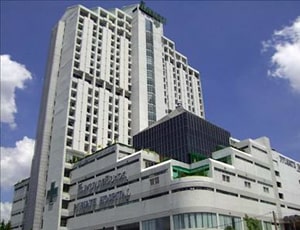
Piyavate Hospital
Bangkok, Thailand
Piyavate Hospital located in Bangkok, Thailand is accredited by JCI. Also listed below are some of the most prominent infrastructural details:
Medicine Centre: Piyavate Hospital provides advanced holistic treatment for their patients. They offer a complete range of services and physicians that specialize in various fields like the endocrine system, the nervous system, kidney function, cardiovascular care, respiratory and digestive system. They pride themselves for the familial care that they provide to their patients.
Fertility and In-Vitro Fertilization Centre: Helping the couples who walk into the Piyavate Hospital to achieve their dream of having a family. They have a medical team that specializes in male and female fertility. They offer consultation services, fertility check-up for both men and women and complete IVF services. They have advanced IVF cycle treatment facilities that offer a high rate of success.
Bone and Joint Institute: Piyavate Hospital houses one of the frontrunners in Orthopaedic health care in all of SouthEast Asia. They offer a wide range of services and surgeries in their bone and joint institute that include hand surgery, hip and knee replacement surgery, spinal cord surgery, upper extremity surgery, arthroscopic surgery and sports medicine.
Eye and Lasik Centre: Piyavate Hospital is fully equipped with the latest and most advanced technology for eye care and houses highly skilled ophthalmologists, sub-specialists and qualified nurses.
Physical Therapy and Rehabilitation Centre: One of the first hospitals to be equipped with the Hybrid Assistive Limb technology that will help a neurologically challenged patient to control the rehabilitation robot limb with a signal from their brain. The Physical Therapy and Rehabilitation Centre at Piyavate Hospital uses this system encourage patients to regain muscle memory to walk and function normally.
Amenities for Patient’s Family:
Piyavate Hospital also offers additional apartment facilities to house the kin of the patients who come to visit them from distant places. A restaurant, a flower shop and a café are a few of the other amenities provided by the hospital.
These are the most popular services offered by the Piyavate Hospital in Bangkok, Thailand. They also provide a plethora of other medical services that are listed below:
Diabetic Foot Centre
Check-up centre
Urology Centre
Heart Institute
Paediatric Centre
Obstetrics and Gynaecology Centre
Surgery Centre
Ear Nose Throat Centre
Haemodialysis Centre
Dental Centre
X-Ray Centre
Gastroenterology Centre
Cancer Centre
Neonatal Intensive Care Unit (NICU)
Emergency Services and Centre
Tele-medicine

Phyathai 2 International Hospital
Bangkok, Thailand
Phyathai 2 International Hospital located in Bangkok, Thailand is accredited by JCI. Also listed below are some of the most prominent infrastructural details:
- Fully equipped rooms are available for convenience of the patients- Gold B Room, Gold A Room, Pediatric Gold A, Platinum room, and Prestige ward
- Nearby accommodations are also available- Abloom Service Apartments, Bangkok Patio, VIB Best Western Sanam Pao, VIC3 Hotel
- Operating room
- International Patient Medical Center to assist overseas patients

Kasemrad Ramkhamhaeng Hospital
Bangkok, Thailand
Apart from in-detail treatment procedures available, Kasemrad Ramkhamhaeng Hospital located in Bangkok, Thailand has a wide variety of facilities available for International Patients. Some of the facilities which are provided by them are Accommodation, Airport Transfer, Choice of Meals, Interpreter, SIM, TV inside room. Also listed below are some of the most prominent infrastructural details:
- Initially started with 1.5 acres of land and expanded to 3.5 acres
- 139 beds, 39 Examination Rooms
- 13 Specialties Departments/Centers
- 24*7 Emergency Department
- Accommodation facilities are available- VIP rooms, Single special room, 6-bed dormitory, baby room
Our Services to better your experience
Opinion & Option
We submit the most accurate opinion and options from one or more countries for your review
Consult Privately
Consult with a certified specialist privately on our telemedicine platform even before you decide to travel
Logistics
We handle flights, visas, transfers, and accommodation—so you can focus on your health.
Recovery
Our In-house rehabilitation service packages to better your recovery and treatment outcome
Why Choose Thailand for Radiculopathy Treatment?
- Experienced Spine Specialists: Thailand has experienced orthopedic spine surgeons, neurosurgeons, and neurologists who manage different causes of radiculopathy.
- Advanced Diagnostics: Leading hospitals offer MRI, CT, X-rays, and electrodiagnostic testing when clinically indicated.
- Modern Treatment Options: Patients may have access to conservative management, image-guided injections, minimally invasive procedures, and advanced spine surgery.
- Multidisciplinary Care: Spine specialists can coordinate with neurologists, pain specialists, physiotherapists, and rehabilitation professionals.
- Personalised Treatment: Management is tailored according to the cause, severity, neurological findings, overall health, and individual needs.
- International Patient Services: Many major Thai hospitals and healthcare providers offer appointment coordination, travel assistance, accommodation guidance, and follow-up support for international patients.
Frequently Asked Questions

Reviewer

Dr Sonal Gupta
Neurosurgeon
29 Years of Experience
Dr. Sonal Gupta has an experienced neurosurgeon with more than 29+ years of clinical expertise. She is currently the Director, Neuro & Spine Surgery at Fortis Hospital, Shalimar Bagh. Before joining Fortis, she has been associated with various organizations such as Maharaja Agrasen Hospital, Action Balaji Hospital, and Max Hospital. View More
Last Reviewed - January 2026