Psoriatic Arthritis Treatment in Thailand
- Top Accredited Hospitals
- Global Medical Standards
- Cutting-Edge Technology
- Proven Treatment Options
- High Success Rate
- Trusted by Millions

What is Psoriatic Arthritis?
Psoriatic arthritis is an inflammatory form of arthritis that can develop in people with psoriasis, although joint symptoms may sometimes appear before skin changes. It occurs when an abnormal immune response inflames the joints and surrounding tissues. The condition can affect different joints, the spine, fingers, toes, and areas where tendons attach to bones.
What is the Importance of Timely Treatment?
Timely treatment helps control inflammation, reduce pain and stiffness, protect joints from permanent damage, maintain mobility, and manage associated skin symptoms. Early disease control may also help prevent functional limitations and support long-term quality of life.
What are the Common Symptoms of Psoriatic Arthritis?
- Joint Pain and Swelling: Inflammation can cause persistent pain, tenderness, and swelling in affected joints.
- Morning Stiffness: Joints may feel stiff and hard to move, especially after waking or after prolonged inactivity.
- Swollen Fingers or Toes: Entire fingers or toes may become swollen, a feature known as dactylitis.
- Tendon and Ligament Pain: Inflammation where tendons or ligaments attach to bones can cause localised pain and tenderness.
- Back or Spinal Stiffness: In some patients, inflammation can cause stiffness and pain in the lower back or spine.
- Skin and Nail Changes: Psoriasis may cause scaly skin patches, while nail changes can include pitting, thickening, or separation.
Causes and Risk Factors of Psoriatic Arthritis
Causes
- Abnormal Immune Response: The immune system becomes overactive and causes inflammation in the joints, skin, and other tissues.
- Genetic Factors: Certain genetic characteristics can increase susceptibility to psoriatic arthritis.
- Environmental Triggers: Infections, injuries, stress, and other environmental factors may contribute to disease development in susceptible individuals.
- Inflammatory Pathways: Abnormal activity of immune pathways, including TNF and interleukin pathways, contributes to persistent inflammation.
Risk Factors
- Psoriasis: Having psoriasis is the strongest known risk factor for developing psoriatic arthritis.
- Family History: A family history of psoriasis or psoriatic arthritis can increase susceptibility.
- Nail Psoriasis: Nail involvement is associated with a higher likelihood of joint disease.
- Obesity: Excess body weight may increase inflammatory activity and disease risk.
- Age: Psoriatic arthritis commonly develops during adulthood, although it can occur at different ages.
- Smoking: Smoking may increase the risk or severity of inflammatory disease.
- Previous Joint Injury: Certain injuries may contribute to the development of arthritis in susceptible individuals.
Latest Research and Technologies in the Treatment of Psoriatic Arthritis in Thailand
- Thailand’s management of psoriatic arthritis increasingly focuses on early diagnosis, treat-to-target care, and personalized treatment based on joint, skin, and other disease manifestations. Treatment options include conventional DMARDs, biologic therapies, and targeted synthetic DMARDs, with newer therapies directed at pathways such as TNF, IL-17, IL-23, and JAK signalling used when appropriate. Comprehensive care may also include physiotherapy, exercise, weight management, and cardiovascular risk assessment. Current research continues to explore precision treatment, novel targeted therapies, imaging-based monitoring, and strategies to achieve sustained remission and prevent joint damage.
Treatment options for Psoriatic Arthritis
Treatment is personalised according to disease severity, affected joints, skin involvement, spinal symptoms, previous treatment, and other health factors.
Conventional DMARDs: Medicines may help control peripheral joint inflammation.
Biologic Therapies: Target specific inflammatory pathways and may be used when conventional treatment is insufficient.
Targeted Synthetic DMARDs: Oral medicines can target specific immune pathways involved in inflammation.
NSAIDs: May help relieve pain and stiffness in selected patients.
Corticosteroids: May be used selectively for short-term control of significant inflammation.
Surgery: Joint replacement or other orthopedic procedures may be considered when advanced joint damage causes significant functional limitations.
- Clinical assessment:
- Medical History: Reviews joint symptoms, psoriasis history, family history, disease pattern, and previous treatments.
- Joint Examination: Assesses swelling, tenderness, warmth, stiffness, and range of movement.
- Skin Examination: Identifies psoriasis lesions and evaluates their distribution and severity.
- Nail Examination: Checks for nail pitting, separation, thickening, or other psoriasis-related changes.
- Enthesis Assessment: Evaluates pain and tenderness at tendon and ligament attachment sites.
- Spinal Assessment: Examines back pain, stiffness, and spinal mobility.
- Functional Assessment: Determines how symptoms affect movement and daily activities.
- Imaging Tests:
- X-rays: Identify structural joint changes and established damage.
- Ultrasound: Detects inflammation in joints, tendons, and entheses.
- MRI: Detects active inflammation and early structural changes in joints and the spine.
- CT Scan: Provides detailed bone images for selected complex cases.
- Bone Scans: May occasionally be used to assess areas of increased bone activity.
MediRehab (a chain of Rehab centres, part of MediGence) provides comprehensive tele-rehabilitation services to support patients with psoriatic arthritis in Thailand. These services include:
- Physiotherapy may include range-of-motion exercises, strengthening, posture and mobility training, low-impact aerobic activity, and guidance on joint protection.
- Occupational therapy can help patients adapt daily activities when hand or other joint involvement affects function.
- Medicines for psoriatic arthritis help reduce inflammation, control symptoms, and prevent or slow joint damage. Treatment may include NSAIDs, conventional DMARDs, biologic DMARDs targeting TNF, IL-17 or IL-23 pathways, and targeted synthetic DMARDs, depending on disease characteristics and individual patient factors.
Instantly Connect with our Specialists


Hospitals for Psoriatic Arthritis in Thailand

Krabi Nakharin International Hospital
Krabi, Thailand
Krabi Nakharin International Hospital located in Krabi, Thailand is accredited by JCI. Also listed below are some of the most prominent infrastructural details:
- Capacity of Imported electronically adjustable 100 beds
- Housing Facility in VIP Rooms, Deluxe Rooms, Superior Rooms, 2-Beds room, 9-Beds room
- All rooms are fully equipped with Smart TV, Refrigerator with soft drinks, Wi-fi, sofacumbed, personal nurse call system, telephone for local & international calls, Microwave,
- Main meals and snacks are also included
- Medical Technology includes- 64-slice CT scan, MRI, Fluoroscopy Examination, Digital Mammogram, Computed Radiography and 4D-Ultrasound
- 14 Treatment Centers and Clinics
- 24*7 Intensive Care Unit (ICU)
- Outpatient Department (OPD)
- Emergency Department

Sukumvit Hospital, Bangkok
Bangkok, Thailand
- Sukumvit Hospital has provided a comprehensive range of healthcare services since 1977. It is committed to providing patient-centred care by combining advanced medical technologies and employing highly skilled, multi-specialised physicians to ensure that each patient receives high-quality treatment across all the various areas of medicine offered at the facility. They offer modern diagnostics, minimally invasive surgical procedures, rehabilitation, emergency services, and a full array of international patient services, while maintaining stringent standards for patient safety and personalised healthcare.
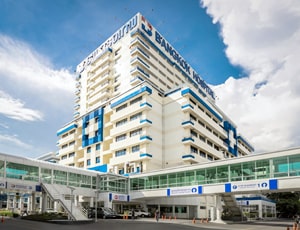
Bangkok Hospital
Bangkok, Thailand
Bangkok Hospital located in Bangkok, Thailand is accredited by JCI. Also listed below are some of the most prominent infrastructural details:
- It is recognised for the application of the newest healthcare technology.
- Blood analysis center that is not just the best in Thailand but in Asia Pacific as well.
- Biomolecule center that is the seed of healthcare equipment for Thailand and overseas.
- International affiliations and collaborations with universities and hospitals in Japan and the United States of America.
- 11 hospitals are recognised as Centers of Excellence.
- Known excellence in Trauma, Orthopedics, Cardiovascular, Neurology as well as Cancer Care.
- There is a proper streamlined patient services process followed in Bangkok Dusit Medical Services, Bangkok, Thailand.
- A well developed research center showcases the intent of the organisation to provide research based treatment opportunities to the patients.
- The group has several Medical industry partnerships as well to ensure healthcare solutions.
Our Services to better your experience
Opinion & Option
We submit the most accurate opinion and options from one or more countries for your review
Consult Privately
Consult with a certified specialist privately on our telemedicine platform even before you decide to travel
Logistics
We handle flights, visas, transfers, and accommodation—so you can focus on your health.
Recovery
Our In-house rehabilitation service packages to better your recovery and treatment outcome
Why Choose Thailand for Psoriatic Arthritis Treatment?
- Experienced Rheumatologists: Thailand has specialists experienced in diagnosing and managing psoriatic arthritis and related inflammatory conditions.
- Advanced Diagnostic Facilities: Leading hospitals offer laboratory testing, X-rays, ultrasound, MRI, and other diagnostic technologies.
- Modern Treatment Options: Eligible patients may have access to conventional DMARDs, biologic therapies, and targeted treatments.
- Multidisciplinary Care: Rheumatologists can coordinate with dermatologists, orthopedic specialists, physiotherapists, and other specialists when required.
- Personalised Treatment: Treatment plans can be tailored according to joint involvement, psoriasis severity, disease activity, previous treatment, and overall health.
- Rehabilitation Support: Physiotherapy and functional rehabilitation can help patients maintain mobility and independence.
Frequently Asked Questions
Author

Dr. Shagufta Parveen
Dr. Shagufta Parveen is a Clinical researcher and medical writer with expertise in clinical pharmacology and pharmacotherapeutics. She holds a B.Pharm and Doctor of Pharmacy (Post-Baccalaureate) degree from Teerthanker Mahaveer University, Moradabad.
During her clinical stint at BLK-Max Super Speciality Hospital and Indraprastha Apollo Hospital, she gained hands-on experience in the Clinical Pharmacology Department. Combining scientific knowledge with strong medical writing skills, Dr. Shagufta develops evidence-based healthcare content, treatment guides, and patient education resources.
Her work focuses on simplifying complex medical concepts while maintaining scientific accuracy, helping readers better understand healthcare advancements and treatment options.
In addition to her writing expertise, she is actively involved in scientific research and has contributed to peer-reviewed publications.
Her research work is accessible through the following links:
https://scholar.google.com/citations?user=lMVK1eIAAAAJ&hl=en
https://carcinogenesis.com/index.php/JOC/article/view/870
https://carcinogenesis.com/index.php/JOC/article/view/868
https://wjpsronline.com/abstract/0000000760
View MoreReviewer
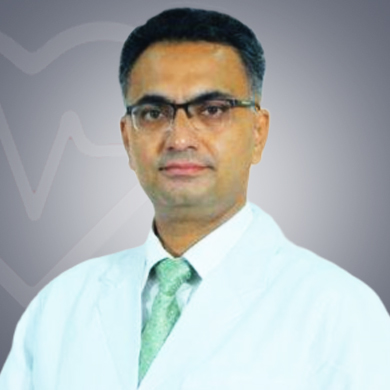
Dr. Puneet Mishra
Orthopaedic Surgeon
25 Years of Experience
Known among his patients for treating with compassion and personal care, Dr. Puneet Mishra is one of the best orthopedic surgeons in New Delhi. Dr. Puneet completed his MBBS from Maulana Azad Medical College in 1996 and from the same college he completed his MS (orthopedics) in 2000. With almost 25+ years of surgical experience under him, Dr. Pankaj takes pride in working with some of the finest medical institutions of the world such as University Hospital, Bern, Maulana Azad Medical College, New Delhi, Endoklinik, Germany, and Professor and Consultant orthopedician at Guru Teg Bahadur Hospital, New Delhi. View More
Last Reviewed - January 2026