Psoriatic Arthritis Treatment in India
- Top Accredited Hospitals
- Global Medical Standards
- Cutting-Edge Technology
- Proven Treatment Options
- High Success Rate
- Trusted by Millions

What is Psoriatic Arthritis?
Psoriatic arthritis is an inflammatory form of arthritis that can develop in people with psoriasis, although joint symptoms may sometimes appear before skin changes. It occurs when an abnormal immune response inflames the joints and surrounding tissues. The condition can affect different joints, the spine, fingers, toes, and areas where tendons attach to bones.
What is the Importance of Timely Treatment?
Timely treatment helps control inflammation, reduce pain and stiffness, protect joints from permanent damage, maintain mobility, and manage associated skin symptoms. Early disease control may also help prevent functional limitations and support long-term quality of life.
What are the Common Symptoms of Psoriatic Arthritis?
- Joint Pain and Swelling: Inflammation can cause persistent pain, tenderness, and swelling in affected joints.
- Morning Stiffness: Joints may feel stiff and hard to move, especially after waking or after prolonged inactivity.
- Swollen Fingers or Toes: Entire fingers or toes may become swollen, a feature known as dactylitis.
- Tendon and Ligament Pain: Inflammation where tendons or ligaments attach to bones can cause localised pain and tenderness.
- Back or Spinal Stiffness: In some patients, inflammation can cause stiffness and pain in the lower back or spine.
- Skin and Nail Changes: Psoriasis may cause scaly skin patches, while nail changes can include pitting, thickening, or separation.
Causes and Risk Factors of Psoriatic Arthritis
Causes
- Abnormal Immune Response: The immune system becomes overactive and causes inflammation in the joints, skin, and other tissues.
- Genetic Factors: Certain genetic characteristics can increase susceptibility to psoriatic arthritis.
- Environmental Triggers: Infections, injuries, stress, and other environmental factors may contribute to disease development in susceptible individuals.
- Inflammatory Pathways: Abnormal activity of immune pathways, including TNF and interleukin pathways, contributes to persistent inflammation.
Risk Factors
- Psoriasis: Having psoriasis is the strongest known risk factor for developing psoriatic arthritis.
- Family History: A family history of psoriasis or psoriatic arthritis can increase susceptibility.
- Nail Psoriasis: Nail involvement is associated with a higher likelihood of joint disease.
- Obesity: Excess body weight may increase inflammatory activity and disease risk.
- Age: Psoriatic arthritis commonly develops during adulthood, although it can occur at different ages.
- Smoking: Smoking may increase the risk or severity of inflammatory disease.
- Previous Joint Injury: Certain injuries may contribute to the development of arthritis in susceptible individuals.
Latest Research and Technologies in the Treatment of Psoriatic Arthritis in India
Recent advances focus on early diagnosis and targeted inflammation control. Biologic medicines targeting pathways such as TNF, IL-17, and IL-23, along with targeted synthetic DMARDs, have expanded treatment options for eligible patients. Ultrasound and MRI can help detect joint and tendon inflammation earlier, while treat-to-target strategies aim to achieve low disease activity or remission and prevent long-term joint damage.
Treatment options for Psoriatic Arthritis
Treatment is personalised according to disease severity, affected joints, skin involvement, spinal symptoms, previous treatment, and other health factors.
Conventional DMARDs: Medicines such as methotrexate may help control peripheral joint inflammation.
Biologic Therapies: Target specific inflammatory pathways and may be used when conventional treatment is insufficient.
Targeted Synthetic DMARDs: Oral medicines can target specific immune pathways involved in inflammation.
NSAIDs: May help relieve pain and stiffness in selected patients.
Corticosteroids: May be used selectively for short-term control of significant inflammation.
Surgery: Joint replacement or other orthopedic procedures may be considered when advanced joint damage causes significant functional limitations.
Clinical assessment:
- Medical History: Reviews joint symptoms, psoriasis history, family history, disease pattern, and previous treatments.
- Joint Examination: Assesses swelling, tenderness, warmth, stiffness, and range of movement.
- Skin Examination: Identifies psoriasis lesions and evaluates their distribution and severity.
- Nail Examination: Checks for nail pitting, separation, thickening, or other psoriasis-related changes.
- Enthesis Assessment: Evaluates pain and tenderness at tendon and ligament attachment sites.
- Spinal Assessment: Examines back pain, stiffness, and spinal mobility.
- Functional Assessment: Determines how symptoms affect movement and daily activities.
Imaging Tests:
- X-rays: Identify structural joint changes and established damage.
- Ultrasound: Detects inflammation in joints, tendons, and entheses.
- MRI: Detects active inflammation and early structural changes in joints and the spine.
- CT Scan: Provides detailed bone images for selected complex cases.
- Bone Scans: May occasionally be used to assess areas of increased bone activity.
MediRehab (a chain of Rehab centres, part of MediGence) provides comprehensive rehabilitation services designed to support Psoriatic Arthritis patients in India. These services include:
- Physiotherapy may include range-of-motion exercises, strengthening, posture and mobility training, low-impact aerobic activity, and guidance on joint protection.
- Occupational therapy can help patients adapt daily activities when hand or other joint involvement affects function.
- Medicines for psoriatic arthritis help reduce inflammation, control symptoms, and prevent or slow joint damage. Treatment may include NSAIDs, conventional DMARDs, biologic DMARDs targeting TNF, IL-17 or IL-23 pathways, and targeted synthetic DMARDs, depending on disease characteristics and individual patient factors.
Instantly Connect with our Specialists


Hospitals for Psoriatic Arthritis in India
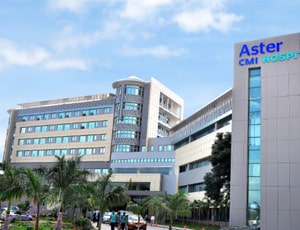
Aster CMI Hospital
Bangalore, India
Aster CMI Hospital located in Bengaluru, India is accredited by JCI, NABH. Also listed below are some of the most prominent infrastructural details:
- Around 500 bed capacity
- Primary care to Quaternary care services
- Outpatient and inpatient departments
- Day care center for small children
- Availability of Surgical suites
- Intensive Care Units
- 24-hour Emergency and Trauma Care
- Emergency Unit especially for children
- Newly launched the Lung and Heart Transplant Centre
- Video Consultation with doctors available on GraphMyHealth
- A specialised Aster Center of Excellence for Women & Children
- Latest Minimally Invasive Procedures being performed
- Safe Interventional Procedures
- Control of Infection protocols are strictly followed
- Aster Holistic Collaborative Care: Aster Palliative Care for lowering suffering if critically ill patients, Physical Medicine & Rehabilitation, Aster Wellness, Psychology, Chronic Pain Management, Nutrition & Dietetic, Podiatry Care etc.
- 11 Centers of Excellence
- An academics focus with BSc Program, MEM Program, Pediatric Fellowship Program
- A streamlined International patient care center with dedicated services and technology enabled processes

Max Super Specialty Hospital, Vaishali
Ghaziabad, India
- Max Super Speciality Hospital, Vaishali, Ghaziabad, is a leading multi-speciality hospital with 387+ beds and 37+ clinical specialities, offering advanced care in Cardiology, Neuro Sciences, Oncology, Orthopaedics, Transplants, Gastroenterology, and Reconstructive Surgery.
- Supported by 389+ doctors and 1038+ trained staff, the hospital combines state-of-the-art technology, including robotic surgery and advanced imaging systems, with compassionate, patient-centred care.
- Accredited by NABH and NABL, Max Vaishali is a trusted destination for both domestic and international patients seeking high-quality, integrated medical services.

MGM Healthcare
Chennai, India
There are a wide variety of healthcare facilities and specialized, targeted treatments provided by MGM HealthCare. Some of its most prominent services are listed below:
Institute of Heart and Lung Transplant and Mechanical Circulatory Support: Well renowned for having the third-highest number of heart transplants in a year (102) and also the successful completion of several other transplant surgeries and cardiac surgeries.
Cardiac Sciences: They offer a variety of screening tests and facilities including Tilt Table Test, Coronary Angioplasty and Stenting, CT Angiography, Coronary Artery Bypass Grafting, Stress Echocardiogram, Cardiac Stress Test and Cardiac Catheterisation.
Obstetrics and Gynaecology: They provide all services to ensure a woman’s well-being. Some of the services offered are Menstrual Cramps Treatment, Colposcopy, Myomectomy, Vaginal Hysterectomy, Breastfeeding Support, Ovarian Cyst Removal, Menopause Management, Vaginal Birth After Caesarean (VBAC), and Menorrhagia Treatment.
Orthopedics: Bilateral Knee Replacement, Total hip Replacement, and Knee Arthroscopy are all the procedures that are offered in this department.
Liver Transplantation: An exceptionally skilled team of professionals who have performed over 4,000 liver transplant surgeries and an operation theatre and ICU specifically dedicated to HBP surgery is available at the patient’s disposal.
Emergency Medicine: MGM Healthcare has a fully functioning facility dedicated to emergency medicine that operates 24 hours a day and 7 days a week.
Oncology: The patients will be in the safe hands of well-trained medical personnel qualified in the field of oncology and specialize in procedures like Bowel resection surgery, Biopsy, Lumpectomy, Liver Resection Surgery, Lung Cancer resection surgery, Lymph Node Surgery, and Laparoscopic Prostatectomy. They also provide cancer treatments like Chemotherapy, Immunotherapy, and Targeted Therapy.
Anaesthesiology and SICU: They specialize in the field of local, general and regional anesthesia and work to assist doctors during surgical procedures.
Neurosciences and Spine: The doctors in this department handle difficult procedures like Brain Tumour Surgery, Spine Reconstructive Surgery, Neuro Surgeries, and Spine Surgeries with the utmost ease and professionalism. They also have a specific area dedicated to Neuroanaesthesia and NeuroCritical Care.
Do visit the environment-friendly medical facility in Chennai and experience medical excellence.
Our Services to better your experience
Opinion & Option
We submit the most accurate opinion and options from one or more countries for your review
Consult Privately
Consult with a certified specialist privately on our telemedicine platform even before you decide to travel
Logistics
We handle flights, visas, transfers, and accommodation—so you can focus on your health.
Recovery
Our In-house rehabilitation service packages to better your recovery and treatment outcome
Why Choose India for Psoriatic Arthritis Treatment?
- Experienced Rheumatologists: India has specialists experienced in diagnosing and managing psoriatic arthritis and related inflammatory conditions.
- Advanced Diagnostic Facilities: Leading hospitals offer laboratory testing, X-rays, ultrasound, MRI, and other diagnostic technologies.
- Modern Treatment Options: Eligible patients may have access to conventional DMARDs, biologic therapies, and targeted treatments.
- Multidisciplinary Care: Rheumatologists can coordinate with dermatologists, orthopedic specialists, physiotherapists, and other specialists when required.
- Personalised Treatment: Treatment plans can be tailored according to joint involvement, psoriasis severity, disease activity, previous treatment, and overall health.
- Rehabilitation Support: Physiotherapy and functional rehabilitation can help patients maintain mobility and independence.