Polyendocrine Metabolic Ovarian Syndrome (PMOS) Treatment in India
- Top Accredited Hospitals
- Global Medical Standards
- Cutting-Edge Technology
- Proven Treatment Options
- High Success Rate
- Trusted by Millions

What is a Polyendocrine Metabolic Ovarian Syndrome (PMOS)?
Polyendocrine Metabolic Ovarian Syndrome (PMOS), previously known as Polycystic Ovary Syndrome (PCOS), is a common hormonal and metabolic condition that can affect the ovaries, menstrual cycle, fertility, metabolism, skin, hair, and overall health.
PMOS is associated with ovulatory dysfunction, increased androgen activity, and polycystic ovarian morphology. A person does not need to have polycystic-appearing ovaries to have PMOS. The condition is also frequently associated with insulin resistance and metabolic health concerns. PMOS can present differently from one person to another.
What is the Importance of Timely Treatment?
Timely diagnosis and treatment of PMOS can help manage menstrual irregularities, androgen-related symptoms, fertility concerns, and metabolic health risks. Untreated or poorly managed PMOS may be associated with an increased risk of insulin resistance, type 2 diabetes, high blood pressure, abnormal cholesterol levels, endometrial problems, sleep disorders, and cardiovascular risk factors.
What are the Common Symptoms of a Polyendocrine Metabolic Ovarian Syndrome (PMOS)?
- Irregular, infrequent, or absent menstrual periods
- Heavy or prolonged menstrual bleeding in some patients
- Difficulty becoming pregnant due to irregular ovulation
- Excess facial or body hair
- Acne or oily skin
- Hair thinning or scalp hair loss
- Weight gain or difficulty managing weight
- Darkened, thickened skin, particularly around the neck or underarms
- Skin tags
- Mood changes or emotional distress
- Metabolic abnormalities such as elevated blood glucose or cholesterol
Causes and Risk Factors of Polyendocrine Metabolic Ovarian Syndrome (PMOS)
Causes
- The exact cause of PMOS is not fully understood. It is considered a complex condition involving genetic susceptibility, hormonal changes, insulin resistance, androgen excess, and metabolic factors.
- Family history and environmental or lifestyle factors may also contribute to its development.
Risk Factors
- Family history of PMOS
- Insulin resistance
- Overweight or obesity
- Metabolic syndrome
- Type 2 diabetes or impaired glucose regulation
- Elevated androgen levels
- Sedentary lifestyle
- Certain genetic and familial factors
- Previous history of irregular ovulation or menstrual cycles
Latest Research and Technologies in the Treatment of Polyendocrine Metabolic Ovarian Syndrome (PMOS) in India
- Research into PMOS increasingly focuses on its multisystem hormonal and metabolic nature, with greater emphasis on personalised diagnosis and management rather than treating ovarian symptoms alone. Current approaches include assessment of metabolic health, insulin resistance, androgen excess, reproductive function, and long-term cardiovascular and endometrial risks. Advances in digital health, fertility care, metabolic monitoring, and personalised lifestyle interventions are also supporting more individualised management. Updated international guidance emphasises shared decision-making and treatment according to symptoms, metabolic health, reproductive goals, and individual risk factors.
Treatment options for Polyendocrine Metabolic Ovarian Syndrome (PMOS)
Lifestyle and metabolic management: Regular physical activity, balanced nutrition, adequate sleep, and sustainable weight management can improve metabolic health and may help regulate menstrual cycles and ovulation.
Menstrual cycle regulation: Combined hormonal contraceptives or intermittent progestogen therapy may be used to regulate periods and protect the endometrium in appropriate patients.
Fertility treatment: For patients trying to conceive, ovulation-induction treatment may be considered. Additional fertility treatments may be required when ovulation-induction therapy is unsuccessful or other fertility factors are present.
Insulin-sensitising treatment: Biguanides may be used in selected patients, particularly when metabolic abnormalities or insulin resistance are present.
Treatment of excess androgen symptoms: Acne, unwanted facial or body hair, and scalp hair loss can be managed using appropriate medicines and dermatological treatments.
Weight-management medicines: GLP-1 receptor agonists or other approved anti-obesity treatments may be considered for selected patients with overweight or obesity, according to individual medical assessment.
Psychological support: Screening and support for anxiety, depression, body-image concerns, and other mental-health challenges may form part of comprehensive PMOS care.
- Clinical assessment:
- Medical history: Evaluation begins with a detailed medical history and physical examination. Doctors may assess menstrual patterns, symptoms of androgen excess, fertility history, weight changes, family history, medications, metabolic health, and pregnancy plans.
- Clinical Testing: Doctors generally diagnose PMOS after excluding other conditions that can cause similar symptoms. In adults, diagnosis is commonly based on the presence of at least two of three features: Irregular or absent ovulation, Clinical or biochemical evidence of increased androgen activity, and Polycystic ovarian morphology on ultrasound or, in selected adults, an appropriate AMH assessment
Not every patient requires ovarian imaging when the clinical and biochemical findings are already sufficient for diagnosis.
- Additional tests: Total and free testosterone or other androgen assessment, Blood glucose and/or HbA1c, Lipid profile, Thyroid function tests when indicated, Prolactin when clinically appropriate, Other hormone tests to exclude alternative diagnoses, and Pregnancy testing when appropriate.
- Imaging Tests:
- Pelvic ultrasound: May assess ovarian morphology and other pelvic structures when indicated.
- Transvaginal ultrasound: May provide detailed assessment of ovarian morphology in appropriate patients.
- Other pelvic imaging: MRI or additional imaging may be considered when another pelvic condition is suspected.
MediRehab (a chain of Rehab centres, part of MediGence) provides comprehensive rehabilitation services designed to support Polyendocrine Metabolic Ovarian Syndrome (PMOS) patients in India. These services include:
- Exercise support: A personalised combination of aerobic activity, resistance training, and daily movement can improve metabolic health and physical fitness.
- Nutrition counselling: Dietitians can provide individualised guidance for blood glucose management, weight management, cardiovascular health, and sustainable eating habits.
- Weight-management support: Patients with overweight or obesity may benefit from structured lifestyle and medical weight-management programmes.
- Fertility support: Reproductive counselling can help patients understand ovulation, fertility options, and pregnancy planning.
- Psychological support: Counselling may help address anxiety, depression, body-image concerns, and emotional effects associated with PMOS.
- Long-term monitoring: Regular assessment of blood pressure, glucose, lipid levels, menstrual health, and other risk factors can support ongoing disease management.
- Medicines for PMOS are selected according to the patient's symptoms, metabolic health, fertility plans, age, and treatment goals. Hormonal contraceptives may be used to regulate menstrual cycles, reduce androgen-related symptoms, and provide endometrial protection. Progestogen therapy may be used periodically when menstrual periods are infrequent and hormonal contraception is not suitable or desired. Doctors may also prescribe medicines or treatments for acne, hirsutism, and scalp hair loss when indicated. Anti-androgen medicines require appropriate medical supervision, particularly in patients who could become pregnant.
Instantly Connect with our Specialists


Hospitals for Polyendocrine Metabolic Ovarian Syndrome (PMOS) in India

Venkateshwar Hospital
Delhi, India
Venkateshwar Hospital located in New Delhi, India is accredited by NABH. Also listed below are some of the most prominent infrastructural details:
- The hospital has the latest healthcare facilities and world class infrastructure.
- It has a 325 bed capacity and 100 beds for critical care.
- There are as many as 10 operation theatres.
- The Intensive Care Unit and blood bank is also present within the hospital.
- There is complete support for international patients with facilities such as transfers, assistance for visa and accommodation, translators and insurance related assistance.
- Some of the departments in which medical services are available are Plastic and Reconstructive Surgery, Orthopedics, Gynecology, Cardiology, Neurology and Oncology.
- The hospital also provides treatment for infertility, weight loss and has physiotherapy and pain management services.
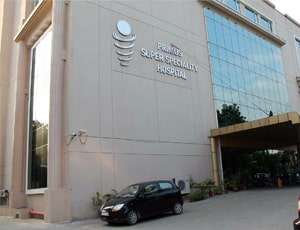
Primus Super Speciality Hospital
Delhi, India
Primus Super Speciality Hospital located in New Delhi, India is accredited by NABH. Also listed below are some of the most prominent infrastructural details:
- There are as many as 130 hospital beds.
- The total number of hospital beds is inclusive of the 18 ICU Beds in Primus Hospital.
- Operation theatres in the hospital have been equipped with the latest technologies.
- There is 24/7 hour emergency and trauma response and care.
- 64 slice spirals as well as Cardiac CT Scan are present.
- International patient care facilities are available such as accommodation, flight booking, airport transfer, and interpreters.

nanavati Super Speciality Hospital
Mumbai, India
Nanavati Super Speciality Hospital located in Mumbai, India is accredited by NABH. Also listed below are some of the most prominent infrastructural details:
- Capacity of 350 beds
- 75 Critical Care Beds
- 11 Operation Theatres
- 24/7 Catheterization Lab for interventional cardiac services.
- The hospital has a total of 1500 staff with over 350 consultants, 100 resident doctors and 0ver 400 nursing staff.
- Special services to international patients including airport transfer, travel and accommodation booking for attendants, appointments, hospital logistics etc.
Our Services to better your experience
Opinion & Option
We submit the most accurate opinion and options from one or more countries for your review
Consult Privately
Consult with a certified specialist privately on our telemedicine platform even before you decide to travel
Logistics
We handle flights, visas, transfers, and accommodation—so you can focus on your health.
Recovery
Our In-house rehabilitation service packages to better your recovery and treatment outcome
Why Choose India for Polyendocrine Metabolic Ovarian Syndrome (PMOS) Treatment?
- Experienced specialists: Gynaecologists, endocrinologists, reproductive medicine specialists, dietitians, dermatologists, and other professionals can contribute to personalised care.
- Advanced diagnostic facilities: Hormone testing, metabolic assessments, pelvic ultrasound, fertility evaluation, and other investigations can help identify the clinical features and associated risks of PMOS.
- Personalised treatment: Treatment can be adapted according to menstrual symptoms, metabolic health, fertility goals, androgen-related symptoms, and individual preferences.
- Multidisciplinary care: PMOS management may involve gynaecology, endocrinology, reproductive medicine, nutrition, dermatology, and psychological support.
- International patient support: Many major Indian hospitals and fertility centres provide international patient services, including medical coordination, documentation, accommodation, travel assistance, and follow-up planning.