Parkinson's Disease Treatment in India
- Top Accredited Hospitals
- Global Medical Standards
- Cutting-Edge Technology
- Proven Treatment Options
- High Success Rate
- Trusted by Millions

What is Parkinson's Disease?
Parkinson's disease (PD) is a progressive neurological disorder that primarily affects movement. It involves the loss or dysfunction of dopamine-producing nerve cells, particularly in a brain region called the substantia nigra. Reduced dopamine contributes to symptoms such as tremor, stiffness, slowed movement, and balance problems. Parkinson's disease can also cause non-motor symptoms involving sleep, mood, cognition, blood pressure, bowel function and other body systems.
What is the Importance of Timely Treatment?
Parkinson's disease gradually changes over time, and early assessment can help identify symptoms, establish an appropriate treatment plan and address complications. Treatment can help control movement and non-motor symptoms, maintain independence and support quality of life. Early rehabilitation, exercise and regular neurological follow-up may also help patients manage functional changes as the disease progresses.
What are the Common Symptoms of Parkinson's Disease?
- Resting tremor, commonly beginning in one hand
- Slowness of movement (bradykinesia)
- Muscle stiffness or rigidity
- Balance and coordination problems
- Shuffling gait or reduced arm swing
- Difficulty turning or initiating movement
- Changes in posture
- Softer or less clear speech
- Reduced facial expression
- Smaller handwriting
- Constipation
- Sleep disturbances
- Fatigue
- Depression, anxiety or other mood changes
- Cognitive changes in some patients
Causes and Risk Factors of Parkinson's Disease
Causes
- The exact cause of Parkinson's disease is not fully understood. It is thought to result from a combination of genetic susceptibility and environmental factors. Most cases are sporadic, though some are linked to inherited or disease-related genetic changes.
- The loss of dopamine-producing neurons in the substantia nigra is a central feature of the disease.
Risk Factors
- Increasing age
- Family history of Parkinson's disease
- Certain genetic variants
- Male sex
- Long-term exposure to some environmental toxins or pesticides
- Previous head injury in some studies
- Other factors that may influence susceptibility
Latest Research and Technologies in the Treatment of Parkinson's Disease in India
- Treatment advances include deep brain stimulation (DBS) for appropriately selected patients with medication-responsive motor symptoms, as well as MRI-guided focused ultrasound for selected patients with disabling tremor. Advanced levodopa delivery approaches, including intestinal infusion, may be considered for some patients with advanced disease and significant motor fluctuations. Research continues into disease-modifying therapies and biomarkers that could identify Parkinson's disease earlier and monitor progression.
Treatment options for Parkinson's Disease
Medicines for Symptom Control: Dopamine agonists and other medicines can help manage movement symptoms. Treatment is adjusted over time according to symptom response and side effects.
Deep Brain Stimulation (DBS) : DBS uses implanted electrodes to deliver controlled electrical stimulation to specific brain areas. It may help selected patients whose motor symptoms remain inadequately controlled with medication.
Cost Start From 14400Explore Options
Gamma Knife radiosurgery : A non-invasive surgical option used to treat severe, drug-resistant Parkinsonian tremors through a targeted thalamotomy rather than treating the disease itself. Gamma Knife is reserved for high-surgical-risk patients needing one-sided tremor relief.
Cost Start From 5000Explore Options
Advanced Medication Delivery: Selected patients with advanced Parkinson's disease may benefit from continuous levodopa delivery systems or other advanced treatment approaches to reduce fluctuations in symptom control.
Multidisciplinary and Supportive Care: Neurology, physiotherapy, occupational therapy, speech therapy, nutrition and psychological support may be combined to address both motor and non-motor symptoms.
- Clinical assessment:
- There is no single routine test that independently confirms Parkinson's disease. Diagnosis is primarily based on the patient's medical history, symptoms and neurological examination.
- A movement-disorder neurologist may assess tremor, rigidity, bradykinesia, gait, balance, coordination and response to Parkinson's medicines. Follow-up assessments may be needed because symptoms can evolve over time.
- Detailed medical and family history
- Neurological and physical examination
- Assessment of motor and non-motor symptoms
- Medication-response assessment when appropriate
- Blood or laboratory tests to exclude other causes
- Genetic testing in selected patients, particularly with early-onset or strong family history
- Cognitive and functional assessment when indicated
- Imaging Tests:
- MRI Brain: May help exclude structural conditions that can mimic Parkinsonian symptoms.
- CT Scan: May be used when another neurological or structural disorder needs evaluation.
- Dopamine Transporter (DAT) Scan: Can support the evaluation of suspected Parkinsonism in selected cases, particularly when the diagnosis is uncertain.
- PET/SPECT Imaging: May be considered in specialised circumstances to assess brain function or dopamine pathways.
- Alpha-Synuclein Testing: Emerging biomarker-based testing can detect abnormal alpha-synuclein in selected samples and may support biological diagnosis, but it is not yet a replacement for clinical assessment.
MediRehab (a chain of Rehab centres, part of MediGence) provides comprehensive rehabilitation services designed to support Parkinson's Disease patients in India. These services include:
- Physiotherapy: Exercise and targeted therapy can help maintain strength, flexibility, balance, walking ability and mobility.
- Occupational Therapy: Helps patients adapt daily activities, improve independence and use appropriate mobility or assistive devices when needed.
- Speech and Swallowing Therapy: Speech-language therapy can address changes in speech, voice and swallowing and help maintain communication and safe eating.
- Balance and Gait Training: Structured exercises can help patients work on turning, walking, posture and balance and may reduce functional limitations.
- Long-Term Multidisciplinary Support: Regular rehabilitation, nutritional guidance, psychological support and neurological follow-up can help manage changing motor and non-motor symptoms.
- Medicines aim to improve symptoms and maintain functional ability rather than cure Parkinson's disease. Medication selection and dosage require regular review because benefits and side effects can change as Parkinson's disease progresses.
Instantly Connect with our Specialists


Hospitals for Parkinson's Disease in India
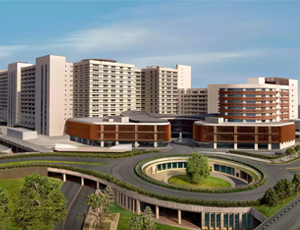
Amrita Hospital
Faridabad, India
Founded in 1998 by Mata Amritanandamayi (Amma), the Amrita Institute of Medical Sciences and Research Centre is one of India’s leading healthcare institutions, accredited by ISO, NABH, and NABL. With 2 branches, 7 medical colleges, and a network of 800+ doctors and 2,600+ beds, it offers comprehensive care across 81 specialties and 12 super-specialty departments, supported by 60+ modern operating theatres and 534 critical care beds. The Faridabad campus, a world-class multispeciality facility, houses advanced centers for oncology, neurosciences, cardiac sciences, gastro-sciences, mother and child care, and trauma care, along with India’s most comprehensive infectious disease unit. Guided by a mission of compassion and innovation, Amrita Hospitals combine cutting-edge medicine with humanitarian service to empower communities and promote holistic well-being.

Rajagiri Hospital
Kochi, India
- Rajagiri Hospital, Kochi, Kerala, is a leading multi-speciality tertiary care hospital known for providing world-class medical services with advanced technology and compassionate care.
- Accredited by JCI, NABH, and NABL, the hospital offers comprehensive treatment across specialities like Cardiology, Oncology, Neurology, Gastroenterology, Orthopaedics, Nephrology, Urology, and Paediatrics, making it a trusted healthcare destination in South India.

Gleneagles Hospital Mumbai
Mumbai, India
- Gleneagles Hospital, Parel, Mumbai, is a premier quaternary-care multispeciality hospital and a top destination for complex medical care in Western India.
- Renowned for multi-organ transplants and advanced surgeries, the hospital offers specialised treatment across Cardiology, Neurology, Gastroenterology, Hepatology, Nephrology, Urology, Orthopaedics, Critical Care, Interventional Radiology, Gynaecology, and General Medicine.
- Equipped with state-of-the-art diagnostic and surgical technology, including 3-Tesla MRI, 128-slice CT Scan, Bi-plane Cath Lab, and robotic surgery systems, Gleneagles provides integrated, patient-focused care.
- Its expert team of doctors, nurses, and support staff ensures high standards of safety, efficiency, and compassionate care, making it a trusted healthcare destination for patients in Mumbai and beyond.
Our Services to better your experience
Opinion & Option
We submit the most accurate opinion and options from one or more countries for your review
Consult Privately
Consult with a certified specialist privately on our telemedicine platform even before you decide to travel
Logistics
We handle flights, visas, transfers, and accommodation—so you can focus on your health.
Recovery
Our In-house rehabilitation service packages to better your recovery and treatment outcome
Why Choose India for Parkinson's Disease Treatment?
- Experienced Neurology Specialists: Patients can access neurologists and movement-disorder specialists experienced in managing Parkinson's disease and related movement disorders.
- Advanced Diagnostic Facilities: Major centres may provide neurological assessment, MRI, DAT imaging and specialised investigations for complex or uncertain cases.
- Advanced Treatment Options: Selected centres offer advanced therapies such as deep brain stimulation and other specialised approaches for appropriately selected patients.
- Multidisciplinary Rehabilitation: Physiotherapists, occupational therapists, speech therapists, nutrition specialists and psychologists can contribute to comprehensive care.
- International Patient Support: Major Indian hospitals may help with medical records, specialist appointments, treatment coordination, accommodation, and follow-up for international patients.