Parkinson’s Treatment in India
- Top Accredited Hospitals
- Global Medical Standards
- Cutting-Edge Technology
- Proven Treatment Options
- High Success Rate
- Trusted by Millions

What is Parkinson’s?
Parts of your brain degrade with Parkinson's disease, an age-related degenerative brain disorder. It is most famous for producing tremors, delayed movements, balance issues, and other symptoms. While some cases are hereditary, the majority occur for unexplained reasons. Although there is no cure for the illness, there are numerous treatment alternatives.
What can I expect if my father has Parkinson’s?
Seeing a parent deal with Parkinson's disease (PD) raises a lot of concerns about what lies ahead. Your father may have tremors and slower movements, which are signs of Parkinson's disease. He may have issues with balance and may fall, so he should be under continuous monitor.
What are the Common Symptoms of Parkinson’s?
Not everyone has Parkinson's disease in the same way. Individuals may have a variety of symptoms, and issues may develop gradually over time. Those who have Parkinson's disease may experience the following symptoms:
- Tremorous shaking
- Inflexibility (rigidity)
- Moving slowly (bradykinesia)
- A softer voice
- Handwriting that is smaller
- Pain in the body
- Experiencing tiredness
- Alterations in motivation and mood (apathy, anxiety, and depression)
- Clear thinking is difficult (cognitive changes)
Causes, Risk Factors and Complications of Parkinson’s.
CausesAs of right now, the only known causes of Parkinson's disease are hereditary, despite the fact that there are a number of known risk factors, such as pesticide exposure. Experts categorize Parkinson's disease as "idiopathic" when it isn't inherited. This indicates that they are unsure about the precise cause.
Many disorders that resemble Parkinson's disease are actually parkinsonism, which is a term used to describe illnesses that resemble Parkinson's disease, and they have a specific etiology, such as some mental health drugs.
Risk FactorsParticipating in high-impact activities like football or wrestling; gymnastics, diving, or surfing; having a family history of a neurological disorder; or having a history of cancer
ComplicationsPeople with Parkinson's disease may have other complications that may be treatable. These may include:
- Having trouble thinking straight. People with Parkinson's disease may experience difficulties with language, logic, and memory. Dementia or other disorders that impair thinking can also result from the disease. These issues typically arise later in Parkinson's disease, and medications typically only slightly improve these symptoms
- Depression and changes in emotions. In the early stages of Parkinson's disease, some persons may experience anxiety and agitation. They could also suffer from anxiety and sadness. These changes can be aided by medications and other forms of treatment
- Issues chewing and swallowing. Parkinson's disease in its advanced stages affects the mouth muscles. This makes it difficult to chew and swallow, which might result in inadequate dietary nutrient intake. Drooling or choking may result from food or saliva buildup in the mouth
- Issues and disorders related to sleep. Patients might experience frequent nighttime awakenings, nightmares, and daytime sleepiness. Rapid eye movement sleep behavior disorder could be an additional symptom.
Other signs and symptoms include:
- Issues with the bladder. You can be dealing with issues like urgency
- Constipation. You can find it difficult to pass stool. Less than three bowel movements per week is possible
- Changes in blood pressure. When you stand up, a sharp drop in blood pressure may cause you to feel lightheaded, dizzy, or even faint. Another name for this is orthostatic hypotension
- Odor loss. You can lose your sense of smell entirely or in part
- Fatigue. Particularly late in the day, you can feel extremely exhausted and lethargic
- Pain. Your joints and muscles can be hurting or cramping
- Symptoms of sexual activity. Your sexual performance or desire may decline.
Connect with our advisor for a PRIORITY response
Latest Research and Technologies in the Treatment of Parkinson’s in India.
In order to better manage Parkinson's disease (PD), researchers have created a targeted nano formulation that can aid in the prolonged release of a hormone called 17β-Estradiol.
A 17β-Estradiol (E2) imbalance in the human brain is the root cause of many neurodegenerative and psychiatric cancers, including Parkinson's disease (PD). However, proving E2's neurotherapeutic potential is hampered by its peripheral side effects and a lack of knowledge about its molecular mechanism.
Using Dopamine Receptor D3 (DRD3) coupled to 17β-Estradiol-loaded chitosan nanoparticles, researchers from the Institute of Nano Science and Technology (INST) Mohali, an independent institute of the Department of Science and Technology, were able to produce a sustained release of 17β-Estradiol (E2) into the brain.
Parkinson’s Prevention Tips
Parkinson's disease cannot be prevented. All people with Parkinson's disease must, nevertheless, make every effort to stay strong and healthy. According to research, adopting specific lifestyle changes can assist you in achieving two significant objectives:
- Improved symptom management
- Gradual development of the illness.
Treatment options for Parkinson’s
Deep Brain Stimulation: One surgical treatment for some elements of Parkinson's disease is deep brain stimulation (DBS). This potent treatment primarily treats Parkinson's disease movement symptoms as well as some drug adverse effects. Additionally, DBS may help with pain, urgency in the urine, sleep, and other non-motor complaints. It is crucial to remember that DBS cannot cure or halt the progression of the disease; it can only aid with symptom relief.
Cost Start From USD 25000 - USD 40000Explore Options
Using magnetic resonance imaging (MRI) and occasional recordings of brain cell activity, DBS surgery involves inserting electrodes into a specific region of the brain. An impulse generator battery (also known as an IPG), which is about the size of a stopwatch and resembles a heart pacemaker, is implanted during a second surgery. Targeted brain regions that regulate movement get electrical stimulation from the IPG, which is positioned in the belly or beneath the collarbone. A controller to turn the device on or off and check basic settings like battery life is provided to patients undergoing DBS surgery.
Vagal Nerve Stimulation: An established neurostimulation treatment for epilepsy, migraine, and cluster headaches is non-invasive vagus nerve stimulation (nVNS). In this randomized, double-blind, sham-controlled crossover study, we investigated how nVNS might help individuals with Parkinson's disease (PD) with their gait and other motor symptoms. We assessed a subset of patients' serum levels of specific neurotrophins as well as indicators of oxidative stress and inflammation both before and after the experimental intervention.
Cost Start From USD 20000 - USD 25000Explore Options
As of right now, Parkinson's disease cannot be identified by a specific test. A neurologist, a medical professional with training in disorders of the neurological system, makes the diagnosis. Your medical history, a review of your symptoms, and a neurological and physical examination are used to make the diagnosis of Parkinson's disease.
The diagnosis of Parkinson's disease may take some time. In order to assess your status and symptoms over time and identify Parkinson's disease, medical providers may advise routine follow-up meetings with neurologists who specialize in movement disorders.
Among neurodegenerative diseases, Parkinson's disease (PD) is the second most prevalent. There are currently few effective disease-modifying treatments for Parkinson's disease, despite the fact that dopaminergic medications are the cornerstone for reducing its symptoms. More focus must be made on rehabilitation that can delay the progression of the disease in conjunction with pharmaceutical therapy, given the rising prevalence of Parkinson's disease (PD) and the swift shift to an aging society.
We provide an update on the research on rehabilitation programs for speech, swallowing, and motor function issues in Parkinson's disease in this review. It has been demonstrated that aerobic exercise, music therapy, dancing, virtual reality, and non-invasive brain stimulation enhance motor function. Telerehabilitation may possibly be a viable treatment option for Parkinson's disease. Recent research has demonstrated the efficacy of Lee Silverman Voice Treatment for speech issues and expiratory muscle strengthening exercises for swallowing difficulties, respectively.
Dopamine levels in the brain are low in those with Parkinson's disease. However, because dopamine cannot enter the brain, it cannot be administered directly. Starting treatment may result in a dramatic improvement in your symptoms. Patient might be prescribed the following medications:
- Levodopa-carbidopa: The best medication for Parkinson's disease is levodopa. It is a naturally occurring substance that enters the brain and transforms into dopamine. Carbidopa and levodopa are combined to help levodopa get to the brain and to prevent or reduce adverse effects including nausea.
- Nausea and orthostatic hypotension, or lightheadedness when standing, are possible side effects. Dyskinesia, or involuntary movements, can result from higher levodopa dosages. Patients might need to reduce or modify your dosage if this occurs.
Instantly Connect with our Specialists


Hospitals for Parkinson’s in India
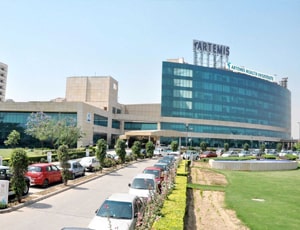
Artemis Health Institute
Gurgaon, India
Artemis Hospital, established in 2007 in Gurgaon, India, is a 750+ bed, state-of-the-art multi-speciality hospital and the first in Gurgaon accredited by JCI and NABH. A flagship of the Apollo Tyres Group, it offers advanced care across cardiology, oncology, orthopaedics, neurology, and transplant medicine, supported by modern infrastructure and 60+ world-class operating theatres. Its Centres of Excellence span critical areas like heart, cancer, neurosciences, orthopaedics, and women & child care. Guided by values of Service, Compassion, and Integrity, Artemis combines innovation, technology, and affordability, making it a trusted international healthcare destination for comprehensive and compassionate patient care.
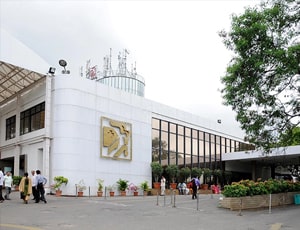
Apollo Hospitals
Hyderabad, India
Apollo Hospitals located in Hyderabad, India is accredited by JCI, NABH. Also listed below are some of the most prominent infrastructural details:
- A premier multi-specialty hospital with 477-bed capacity
- More than 50 specialties, super-specialties
- 12 Centers of Excellence
- The Institutes for Heart Diseases, Neurosciences, Cancer, Emergency, Orthopaedics, Renal Diseases, and Transplants
- Centers of Excellence are known for patient care, training and research
- Doctors with years of truly global experience in healthcare delivery

Medanta - The Medicity
Gurgaon, India
Medanta – The Medicity, Gurugram, founded by renowned cardiac surgeon Dr. Naresh Trehan, is a leading multi-super speciality hospital offering advanced yet affordable healthcare. Spread across a 43-acre campus, it houses 1,391 beds, 270 ICU beds, 40 operation theatres, and 900+ doctors across 30+ specialities. Accredited by JCI, NABH, and NABL, Medanta is designed per American Institute of Architects’ healthcare guidelines. Recognised as the Best Private Hospital in India (2020–2025) and among the World’s Top 250 Hospitals (Newsweek 2024), it excels in Cardiac Care, Cancer, Neurosciences, Gastro, Orthopaedics, and Renal Care, ensuring world-class, collaborative, and compassionate treatment.
Our Services to better your experience
Opinion & Option
We submit the most accurate opinion and options from one or more countries for your review
Consult Privately
Consult with a certified specialist privately on our telemedicine platform even before you decide to travel
Logistics
We handle flights, visas, transfers, and accommodation—so you can focus on your health.
Recovery
Our In-house rehabilitation service packages to better your recovery and treatment outcome
Why Choose India for Parkinson’s Treatment?
Here are some of the reasons for choosing India:
Due to advancements in medical facilities, such as minimally invasive surgical techniques.
- World-class experts include highly experienced doctors, JCI, and NABH-accredited healthcare institutions.
- Compared to other countries, treatment in Indian hospitals is cost-effective.
- Indian hospitals provide international patient services, including a multilingual support system
- Improved treatment methods and biological therapies
Frequently Asked Questions
Although there is no cure for Parkinson's disease, medications can help manage its symptoms. Often, medications are highly effective. Surgery may be necessary for certain people when medication is no longer effective. Additionally, your medical staff might suggest speech therapy, physical therapy that emphasizes flexibility and balancing, and aerobic activity.
Levodopa is still the major drug used to treat Parkinson's disease in India. It works by raising dopamine levels in the brain, which significantly reduces symptoms for a large number of patients. Some large Indian hospitals provide cutting-edge therapies like Vagus Nerve Stimulation and Deep Brain Stimulation, which have the potential to enhance motor function and halt the progression of disease. Physical therapy, occupational therapy, and speech therapy are also utilized in rehabilitation to manage Parkinson's symptoms and enhance everyday functioning.
Yes, many Indian hospitals offer the following for Parkinson’s treatment:
- Advanced diagnostic tools like MRI, CT scan, electromyography, and PET scan for accurate Parkinson’s diagnosis
- Skilled neurologist and therapist
- Advanced Deep Brain Stimulation and Vagal Nerve Stimulation procedures for Parkinson’s
- Comprehensive post-surgery care and rehabilitation for long-term health benefit.
Always consider the following factors when selecting Indian hospitals:
- Hospitals that are accredited (authorised by JCI and NABH).
- Patient reviews and success rates.
- Hospitals that provide seamless care to patients from abroad.
In general, Parkinson’s treatment has much improved in India. When using standard medications and therapies like physical therapy, India's treatment success rates are thought to be comparable to those of other developed nations. Many patients, especially in the early stages, experience significant symptom management; however, the availability of advanced treatments like Deep Brain Stimulation (DBS) and vagal nerve stimulation affects the overall success of treatment.
You have to be on a lookout for the following symptoms and then take them to a physician for further diagnosis and treatment.
- If your parent has Shaking or tremor in a limb that occurs while it is at rest
- Stiffness or rigidity of the arms, legs, or trunk
- Trouble with balance and falls
As the illness worsens, some patients may get dementia and be given a Parkinson's dementia diagnosis, which is a kind of Lewy body dementia. Individuals suffering from Parkinson's dementia may experience severe cognitive and memory impairments that interfere with day-to-day functioning.
It can be difficult to have a parent with Parkinson's, particularly when the illness worsens. You might not know how to proceed or what to anticipate. There are numerous possibilities, including senior living facilities, at-home care, assistive technology, and medications. You should keep an eye on them and ensure that they take their medications as directed by their doctor.

Reviewer
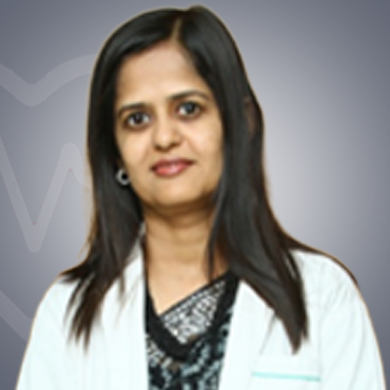
Dr Sonal Gupta
Neurosurgeon
29 Years of Experience
Dr. Sonal Gupta has an experienced neurosurgeon with more than 29+ years of clinical expertise. She is currently the Director, Neuro & Spine Surgery at Fortis Hospital, Shalimar Bagh. Before joining Fortis, she has been associated with various organizations such as Maharaja Agrasen Hospital, Action Balaji Hospital, and Max Hospital. View More
Last Reviewed - January 2026