Pancreatic Neuroendocrine Tumors Treatment in Malaysia
- Top Accredited Hospitals
- Global Medical Standards
- Cutting-Edge Technology
- Proven Treatment Options
- High Success Rate
- Trusted by Millions

What are Pancreatic Neuroendocrine Tumors?
Pancreatic neuroendocrine tumours (PNETs) are a rare group of tumours arising from the neuroendocrine cells of the pancreas that produce hormones, including insulin, glucagon, somatostatin, etc. These tumours may be benign or malignant, and they usually grow more slowly than other pancreatic tumours, most notably pancreatic adenocarcinoma.
What is the Importance of Timely Treatment?
- Improved Prognosis: The chances of curing or controlling the disease are substantially better with treatment when detected early, including surgical tumour removal. Early interventions lead to long-term survival in localised tumours.
- Preventing Complications: PNETs can lead to complications like hormonal imbalances (e.g., hypoglycemia in insulinomas), pain, or jaundice. Prompt intervention treats the tumours to relieve symptoms and prevent serious complications.
- Reduced Risk of Metastasis: Early diagnosis increases the possibility of metastasis to some distant organs. However, timely therapy can prevent the tumour from progressing and spreading to various organs like the liver.
- Better Life: Early treatments will help control symptoms, pain, and discomfort caused by more extensive or invasive tumours.
What are the Common Symptoms of Pancreatic Neuroendocrine Tumors?
- Hypoglycemia (Low Blood Sugar)
- Hyperglycemia (High Blood Sugar) or Diabetes
- Abdominal Pain
- Unexplained Weight Loss
- Jaundice
- Nausea and Vomiting
- Fatigue
- Palpitations or Rapid Heartbeat
Causes and Risk Factors of Pancreatic Neuroendocrine Tumors
Causes
- Genetic Mutations
- Endocrine Disruptions
- Sporadic Development
Risk Factors
- Genetic Syndromes
- Age
- Family History
- Hormonal Imbalances
- Environmental Factors
Connect with our advisor for a PRIORITY response
Latest Research and Technologies in the Treatment of Pancreatic Neuroendocrine Tumors in Malaysia
Pancreatic neuroendocrine tumors (PanNETs) in Malaysia are coming under treatments based on a blend of classical and new methods. Laparoscopic and robotic-assisted surgeries are becoming more common approaches. In distant metastasis or tumors not amenable to surgery, targeted therapies are employed for anti-tumour growth activity. Advanced imaging techniques help localise and assess the tumor accurately. Interdisciplinary treatment planning teams, consisting of the oncologist, surgeon, radiologist, and endocrinologist, actively work together to develop individual treatment plans. Thus, patients participating in international clinical trials will have early access to novel therapies to aid global understanding.
Pancreatic Neuroendocrine Tumors Prevention Tip:
- Genetic Counseling and Screening: Normal screening and genetic counselling are preventive measures in the timely diagnosis of PNETs for people with a familial history of genetic syndromes, such as MEN1 or von Hippel-Lindau disease.
- Healthy lifestyle choices: Consume a healthy, balanced diet full of fresh fruits, vegetables and whole grains while reducing the levels of processed foods and red meat.
- Avoid Smoking: Smoking is a known carcinogen in most cancers, including the pancreatic types and possibly the PNETs.
- Confirming early detection for high-risk individuals: Individuals with a familial history of endocrine tumours are offered, subject to regular imaging and blood tests to check for possible tumours.
- Management of chronic pancreatitis: Chronic pancreatitis can be managed effectively by medical treatment as it prevents possible PNET development.
Treatment options for Pancreatic Neuroendocrine Tumors
The medical treatment for Pancreatic Neuroendocrine Tumors requires evaluating the patient's severity and medical condition. The following are the treatment options:
Surgical Resection: Surgical tumour removal is the most effective treatment option for localised PNETs. Thus, surgery provides the best chance of cure or long-term control in the case of a tumour localised to the pancreas.
Targeted Therapy : Targeted therapies inhibit tumour growth in advanced-stage or metastatic PNET cases. These therapies help slow down disease progression and enhance survival.
Cost Start From USD 2000 - USD 10000Explore Options
Chemotherapy: Chemotherapy with medications is used in aggressive or metastatic PNETs. Chemotherapy is most often used when surgery or targeted therapy proves ineffectual in curbing the disease.
Cost Start From USD 1500 - USD 3500Explore Options
Whipple Procedure (Pancreaticoduodenectomy) : This procedure is performed for localised and resectable tumours. It is intended for functional or non-functional PNETs localised within the pancreas.
Cost Start From USD 25000 - USD 50000Explore Options
Stereotactic Radiotherapy (SRT) is the treatment modality for localised, inoperable, or metastatic PNETs when surgery is not performed. It is also for patients who cannot undergo surgery or whose disease has already spread to other sites.
Cost Start From USD 3000 - USD 8000Explore Options
CyberKnife : The CyberKnife system is typically beneficial in managing small to medium-sized tumours that have proven inoperable, are subject to difficult surgical excision, or have metastasised into surrounding organs or tissue planes.
Cost Start From USD 7000 - USD 15000Explore Options
Proton Therapy : Proton therapy is for such out-of-sight or inoperable PNETs. Given its significance in tumours near critical structures such as blood vessels or the spine, it is also applicable in treatment for metastatic PNETs when the cancer has spread elsewhere.
Cost Start From USD 40000 - USD 100000Explore Options
These are the standard diagnostic methods for diagnosing Pancreatic Neuroendocrine Tumors:
Imaging Studies
- CT Scan: This is one of the most common imaging techniques used for PNET detection, i.e. determining tumour size, location, and evidence of metastasis, if any, especially to the liver or lymph nodes.
- MRI generates high-definition images of the pancreas, particularly for delineating soft tissue and assessing the extent of the tumour.
- Endoscopic Ultrasound: Provides even better imaging of the pancreas and surrounding structures and allows guidance for fine-needle aspiration (FNA) to acquire biopsy samples.
- Positron Emission Tomography: It plays a vital role in tracking a radioactive glucose analogue to locate areas of high metabolic activity associated with malignant tumours.
Biopsy
- Fine Needle Aspiration: Fine needle aspiration techniques, usually done following some imaging modality that indicates tumour presence, are said to be concurrent with an essential ultrasound study, during which tissue samples are taken for histopathological examination, thus confirming the diagnosis of PNETs.
- Core Needle Biopsy: A small core needle biopsy can be performed to obtain a tissue sample if a more definitive diagnosis is needed.
Blood Tests
- Tumour Markers: Serum tumour markers such as chromogranin A (CgA) and pancreatic polypeptide (PP) can be other means of blood work to diagnose PNETs; elevated levels strongly suggest the presence of neuroendocrine tumours in the patient.
Somatostatin Receptor Scintigraphy (SRS)
- Octreotide Scan: This technique uses radioactive tracers bound to somatostatin to detect somatostatin receptors on neuroendocrine tumour cells. It is generally applicable in detecting localised, nonmetastatic PNETs amenable to surgical intervention.
MediRehab (a chain of Rehab centres, part of MediGence) provides comprehensive rehabilitation services to support patients through Teleconsulations and online therapy sessions.
- Rehabilitation following Surgery: Postoperative rehabilitation aims to help patients return to their daily lives after surgical tumour excision by regaining strength and improving mobility.
- Lifestyle modification: Nutritional counselling is a must for patients, especially after pancreatic surgery, as they will experience some digestive problems due to the diminished function of the pancreas.
- Pain Management: For those who experience pain after treatment, especially surgery or chemotherapeutic agents, it will be helpful to return to pain management therapy after these therapies.
- Hormone and Endocrine Therapy: Patients with functional PNETs (producing excess hormones) may require hormonal therapy to manage their symptoms of hypoglycemia, gastric issues, etc.
- Psychosocial Support: A diagnosis of cancer creates a stir in the mind and soul of a patient. Counselling, support groups or any form of mental help assists patients and families in bearing the emotional aspects of this disease, PNET.
Instantly Connect with our Specialists


Hospitals for Pancreatic Neuroendocrine Tumors in Malaysia
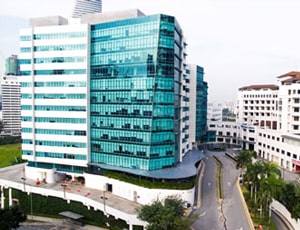
Parkway Pantai
Kuala Lumpur, Malaysia
Parkway Pantai located in Kuala Lumpur, Malaysia is accredited by JCI. Also listed below are some of the most prominent infrastructural details:
- Capacity of 335 beds
- 200+ specialist Doctors
- Critical Care Unit
- Neonatal Intensive Care Unit
- Operating Theatre
- International Patient Care Center
- Types of rooms available- Premier Suite, Supreme Suite, Deluxe Single Room, 2-bedded room, 4-bedded room, Deluxe Suite, Premier Single room, and Supreme Single room

Sunway Medical Centre
Kuala Lumpur, Malaysia
Sunway Medical Centre has initiated a comprehensive expansion plan close to its current hospital facility to enhance its ability to provide services to the global market. The new Cancer Radiosurgery Center and Nuclear Medicine Center, which will also house additional Centers of Excellence like the Digestive Health Center and Dialysis Center, marked the completion of Tower C's first phase in October 2016.

Damansara Specialist Hospital, Petaling Jaya
Petaling Jaya, Malaysia
- KPJ Damansara Specialist Hospital offers specialised healthcare across cardiology, oncology, orthopedics, neurology, gastroenterology, nephrology, women’s health, pediatrics, ENT, and minimally invasive surgery. The hospital provides advanced diagnostics, rehabilitation, cardiac care, neurosurgery, wellness programs, and preventive healthcare supported by multidisciplinary specialists and patient-centred clinical protocols. Equipped with modern medical technologies and safety-driven systems, it focuses on evidence-based treatment, personalised care planning, and quality healthcare delivery
Our Services to better your experience
Opinion & Option
We submit the most accurate opinion and options from one or more countries for your review
Consult Privately
Consult with a certified specialist privately on our telemedicine platform even before you decide to travel
Logistics
We handle flights, visas, transfers, and accommodation—so you can focus on your health.
Recovery
Our In-house rehabilitation service packages to better your recovery and treatment outcome
Why Choose Malaysia for Pancreatic Neuroendocrine Tumor Treatment?
- Advanced Oncology Centres: Malaysia boasts children’s hospitals with modern procedures for ACC.
- Expert Multidisciplinary Teams: Pediatric oncologists, surgeons, and radiologists cooperate to provide customised treatment.
- Minimally Invasive Surgery Options: Robotic and laparoscopic surgeries guarantee the fastest recovery with minimum scarring.
- Affordable World-Class Treatment: Medical care in Malaysia is high-standard yet more affordable than in other countries.
- Internationally accredited hospitals: JCI-accredited facilities treat cancer according to international protocols for safety and efficacy.
Frequently Asked Questions
Yes, surgeries in robotic and laparoscopic procedures are practised primarily for faster recovery.
The duration of treatment varies according to tumor type and stage but usually lasts several weeks to several months.
The prognosis of PNETs is based on the tumour's size, location, functional status, and the presence of metastases. Early detection and surgery are the best options for offering a good prognosis, whereas therapies must be combined with advanced or metastatic cases to manage PNETs.
Most PNETs are sporadic, although they can be combined with some genetic conditions, such as MEN1 syndrome and von Hippel-Lindau disease. Individuals with family histories of these conditions might require genetic counselling and regular screening.
Currently, there is no known preventive measure against PNETs. A healthy lifestyle that avoids smoking and genetic screening for higher-risk individuals can contribute to early detection and improved management of the disease.
Even after treatment, the PNETs can recur depending on whether the tumour was removed entirely or metastasised. Regular follow-up scans and monitoring are very crucial to detect recurrences at an early stage.
The treatment method used will determine the long-term effects. Surgical recovery can cause digestive problems, chemotherapy has intermediate side effects such as nausea and lethargy, and targeted therapies can cause skin rashes or fatigue. Regular follow-up care must ensure monitoring for recurrence or complications.
A nutritious diet, physical exercise, and abstinence from alcoholic beverages and smoking may enhance a patient's health. Hormone-secreting tumours may also require an individual to follow directed medical advice in managing portions of low blood sugar or digestive issues.
Malaysia has become well-known for second medical opinions: expert specialists, state-of-the-art diagnostic resources, and most of all, low cost. Efficient international patient services have very short waiting times. Medigence provides this service worldwide. To know more, visit our website.

Reviewer

Dr. Pradeep Jain
General & Laparoscopic Surgeon
33 Years of Experience
Dr. Pradeep Jain has completed his MBBS, MS - General Surgery, MCh - Surgical Gastroenterology/G.I. Surgery, and MCh - Surgical Oncology. He is a GastroIntestinal Surgeon, General Surgeon, Surgical Oncologist, Bariatric Surgeon par excellence with total experience of 36 years of which about 33+ years have been as a specialist View More
Last Reviewed - January 2026