Olfactory Neuroblastoma Treatment in Thailand
- Top Accredited Hospitals
- Global Medical Standards
- Cutting-Edge Technology
- Proven Treatment Options
- High Success Rate
- Trusted by Millions

What is Olfactory Neuroblastoma?
A tumor that develops in the nasal cavity is called olfactory neuroblastoma, also known as esthesioneuroblastoma. The sensation of smell is produced by neurons and other tissue in the nasal cavity. This kind of tumor begins in the nasal cavity and can grow into the nearby eyes and brain. Olfactory neuroblastoma can potentially extend to other regions of the body, including the neck, lungs, and bones.
What can I expect if my parents have Olfactory Neuroblastoma?
The following warning signs and symptoms could be markers of olfactory neuroblastoma. Watery eyes, nosebleeds, congestion or stuffiness that worsens or persists, nose obstruction, postnasal drip, or nasal discharge in the throat, and eye pain, pus from the nose, numbness in the face or teeth, loose teeth, diminished smell, or changes in eyesight, • Problem opening the mouth; • Pain or pressure in the ears; • Enlarged neck lymph nodes
What are the Common Symptoms of Olfactory Neuroblastoma?
Symptoms of olfactory neuroblastoma include:
- Loss of smell perception
- Nosebleeds that happen often
- Breathing through the nose with difficulty
- As the cancer spreads, it may result in headaches, ear pain, vision loss, and eye pain
Causes, Risk Factors and Complications of Olfactory Neuroblastoma
Causes
The precise cause of olfactory neuroblastoma has not been determined by experts. Generally speaking, DNA alterations in cells cause cancer. The instructions that inform a cell what to do are encoded in its DNA. The modifications instruct the cells to rapidly produce a large number of new cells. When healthy cells would normally die, the alterations allow the cells to survive. Too many cells are produced as a result.
The cells may accumulate into a mass known as a tumor. Healthy body tissue may be invaded and destroyed by the tumor as it grows. Cells may eventually separate and disperse throughout the body.
Risk Factors
It is thought to be a major risk factor to work in areas where one is exposed to wood dust, metal dusts (nickel, cadmium), wheat, glues, formaldehyde, and other solvents. Olfactory neuroblastoma risk may also be raised by exposure to tobacco smoke.
Complications
The complications of Olfactory Neuroblastoma include:
- Blockage of the nose
- Pain and pressure in the sinuses
- Epistaxis (bleeding noses)
- Pain in the face
- Eye discomfort and enlargement
- Issues with vision
- Numbness in the face
- Excruciating headaches
- Convulsions
- Impairment of cognition
- Unbalanced hormones (SIADH)
- Spreading to other organs, or metastasis: Participation of lymph nodes, metastases to the bones and metastasis to the liver
Connect with our advisor for a PRIORITY response
Latest Research and Technologies in the Treatment of Olfactory Neuroblastoma in Thailand
By combining surgery and radiation therapy, Thailand has achieved notable progress in the treatment of olfactory neuroblastoma. Prominent medical facilities use cutting-edge endoscopic surgical methods to remove tumors precisely, lowering risks and enhancing patient results. Modern imaging techniques, such as PET-CT and MRI scans, help with precise diagnosis and therapy planning. Personalized care is ensured by a multidisciplinary strategy that includes radiologists, neurosurgeons, and oncologists.
Olfactory Neuroblastoma Prevention Tips
Although the precise origin of olfactory neuroblastoma is unknown, evidence points to a possible connection with chemical exposure. People who are exposed to dangerous chemicals and particles at work or through other activities are more likely to develop malignancies of the nasal cavity, according to research. Wood dust, wheat, glues, nickel and cadmium dust, formaldehyde, and other solvents are a few potential offenders. The development of an olfactory neuroblastoma may potentially be influenced by tobacco smoke. Steer clear of these chemicals as much as you can to protect yourself.
Treatment options for Olfactory Neuroblastoma
Chemotherapy: Chemotherapy may be used in situations when the tumor has migrated to other body areas. The most often prescribed chemotherapeutic medications for neuroblastoma include vincristine, carboplatin, doxorubicin, cyclophosphamide, and cisplatin.Typically, chemotherapy is a systemic treatment. This implies that the medications enter the bloodstream and travel throughout the body to kill cancer cells, including ones that may have separated from the main tumor. The medications can be administered intravenously (IV) or orally. The medications may occasionally be administered safely using a specialized tool known as a central venous catheter. When chemotherapy begins, it is often implanted during surgery and kept there until the end of the course of treatment.
Cost Start From USD 1000 - USD 6800Explore Options
Radiation therapy: Some olfactory neuroblastoma tumors may be treated with radiation therapy. Radiation therapy may be used as the primary treatment or to help lower the likelihood of tumor recurrence following surgery. The success rates for radiation therapy are 90–95% in stage I, 85–90% in stage II, and 75–80% in stage III. The patient is recommended to see the doctor for follow-up every three months following radiation therapy.
Olfactory neuroblastoma is diagnosed by examining the nasal cavity using a number of various scanning techniques. These consist of MRIs, CT scans, and X-rays. A biopsy may be performed by a physician to obtain further information. To ascertain the type of cancer present, a tissue sample is taken and examined under a microscope.
Since neuroblastoma occurs near important structures, patients may require rehab for the following reasons.
Patients may experience changes in their sense of smell due to the tumor's proximity to the olfactory nerves, necessitating olfactory training or adaption techniques. Dryness in the nasal passages is one of the adverse effects of radiation therapy that may necessitate the adoption of extra management techniques. exercises to enhance the function of the muscles of the face, control pain, and encourage the repair of soft tissues. addressing any speech issues that can result from the disruption of surrounding structures after surgery. activities that aid in retraining the sense of smell, if it has been severely compromised. Advice on controlling nutritional requirements in light of possible swallowing issues
The only treatment option is surgery, radiation therapy, and chemotherapy. The most often prescribed chemotherapeutic medications for neuroblastoma include vincristine, carboplatin, doxorubicin, cyclophosphamide, and cisplatin.
Instantly Connect with our Specialists


Hospitals for Olfactory Neuroblastoma in Thailand
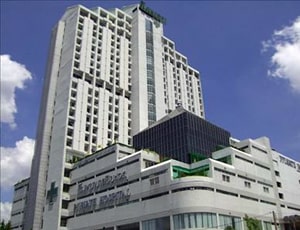
Piyavate Hospital
Bangkok, Thailand
Piyavate Hospital located in Bangkok, Thailand is accredited by JCI. Also listed below are some of the most prominent infrastructural details:
Medicine Centre: Piyavate Hospital provides advanced holistic treatment for their patients. They offer a complete range of services and physicians that specialize in various fields like the endocrine system, the nervous system, kidney function, cardiovascular care, respiratory and digestive system. They pride themselves for the familial care that they provide to their patients.
Fertility and In-Vitro Fertilization Centre: Helping the couples who walk into the Piyavate Hospital to achieve their dream of having a family. They have a medical team that specializes in male and female fertility. They offer consultation services, fertility check-up for both men and women and complete IVF services. They have advanced IVF cycle treatment facilities that offer a high rate of success.
Bone and Joint Institute: Piyavate Hospital houses one of the frontrunners in Orthopaedic health care in all of SouthEast Asia. They offer a wide range of services and surgeries in their bone and joint institute that include hand surgery, hip and knee replacement surgery, spinal cord surgery, upper extremity surgery, arthroscopic surgery and sports medicine.
Eye and Lasik Centre: Piyavate Hospital is fully equipped with the latest and most advanced technology for eye care and houses highly skilled ophthalmologists, sub-specialists and qualified nurses.
Physical Therapy and Rehabilitation Centre: One of the first hospitals to be equipped with the Hybrid Assistive Limb technology that will help a neurologically challenged patient to control the rehabilitation robot limb with a signal from their brain. The Physical Therapy and Rehabilitation Centre at Piyavate Hospital uses this system encourage patients to regain muscle memory to walk and function normally.
Amenities for Patient’s Family:
Piyavate Hospital also offers additional apartment facilities to house the kin of the patients who come to visit them from distant places. A restaurant, a flower shop and a café are a few of the other amenities provided by the hospital.
These are the most popular services offered by the Piyavate Hospital in Bangkok, Thailand. They also provide a plethora of other medical services that are listed below:
Diabetic Foot Centre
Check-up centre
Urology Centre
Heart Institute
Paediatric Centre
Obstetrics and Gynaecology Centre
Surgery Centre
Ear Nose Throat Centre
Haemodialysis Centre
Dental Centre
X-Ray Centre
Gastroenterology Centre
Cancer Centre
Neonatal Intensive Care Unit (NICU)
Emergency Services and Centre
Tele-medicine

Phyathai 2 International Hospital
Bangkok, Thailand
Phyathai 2 International Hospital located in Bangkok, Thailand is accredited by JCI. Also listed below are some of the most prominent infrastructural details:
- Fully equipped rooms are available for convenience of the patients- Gold B Room, Gold A Room, Pediatric Gold A, Platinum room, and Prestige ward
- Nearby accommodations are also available- Abloom Service Apartments, Bangkok Patio, VIB Best Western Sanam Pao, VIC3 Hotel
- Operating room
- International Patient Medical Center to assist overseas patients
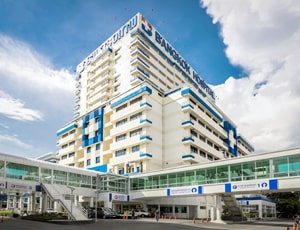
Bangkok Hospital
Bangkok, Thailand
Bangkok Hospital located in Bangkok, Thailand is accredited by JCI. Also listed below are some of the most prominent infrastructural details:
- It is recognised for the application of the newest healthcare technology.
- Blood analysis center that is not just the best in Thailand but in Asia Pacific as well.
- Biomolecule center that is the seed of healthcare equipment for Thailand and overseas.
- International affiliations and collaborations with universities and hospitals in Japan and the United States of America.
- 11 hospitals are recognised as Centers of Excellence.
- Known excellence in Trauma, Orthopedics, Cardiovascular, Neurology as well as Cancer Care.
- There is a proper streamlined patient services process followed in Bangkok Dusit Medical Services, Bangkok, Thailand.
- A well developed research center showcases the intent of the organisation to provide research based treatment opportunities to the patients.
- The group has several Medical industry partnerships as well to ensure healthcare solutions.
Our Services to better your experience
Opinion & Option
We submit the most accurate opinion and options from one or more countries for your review
Consult Privately
Consult with a certified specialist privately on our telemedicine platform even before you decide to travel
Logistics
We handle flights, visas, transfers, and accommodation—so you can focus on your health.
Recovery
Our In-house rehabilitation service packages to better your recovery and treatment outcome
Why Choose Thailand for Olfactory Neuroblastoma Treatment?
Here are some of the reasons for choosing Thailand:
Due to advancements in medical facilities, such as minimally invasive surgical techniques.
- World-class experts include highly experienced doctors, JCI accredited healthcare institutions.
- Compared to other countries, treatment in Thailand hospitals is cost-effective.
- Thailand hospitals provide international patient services, including a multilingual support system.
- Improved treatment methods and biological therapies.
Frequently Asked Questions
Yes, a group of specialists including radiation oncologists, neurosurgeons, and head and neck surgeons collaborate to create a customized treatment plan for each patient. With treatment, the majority of patients with olfactory neuroblastoma recover.
With skilled neurosurgeons, oncologists and cutting-edge medical technology, Thailand has demonstrated significant success rates in treating olfactory neuroblastoma. The nation's healthcare institutions offer top-notch treatment alternatives, guaranteeing successful outcomes for many patients.
Yes, many Thailand hospitals offer the following for olfactory neuroblastoma treatment:
- Advanced diagnostic tools like MRI, CT scan, electromyography, and PET scan for accurate neurofibroma diagnosis.
- Skilled neurologist, oncologist and surgeons for olfactory neuroblastoma.
- Advanced radiation therapy and chemotherapy procedures.
- Comprehensive post-surgery care and rehabilitation for long-term health benefit.
Always consider the following factors when selecting Thailand hospitals:
- Hospitals that are accredited (authorised by JCI).
- Patient reviews and success rates.
- Hospitals that provide seamless care to patients from abroad.
In general, olfactory neuroblastoma treatment has much improved in Thailand. The success rate largely depends on how early diagnosis is made. The 5-year overall survival for olfactory neuroblastoma has been reported to be between 70% to 90%, indicating a positive long-term survival rate. Recurrence is common, though, with a 10-year disease-free survival rate recorded.
You need to keep an eye out for the following signs in them:
- Obstruction of the nose or difficulty breathing through it
- Bleeding noses
- Eye bulge or pain around the eyes
- A headache
- Runny nose and nasal leakage (postnasal drip)
- Congestion or stuffiness that doesn't improve or grows worse
- Eyes that are watery
- Vomit from the nose
- Numbness in the face or teeth
- Anosmia, or a diminished sense of smell, loose teeth
- Vision loss or alteration
- Having two eyes
- Pressure or pain in the ears
- Having difficulty expanding your mouth
- Neck lymph node enlargement
Patients with Olfactory Neuroblastoma may experience long-term consequences such as irreversible loss of smell (anosmia), changes in vision, cognitive impairment, and the possibility of spread of tumor to other parts of the body.
- The most likely course of treatment for your parent with neuroblastoma is combination of surgery with radiation and/or chemotherapy:
- After surgery, adhere to your doctor's instructions. After surgery, you should pay particular attention to areas of skin that have been stitched or stapled
- Consult your provider as advised. To help prevent problems from this illness, follow-up visits are crucial
- Be mindful of the symptoms. Inform your healthcare physician right away if you observe your parents exhibiting a recurrence of an olfactory neuroblastoma
- Consult doctor to provide postoperative rehab therapy to regain most of the function of smell and other associated organ functions
Yes, you can see top neuro hospitals and doctors in Thailand for a second opinion on Seizures treatment. Numerous prestigious medical facilities consult with skilled doctors who will examine your diagnosis and suggest the best course of action.

Reviewer

Dr. Mohit Agarwal
Medical Oncologist
14 Years of Experience
One of the finest Oncologist in New Delhi, India, Dr. Mohit Agarwal has worked with several world class multidisciplinary hospitals over the years. Dr. Mohit Agarwal has over 14+ years of experience in his field. The doctor treats and manages a wide range of conditions such as Stomach Cancer, Rectal Cancer, Breast Cancer, Brain Cancer View More
Last Reviewed - January 2026