Nasal Polyps Treatment in Thailand
- Top Accredited Hospitals
- Global Medical Standards
- Cutting-Edge Technology
- Proven Treatment Options
- High Success Rate
- Trusted by Millions

What are Nasal Polyps?
Nasal polyps are soft, usually painless, non-cancerous growths that develop from the inflamed lining of the nasal cavity or paranasal sinuses. They are commonly associated with chronic rhinosinusitis with nasal polyps (CRSwNP), a long-lasting inflammatory condition. Small polyps may cause few symptoms, while larger or multiple polyps can obstruct nasal airflow, reduce the sense of smell, disturb sleep, and interfere with sinus drainage. Nasal polyps associated with CRSwNP commonly affect both sides of the nose.
What is the Importance of Timely Treatment?
Timely evaluation and treatment can relieve nasal obstruction, improve breathing and smell, control chronic sinus inflammation, and improve quality of life. Assessment may also identify associated conditions such as asthma and allergic rhinitis. Many patients can be managed with medication, while those with persistent symptoms despite appropriate treatment may require endoscopic sinus surgery or biologic therapy, depending on disease severity and eligibility.
What are the Common Symptoms of Nasal Polyps?
- Persistent blocked or stuffy nose
- Difficulty breathing through the nose
- Runny nose or nasal discharge
- Postnasal drip
- Reduced or complete loss of sense of smell
- Reduced sense of taste
- Facial pressure or fullness
- Headache or facial discomfort
- Recurrent sinus infections
- Snoring or disturbed sleep
- Mouth breathing
- A sensation of mucus in the throat
- Nasal voice or altered voice quality
- Fatigue related to chronic nasal and sinus symptoms
Causes and Risk Factors of Nasal Polyps
Causes
- The exact cause of nasal polyps is not fully understood. They are strongly associated with chronic inflammation of the nasal and sinus lining.
- Chronic rhinosinusitis with nasal polyps may involve type 2 inflammation and other immune pathways.
- Associated conditions, including asthma, allergic rhinitis, and aspirin-exacerbated respiratory disease, may contribute to the inflammatory process.
- Genetic susceptibility and certain underlying conditions may influence the risk of developing nasal polyps.
Risk Factors
- Chronic rhinosinusitis
- Asthma
- Aspirin-exacerbated respiratory disease or respiratory reactions to certain NSAIDs
- Allergic rhinitis, where present
- Family history of nasal polyps
- Cystic fibrosis, particularly in children and young people
- Certain immune or inflammatory disorders
- Genetic susceptibility to chronic sinonasal inflammation
Latest Research and Technologies in the Treatment of Nasal Polyps in Thailand
- Current management of chronic rhinosinusitis with nasal polyps (CRSwNP) combines medical treatment, endoscopic sinus surgery when indicated, and long-term monitoring. Intranasal corticosteroids and saline irrigation commonly control inflammation and relieve symptoms. Biologic therapies have expanded treatment options for selected patients with severe CRSwNP by targeting specific inflammatory pathways to reduce polyp size and nasal obstruction and potentially decrease the need for systemic corticosteroids or repeated surgery.
Treatment options for Nasal Polyps
Endoscopic Sinus Surgery : Consider functional endoscopic sinus surgery when symptoms and polyps remain uncontrolled despite appropriate medical treatment or when significant obstruction is present. The procedure uses an endoscope and specialised instruments through the nostrils to remove polyps and open blocked sinus passages.
Cost Start From 3250Explore Options
- Clinical assessment:
- Medical and Symptom History: Evaluation includes nasal blockage, discharge, postnasal drip, loss of smell, facial pressure, recurrent sinus infections, sleep disturbance, symptom duration, previous sinus surgery, medication use, allergies, asthma, aspirin or NSAID reactions, and other relevant medical conditions.
- Nasal and ENT Examination: An ENT specialist examines the nasal passages and surrounding structures for obstruction, inflammation, discharge, polyps, septal abnormalities, or other causes of nasal symptoms.
- Assessment of Associated Conditions: Clinicians may evaluate patients for asthma, allergic rhinitis, aspirin sensitivity, immune disorders, cystic fibrosis, or other conditions that may contribute to chronic sinonasal inflammation.
- Smell and Functional Assessment: Assess the sense of smell, nasal obstruction, sleep quality, and overall symptom burden to understand disease severity and monitor treatment response.
- Imaging Tests:
- CT Scan of the Paranasal Sinuses: Provides detailed information about the extent of sinus inflammation, polyp burden, blocked sinus drainage pathways, and relevant anatomical variations. It is particularly useful when surgery is being considered.
- MRI: May be used when there is an atypical presentation, concern about extension into surrounding structures, or a need to distinguish inflammatory polyps from other soft-tissue lesions.
- Nasal Endoscopy: Provides direct visualisation of the nasal cavity and sinus openings and is an important tool for diagnosis and follow-up.
- Allergy Testing: Consider skin-prick testing or blood-based allergy testing when allergic inflammation is suspected.
- Additional Testing: Blood tests, immune evaluation, or testing for conditions such as cystic fibrosis may be considered in selected patients, particularly children or patients with unusual or severe disease.
- Medicines for nasal polyps primarily aim to reduce inflammation, improve nasal breathing, shrink polyps, and control associated sinus disease. Intranasal corticosteroids such are commonly used as first-line medical therapy. Saline nasal irrigation may be used alongside topical treatment. Doctors may prescribe short courses of oral corticosteroids for significant or severe disease, while reserving antibiotics for appropriate bacterial infections rather than routine polyp treatment.
Instantly Connect with our Specialists


Hospitals for Nasal Polyps in Thailand
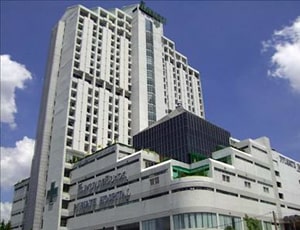
Piyavate Hospital
Bangkok, Thailand
Piyavate Hospital located in Bangkok, Thailand is accredited by JCI. Also listed below are some of the most prominent infrastructural details:
Medicine Centre: Piyavate Hospital provides advanced holistic treatment for their patients. They offer a complete range of services and physicians that specialize in various fields like the endocrine system, the nervous system, kidney function, cardiovascular care, respiratory and digestive system. They pride themselves for the familial care that they provide to their patients.
Fertility and In-Vitro Fertilization Centre: Helping the couples who walk into the Piyavate Hospital to achieve their dream of having a family. They have a medical team that specializes in male and female fertility. They offer consultation services, fertility check-up for both men and women and complete IVF services. They have advanced IVF cycle treatment facilities that offer a high rate of success.
Bone and Joint Institute: Piyavate Hospital houses one of the frontrunners in Orthopaedic health care in all of SouthEast Asia. They offer a wide range of services and surgeries in their bone and joint institute that include hand surgery, hip and knee replacement surgery, spinal cord surgery, upper extremity surgery, arthroscopic surgery and sports medicine.
Eye and Lasik Centre: Piyavate Hospital is fully equipped with the latest and most advanced technology for eye care and houses highly skilled ophthalmologists, sub-specialists and qualified nurses.
Physical Therapy and Rehabilitation Centre: One of the first hospitals to be equipped with the Hybrid Assistive Limb technology that will help a neurologically challenged patient to control the rehabilitation robot limb with a signal from their brain. The Physical Therapy and Rehabilitation Centre at Piyavate Hospital uses this system encourage patients to regain muscle memory to walk and function normally.
Amenities for Patient’s Family:
Piyavate Hospital also offers additional apartment facilities to house the kin of the patients who come to visit them from distant places. A restaurant, a flower shop and a café are a few of the other amenities provided by the hospital.
These are the most popular services offered by the Piyavate Hospital in Bangkok, Thailand. They also provide a plethora of other medical services that are listed below:
Diabetic Foot Centre
Check-up centre
Urology Centre
Heart Institute
Paediatric Centre
Obstetrics and Gynaecology Centre
Surgery Centre
Ear Nose Throat Centre
Haemodialysis Centre
Dental Centre
X-Ray Centre
Gastroenterology Centre
Cancer Centre
Neonatal Intensive Care Unit (NICU)
Emergency Services and Centre
Tele-medicine

Phyathai 2 International Hospital
Bangkok, Thailand
Phyathai 2 International Hospital located in Bangkok, Thailand is accredited by JCI. Also listed below are some of the most prominent infrastructural details:
- Fully equipped rooms are available for convenience of the patients- Gold B Room, Gold A Room, Pediatric Gold A, Platinum room, and Prestige ward
- Nearby accommodations are also available- Abloom Service Apartments, Bangkok Patio, VIB Best Western Sanam Pao, VIC3 Hotel
- Operating room
- International Patient Medical Center to assist overseas patients
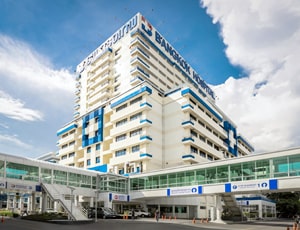
Bangkok Hospital
Bangkok, Thailand
Bangkok Hospital located in Bangkok, Thailand is accredited by JCI. Also listed below are some of the most prominent infrastructural details:
- It is recognised for the application of the newest healthcare technology.
- Blood analysis center that is not just the best in Thailand but in Asia Pacific as well.
- Biomolecule center that is the seed of healthcare equipment for Thailand and overseas.
- International affiliations and collaborations with universities and hospitals in Japan and the United States of America.
- 11 hospitals are recognised as Centers of Excellence.
- Known excellence in Trauma, Orthopedics, Cardiovascular, Neurology as well as Cancer Care.
- There is a proper streamlined patient services process followed in Bangkok Dusit Medical Services, Bangkok, Thailand.
- A well developed research center showcases the intent of the organisation to provide research based treatment opportunities to the patients.
- The group has several Medical industry partnerships as well to ensure healthcare solutions.
Our Services to better your experience
Opinion & Option
We submit the most accurate opinion and options from one or more countries for your review
Consult Privately
Consult with a certified specialist privately on our telemedicine platform even before you decide to travel
Logistics
We handle flights, visas, transfers, and accommodation—so you can focus on your health.
Recovery
Our In-house rehabilitation service packages to better your recovery and treatment outcome
Why Choose Thailand for Nasal Polyps Treatment?
- Experienced ENT and Rhinology Specialists: Major Thai hospitals may provide access to ENT specialists and rhinologists experienced in managing chronic sinus disease and recurrent nasal polyps.
- Advanced Diagnostic Facilities: Many centres offer nasal endoscopy, CT of the paranasal sinuses, MRI when required, allergy evaluation, and other investigations to determine the extent and underlying factors associated with nasal polyps.
- Minimally Invasive Treatment Options: Selected hospitals provide functional endoscopic sinus surgery and other endoscopic techniques for patients who do not obtain adequate relief from medical treatment.
- Comprehensive Medical Management: Patients may have access to intranasal corticosteroids, systemic treatment when appropriate, biologic therapy for selected severe CRSwNP, allergy and asthma management, and postoperative follow-up within a multidisciplinary care pathway.
- International Patient Support: Major Thai hospitals may provide medical-record review, specialist coordination, treatment scheduling, visa and travel assistance, accommodation support, interpretation, and follow-up services for international patients.
Frequently Asked Questions
Author

Pragun Gupta
Pragun Gupta is a Doctor of Pharmacy (Pharm. D.) professional from Teerthanker Mahaveer University with hands-on experience in clinical pharmacology, clinical research, and evidence-based medical writing. Through her clinical and research exposure, she has developed a strong interest in pharmacoeconomics, pharmacology, therapeutics, and pharmacovigilance.
As a medical writer, she works on medical and scientific research articles, patient education materials, and healthcare-focused content. Her clinical research and evidence-based writing experience enables her to translate complex medical information into clear, accurate, patient-friendly content while maintaining scientific credibility and medical accuracy. Her primary aim is to make healthcare information accessible and easy for patients and general readers to understand.
View MoreReviewer

Dr Sameer Sethi
Otolaryngologist
22 Years of Experience
Dr. Sethi has worked as a Senior Consultant, ENT/Otorhinolaryngology at Fortis Hospital, Shalimar Bagh Currently he is a member of the Medical Council of India (MCI), Delhi Medical Council and Association of Otolaryngologists of India (AOI). View More
Last Reviewed - January 2026