Myositis Treatment in India
- Top Accredited Hospitals
- Global Medical Standards
- Cutting-Edge Technology
- Proven Treatment Options
- High Success Rate
- Trusted by Millions

What is Myositis?
A condition called myositis causes your immune system to target your own muscles. Myositis causes chronic inflammation with intermittent swelling over an extended period of time. This inflammation eventually causes your muscles to feel weaker and weaker. Muscle soreness may also result from this.
Different muscle groups throughout your body are impacted by different types of myositis. Typically, myositis affects the muscles that allow you to move, such as the muscles in your:
- Shoulders and arms
- Hips and legs
- Spine (your trunk) and abdomen
What can I expect if my child has myositis?
People under the age of eighteen are affected with juvenile myositis (JM). Skin rashes and muscular inflammation are common side effects of JM. These symptoms are brought on by persistent swelling and inflammation of the blood vessels in the muscles and beneath the skin.
What are symptoms of Myositis?
Weakness and, occasionally, muscle discomfort are symptoms that appear gradually. Patients may experience difficulties with daily activities including getting out of a low chair, ascending stairs, combing their hair, clothing, or grasping objects before receiving a proper diagnosis. Among other symptoms, they can have trouble lifting their arms or fall.
Causes and Risk Factors of Myositis
The exact cause of myositis is unknown to specialists. It can occasionally be brought on by other medical disorders, but it can also happen on its own. One type of autoimmune disease is myositis. When your immune system unintentionally targets your body rather than defending it, autoimmune illnesses ensue. Why your immune system does this is unknown.
Myositis is more common in some patients who have other autoimmune illnesses, such as:
- Lupus
- An inflammatory condition
- Scleroderma
Following a viral infection, some people have myositis, including:
- Typical cold
- Flu, or influenza
- HIV
Connect with our advisor for a PRIORITY response
Latest Research and Technologies in the Treatment of Myositis in India
Recent studies and research in stem cell technology have demonstrated that stem cells can assist myopathic and dystrophic individuals in restoring their muscle strength and power.
Since stem cell therapy is completely risk-free, has no negative side effects, and can completely halt the disease's progression, it is the recommended therapeutic option for inclusion body myositis.
The use of stem cell therapy to treat inclusion body myositis is 100% safer. Much more effective and powerful than allopathic medicine. According to the top inclusion myositis physician in India, stem cell therapy for body myositis is extremely safe and effective.
Use of plasmapheresis to treat myositis. Although case reports have documented successful clinical outcomes with therapeutic plasma exchange (TPE), TPE has been clinically tried in resistant patients with DM and PM.
Myositis Prevention Tips
Nothing can stop myositis from happening. It is impossible to predict who will get it or when symptoms will appear because experts are unsure of the source.
Treatment options for Myositis
Plasmapheresis: , also known as plasma exchange therapy, is a treatment option for certain types of myositis, particularly in cases where the condition is refractory or resistant to standard treatments.
Myositis can be effectively managed with lifestyle changes in addition to medicine and physical therapy.
Cost Start From USD 600 - USD 1500Explore Options
An experienced physician's history and physical examination serve as the foundation for the initial diagnosis.
History: The patient should give the doctor as much information as possible to help with the diagnostic process. Personal and family medical histories, as well as the specifics of symptoms, may provide this information.
Physical examination: In myositis, it is noted that not all muscles are afflicted equally, and weakness is the main symptom of muscle disease. For example, sIBM is more likely to result in weak finger flexor muscles. Conversely, the shoulder, hip, back, and abdominal muscles are among the muscles closest to the core that are primarily affected by polymyositis (PM) and dermatomyositis (DM).
Blood Test: Increased blood levels of muscle enzymes, creatine kinase (CK), which seeps into the bloodstream when muscle is damaged or degenerated is a crucial piece of evidence in the diagnosis of myositis.
EMG: One essential method for diagnosing myositis is the Electromyogram (EMG) test. The nerve conduction study (NCS), which involves giving tiny electrical shocks to various locations along a nerve and monitoring the nerves' and muscles' reactions, is the first of the test's two parts. The EMG examination, which is the second component of the test, involves inserting a tiny needle electrode into a variety of muscles. Electrical impulses in the muscles and nerves are then recorded, and any abnormalities are analyzed for patterns that may point to the existence of an inflammatory condition.
Muscle MRI: Magnetic resonance imaging (MRI) scans are now frequently used to diagnose myositis and other muscle diseases. In addition to helping doctors choose which muscle to biopsy in order to confirm the diagnosis, these scans offer important information regarding the location and degree of muscle injury.
Muscle or Skin Biopsy: For a conclusive diagnosis, a biopsy of skin and/or muscle tissue is frequently required. Although a muscle illness may be the most likely diagnosis based on the results of a patient's physical examination, blood tests, EMG, and MRI scans, other conditions with comparable symptoms should also be taken into account. The most trustworthy evidence for a doctor to confidently diagnose a patient and decide on the best course of treatment is a muscle biopsy.
An all-encompassing approach to treatment and illness management is necessary for myositis, an uncommon and complicated autoimmune condition. To manage symptoms, increase muscle strength, and support general health and wellbeing, a mix of prescription drugs, physical therapy, and lifestyle changes might be helpful. For people with myositis, collaborating collaboratively with a healthcare team is crucial to achieving the greatest results.
Corticosteroids are typically the first line of treatment for myositis because they reduce inflammation that causes muscular weakness while also calming the overreactive immune system. At the beginning of treatment or at various points after steroids have been found to be successful in treating inflammation, supplemental medications that suppress the immune system are often introduced.
Instantly Connect with our Specialists


Hospitals for Myositis in India
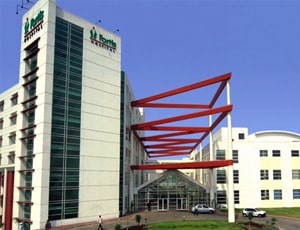
Fortis Hospital
Noida, India
Fortis Healthcare Limited is one of India’s prominent providers of integrated healthcare services, offering comprehensive medical care across multiple specialities. The company’s operations span hospitals, diagnostic centres, and day-care speciality facilities, ensuring a wide range of healthcare solutions under one umbrella. Fortis has established a strong presence across the country, managing 33 healthcare facilities, which include joint ventures and operational & management (O&M) setups, across 11 states.
The company’s hospital network comprises more than 5,700 operational beds, including O&M beds, catering to patients with varied healthcare needs. In addition to inpatient services, Fortis operates around 400 diagnostic laboratories, providing reliable and timely diagnostic support for accurate medical care. This extensive network enables Fortis to deliver high-quality healthcare services consistently and efficiently, from routine diagnostics to specialised treatments and complex procedures.

VPS Lakeshore Hospital
Kochi, India
VPS Lakeshore Hospital located in Kochi, India is accredited by NABH. Also listed below are some of the most prominent infrastructural details:
- Advanced hi-tech healthcare facility
- Innovative diagnostic & therapeutic medical technologies
- Diagnostic endoscopy of nose, esophagoscopy, Laryngoscopy, Bronchoscopy
- Cardiac department- Coronary Artery Bypass Grafting, Total Arterial Coronary Revascularization, Heart Valve Repairs and
- Replacements, Surgery for Heart Failure, Intracardiac Repair of Congenital Anomalies of the Heart, Surgery for Atrial Fibrillation
- Neurosurgery department: Keyhole Surgery for disc & other spine disorders, such as Spine Tumors, Navigation-guided, and Endoscopic Brain Tumor Surgery, Minimally invasive Brain Surgery, Advanced Head Injury Management with the ICP Monitoring
- State-of-the-art-hemodialysis Units
- Kidney Transplantation is done with Laparoscopic Donor Nephrectomy
- 24 hour rapid TAT team equipped with four specialists have increased survival and decreased patient morbidity
- Joint preservation techniques include autologous chondrocyte implantation
- Cutting edge operation theaters & world-class transplant ICUs
- Urology department: 3D Laparoscopy, Minimally Invasive Surgery, Ureteroscopy, RIRS, Endourology: PCNL
- Objective swallowing evaluation services such as functional endoscopic evaluation of Swallowing & Video Fluoroscopic Swallow

The Medical Park
Chennai, India
The Medical Park, located in the heart of Chennai, is a leading one-stop wellness and aesthetic surgery center, specializing in both surgical and non-surgical treatments. With over 25 years of expertise in aesthetic procedures, The Medical Park is renowned for its commitment to providing high-quality, patient-centric care. The clinic offers a wide range of services designed to promote overall health, rejuvenation, and well-being, combining state-of-the-art facilities with advanced medical technology.
The Medical Park in Chennai is a premier healthcare and wellness facility that offers a comprehensive range of services designed to promote overall well-being. Combining state-of-the-art medical treatments with a holistic approach to health, their clinic provides a one-stop solution for those seeking aesthetic procedures, wellness programs, and mental health support. The Wellness Centre is equipped with the latest fitness technologies and staffed by highly trained professionals.
Our Services to better your experience
Opinion & Option
We submit the most accurate opinion and options from one or more countries for your review
Consult Privately
Consult with a certified specialist privately on our telemedicine platform even before you decide to travel
Logistics
We handle flights, visas, transfers, and accommodation—so you can focus on your health.
Recovery
Our In-house rehabilitation service packages to better your recovery and treatment outcome
Why Choose India for Myositis Treatment?
Here are some of the reasons for choosing India:
Since India is now the leader in medical tourism for reasonably priced stem cell therapy, individuals from all over the world choose it because the cost of the treatment is uncontrolled in the majority of the world. Along with the waiting period and hefty logistics costs, the cost of therapy is substantially lower in India than it would be in the western hemisphere. In other European nations, the cost of treatment ranges from $24,000 to $30,000. However, you will pay roughly 70% to 80% less in India.
However, a variety of variables, such as the type of stem cell treatment, the type of cells, the quantity of stem cells needed, pre-treatment tests, etc., may affect the cost.
Frequently Asked Questions
Myositis has no known cure, however a healthcare professional can help identify therapies and physical therapy exercises to help control symptoms.
The use of stem cell therapy has improved in India, offering the newest treatment options and better treatment plans. This is because the cost of stem cell therapy is much lower in India than in other parts of the country, and there are some skilled doctors who can effectively treat the symptoms and improve the patient's quality of life.
With great outcomes, India has a great deal of experience with myositis problems. India now has a highly skilled group of stem cell scientists and physicians, as well as the newest stem cell technology. India is continuously advancing its knowledge and abilities in the field of stem cell therapy by keeping up with the most recent research and studies.
Always consider the following factors when selecting Indian hospitals:
- Hospitals that are accredited (authorised by JCI and NABH).
- Patient reviews and success rates.
- Hospitals that provide seamless care to patients from abroad.
In general, myositis symptomatic treatment in India has a high success rate and patient has much better quality of life.
Children may exhibit some or all of the following symptoms with the onset of myositis:
- 101–104 degrees Fahrenheit
- Get fatigued more quickly or easily than your friends or siblings
- They are too exhausted to be interested in doing anything
- Reduction in the quantity or kind of physical activity
- Does not experience hunger
- Chokes when consuming liquids or meals
- Loss of weight
- Muscle soreness during or after regular activities
- Muscles feel soft to the touch
Myosities' long-term functional results indicate modest impairment. Severe or systemic damage was uncommon, even though the majority of patients had modest disease activity and almost all had substantial disease damage. Calcinosis and long-term damage are linked to specific clinical characteristics.
Myositis symptoms can be lessened by avoiding processed foods, caffeine, and other stimulants. It can also be beneficial to give your child grounding meals like protein, healthy grains, and cooked veggies.

Reviewer

Dr. Akash Khandelwal
Hematologist
9 Years of Experience
Dr. Akash Khandelwal is a distinguished Hematologist, Hemato-oncologist, and Bone Marrow Transplant (BMT) Physician with extensive training from the prestigious AIIMS New Delhi. His expertise encompasses a wide range of specialized techniques in bone marrow transplantation, including autologous and allogeneic transplants such as matched sibling donors, matched unrelated donors (MUD), and haploidentical donor transplants. Dr. Khandelwal has personally supervised and conducted over 100 bone marrow transplants. View More
Last Reviewed - January 2026