Myoclonic Atonic Epilepsy Treatment in Turkey
- Top Accredited Hospitals
- Global Medical Standards
- Cutting-Edge Technology
- Proven Treatment Options
- High Success Rate
- Trusted by Millions

What is Myoclonic Atonic Epilepsy?
Myoclonic-atonic seizures (EMAS) are a rare type of epilepsy that affects children. Seizures are triggered by aberrant electrical firings in the brain. Epilepsy is characterised by recurrent seizures.
Previously known as Doose syndrome, epilepsy with myoclonic atonic seizures is a syndrome marked by the typically sudden development of several generalized seizure types, including myoclonic-atonic seizures in early childhood. The period of active seizures is usually when developmental standstill or regression occurs. Two-thirds of children who have epilepsy attain remission despite having seizures that are initially resistant to medication.
What can I expect if my child has Myoclonic Atonic Epilepsy syndrome?
In EMAS, the initial seizure often happens between the ages of two and six.
The first seizure happens during a fever in 1 in 4 children. EMAS is more common in boys than in girls. The majority of seizures in children with EMAS are generalized seizures, or seizures that impact the entire brain. Focal seizures are uncommon in EMAS and only impact one area of the brain. Multiple seizure types can be included in EMAS, including:
Seizures in EMAS can occasionally alter a child's state of consciousness. This may occur in the absence of overt seizure symptoms. For example, there might not be any jerking. This is known as nonconvulsive status epilepticus when it happens and persists for a long time.
What are the Common Symptoms of Myoclonic Atonic Epilepsy Syndrome?
Seizures that are myoclonic-atonic are the main sign of EMAS. However, developmental setbacks might also be a sign. As EMAS develops, they are observed. A child's development is often normal or just slightly delayed when seizures start. Around the same time as the seizures start, developmental impairments start. Although there may be another cause for both, many researchers think that the seizures are a contributing factor to the developmental deficits. Children with EMAS may have parents who report:
- Regression (loss of significant events)
- Develop mental plateau (the inability to acquire new abilities)
- The Stormy Phase the majority of kids go through an active phase, during which they may have a lot of different kinds of seizures. The "stormy phase" refers to both the seizures and the setbacks.
Causes, Risk Factors and Complications Myoclonic Atonic Epilepsy syndrome
Causes
- At this time, the cause of EMAS is unknown. It appears that genetics is involved. But it doesn't appear to be caused by a single genetic defect.
- EMAS has been associated with a number of genetic variations. For example, it is believed that the SYNGAP1 and SLC6A1 genes have a significant role in EMAS. Additional genes of importance might be found in future research.
- A family history of seizures, especially seizures brought on by fever, is present in one out of every three EMAS cases.
Risk Factors
In addition to seizures, people with epilepsy may also have other health issues. These issues may be caused by the epilepsy itself, or they may be related to the seizures. For instance, they might have mood swings, adjustments to the timing of seizures, or adverse drug reactions. Others could have trouble sleeping, thinking and remembering things, or interacting with people. Rarely, SUDEP (Sudden Unexpected Death in Epilepsy) or early death may transpire.
Complications
EMAS complications are, rarely, people with epilepsy may pass away unexpectedly. While some people may have seizures that are simple to manage, others may have more severe seizures that may require emergency care.
Connect with our advisor for a PRIORITY response
Latest Research and Technologies in the Treatment of Myoclonic Atonic Epilepsy in Turkey
Myoclonic Atonic Epilepsy (MAE) has been effectively treated in Turkey thanks to cutting-edge treatments and a multidisciplinary approach. Numerous drugs have been shown to be successful in studies, with many patients reporting a notable decrease in the frequency of seizures. Turkish hospitals provide individualised care by combining neurology, pediatrics, and rehabilitation services, which improves MAE management.
Treatment options for Myoclonic Atonic Epilepsy
Vagus Nerve Stimulation: By delivering frequent, mild electrical energy pulses to the brain through the vagus nerve, vagus nerve stimulation (VNS) can either prevent or reduce seizures. A device is implanted beneath the skin in the left chest region as part of the therapy. The generating device is connected to an electrode or wire that is positioned beneath the skin. The vagus nerve in the neck is where the wire is fastened or coiled. The gadget is configured to administer stimulation or pulses at predetermined intervals in the outpatient clinic. This device operates without the user having to do anything. When a VNS device is operating, the user is typically unaware of the stimulation. A person can transmit an additional burst of stimulation to the brain by swiping a magnet over the generator in the left chest area if they are aware of when a seizure occurs. This may help prevent seizures for some people.
When myoclonic-atonic seizures are observed by family members or medical professionals, EMAS is diagnosed. A physical examination and medical history might give doctors some information regarding the seizures. They might inquire about the types of seizures and the onset of seizures. To find out more, they frequently employ laboratory studies.
Additional indicators of an EMAS diagnosis include:
- Before seizures, development had been normal or almost normal.
- Seizures that started between the ages of two and six; normal findings from brain imaging.
- There are no other known causes for these seizures, while GLUT1 syndrome is one possible culprit.
MediRehab (a chain of Rehab centres, part of MediGence) provides comprehensive rehabilitation services to support patients through Teleconsulations and online therapy sessions.
Children with MAE who experience prolonged or frequent seizures may require rescue therapy or emergency medical attention. Diazepam rectal gel (Diastat) or another benzodiazepine administered under the tongue or intranasally into the nose are examples of rescue therapy.
For information on seizure crises and choices for home rescue medication, parents of children with MAE should speak with their treating neurologist or other healthcare professional.
Children may require immediate medical attention if rescue medication fails to halt seizures or if they are suspected of having non-convulsive status epilepticus, which is characterized by reduced consciousness, drooling, unsteadiness, and twitching of the arms, legs, or face.
Depending on the situation, your healthcare professional may prescribe medicine to help control your symptoms and support the treatment plan.
Instantly Connect with our Specialists


Hospitals for Myoclonic Atonic Epilepsy in Turkey

Medical Park Karadeniz Hospital
Trabzon, Turkey
Apart from in-detail treatment procedures available, Medical Park Karadeniz Hospital located in Trabzon, Turkey has a wide variety of facilities available for International Patients. Some of the facilities which are provided by them are Accommodation, Airport Transfer, Choice of Meals, Interpreter, TV inside room. Also listed below are some of the most prominent infrastructural details:
- Situated in an area of 12.000 square meter
- Capacity of 107 beds
- Intensive Care Unit (17 beds)
- Neonatal ICU (NICU- 12 beds)
- 6 Operating Rooms
- Cafeteria

Medipol Bahçelievler Hospital
Istanbul, Turkey
Medipol Bahcelievler Hospital is a medical institution providing a full range of medical and individualized approaches to its patients. Medipol has the ambition to bring high quality and maximum security to people in need by employing state-of-the-art technologies in medicine. They ensure that the health of the patients is improved by fashioning unique physician specialty treatment programs.
Medipol Bahcelievler Hospital provides an exceptional position in the healthcare industry with a policy of clear communication, professionalism, and reliability to patient expectations. Medipol Bahçelievler Hospital is situated in the European Side of Istanbul, dedicated to 24-hour health care for you and your loved ones, equipped with a fully functional operation theatre and ICUs with state-of-the-art equipment, laboratory, emergency, and advanced treatment rooms
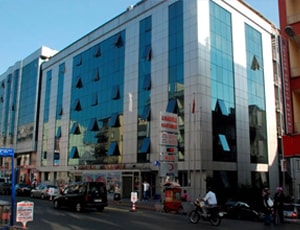
Eregli Anadolu Hospital
Zonguldak, Turkey
Apart from in-detail treatment procedures available, Eregli Anadolu Hospital located in Zonguldak, Turkey has a wide variety of facilities available for International Patients. Some of the facilities which are provided by them are Accommodation, Airport Transfer, Choice of Meals, Interpreter, SIM, TV inside room. Also listed below are some of the most prominent infrastructural details:
- Latest cutting edge technology applied in the diagnostic and medical treatment equipment and processes.
- Complex and critical conditions have been treated by the hospital over time.
- Inbuilt area is 9000 square meters
- 130 inpatient bed capacity
- 30 physicians working in the hospital
- A number of polyclinics
- Diagnostic facilities such as with imaging, sleep labs, biochemistry labs
- Emergency rooms available
- Intensive care units for critical cases
- Operation theatres with latest facilities
Our Services to better your experience
Opinion & Option
We submit the most accurate opinion and options from one or more countries for your review
Consult Privately
Consult with a certified specialist privately on our telemedicine platform even before you decide to travel
Logistics
We handle flights, visas, transfers, and accommodation—so you can focus on your health.
Recovery
Our In-house rehabilitation service packages to better your recovery and treatment outcome
Why Choose Turkey for Myoclonic Atonic Epilepsy Treatment?
Advanced epilepsy therapies are available in Turkey, where skilled neurologists provide specialised care. For thorough MAE management, top hospitals offer interdisciplinary care that combines neurology, pediatrics, and rehabilitation.
Frequently Asked Questions
Although there is no known cure for myoclonic atonic seizures, some people can completely control them with medication and vagal nerve stimulation therapy. Epilepsy surgery can occasionally stop myoclonic seizures in some patients who have myoclonus due to focal epilepsy. However, once myoclonic seizures have started, it is impossible to tell if a person will outgrow them. Some patients with myoclonic atonic epilepsy have seizures that are resistant to medication, making treatment challenging. Managing seizures and reducing the risk of developmental delays need early treatment with the right medicine and close observation.
Myoclonic Atonic Epilepsy (MAE) can be effectively treated in Turkey thanks to cutting-edge drugs that drastically lower seizure frequency. Long-term patient outcomes are improved with individualised treatment provided by multidisciplinary care.
Yes, contemporary diagnostic methods like EEG and neuroimaging, as well as cutting-edge therapies like deep brain stimulation and customised drug regimens, are available in Turkish hospitals for the treatment of myoclonic atonic epilepsy. These technologies aid in providing patients with accurate and efficient care.
Always consider the following factors when selecting Turkish hospitals:
- Hospitals that are accredited (authorised by JCI).
- Patient reviews and success rates.
- Hospitals that provide seamless care to patients from abroad.
In Turkey, treatment for myoclonic atonic epilepsy has a promising success rate; many patients report a reduction in seizure frequency of more than 50% .Patients' quality of life and overall results are enhanced by multidisciplinary care.
EMAS cannot be diagnosed by a single test. Instead, Myoclonic Atonic Epilepsy must be diagnosed by physicians using clinical data, laboratory testing, and tests like electroencephalograms.
This kind of epilepsy is extremely severe and becomes worse over time. It typically involves brain damage or degradation that impacts memory, motor control, cognitive function, and other areas. In some cases, this can lead to death.
The "cure" for Myoclonic Atonic Epilepsy (MAE) cannot be performed before birth.
Although some parents choose to purchase off-the-shelf solutions, such as hockey helmets, a neurologist or hospital can supply a safe helmet for your child. Injury prevention at home can be achieved by installing baby gates and erecting safety barriers around fireplaces and furniture. Specialised dining utensils and safety mats provide even more protection during regular tasks.
Yes, you can consult a Turkish expert for a second opinion. Prominent medical facilities and knowledgeable physicians provide consultations to go over diagnoses and suggest the best course of action.
Author

Alvina Hasan
Alvina Hasan is a dedicated medical researcher and scientific writer with a strong foundation in pharmaceutical sciences. She holds a B.Pharm from Jamia Hamdard University and an M.Pharm in Quality Assurance from DIPSAR University.
With deep medical expertise and a strong interest in healthcare communication, she focuses on transforming complex clinical and scientific information into clear, engaging, and easy-to-understand narratives. She develops insightful healthcare articles and research-driven content designed to support both medical professionals and patients, helping bridge the gap between advanced medical knowledge and practical understanding.
Readers can explore her published research and articles here:
https://carcinogenesis.com/index.php/JOC/article/view/868
https://carcinogenesis.com/index.php/JOC/article/view/870
View MoreReviewer

Dr Sonal Gupta
Neurosurgeon
29 Years of Experience
Dr. Sonal Gupta has an experienced neurosurgeon with more than 29+ years of clinical expertise. She is currently the Director, Neuro & Spine Surgery at Fortis Hospital, Shalimar Bagh. Before joining Fortis, she has been associated with various organizations such as Maharaja Agrasen Hospital, Action Balaji Hospital, and Max Hospital. View More
Last Reviewed - January 2026