Myasthenia Gravis Treatment in India
- Top Accredited Hospitals
- Global Medical Standards
- Cutting-Edge Technology
- Proven Treatment Options
- High Success Rate
- Trusted by Millions

What is Myasthenia Gravis?
Myasthenia Gravis is an autoimmune disorder that manifests at the junctions of nerves and muscles, leading to weak musculoskeletal systems. The underlying basis is an aberrant immune system attacking the body's tissue, mainly innervating from nerves to muscles.
What is the Importance of Timely Treatment?
- Prevention from High Intensity of Weaknesses: Untreated, the weaknesses within muscles can worsen, finally leading to an inability to swallow, breathe, or manage usual activities around the house. Early intervention is thus critical to managing and reducing weakness, which in turn alleviates high disabilities.
- Prevention of risks from Myasthenia Gravis: There may be a profound weakness of the respiratory muscles, and as a result, death could follow. This scenario can be prevented through immunosuppressive drugs, plasmapheresis, and prompt treatment that ensures that breathing will not dip below safety zones for that patient.
- Acute Long-Term Improvement: Early therapeutics like medication (pyridostigmine, immunosuppressants) would help in the long-run management of the disease; the long-term better prognosis could also improve with treatment. Most individuals can lead their everyday lives without any hazards from the disorder.
- Minimising Permanent Damage to Muscles: Muscles that have not been treated for a long time remain in a chronic state of weakness, leading eventually to atrophy and irreversible changes. Such irreversible complications can be avoided by treating the affected patients promptly for better function restoration and preservation of strength.
- Improved Quality Life: Timely treatment will enable the individual to do daily activities, from working and eating to spending time with others. All of this can be translated into better health outcomes and mental well-being.
What are the Common Symptoms of Myasthenia Gravis?
- Muscle Weakness
- Ptosis (Drooping eyelids)
- Diplopia (Double vision)
- Dysphagia
- Dysarthria (slurred speech)
- Fatigue
- Respiratory Issues
Causes and Risk Factors of Myasthenia Gravis
Causes
- Immune System Malfunction
- Thymus Gland Abnormalities
- Genetic Factors
Risk Factors
- Age and Gender
- Infections
- Certain medications
- Stress or physical trauma
- Other Autoimmune Diseases such as rheumatoid arthritis, lupus, or Graves' disease
- Hormonal Factors
Connect with our advisor for a PRIORITY response
Latest Research and Technologies in the Treatment of Myasthenia Gravis in India
The medical treatment of Myasthenia Gravis in India adapts the newest research and technologies to meet worldwide clinical standards and healthcare capabilities.
- Immunotherapies and Biologics: Monoclonal antibodies target the complement system and are being investigated for refractory MG. Clinical trials in India are ongoing to evaluate their ability to improve outcomes.
- Thymectomy and Minimal Access Surgery: In India, minimally invasive thymectomies, such as robot-assisted and video-assisted thoracoscopic surgery (VATS) procedures, are popular in treating MG due to their improved surgical outcomes and reduced recovery period.
- Advanced Diagnostic Technologies: Tools like single fibre electromyography (EMG) and genetic tests are newly introduced in early diagnosis with accuracy of the disease MG for the most personalised and successful treatment.
- Plasmapheresis and IVIG Treatment: Plasmapheresis and IVIG (Intravenous Immunoglobulin) techniques form the backbone of acute exacerbations of MG treatment, and improving their accessibility and sustained usefulness in India is an area of intense research.
- Stem Cell Therapy and AI Innovations: Stem cell therapy is being actively researched to restore neuromuscular function, and the potential of AI and computer modelling-aided personalised practice emphasises tailoring treatment outcome predictions to individual patient data.
Myasthenia Gravis Prevention Tips
- Early Diagnosis and Treatment: The early diagnosis and treatment of MG could reduce the severity of symptoms and prevent complications. Therefore, regular follow-ups with a doctor are vital in initiating early intervention and continued disease monitoring.
- Stress Management: Stress exacerbates MG symptoms. Therefore, it is advisable to integrate stress-reducing techniques into your daily life, such as meditation, deep breathing exercises, or yoga, to help get stress levels under control.
- Infection Avoidance: Infection caused by viral or bacterial illness may trigger MG or worsen its symptoms. Good hygiene/Germ care is recommended; frequent hand washing aids in preventing infections and vaccination for preventable diseases such as flu or pneumonia.
- Awareness of Medications: Certain medications, such as antibiotics, beta-blockers, or statins, may aggravate MG symptoms. Therefore, always consult your doctor before taking any new medicines, and do not self-medicate to protect your treatment plan.
- Physical Activity Must Be Regular: Moderate exercise will help you maintain muscle strength. Find the proper balance of activity that will not cause fatigue or strain; fatigue is a common symptom of MG. Always talk to your doctor before starting an exercise program.
Treatment options for Myasthenia Gravis
The medical treatment for Myasthenia Gravis requires evaluating the patient's severity and medical condition. The following are the treatment options:
Plasmapheresis : In this procedure, blood is filtered to remove dangerous autoantibodies, affording only a reprieve in acute exacerbations or myasthenic crises.
Cost Start From USD 600 - USD 1500Explore Options
Thymectomy: In thymoma or generalised MG patients, especially when younger, surgical removal of the thymus gland (thymectomy) is advised. Thymectomy has improved long-term outcomes and may limit the amount of medication needed.
Intravenous immunoglobulin (IVIg) therapy: IVIg is an immunotherapy procedure for modulating symptoms via balancing the immune response to reduce the body's attack on the neuromuscular junctions.
These are the standard diagnostic methods for diagnosing Myasthenia Gravis:
- Physical examination:
- Medical History: A detailed medical history and physical examination are vital for MG diagnosis. Muscle weakness, fatigue, and difficulty with eye movement or swallowing are suspected symptoms of MG. Weakness tends to follow a pattern of worsened activity and improved rest, which is characteristic of MG.
- Blood test:
- Receptor Antibody Test: Most patients with MG will have autoantibodies against the AChRs at the neuromuscular junction. Positive detection of these antibodies in the blood will support the diagnosis.
- Edrophonium Test (Tensilon Test): Beta-adrenergic test: Edrophonium, a compound that affords temporary blockage of the breakdown of acetylcholine at the neuromuscular junction, is injected intravenously.
- Imaging Studies:
- Thymus imaging CT/MRI: These imaging procedures help analyse the thymus because thymus abnormalities like thymoma or thymic hyperplasia are often found in MG patients. It also serves to exclude other structural abnormalities affecting the neuromuscular system.
- Repetitive Nerve Stimulation (RNS): This involves repetitive nerve stimulation while observing muscle response. In MG, the muscle response decreases with repetitive stimulation, indicative of neuromuscular junction impairment.
- Biopsy:
- Thymus Gland Evaluation: Since abnormalities in the thymus are often associated with MG, thymectomy may be entertained. A biopsy or operative exploration of the thymus would aid in assessing the presence of a thymoma (tumour).
MediRehab (chain of Rehab centres - part of MediGence provides comprehensive rehabilitation services designed to support patients in India. These services include:
- Physical therapy treatment of Myasthenia Gravis involves strengthening weak muscles while keeping joints flexible. Exercises of specified types allow patients to learn how fatigue can be avoided and learn techniques to improve mobility and therapist guidance.
- Occupational Therapy: These therapists work with patients to manage their day-to-day activities by recommending assistive devices (like grab bars or adapted tools) to make daily activities safe and possible, modifying the workplace to lessen fatigue while enhancing functionality.
- Speech and Swallowing Therapy: Speech-language pathologists train patients who cannot swallow or speak to exercise their oral and throat muscles. They also formulate safer eating strategies for avoiding choking. This therapy is also necessary to improve functions like more explicit speech and better swallowing.
- Respiratory Therapy is the management of breathing by improving lung function and applying breathing muscle exercises. However, non-invasive mechanical ventilation is also utilised for breathing assistance in more severe conditions.
- Support and counselling: Psychological support for coping with Myasthenia Gravis is a must because the disease creates a lot of emotional disturbances among patients. Patients are treated with counselling to enable them to cope with all stress, anxiety, and even depression that relates to their condition.
Inhibition is one aspect of Myasthenia Gravis treatment aimed at improving neuromuscular communication to strengthen muscles. Autoimmune responses are inhibited using immunosuppressives, while monoclonal antibodies are meant for severe cases to provide selective treatment. These help in dealing with symptoms, flare-ups, and quality of life.
Instantly Connect with our Specialists


Hospitals for Myasthenia Gravis in India

The Medical Park
Chennai, India
The Medical Park, located in the heart of Chennai, is a leading one-stop wellness and aesthetic surgery center, specializing in both surgical and non-surgical treatments. With over 25 years of expertise in aesthetic procedures, The Medical Park is renowned for its commitment to providing high-quality, patient-centric care. The clinic offers a wide range of services designed to promote overall health, rejuvenation, and well-being, combining state-of-the-art facilities with advanced medical technology.
The Medical Park in Chennai is a premier healthcare and wellness facility that offers a comprehensive range of services designed to promote overall well-being. Combining state-of-the-art medical treatments with a holistic approach to health, their clinic provides a one-stop solution for those seeking aesthetic procedures, wellness programs, and mental health support. The Wellness Centre is equipped with the latest fitness technologies and staffed by highly trained professionals.

Manipal Hospital, Dwarka
Delhi, India
Manipal Hospital Dwarka is a leading multi-super speciality tertiary care hospital offering world-class, affordable, and accessible healthcare. Backed by renowned doctors, advanced technology, and global standards in clinical care, the hospital provides comprehensive preventive, diagnostic, and therapeutic services for all age groups. With 380 beds, 13 modular OTs, 118 critical care beds, and 24/7 emergency services, it combines excellence in patient care with innovations like AI, telemedicine, remote monitoring, and EMR—striving to become a fully digital, paperless hospital setting new standards in modern healthcare.
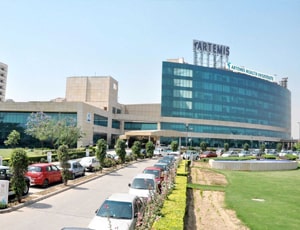
Artemis Health Institute
Gurgaon, India
Artemis Hospital, established in 2007 in Gurgaon, India, is a 750+ bed, state-of-the-art multi-speciality hospital and the first in Gurgaon accredited by JCI and NABH. A flagship of the Apollo Tyres Group, it offers advanced care across cardiology, oncology, orthopaedics, neurology, and transplant medicine, supported by modern infrastructure and 60+ world-class operating theatres. Its Centres of Excellence span critical areas like heart, cancer, neurosciences, orthopaedics, and women & child care. Guided by values of Service, Compassion, and Integrity, Artemis combines innovation, technology, and affordability, making it a trusted international healthcare destination for comprehensive and compassionate patient care.
Our Services to better your experience
Opinion & Option
We submit the most accurate opinion and options from one or more countries for your review
Consult Privately
Consult with a certified specialist privately on our telemedicine platform even before you decide to travel
Logistics
We handle flights, visas, transfers, and accommodation—so you can focus on your health.
Recovery
Our In-house rehabilitation service packages to better your recovery and treatment outcome
Why Choose India for Myasthenia Gravis Treatment?
The following are the much-growing reasons for India being frequented for Myasthenia Gravis treatment:
- World-Class Health Services Affordable Costs: The nation brings proficiency in advanced medical technologies and treatments, including high-quality care at often dissimilar cost ratios of Western countries.
- Most Qualified Professionals: Patients will find internationally trained, renowned hepatologists, surgeons, and specialists. Medical and individualised treatment options will go hand in hand with the value of the care provided by the best experts in India.
- Complete Medical Services: From advanced diagnostic tools such as elastography and imaging to liver transplants, India has gone the extra mile to provide patients with cutting-edge facilities for total Myasthenia Gravis treatment.
- Easy Medical Tourism: India is gaining importance as a central international hub in medical tourism, with many accredited hospitals providing excellent service towards international patients for easy accessibility, visa assistance, and organised packages.
- Holistic Treatment: Most hospitals in India work towards a mainstream plus traditional treatment regime, including even Ayurvedic treatments, for complete liver health recovery and wellness, thus attending to emotional and physical wellness.
Frequently Asked Questions
There is no cure for Myasthenia Gravis. Management modalities include medications, plasma exchanges, immunosuppressive medications, and sometimes, surgical removal of the thymus gland (thymectomy).
Myasthenia Gravis does not, however, typically threaten life. Acute myasthenic conditions, where respiratory muscles are involved, can have dangerous complications that require proximate medical attention.
Yes, with appropriate treatment and management, most individuals with Myasthenia Gravis live fairly active, reasonably rewarding lives. However, these individuals have to deal with some level of fatigue coupled with muscle weakness.
Yes, stress makes the symptoms of Myasthenia Gravis worse and causes more muscle weakness as a result. Thus, stress management through relaxation and sufficient rest is among the best disease control methods.
Most cases of Myasthenia Gravis are generally non-inheritable, with some promising cases of genetic predisposition to autoimmunity in a family background of autoimmune disorders.
Myasthenia Gravis is, by virtue, considered an autoimmune disorder, and thus, currently, no methods are known to prevent this condition. However, early diagnosis and treatment will facilitate effective symptom control anda better quality of life.
International patient services include visa assistance, language support, travel arrangements, and post-treatment care offered by India Hospital, thus ensuring smooth proceedings for foreign patients for their treatment.
Some of the most well-known hospitals in India have specialised clinical services for Myasthenia Gravis under neurology and autoimmune disease, encompassing diagnostic, treatment, and rehabilitation services.
Success rates depend on individual conditions; however, several patients in India have exhibited very encouraging improvement and true recovery success with early diagnosis and intervention using modern treatments.

Reviewer

Dr. Akash Khandelwal
Hematologist
9 Years of Experience
Dr. Akash Khandelwal is a distinguished Hematologist, Hemato-oncologist, and Bone Marrow Transplant (BMT) Physician with extensive training from the prestigious AIIMS New Delhi. His expertise encompasses a wide range of specialized techniques in bone marrow transplantation, including autologous and allogeneic transplants such as matched sibling donors, matched unrelated donors (MUD), and haploidentical donor transplants. Dr. Khandelwal has personally supervised and conducted over 100 bone marrow transplants. View More
Last Reviewed - January 2026