Multiple Sclerosis Treatment in India
- Top Accredited Hospitals
- Global Medical Standards
- Cutting-Edge Technology
- Proven Treatment Options
- High Success Rate
- Trusted by Millions

What is Multiple Sclerosis?
Multiple sclerosis (MS) is a chronic autoimmune disease of the CNS, which includes the brain and spinal cord. In this disease, the protective coverings of nerve fibres are destroyed. It leads to inflammation and scarring within the CNS. These events interfere with the normal conduction of electrical impulses along the nerves, thereby giving rise to neurological symptoms.
What is the Importance of Timely Treatment?
- Slows Disease Progression: DMTs (Disease-modifying therapies) in early MS have been shown to decrease attack frequency and severity, thereby slowing MS progression and preventing rapid disability. An early start of treatment is critical for the long-term management of the disease.
- Reduces Relapse Frequency: Timely treatment can reduce the number and intensity of relapses, thus minimising brain and spinal cord injuries. Fewer relapses mean a reduced risk of permanent disability, enhancing the long-term outcomes for MS patients.
- Prevents Long-Term Disability: Early treatment inhibits any permanent damage to the nervous system, making severe disability less likely. The quicker these patients begin treatment, the lesser the chances of irreversible impairment. Managing symptoms early concentrates on keeping the patient functioning.
- Improves Quality of Life: When treated early, fatigue, spasticity, and cognitive issues are alleviated, helping the mainly affected individuals cope in their daily routines. The ability to live independently, pursue employment, and participate in social activities pays homage to well-managed symptoms and, in turn, contributes positively to their overall well-being.
- Reduces Complications and Protects Brain Health: Prompt treatment intervention minimises the dangers of any secondary complications: one may be infected or suffer problems with mobility. It also minimises brain shrinkage while protecting a reasonable degree of cognitive functioning—ongoing treatment functions also preserve brain health and mental well-being.
What are the Common Symptoms of Multiple Sclerosis?
- Fatigue
- Vision Problems
- Numbness or Tingling
- Muscle Weakness
- Difficulty Walking and Balance Problems
- Spasticity (Muscle Stiffness)
- Cognitive Changes
- Bladder and Bowel Problems
- Dizziness and Vertigo
- Pain
- Speech and Swallowing Difficulties
- Emotional Changes
- Heat Sensitivity
Causes and Risk Factors of Multiple Sclerosis
Causes
- Immune System Dysfunction
- Genetic Factors
- Environmental Triggers
- Viral Infections
- Smoking
Risk Factors
- Age
- Gender
- Family History
- Vitamin D Deficiency
- Previous Infections
- Other Autoimmune Diseases
- Pregnancy
- Obesity
Connect with our advisor for a PRIORITY response
Latest Research and Technologies in the Treatment of Multiple Sclerosis in India
The medical treatment of Multiple Sclerosis in India adapts the newest research and technologies to meet worldwide clinical standards and healthcare capabilities.
- Monoclonal antibodies will treat Relapsing-Remitting MS (RRMS) and Primary Progressive MS (PPMS). They act on B cells, which are responsible for inflammation in MS. The approval is indeed an excellent achievement for the management of MS.
- Stem Cell Therapy Trials: Stem Cell Therapy has been widely explored as a possible treatment for MS. In fact, in recent clinical trials, secondary progressive patients have shown improvement in symptoms, leading to the creation of a new alternative treatment.
- Kinase Inhibitor Trials: An exploratory study is being conducted to test an experimental Bruton's tyrosine kinase inhibitor to decrease disease activity in relapsing MS. Early trial data appear promising, suggesting that this will make MS management much more straightforward.
- Nasal Spray: An ongoing study of nasal monoclonal antibodies against CD3 and its use for treating non-active secondary progressive MS. Preliminary results indicate that it promises an easy and non-invasive immune-modulation treatment.
- Biomarker Research: Research has been conducted in India to discover potential biomarkers for MS to improve diagnosis and treatment. These include MBP, anti-MOG, and miRNA, benefitting early detection and customised treatment approaches.
Multiple Sclerosis Prevention Tips
- Healthy Vitamin D Levels: Indeed, vitamin D minimises the risk of multiple sclerosis, especially among people who live in places with low sunlight. Spending time in the sun or taking vitamin D supplements reduces these risks. Consult the doctor about levels that are acceptable to you.
- Stop Smoking: The connection between MS and smoking is clear: it doubles the risk for the disease and adds to how quickly the disease advances. Ignore the health benefits of quitting smoking, and it will lower the severity of symptoms associated with MS. If one's into doing very special things, this has to be done.
- Keep Moving and Relieve Stress: Healthy immunity is maintained through regular workouts. When regular stress from workouts and exercise is not a self-induced trigger, it may lead to the aggravation of autosubjectivity. Patterning should involve relaxation forms, such as yoga or meditation.
- Nutritious Diet and Not Overheating: An ideally suited antioxidant-rich fruit and omega-healthy nutrient diet helps strengthen immunity. Patients should avoid overheating, typically exacerbating MS symptoms, while drinking plenty of water since it may also prevent the trigger for heat sensitivity.
- Protection from Infections and Frequent Check-ups: Preventing infections as much as possible, particularly those caused by the Epstein-Barr virus, may lower the risk of developing MS. Regular health check-ups and proactive monitoring of the early signs are very important for timely treatment to help manage the disease.
Treatment options for Multiple Sclerosis
The medical treatment for Multiple Sclerosis requires evaluating the patient's severity and medical condition. The following are the treatment options:
Disease-Modifying Therapies (DMTs): MS treatment cannot afford to ignore DMTs, which are intended to decrease relapse frequency and severity and slow down the progression of the disease. These drugs generally modulate immunity so that it does not attack the CNS.
Plasmapheresis (Plasma Exchange) : In conjunction with steroids, plasmapheresis (also called plasma exchange) is an option for severe relapses that do not respond to steroids. The procedure consists of removing plasma from the blood and filtering plasma from so-called "bad" antibodies, thereby reducing inflammation and providing symptomatic relief.
Cost Start From USD 600 - USD 1500Explore Options
Stem cell therapy: It is now offered as a remedy for the progressive forms of MS. Research into hematopoietic stem cell transplantation (HSCT) has been worthwhile, wherein the subject's immune system is "reset" by using subject stem cells to reduce disease activity.
Cost Start From USD 18000 - USD 36000Explore Options
These are the standard diagnostic methods for diagnosing Multiple Sclerosis:
- Physical exam and Medical History: The doctors observe the following common symptoms of MS: muscle weakness, difficulty in coordination, vision problems, and numbness or tingling.
- Imaging Studies:
- MRI has been rendered the most relevant and standard imaging modality used in MS diagnosis. It demonstrates lesions (damaged areas) in the brain and spinal cord that are characteristic of the disorder.
- Gadolinium-enhanced MRI may allow the visualisation of regions under inflammation and the differentiation between newly active and relatively older lesions.
- Lumbar Puncture (Spinal Tap): A small clinical extraction of cerebrospinal fluid (CSF) from the lumbar spine is performed whenever oligoclonal bands (OCBs) are searched for. OCBs are a hallmark protein appearance in the cerebrospinal fluid of most patients with MS.
- Evoked Potentials Tests: Evoked potentials account for brain electrical activities in response to sensory, motor, or visual stimuli. The response time of the organism in MS is usually much slower in the case of demyelination, wherein loss of myelin sheath occurs over fibres.
- Neurological Examination: Includes reflexes, coordination and balance, muscle strength, and sensory functioning assessment. This is to indicate neurological deficits that lead toward MS or some other forms of neurological disorder.
MediRehab (a chain of Rehab centres, part of MediGence) provides comprehensive rehabilitation services designed to support patients in India. Additional services are as per the patient's requirement. These services include:
- Physical Therapy: The physical therapist helps with mobility, strength, and balance; the occupational therapist aids people with MS to be as independent as possible in daily activities. Each discipline focuses on individualised therapeutic exercises and adaptive strategies to avert falls and alleviate spasticity.
- Speech and Cognitive Rehabilitation: Clinical speech therapy and cognitive rehabilitation address slurred speech and swallowing problems that impede daily life. Cognitive rehabilitation also improves memory, attention, and problem-solving.
- Spasticity and Fatigue Management includes stretching exercises and heat or cold therapy. The process of energy conservation and adhering to specific routines are ways in which the individual living with MS can minimise the grave problem of fatigue.
- Emotional and Psychological Support: As MS may affect mental health, it has become an absolute necessity to provide psychological support, counselling, and support groups. Cognitive-behavioral therapy (CBT) helps cope with depression, anxiety, and stress associated with MS.
- Assistive Devices and Vocational Support: Devices that assist with walking, such as canes, walkers, and custom orthosis, help provide some mobility assistance. Vocational rehabilitation helps people stay employed or return to work with adaptations—other assistive technology also assists with daily activities and staying connected.
MS medications can slow the progression of the disease and prevent relapses. Steroids and other medications address symptoms like muscle spasms, fatigue, flare-ups, and pain. Emerging therapies include stem cell therapy and monoclonal antibodies. Lifestyle modifications such as diet and exercise may also play a role in managing MS.
Instantly Connect with our Specialists


Hospitals for Multiple Sclerosis in India

nM Virani Wockhardt
Rajkot, India
A leading multispecialty hospital in Rajkot, Wockhardt Hospital is committed to providing top-notch medical care and modern treatments. With a 95% satisfaction rating, Wockhardt has successfully treated 200,000 emergency cases and more than 1.4 million OPD patients. The hospital's dedication to providing high-quality care and safety is demonstrated by its NABH and NABL accreditation. Wockhardt guarantees easily accessible, high-quality healthcare by providing a surgery 0% interest-free EMI option and a fully furnished 'ICU on Wheels' that is open 24/7. Wockhardt Hospital is a reliable option for patients looking for advanced medical care in Rajkot and beyond because of its staff of skilled specialists and outstanding reputation for excellence.
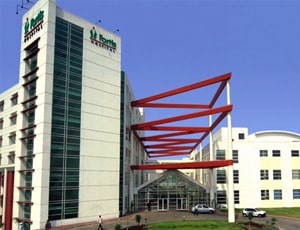
Fortis Hospital
Noida, India
Fortis Healthcare Limited is one of India’s prominent providers of integrated healthcare services, offering comprehensive medical care across multiple specialities. The company’s operations span hospitals, diagnostic centres, and day-care speciality facilities, ensuring a wide range of healthcare solutions under one umbrella. Fortis has established a strong presence across the country, managing 33 healthcare facilities, which include joint ventures and operational & management (O&M) setups, across 11 states.
The company’s hospital network comprises more than 5,700 operational beds, including O&M beds, catering to patients with varied healthcare needs. In addition to inpatient services, Fortis operates around 400 diagnostic laboratories, providing reliable and timely diagnostic support for accurate medical care. This extensive network enables Fortis to deliver high-quality healthcare services consistently and efficiently, from routine diagnostics to specialised treatments and complex procedures.

NeuroGen Brain and Spine Institute
Mumbai, India
NeuroGen Brain and Spine Institute aims to provide seamless service to individuals with incurable neurological disorders, through revolutionary holistic comprehensive neurorehabilitation and medical care, and regenerative medicine. The hospital combines the traditional and latest techniques, with an aim to eliminate the trauma and improve the quality of life of the patient. The hospital comes with high tech infrastructure which contributes to providing a unique experience to patients.
Infrastructure & facilities:
Treated over 7500+ patients from 65 countries
Accredited by ISO 9001-2015 and a Good Laboratory Practice and Good Manufacturing Practice certified stem cell laboratory
Facility is completely wheelchair friendly
Two state of the art operation theaters equipped with all necessary equipment required for stem cell transplantation
Have a multi disciplinary team performing procedures under strict aseptic conditions
Laboratory equipped with various modern instruments for stem cell processing
Expert neuropathologist team which performs procedures under completely sterile conditions
Bio safety cabinet, CO2 Incubator, Cell Counter, ?uorescence microscope, Centrifuge Machines, Scienti?c Refrigerator
The stellar physiotherapy team address physical disability experienced by patients
The Sensory Integration department comprises of professionals who help individuals with sensory processing issues
Four types of accommodation available. Bed types range from Executive to General suites
Consultation available on Call / Email / Skype
Visa and Travel assistance
Provision of ambulance/car pickup at airports
Local transport available as per the requirements of patients
Rehabilitation facilities wherein experts train you for the therapies and exercises
Hassle free discharge as per your flight timings
Patient dropped to airports in car / ambulance
Fully Air conditioned Deluxe-Suite rooms
Payments accepted through Credit Card /Cash / Debit Card / Wire Transfer and Bank Details
Our Services to better your experience
Opinion & Option
We submit the most accurate opinion and options from one or more countries for your review
Consult Privately
Consult with a certified specialist privately on our telemedicine platform even before you decide to travel
Logistics
We handle flights, visas, transfers, and accommodation—so you can focus on your health.
Recovery
Our In-house rehabilitation service packages to better your recovery and treatment outcome
Why Choose India for Multiple Sclerosis Treatment?
The following are the much-growing reasons for India being frequented for Multiple Sclerosis treatment:
- World-Class Health Services at Affordable Costs: The nation is are proficient in advanced medical technologies and treatments, including high-quality care at often dissimilar cost ratios of Western countries.
- Most Qualified Professionals: Patients will find internationally trained, renowned hepatologists, surgeons, and specialists. Medical and individualised treatment options will complement the value of the care provided by the best experts in India.
- Complete Medical Services: From advanced diagnostic tools such as elastography and imaging to liver transplants, India has gone the extra mile to provide patients with cutting-edge facilities for total Multiple Sclerosis treatment.
- Easy Medical Tourism: India is becoming a central international hub for medical tourism. Many accredited hospitals provide excellent service to international patients, including easy accessibility, visa assistance, and organised packages.
- Holistic Treatment: Most hospitals in India work towards a mainstream plus traditional treatment regime, including even Ayurvedic treatments, for complete liver health recovery and wellness, thus attending to emotional and physical wellness.
Frequently Asked Questions
Multiple Sclerosis is the condition most prevalent in women and adults who are aged between 20 and 40 years. Having a family history of MS further predisposes one to develop a risk of living at places far from the equator.
The diagnosis of MS involves a neurological examination, MRI, lumbar puncture, and evoked potentials. Sometimes, blood tests are performed to rule out a differential diagnosis.
It is not a direct inheritance that MS develops, but having a family member with MS may increase the risk. There may also be some specific genes susceptible to disease.
There is currently no cure available for multiple sclerosis; however, treatments manage symptoms and slow the progress of the disease while enhancing the quality of life.
It mainly involves the following types of MS:
- Relapsing-Remitting MS (RRMS)
- Primary Progressive MS (PPMS)
- Secondary Progressive MS (SPMS)
- Progressive-Relapsing MS (PRMS)
Different rates of progress are observed in MS. In RRMS, symptoms come and go through relapses; in PPMS, they worsen with time and do not remit. Eventually, RRMS turns SPMS.
MS hardly interferes with the act of conception, and most women with MS give birth at healthy, full-term pregnancies. However, it's advisable to speak with the healthcare provider because disease-modifying drugs are usually stopped during pregnancy.
Stem cell therapy for Multiple Sclerosis is an experimental treatment offered in India. It is intended to reset the immune system and is available at a few centres. This therapy is still under research and will not apply to every patient.
Are the doctors qualified in India for multiple sclerosis
Yes, the doctors in India are medically qualified to diagnose and treat Multiple Sclerosis (MS). The best specialists in India have advanced training and experience in neurology and neuroimmunology and can provide quality care for patients with MS.
Genetic tests are not routinely done for MS, but some specialised centres may have advanced genetic tests. These tests are more applied in susceptibility to genetics and family history.

Reviewer

Dr. Akash Khandelwal
Hematologist
9 Years of Experience
Dr. Akash Khandelwal is a distinguished Hematologist, Hemato-oncologist, and Bone Marrow Transplant (BMT) Physician with extensive training from the prestigious AIIMS New Delhi. His expertise encompasses a wide range of specialized techniques in bone marrow transplantation, including autologous and allogeneic transplants such as matched sibling donors, matched unrelated donors (MUD), and haploidentical donor transplants. Dr. Khandelwal has personally supervised and conducted over 100 bone marrow transplants. View More
Last Reviewed - January 2026