Mitral Valve Disease Treatment in India
- Top Accredited Hospitals
- Global Medical Standards
- Cutting-Edge Technology
- Proven Treatment Options
- High Success Rate
- Trusted by Millions

What is a Mitral Valve Disease?
Mitral Valve Disease occurs when the mitral valve does not open or close normally. In mitral stenosis, the valve opening becomes narrowed and restricts blood flow from the left atrium to the left ventricle. In mitral regurgitation, the valve does not close completely, allowing blood to flow backwards into the left atrium. Mitral valve prolapse can also cause regurgitation when the valve leaflets bulge backwards. The condition may be congenital or develop because of rheumatic heart disease, age-related changes, infection, heart disease, or other structural problems.
What is the Importance of Timely Treatment?
Timely evaluation helps determine the type and severity of mitral valve disease, monitor changes in heart function, control symptoms, and identify when medicines, catheter-based procedures, valve repair, or valve replacement may be appropriate. Treating significant disease can help reduce the risk of complications such as atrial fibrillation, pulmonary hypertension, blood clots, heart failure, and stroke.
What are the Common Symptoms of Mitral Valve Disease?
- Shortness of Breath: Breathlessness may occur during physical activity or, in more advanced disease, at rest or when lying down.
- Fatigue: Reduced forward blood flow or increased cardiac workload may cause persistent tiredness and reduced stamina.
- Palpitations: Some people experience a fast, pounding, fluttering, or irregular heartbeat, particularly when atrial fibrillation develops.
- Swelling: Fluid retention may cause swelling of the feet, ankles, or legs.
- Reduced Exercise Tolerance: Everyday activities may become more difficult because of breathlessness or fatigue.
- Dizziness or Chest Discomfort: Significant valve disease may sometimes cause dizziness, fainting, or chest discomfort.
Causes and Risk Factors of Mitral Valve Disease
Causes
- Rheumatic Heart Disease: Previous rheumatic fever can cause long-term damage to the mitral valve, particularly leading to mitral stenosis.
- Mitral Valve Prolapse: Abnormal leaflet movement can cause mitral regurgitation.
- Age-Related Changes: Degeneration and calcium deposits can affect the valve's structure and function.
- Heart Disease: Previous heart attack, cardiomyopathy, or other structural heart conditions may damage the mitral valve.
- Infection: Infective endocarditis can damage valve tissue.
- Congenital Abnormalities: Some people are born with abnormalities affecting the mitral valve.
- Autoimmune or Inflammatory Conditions: Certain inflammatory diseases can affect the heart valves.
- Previous Chest Radiation: Radiation treatment involving the chest may contribute to later valve damage.
Risk Factors
- Older age
- Previous rheumatic fever or rheumatic heart disease
- Previous heart attack or heart disease
- Congenital heart abnormalities
- Previous infective endocarditis
- Certain autoimmune or inflammatory conditions
- Previous chest radiation
- Family history of certain valve disorders
- Conditions associated with mitral annular calcification
Latest Research and Technologies in the Treatment of Mitral Valve Disease in India
- Modern mitral valve care increasingly uses advanced echocardiography, 3D imaging, cardiac CT and MRI, minimally invasive surgery, and catheter-based interventions to assess valve anatomy and guide treatment. Current international guidelines emphasise multidisciplinary Heart Teams and specialised Heart Valve Centres for complex valve disease. For selected patients with severe mitral regurgitation who are unsuitable for conventional surgery, transcatheter edge-to-edge repair (TEER) may provide a less invasive treatment option. Mitral valve repair, minimally invasive approaches, and personalised timing of intervention are also important aspects of modern care.
Treatment options for Mitral Valve Disease
Percutaneous Mitral Balloon Commissurotomy (PMBC): This is a highly specific catheter-based, first-line mechanical treatment to split open fused leaflets in patients with favourable stenotic anatomy (primarily rheumatic).
Mitral Valve Repair: The surgical internevtiona for primary mitral regurgitation, preserving the native anatomy, maintaining subvalvular mechanics, and avoiding long-term anticoagulation.
Mitral Valve Replacement : The standard open-surgical option using a mechanical or bioprosthetic valve, reserved for patients whose valves are too calcified or damaged to repair.
Cost Start From 4000Explore Options
Transcatheter Edge-to-Edge Repair (TEER): A brilliant, minimally invasive option delivered via a transseptal catheter.
- Clinical assessment:
- Medical History: Assessment includes symptoms, previous rheumatic fever, infections, heart disease, previous procedures, and relevant family history.
- Physical Examination: A doctor may listen for a heart murmur and assess breathing, blood pressure, heart rhythm, and signs of fluid retention.
- Electrocardiogram (ECG): Evaluates heart rhythm and electrical activity and may identify atrial fibrillation or other abnormalities.
- Exercise or Stress Testing: May help assess symptoms and functional capacity when symptoms are unclear or occur mainly during activity.
- Blood Tests: Selected tests may help assess associated conditions or complications.
- Imaging Tests:
- Transthoracic Echocardiography (TTE): The primary imaging test for assessing mitral valve structure, blood flow, disease severity, and heart function.
- Transesophageal Echocardiography (TEE): Provides more detailed views of the mitral valve and may support treatment planning.
- 3D Echocardiography: Provides detailed three-dimensional information about valve anatomy and can assist repair or catheter-procedure planning.
- Cardiac CT: May help evaluate valve anatomy and calcification in selected patients.
- Cardiac MRI: Can assess heart structure, ventricular function, and the effects of significant valve disease.
- Chest X-ray: May show heart enlargement or changes related to fluid accumulation.
- Cardiac Catheterisation: May be used in selected cases when additional pressure measurements or coronary assessment is required.
MediRehab (a chain of Rehab centres, part of MediGence) provides comprehensive rehabilitation services designed to support Mitral Valve Disease patients in India. These services include:
- Cardiac Rehabilitation: Structured rehabilitation may help selected patients improve cardiovascular fitness and safely return to daily activities after treatment.
- Gradual Physical Activity: Increase activity according to symptoms, heart function, and advice from the treating cardiac team.
- Breathing and Functional Training: Selected patients may benefit from exercises that improve functional capacity after prolonged illness or surgery.
- Long-Term Follow-Up: Regular cardiology reviews and echocardiography help monitor valve function, heart rhythm, and ventricular performance.
- Medicines are selected according to the type of mitral valve disease and associated complications. Diuretics may reduce fluid accumulation and breathlessness, while medicines that control heart rate or rhythm may be used when indicated. Anticoagulants may be prescribed for selected patients with atrial fibrillation or an increased risk of blood clots. Other medicines may manage blood pressure or heart failure. In rheumatic disease, appropriate antibiotic prophylaxis may help prevent recurrent rheumatic fever.
Instantly Connect with our Specialists


Hospitals for Mitral Valve Disease in India

Fortis Hospital, Mulund
Mumbai, India
Fortis Hospital Mulund, located in Mulund West, Mumbai, is a premier healthcare facility providing excellence in multi-speciality healthcare for over 20 years. The global leader in advancing medical technology and clinical expertise, the hospital offers specialities including Cardiology, Neurosciences, Oncology, Transplants, and Orthopaedics. The hospital is well-known for being the largest transplant center in Maharashtra and offers advanced treatment options, including Transcatheter Aortic Valve Implantation (TAVI) and stereotactic precision radiotherapy for cancer. Fortis Mulund is equipped with a 24/7 Emergency Department and International Patient Unit to provide world-class patient-centric care.

Fortis Memorial Research Institute
Gurgaon, India
Fortis Healthcare Limited stands as one of India's largest integrated healthcare providers, managing 33 hospitals across 11 states and operating more than 5,700 beds and 400 diagnostic labs. Four of our hospitals are accredited by JCI and 26 by NABH. With a workforce of over 12,500 healthcare professionals, we combine clinical excellence, a patient-focused approach, and innovation to provide high-quality, affordable, and compassionate healthcare to patients in India.
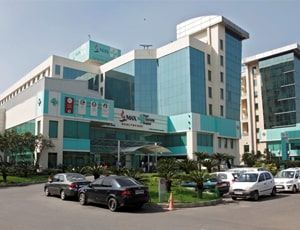
Max Super Speciality Hospital, Saket
Delhi, India
Max Smart Super Speciality Hospital, Saket, is a 250-bed tertiary care hospital awarded NABH accreditation, which provides advanced medical care in various specialities such as Cardiac Sciences, Orthopaedics, Neurology, Urology, Kidney Transplant, Paediatrics, and Obstetrics & Gynaecology. The hospital provides quality, safe, integrated, and patient-centric medical care using modular OTs, ICUs, Cath Labs, CT, MRI and Dialysis units.
Our Services to better your experience
Opinion & Option
We submit the most accurate opinion and options from one or more countries for your review
Consult Privately
Consult with a certified specialist privately on our telemedicine platform even before you decide to travel
Logistics
We handle flights, visas, transfers, and accommodation—so you can focus on your health.
Recovery
Our In-house rehabilitation service packages to better your recovery and treatment outcome
Why Choose India for Mitral Valve Disease Treatment?
- Experienced Cardiac Specialists: Access to cardiologists, interventional cardiologists, cardiac surgeons, and electrophysiology specialists.
- Advanced Cardiac Imaging: Major centres may provide TTE, TEE, 3D echocardiography, cardiac CT, and cardiac MRI.
- Mitral Valve Repair: Selected hospitals provide surgical mitral valve repair using conventional or minimally invasive approaches.
- Catheter-Based Treatment: Eligible patients may have access to procedures such as percutaneous mitral balloon commissurotomy and TEER.
- Advanced Cardiac Surgery: Hospitals may offer mitral valve replacement and complex valve surgery.
- Multidisciplinary Heart Teams: Cardiologists, cardiac surgeons, imaging specialists, anaesthesiologists, intensivists, and rehabilitation professionals can coordinate complex cases.
- Personalised Treatment Planning: Treatment can be selected according to valve anatomy, disease severity, symptoms, heart function, age, and associated conditions.
- International Patient Support: Many major Indian hospitals provide assistance with medical records, appointments, treatment coordination, accommodation, and follow-up.