Meniscus Tear Treatment in Thailand
- Top Accredited Hospitals
- Global Medical Standards
- Cutting-Edge Technology
- Proven Treatment Options
- High Success Rate
- Trusted by Millions

What is a Meniscus Tear?
A common knee injury is called a “meniscus tear,” which occurs when the meniscus(a C-shaped cartilage that protects the knee joint) is ripped by twisting, abrupt motions, or excessive knee pressure. The meniscus is a shock absorber between the femur and tibia, promoting stability and easy movement.
What is the Importance of Timely Treatment?
Timely treatment is crucial to prevent additional damage to the bones and joints;
- Prevents Additional Damage: If left untreated, tears may deteriorate, resulting in more damage to the cartilage.
- Low Arthritis Risk: Postponing therapy can lead to joint deterioration and increase osteoarthritis risk.
- Restores Knee Function: Prompt action aids in the restoration of strength, stability, and mobility.
- Prevents Chronic Pain & Swelling: Prompt treatment reduces discomfort, inflammation, and chronic pain.
- Enhances Recuperation Results: Prompt therapy or surgery results in quicker and more efficient healing
What are the Common Symptoms of Meniscus Tear?
The typical signs and symptoms of a Meniscus tear are as follows:
- Knee joint pain with inflammation,
- discomfort, and restricted mobility
- The sensation of locking or catching when the knee is moved
- Having trouble bearing weight or feeling unstable
Causes and Risk Factors of Birth Limb Deformities
Causes
- Twisting of the knee or abrupt knee rotation
- Injuries related to sports (frequently in basketball, soccer, and football)
- wear and tear caused by degeneration
Connect with our advisor for a PRIORITY response
Latest Research and Technologies in the Treatment of Meniscus Tears in Thailand
With cutting-edge technology including stem cell therapy, biodegradable adhesives, and less invasive arthroscopic surgery, Thailand is revolutionizing the treatment of meniscus tears. Biodegradable adhesives provide safer repair alternatives, while stem cell therapies encourage natural healing. Thailand is a top location for top-notch meniscus tear treatment because of its advanced arthroscopic methods, which shorten recovery times and enhance patient outcomes.
Meniscus Tear Prevention Tips
To help prevent Meniscus Tear or effectively manage it if you already have it, the following is the advice to be considered:
- Strengthen Supporting Muscles – Strengthen the quadriceps, hamstrings, and hip muscles to provide better knee support.
- Improve Flexibility – Regular stretching of the legs and hips reduces strain on the meniscus.
- Use Proper Technique – Maintain correct form when running, jumping, or lifting to minimise stress on the knee joint.
- Wear Proper Footwear – Shoes with good support help maintain knee alignment and reduce injury risks.
- Avoid Sudden Twisting Movements – Sudden turns or pivots without proper knee stability can cause tears.
Treatment options for Meniscus Tear
Meniscus repair:Meniscus repair, a surgical procedure that restores the torn meniscus by stitching it back together and letting it heal on its own, is best suited for younger patients and fresh tears in the outer (vascular) zone, where the blood supply aids in healing. The recovery period is more extended (three to six months), but preserves knee function and lowers the risk of developing arthritis.
Cost Start From USD 5000 - USD 8000Explore Options
Meniscectomy:Meniscectomy can be partial (removing only the torn area) or total (removing the entire meniscus), a procedure used when repair is impossible. Recovery is quick (4-6 weeks), but excessive removal could result in joint instability and early arthritis.
Cost Start From USD 4000 - USD 6500Explore Options
Meniscus tear diagnostic options include:
Physical examination
- The McMurray Test involves the doctor rotating, bending, and straightening the knee to feel for clicking or pain. Apley's Compression Test evaluates pain or grinding sensations when the knee is crushed and rotated.
Imaging Tests
- X-ray: It can rule out arthritis or fractures. But Can't detect soft tissue injuries like a meniscus tear.
- Magnetic resonance imaging, or MRI: The best diagnostic method for examining the meniscus and identifying the kind, extent, and location of tears.
- Ultrasound: Occasionally used to evaluate knee soft tissue injury.
Arthroscopy (Diagnostic & Surgical Tool): This minimally invasive technique involves inserting a tiny camera into the knee to examine the meniscus up close and, if necessary, do surgery to repair it.
MediRehab (a chain of Rehab centres, part of MediGence) provides comprehensive rehabilitation services to support patients through Teleconsulations and online therapy sessions.Specialized physiotherapy programs, hydrotherapy, and supervised strength training are available as rehabilitation alternatives for meniscus tears in Thailand in order to recover knee function.
Depending on the situation, your healthcare professional may prescribe medicine to help control your symptoms and support the treatment plan.
Instantly Connect with our Specialists


Hospitals for Meniscus Tear in Thailand
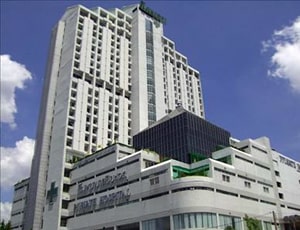
Piyavate Hospital
Bangkok, Thailand
Piyavate Hospital located in Bangkok, Thailand is accredited by JCI. Also listed below are some of the most prominent infrastructural details:
Medicine Centre: Piyavate Hospital provides advanced holistic treatment for their patients. They offer a complete range of services and physicians that specialize in various fields like the endocrine system, the nervous system, kidney function, cardiovascular care, respiratory and digestive system. They pride themselves for the familial care that they provide to their patients.
Fertility and In-Vitro Fertilization Centre: Helping the couples who walk into the Piyavate Hospital to achieve their dream of having a family. They have a medical team that specializes in male and female fertility. They offer consultation services, fertility check-up for both men and women and complete IVF services. They have advanced IVF cycle treatment facilities that offer a high rate of success.
Bone and Joint Institute: Piyavate Hospital houses one of the frontrunners in Orthopaedic health care in all of SouthEast Asia. They offer a wide range of services and surgeries in their bone and joint institute that include hand surgery, hip and knee replacement surgery, spinal cord surgery, upper extremity surgery, arthroscopic surgery and sports medicine.
Eye and Lasik Centre: Piyavate Hospital is fully equipped with the latest and most advanced technology for eye care and houses highly skilled ophthalmologists, sub-specialists and qualified nurses.
Physical Therapy and Rehabilitation Centre: One of the first hospitals to be equipped with the Hybrid Assistive Limb technology that will help a neurologically challenged patient to control the rehabilitation robot limb with a signal from their brain. The Physical Therapy and Rehabilitation Centre at Piyavate Hospital uses this system encourage patients to regain muscle memory to walk and function normally.
Amenities for Patient’s Family:
Piyavate Hospital also offers additional apartment facilities to house the kin of the patients who come to visit them from distant places. A restaurant, a flower shop and a café are a few of the other amenities provided by the hospital.
These are the most popular services offered by the Piyavate Hospital in Bangkok, Thailand. They also provide a plethora of other medical services that are listed below:
Diabetic Foot Centre
Check-up centre
Urology Centre
Heart Institute
Paediatric Centre
Obstetrics and Gynaecology Centre
Surgery Centre
Ear Nose Throat Centre
Haemodialysis Centre
Dental Centre
X-Ray Centre
Gastroenterology Centre
Cancer Centre
Neonatal Intensive Care Unit (NICU)
Emergency Services and Centre
Tele-medicine

Phyathai 2 International Hospital
Bangkok, Thailand
Phyathai 2 International Hospital located in Bangkok, Thailand is accredited by JCI. Also listed below are some of the most prominent infrastructural details:
- Fully equipped rooms are available for convenience of the patients- Gold B Room, Gold A Room, Pediatric Gold A, Platinum room, and Prestige ward
- Nearby accommodations are also available- Abloom Service Apartments, Bangkok Patio, VIB Best Western Sanam Pao, VIC3 Hotel
- Operating room
- International Patient Medical Center to assist overseas patients

Kasemrad Ramkhamhaeng Hospital
Bangkok, Thailand
Apart from in-detail treatment procedures available, Kasemrad Ramkhamhaeng Hospital located in Bangkok, Thailand has a wide variety of facilities available for International Patients. Some of the facilities which are provided by them are Accommodation, Airport Transfer, Choice of Meals, Interpreter, SIM, TV inside room. Also listed below are some of the most prominent infrastructural details:
- Initially started with 1.5 acres of land and expanded to 3.5 acres
- 139 beds, 39 Examination Rooms
- 13 Specialties Departments/Centers
- 24*7 Emergency Department
- Accommodation facilities are available- VIP rooms, Single special room, 6-bed dormitory, baby room
Our Services to better your experience
Opinion & Option
We submit the most accurate opinion and options from one or more countries for your review
Consult Privately
Consult with a certified specialist privately on our telemedicine platform even before you decide to travel
Logistics
We handle flights, visas, transfers, and accommodation—so you can focus on your health.
Recovery
Our In-house rehabilitation service packages to better your recovery and treatment outcome
Why Choose Thailand for Meniscus Tears?
The following are the main reasons to choose Thailand for Meniscus Tear treatment:
- Economical & Affordable Treatment: Surgery costs 60–80% less than in Western nations. Numerous medical facilities provide comprehensive packages, including surgery, hospitalisation, and rehabilitation.
- World-Class Medical Facilities & Highly Experienced Surgeons
- Use of modern technologies, including arthroscopy and robotically assisted surgery.
- Hospitals with International quality standards are ensured by JCI and NABH accreditations.
- Surgery With Minimal Invasiveness: Less scarring and quicker recovery are possible with arthroscopic meniscus repair. Shorter hospital stays and less pain, thanks to minimally invasive methods.
- Minimal Waiting Period: Unlike long waitlists in Western nations, consultations and operations can be scheduled immediately.
Frequently Asked Questions
Surgery may be required when a meniscus tear is broad and complicated or continues to cause pain, oedema, and instability in the joint after conservative measures like rest, physical therapy, and medication have failed. It is also necessary if the tear is impairing everyday activities, locking the knee, or limiting movement. Surgery may be required for athletes or active people to speed up their recuperation and prevent long-term joint damage.
Although it can affect any age group, meniscus tears are most frequently seen in young athletes and elderly people. Young athletes often experience as a result of abrupt twisting or trauma, particularly in high-impact sports. Wear and tear causes degenerative tears in middle-aged and older persons (over 40). Although they are uncommon, children with structural knee problems may also suffer from meniscus tears.
Though a meniscus tear is not directly passed on, genetic factors may raise the risk because they affect knee anatomy, joint stability, and collagen strength. Some people are more vulnerable to meniscus injuries because they may inherit poorer cartilage or diseases like osteoarthritis. But rather than being inherited, the majority of tears are caused by trauma, sports, or age-related deterioration.
A meniscus tear causes pain, oedema, and stiffness in the knee joint; it can drastically limit movement. Walking and other activities may become difficult due to the affected leg's inability to bend, straighten, or bear weight. Sometimes, the knee may lock or give way in extreme situations, reducing stability and range of motion.
To select Thailand's best physician and facility for treating meniscus tears, institutions accredited with JCI for modern and arthroscopy facilities must always be checked. Examine the surgeon's background, foreign education, and patient testimonials. You can get supported by speaking with a medical facilitator at mediGence to select the best doctor and facility.
Most hospitals in Thailand offer the following:
- Assistance in obtaining visas.
- Airport Service to and from the hospitals.
- Multilingual experts and Best accommodations services.
- Personalised treatment plans for patients from abroad.
Modern technologies, such as arthroscopy, robotic-assisted surgery, PRP therapy, and minimally invasive procedures, are available in most Thailand hospitals for the treatment of meniscus tears. Numerous hospitals have JCI accreditation, assuring top-notch care and quicker recuperation.
Yes, doctors in Thailand have extensive experience treating meniscus tears, and most have obtained apprenticeships at prestigious international institutes. They assure efficient treatment with superior results because of their expertise in arthroscopic meniscus repair, meniscectomy, and rehabilitation programs.
An untreated meniscus tear can cause cartilage degeneration, joint instability, and chronic discomfort. It may raise the risk of osteoarthritis, decreased mobility, and knee locking over time. In severe cases, it might result in irreversible joint degradation, necessitating more involved procedures like knee replacement.
Yes, a meniscus tear can significantly impact day-to-day functioning, athletic ability, and productivity at work. It can impair mobility by causing knee weakness, walking difficulties, oedema, and chronic pain. If left untreated, it may cause permanent impairment and a decline in general quality of life.
Yes, you can see top Ortho hospitals and doctors in Thailand for a second opinion on Meniscus treatment. Numerous prestigious medical facilities provide consultations with skilled doctors who will examine your diagnosis and suggest the best course of action.

Reviewer
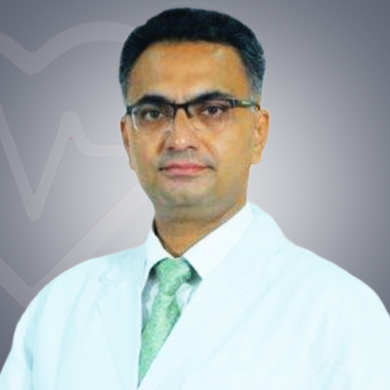
Dr. Puneet Mishra
Orthopaedic Surgeon
25 Years of Experience
Known among his patients for treating with compassion and personal care, Dr. Puneet Mishra is one of the best orthopedic surgeons in New Delhi. Dr. Puneet completed his MBBS from Maulana Azad Medical College in 1996 and from the same college he completed his MS (orthopedics) in 2000. With almost 25+ years of surgical experience under him, Dr. Pankaj takes pride in working with some of the finest medical institutions of the world such as University Hospital, Bern, Maulana Azad Medical College, New Delhi, Endoklinik, Germany, and Professor and Consultant orthopedician at Guru Teg Bahadur Hospital, New Delhi. View More
Last Reviewed - January 2026