Meningioma Treatment in Turkey
- Top Accredited Hospitals
- Global Medical Standards
- Cutting-Edge Technology
- Proven Treatment Options
- High Success Rate
- Trusted by Millions

What is Meningioma?
A meningioma is a tumour that develops from the meninges, the membranes enveloping the brain and spinal cord. Although it may pressure the surrounding brain, nerves, and veins, a meningioma is not a brain tumour. The most common type of tumour that develops in the head is meningioma.
The majority of meningiomas develop relatively slowly. They may develop without showing any symptoms over many years. However, they may sometimes seriously impair surrounding brain tissue, nerves, or arteries.
What is the Importance of Timely Treatment?
Early meningioma treatment depends on reducing prognosis, neurological consequences, and tumour growth. Early treatment reduces headaches, seizures, and intellectual impairment with treatment by radiation therapy or surgery that also prevents permanent brain damage. Improved quality of life and more significant potential for complete recovery are long-term benefits of the tumour's earlier treatment before the tumour gets large or becomes malignant. This also makes the removal more likely to be successful and decreases the risk of recurrence.
What are the Common Symptoms of Meningioma?
Meningioma symptoms tend to begin slowly. Initially, they may be hard to detect. The position of the meningioma in the brain can influence the symptoms. In some instances, it can be in the spine. Symptoms may include:
- Changes in vision, such as blurring or double vision.
- Worse morning headaches.
- Ringing in the ears or hearing loss.
- Loss of memory.
- Loss of odours.
- Seizures.
- Weakness in either the arms or legs.
- Difficulty speaking.
Causes and Risk Factors of Meningioma
Causes
- The aetiology of meningioma is unknown. However, specialists know that some meningeal cells are changed, causing them to grow uncontrollably and form a meningioma.
- The single environmental risk factor known for meningioma is exposure to childhood radiation.
Risk Factors
- Age
- Gender
- Radiation Exposure
- Genetic Factors
- Hormonal Factors
- Underlying Medical Conditions
Connect with our advisor for a PRIORITY response
Latest Research and Technologies in the Treatment of Meningioma in Turkey
Current advancements in treating meningioma in Turkey illustrate the country's commitment to integrating innovative surgical techniques with radiosurgical modalities. The efficacy of stereotactic radiosurgery in managing challenging tumor locations was underscored by a study involving 295 patients with residual Grade I meningiomas and reporting a tumor control rate of 94.5%. In addition, research on giant cerebral meningiomas has enhanced surgical procedures; in 19% of the cases, Simpson grade I resection was achieved, pointing to the complexity of the tumors.
Treatment options for Meningioma
Surgery is the most frequent treatment for symptomatic or large meningiomas. Its goal is to remove as much of the tumour as possible, mainly if it compresses the brain or spinal cord.
Radiation Therapy: Utilized when surgery is not feasible following surgery to decrease the risk of recurrence or in inoperable tumours. Stereotactic radiosurgery (e.g., Gamma Knife) is usually employed to destroy small tumours permanently.
Gamma Knife is stereotactic radiosurgery with highly focused radiation directed at treating meningiomas where surgery is not feasible or the tumour cannot be surgically removed. Gamma Knife delivers accurately targeted high doses of radiation directly to the tumour with minimal impact on adjacent brain tissue.
Cost Start From USD 8100 - USD 9900Explore Options
Brachytherapy: Radiotherapy, also known as brachytherapy, treats numerous malignancies. During treatment, radioactive seeds, capsules, or implants are placed surgically inside or near the tumour.
Cost Start From USD 2500 - USD 12400Explore Options
- MRI is the most successful and widely used imaging method for diagnosing meningiomas. It creates detailed brain and spinal cord images that reveal any surrounding tissue's size, location, and encroachment.
- Computed Tomography (CT) Scan: In the absence of or if MRI is unsuitable for the patient, a CT scan is often used to identify malignancies, particularly in emergencies.
- PositronEmissionTomography(PET)Scan: This imaging technique appropriately assesses metabolic activity and tumour growth, helping to determine the tumour's aggressiveness.
- Biopsy: To confirm the diagnosis and determine whether the tumour is benign or malignant, a tissue sample can be removed from it through either surgery or needle biopsy.
MediRehab (chain of Rehab centres - Part of MediGence) provides comprehensive rehabilitation services rehabilitation services to support patients through Teleconsulations and online therapy sessions.
- Physical Therapy: To assist the patient in restoring strength, enhancing mobility, and regaining motor skills if the tumour impacts movement or coordination.
- OccupationalTherapy assists patients in daily activities and restores independence, particularly if the tumour has affected fine motor skills or cognitive function.
- Speech and Language Therapy: For patients with speech, language, or swallowing problems, speech therapy may assist with swallowing and communication disorders.
- CognitiveRehabilitation: Cognitive therapy could restore memory, attention, or executive functioning if the tumour or its treatment impaired these psychological processes.
- Neuropsychological Support: To deal with emotional, psychological, or behavioural modifications produced by the tumour or its therapy, such as anxiety, depression, or alterations in personality.
- Depending on the situation, your healthcare professional may prescribe medicine to help control your symptoms and support the treatment plan.
Instantly Connect with our Specialists


Hospitals for Meningioma in Turkey

Medicana International Istanbul
Istanbul, Turkey
Medicana International Istanbul located in Istanbul, Turkey is accredited by ISO, JCI. Also listed below are some of the most prominent infrastructural details:
- Covers an indoor area of 30.000 m
- Capacity of 191 beds
- 34 ICUs
- 8 NICUs
- 8 Operation Theatres
- Inpatient Floors
- Outpatient Floors
- Internal and Surgical Intensive Unit Care
- Cardiovascular Surgery Intensive Care Unit
- Coronary Intensive Care Unit
- Neonatal Intensive Care Unit
- Patient comfort CIP, VIP and Standard Patient Rooms
- Intensive care patient rooms
- Technology Advancement- PET-CT, ERCP, BT/MR 1.5 Tesla

Medicana International Samsun Hospital
Samsun, Turkey
Medicana International Samsun Hospital located in Samsun, Turkey is accredited by ISO, JCI. Also listed below are some of the most prominent infrastructural details:
- International Samsun Hospital provides services in a closed area of 30.000 m2
- 9 elevators with pressure control have been designed for you in the hospital with 3 blocks, two of which are 11 floors and the other 10 floors
- Capacity of 249 beds
- 7 Operating Theatres
- 109 Intensive Care beds (19 Newborn, 7 Paediatric, 20 Coronary, 8 CVS, and 54 General)
- Laboratories - Biochemistry, Pathology, Hormone, Microbiology, Sleep Lab
- IVF Center
- Oncology Center
- The Hospital serves patients with a team of about 99 specialists and academicians in 40 branches and 631 employees
- Medicana International Samsun uses advanced technology & modern equipment such as BT/MR 1.5 Tesla, 3d Conformal, Thermal Welding, Holmium Laser, 4D Ultrasonography, Color Doppler Ultrasonography, Mammography, and Radiotherapy; in order to perform safe, authentic and quick treatment
- All kinds of rooms are available for the patients- Single, Suite and VIP Rooms. Patient rooms are equipped with the latest technology and comfort
- Amenities provided in the room for patients and their relatives- TV and Minibar in each room, 24-hour interrupted Cafeteria service, central air-conditioning ventilation system in each room, Internet access, phones in rooms, and much more
- Cafeteria/Restaurant
- Pharmacies on Duty
- Parking lot with a capacity for 50 vehicles

Medicana International Ankara Hospital
Ankara, Turkey
Medicana International Ankara Hospital located in Ankara, Turkey is accredited by ISO, JCI. Also listed below are some of the most prominent infrastructural details:
- Area of 20.000 m2
- Capacity for 207 bed capacity
- 8 Operating rooms
- 26 Observation beds
- 17 internal and surgical intensive care units
- 9 cardiovascular intensive care units
- 10 incubators
- 5 Coronary Intensive Care Unit
- Neonatal intensive care unit (NICU)
- IVF Center
- Advanced Oncology Unit
- Bone Marrow Center
- Organ Transplant Center
- Cardiology center
- Obesity Center
- Clinical Services
- In-house Pharmacies
- Parking capacity of 50 vehicles and free valet service
- Patients rooms are fully equipped and categorized as Suite room, VIP room and standard room
Our Services to better your experience
Opinion & Option
We submit the most accurate opinion and options from one or more countries for your review
Consult Privately
Consult with a certified specialist privately on our telemedicine platform even before you decide to travel
Logistics
We handle flights, visas, transfers, and accommodation—so you can focus on your health.
Recovery
Our In-house rehabilitation service packages to better your recovery and treatment outcome
Why Choose Turkey for Meningioma Treatment?
Turkey is a Desirable destination for meningioma treatment due to its world-class medical centres, experienced neurosurgeons, and advanced machines such as the Gamma Knife and CyberKnife. The country has personalised care based on every patient and cost-effective treatment options without compromising quality.
Frequently Asked Questions
In Turkey, Meningiomas are not continuously operated on. It is generally recommended if the tumour is large, expanding rapidly, or symptomatic because such situations can interfere with brain function or lead to neurological issues. Still, doctors will opt for regular imaging and surveillance if the tumour is small, expanding slowly, and asymptomatic. Other treatments, such as radiation therapy, can be considered in cases where surgery is not safe or feasible. Several factors, such as the health of the patient and the tumour size and location, affect the decision.
Radiation therapy is used to treat meningiomas where surgery is impossible or to prevent the tumour from recurring after surgery. It benefits malignancies that are hard to reach or recur following removal. The treatment uses focused beams of radiation to slow down or prevent the growth of the tumour. A less invasive alternative to surgery, it may also be used for slow-growing, small, asymptomatic tumours. Radiation therapy suppresses any symptoms and controls the tumour.
In fact, after treatment, meningiomas can recur, especially if they were not entirely removed or were malignant or atypical. Aggressive tumours with large sizes or those that are difficult to access tend to recur. Recurrent atypical (grade II) and malignant (grade III) meningiomas are more frequent than benign ones. To reduce the risk of recurrence, radiation therapy can be given even after surgery. Regular imaging follow-up is sometimes needed to look for any sign of regrowth.
In Turkey, meningioma treatment is usually successful, mainly if early diagnosis and advanced surgical techniques are employed. The position of the tumour, its size, and whether it is malignant or benign determine how effective a treatment is. Advanced facilities, well-trained surgeons, and customised treatment result in high recovery and good outcomes for most patients, particularly when appropriate follow-up care and rehabilitation are administered.
Meningiomas can cause seizures, mainly if the tumour is located in or near brain areas that control electrical activity. The growth of the tumour can press on surrounding brain tissue, disrupting normal brain function and potentially causing seizures. Seizures are common in patients with meningioma, mainly if the tumour is large or located in an area such as the frontal or temporal lobes.
A balanced diet, consistent light exercise, stress-reduction methods, and enough sleep may improve general health throughout meningioma treatment. Avoiding alcohol and tobacco use can also improve health, and routine medical exams are necessary to monitor tumour progression or recurrence. A few lifestyle changes can help manage symptoms and improve healing.
Depending on the patient's size, location, and overall condition, it may take several weeks to several months to heal after meningioma surgery in Turkey. Most patients can resume normal activities in 4–6 weeks, though full recovery may take longer if additional therapies such as radiation are required. Rehabilitation and postoperative follow-ups are essential for monitoring progress and ensuring complete recovery.
A diagnosis of a person with a meningioma typically has a good prognosis for benign (grade I) tumours, which boast a high success rate of survival and usually cause complete recovery once treated. Whilst atypical (grade II) and malignant (grade III) meningiomas are more predisposed to relapse and, in some cases, can require additional therapy, most individuals can recover if given the proper treatment. The size, position, grade, extent of resection, and overall patient health all influence the overall prognosis.
Yes, you can get a second opinion on Meningioma treatment in Turkey through MediGence. With MediGence, you can connect with highly experienced professionals from top Turkish hospitals who can provide additional information regarding your diagnosis and treatment options. The platform facilitates easy access to professional help so you can make informed healthcare choices and receive the best care possible.
To find a certified cancer specialist, search MediGence’s website, which offers a list of top-class and internationally trained oncologists from Turkey's best hospitals. Through MediGence, you can search the profiles of specialists, check their credentials, reviews, and experience, and book online consultations. To get the best care for your condition, the website also assists you in finding the best hospitals and provides personalised assistance for your health requirements.

Reviewer
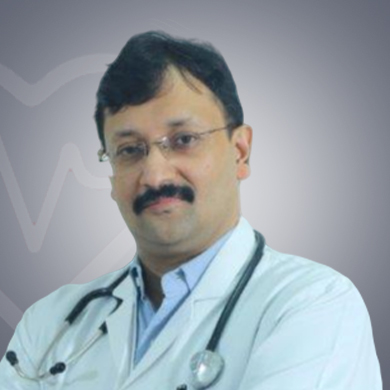
Dr. Mohit Agarwal
Medical Oncologist
14 Years of Experience
One of the finest Oncologist in New Delhi, India, Dr. Mohit Agarwal has worked with several world class multidisciplinary hospitals over the years. Dr. Mohit Agarwal has over 14+ years of experience in his field. The doctor treats and manages a wide range of conditions such as Stomach Cancer, Rectal Cancer, Breast Cancer, Brain Cancer View More
Last Reviewed - January 2026