Melanoma Treatment in Malaysia
- Top Accredited Hospitals
- Global Medical Standards
- Cutting-Edge Technology
- Proven Treatment Options
- High Success Rate
- Trusted by Millions

What is Melanoma?
Melanoma is a kind of skin cancer that arises from melanocytes, cells that produce pigment. The melanin that gives skin its colour is produced by these cells. Melanoma is more hazardous than other forms of skin cancer because, if left untreated, it can spread to different parts of the body.
Type of Melanoma
There are different types of skin melanoma. The most common types are:
- Superficial spreading melanoma: Approximately 7 out of 10 skin melanomas are of this sort. Initially, these tumours may seem like a dark patch on the skin that is growing larger or changing shape since they tend to spread outward on the skin's surface. Some of these melanomas begin in pre-existing moles, while others do not.
- Nodular melanoma: This type of skin cancer accounts for about 2 out of 10 cases of skin melanomas. These tumours frequently appear on the skin as a noticeable, elevated protrusion called a nodule. These nodules are usually dark brown or black but can also be pink or red. As a result, they may be challenging to locate early. By the time they are discovered, nodular melanomas are frequently more advanced than superficial spreading melanomas because they tend to grow somewhat early into deeper layers of the skin.
- Lentigo maligna melanoma: Older adults are more likely to develop this kind of melanoma. An area that receives a lot of sunlight, like the face, ears, or arms, frequently manifests as an irregularly shaped tan or brown patch. Over time, it usually grows slowly or undergoes other changes.
- Acral lentiginous melanoma (acral melanoma): This kind of melanoma begins in places like the palms of the hands, the soles of the feet, or beneath the nails that aren't exposed to the sun. People with darker complexions are likelier to have acral melanomas than other types.
What is the Importance of Timely Treatment
Timely treatment of skin Melanoma is crucial for many possible reasons :
- Preventing Spread- Early detection can prevent melanoma from spreading to other body sites, including lymph nodes and distant organs. It can be treated promptly when detected early, boosting the chances of a successful course of treatment.
- Improving Survival- Early treatment of melanoma dramatically increases the likelihood of both long-term survival and successful treatment. Early intervention reduces the chance that the cancer may spread to more advanced stages, which are more difficult to cure and have a reduced chance of survival.
- Preserving Quality of Life - Early treatment usually results in fewer complications and side effects, allowing patients to live better lives.
- Psychological Benefits- Early diagnosis and treatment can reduce stress and anxiety linked with the uncertainty of untreated cancer.
- Minimising treatment complexity- Early-stage melanomas require less invasive procedures, hence minimising treatment procedures, leading to less tissue removal and faster recovery.
What are the Common Symptoms of Melanoma
- New and unusual mole growth on the skin or changes in existing mole.
- The asymmetry of the unusual growth is not the same as the other.
- The edges are irregular. Notched, ragged or blurred.
- The skin is uneven, with shades of black and brown.
- The spot or mole is more significant than 6mm.
Causes and Risk Factors of Melanoma
The exact causes of Melanoma are not entirely understood, but several factors are involved in its development.
Causes
- UV Radiation: One of the leading causes is exposure to ultraviolet (UV) light from tanning beds or the sun. UV rays harm skin cells' DNA, causing mutations that may eventually lead to melanoma.
- Genetic Mutations: About 50% of melanoma cases have the BRAF gene, the most frequent genetic mutation linked to the disease.
- Family History: A family history of skin melanoma can increase the risk of melanoma due to shared genetic factors.
Risk Factors
- Fair Skin
- Excessive sun exposure- People living near the equator or at a high altitude are more prone to developing skin melanoma due to excessive UV rays exposure.
- History of Sunburns
- Numerous or Atypical Moles
- Family History
- Weakened Immune System
- Older Age
- Male gender
Connect with our advisor for a PRIORITY response
Latest Research and Technologies in the Treatment of Skin Melanoma in Malaysia
Treatment for cutaneous melanoma is progressing in Malaysia thanks to new treatments like gene therapy research, customized mRNA vaccines, and possible future choices like tumor-infiltrating lymphocyte (TIL) therapy. While teledermatology and artificial intelligence (AI) techniques are boosting early detection and management, nanotechnology is increasing drug delivery for immunotherapies. These developments demonstrate Malaysia's growing emphasis on individualised and state-of-the-art melanoma care..
Skin Melanoma Prevention Tips
Taking proactive steps to shield your skin from damaging UV rays and preserving the general health of your skin is key to preventing skin melanoma. Here are some tips:
Sun Protection
- Use sunscreen of a broad spectrum with an SPF of not less than 30, even on cloudy days or while working indoors in front of laptops or computers.
- Wear protective clothing
- Stay in the shade when the UV radiation peaks from 10 am to 4 pm.
- Avoid tanning beds. Instead, use a cosmetic spray tan.
Regular Skin Checks
- Check for new moles or changes to existing ones on your skin regularly. Use the ABCDE rule to find suspect areas: Color change, asymmetry, uneven borders, diameter greater than 6 mm, and evolution.
- Schedule a Skin examination with a dermatologist, especially if you have a family history of skin melanoma.
Healthy Lifestyle
- Maintain a balanced diet rich in fibres that include fruits, vegetables and antioxidants for overall skin health. Drink plenty of water or water containing fruits for skin’s hydration.
Treatment options for Melanoma
Generally, Melanoma treatment depends upon your overall health and the stage of melanoma.
Melanoma Surgery: Surgery has a good chance of curing your melanoma if it is in its early stages. A dermatologist typically performs this procedure in an office, using a local anaesthetic to numb the skin before excising the melanoma and its margins (the healthy skin around it).
Lymphadenectomy: It can be necessary to remove the lymph nodes close to the initial diagnosis site in cases when melanoma has spread. By doing this, the disease may not spread to other parts of your body.
Metastasectomy: It is used to remove small melanoma fractions from organs.
Targeted Therapy : This therapeutic option targets particular cancer cells using medications. By targeting cancer cells, this "targeted" strategy spares healthy cells.
Cost Start From USD 2000 - USD 10000Explore Options
Immunotherapy : Immunotherapy restores your immune system to help fight the cancer.
Cost Start From USD 15000 - USD 50000Explore Options
Radiation Therapy: Treatments using high-energy rays to target cancer cells and reduce tumour size are known as radiation therapy.
Chemotherapy : Advanced or metastatic melanoma may be treated with conventional chemotherapy medications, although these are less frequently utilised than immunotherapy or targeted therapy. Chemotherapy kills cancer cells that divide quickly and can be given orally or intravenously.
Cost Start From USD 1500 - USD 3500Explore Options
Clinical Evaluation
- Medical History: Assemble information about symptoms, medical history and risk factors involved.
- Physical Examination: Check for the signs of unusual moles or skin color changes.
Imaging Studies
- Dermoscopy
- Reflectance Confocal Microscopy (RCM)
Biopsy
- Excisional Biopsy
- Punch Biopsy
- Sentinel Lymph Node Biopsy
Laboratory Tests
- Histopathology
- Genetic Testing- Finds genetic alterations linked to an increased risk of Melanoma, including those in the CDKN2A and MC1R genes.
MediRehab (a chain of Rehab centres, part of MediGence) provides comprehensive rehabilitation services to support patients through Teleconsulations and online therapy sessions.
Lifestyle changes and modification
Nutrition is supported by dietary changes that include high-fiber foods and supplements, and wellbeing is improved by lifestyle modifications including abstaining from alcohol and controlling stress. Meditation and yoga are beneficial for mental health and stress reduction.
Physical Rehabilitation
Post melanoma surgery, especially if a large area of skin is removed or lymph nodes are involved, physical rehabilitation like PT increases strength, flexibility and movement of the affected region. Scar management helps in managing scars and contractures.
Lymphedema Management
Lymphedema, or swelling brought on by fluid accumulation, can happen if lymph nodes are removed during melanoma treatment, particularly in the arms or legs, for which manual lymphatic exercises are performed to promote fluid movement.
Depending on the circumstances, your doctor might recommend medication to help manage your symptoms and complement the course of treatment.
Instantly Connect with our Specialists


Hospitals for Melanoma in Malaysia
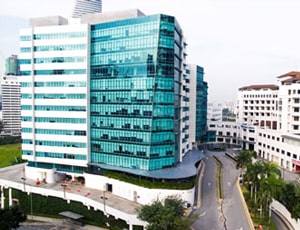
Parkway Pantai
Kuala Lumpur, Malaysia
Parkway Pantai located in Kuala Lumpur, Malaysia is accredited by JCI. Also listed below are some of the most prominent infrastructural details:
- Capacity of 335 beds
- 200+ specialist Doctors
- Critical Care Unit
- Neonatal Intensive Care Unit
- Operating Theatre
- International Patient Care Center
- Types of rooms available- Premier Suite, Supreme Suite, Deluxe Single Room, 2-bedded room, 4-bedded room, Deluxe Suite, Premier Single room, and Supreme Single room

Sunway Medical Centre
Kuala Lumpur, Malaysia
Sunway Medical Centre has initiated a comprehensive expansion plan close to its current hospital facility to enhance its ability to provide services to the global market. The new Cancer Radiosurgery Center and Nuclear Medicine Center, which will also house additional Centers of Excellence like the Digestive Health Center and Dialysis Center, marked the completion of Tower C's first phase in October 2016.

Prince Court Medical Centre
Kuala Lumpur, Malaysia
Prince Court is a private medical facility in the center of Kuala Lumpur that has 277 individual beds. Our dedication is to provide you with the best treatment possible from the time you arrive until you depart, healthier and happier. We are well-known for our top-notch facilities, cutting-edge technology, and friendly customer service.
Our Services to better your experience
Opinion & Option
We submit the most accurate opinion and options from one or more countries for your review
Consult Privately
Consult with a certified specialist privately on our telemedicine platform even before you decide to travel
Logistics
We handle flights, visas, transfers, and accommodation—so you can focus on your health.
Recovery
Our In-house rehabilitation service packages to better your recovery and treatment outcome
Why Choose Malaysia for Melanoma Treatment?
- World-Class Healthcare Facilities: Malaysia's modern hospitals and medical facilities have the newest technologies to spot and treat Melanoma Skin Cancer. Many hospitals have dedicated Dermatology departments for skin care and surgery for Melanoma with experienced and skilled oncologist surgeons.
- Affordable Treatment: Hospitals in Malaysia offer melanoma treatment at a substantially lesser cost than many Western nations without sacrificing care quality. Patients who receive top-notch care should anticipate significant cost reductions on everything from surgery to cutting-edge treatments like radiation and immunotherapy.
- Comprehensive Treatment Options: Malaysia provides a holistic approach to treating melanoma, including immunotherapy, targeted treatments, radiation therapy, and surgical resection. To better treat melanoma, new developments like gene treatments and tailored therapy are becoming more widely available.
- Advanced Diagnostic tools: Advanced diagnostic treatments like lymphadenectomy and metastasectomy are available in Malaysian hospitals to ensure precise diagnosis and treatment planning.
- Post-Treatment and Rehabilitation Care: Patients with melanoma can receive complete rehabilitation programs in Malaysia that include mental support, dietary counselling, and physical therapy. Patients who receive ongoing care and follow-up services are guaranteed access to the emotional support and monitoring they require while recovering.
Frequently Asked Questions
Treatment success rates for melanoma skin cancer are reasonable in Malaysia, especially when the disease is diagnosed early.
Compared to Western nations, Malaysia has a comparatively low prevalence of melanoma among its primarily Asian population. Nonetheless, awareness and early detection initiatives are growing to enhance results.
Melanoma can spread swiftly and become life-threatening in as little as six weeks if not detected and treated promptly.
Melanoma can be treated in many cases, particularly if it is discovered early and has not spread.
The prognosis for melanoma skin cancer in Malaysia is consistent with worldwide patterns, and the stage of diagnosis has a significant impact on survival rates. The 5-year survival rates for late stages (Stage IV) of melanomas are significantly lower, ranging from 11% to 18%, whereas the rates for early stages (Stages I and II) range from 68% to 93%. These figures highlight how crucial early detection and timely treatment are to better results.
Regional melanoma has a 5-year survival rate of about 75%, distant melanoma about 35%, and localised instances have a 5-year survival rate of over 99%. Results are greatly enhanced by early detection and therapy.
Depending on the type of surgery, recovery time following melanoma surgery varies. Most wounds heal in one to three weeks following a large local excision. Healing usually takes one to two weeks following a sentinel lymph node biopsy. If a skin transplant were used, recovery could take three to four weeks. Attending all follow-up appointments and following your doctor's wound care instructions are crucial for a speedy recovery.
Malaysian hospitals employ cutting-edge diagnostic technologies such as high-resolution imaging, genetic profiling, and biopsy procedures to guarantee early and precise melanoma identification.
Malaysia is a cost-effective choice for those seeking treatment because it provides top-notch medical care at affordable costs compared to several Western nations.
Malaysia's healthcare system accepts patients from abroad and provides excellent TNBC treatments at many clinics and hospitals.
Many Malaysian hospitals offer in-person and online consultations to foreign patients who want a second opinion. You can get support by speaking with a medical tourism facilitator at MediGence to select the best doctor and facility. It provides specialised rehabilitation programs.
The stage of the cancer and the reaction to treatment are two variables that affect success rates; nonetheless, Malaysia adheres to international treatment guidelines, which improve survival rates for both early and advanced melanoma.

Reviewer

Dr. Mohit Agarwal
Medical Oncologist
14 Years of Experience
One of the finest Oncologist in New Delhi, India, Dr. Mohit Agarwal has worked with several world class multidisciplinary hospitals over the years. Dr. Mohit Agarwal has over 14+ years of experience in his field. The doctor treats and manages a wide range of conditions such as Stomach Cancer, Rectal Cancer, Breast Cancer, Brain Cancer View More
Last Reviewed - January 2026