Macular Hole Treatment in Turkey
- Top Accredited Hospitals
- Global Medical Standards
- Cutting-Edge Technology
- Proven Treatment Options
- High Success Rate
- Trusted by Millions

What is a macular hole?
A macular hole is a break or opening in the macula, or a full-thickness defect in the central part of the retina responsible for sharp, detailed vision. A macular hole can impair central vision, which is vital for tasks like reading, driving, and recognising faces.
What is the Importance of Timely Treatment?
Early diagnosis helps determine the type, size, and stage of a macular hole and allows timely treatment planning. Surgery can improve the likelihood of hole closure and visual recovery, although the outcome depends on factors such as hole size, duration, and retinal health.
What are the common symptoms of a Macular Hole?
- Blurred vision
- Distorted vision
- Straight lines might look bent or curvy
- Difficult to read small print
- A dark or blind spot in the centre of your sight.
- Decreased clarity of vision
Causes and Risk Factors of a Macular Hole
Causes
- Vitreous shrinking: Age-related changes in the vitreous gel can cause it to separate from the retina. If traction persists at the macula, it may lead to a full-thickness macular hole.
- Trauma: any direct injury may lead to the formation of the macular hole
- Disease condition: some disease conditions, like diabetic retinopathy, can cause damage to the macula and retina
- Myopia: a persistent high degree of myopia (nearsightedness) may make a person susceptible to a macula hole
- Macula pucker: a scar tissue membrane on the macula may cause a hole.
Risk Factors
- Older age
- High myopia (severe short-sightedness).
- Previous eye surgery, related to retinal or cataract procedures.
- Any eye injury or eye trauma.
- Some retinal conditions that affect the macula.
Latest Research and Technologies in the Treatment of Macular Hole in Turkey
- Advances in macular hole treatment include high-resolution optical coherence tomography (OCT), small-gauge vitrectomy, and internal limiting membrane (ILM) peeling or flap techniques. OCT helps assess the hole's size and structure, while ILM flap techniques can improve closure rates in selected large or complex cases. Research conducted in Türkiye also continues to evaluate surgical outcomes and OCT-based predictors of recovery. Researchers are exploring intraoperative OCT and modified flap techniques for difficult or recurrent macular holes, although evidence for some newer approaches remains limited. Treatment choice depends on the hole's size, duration, cause, and the patient's retinal health, and the availability of advanced technology varies by hospital.
Treatment options for Macular Hole
Vitrectomy : is also known as macular hole surgery. During the procedure, the surgeon removes the vitreous gel pushing on the macula and replaces it with an air bubble or gas. This bubble acts as a temporary "band-aid," holding the edges of the macular hole together while it heals. Your surgeon may recommend face-down positioning for a period after surgery, depending on the size of the hole and the surgical technique
Cost Start From 3500Explore Options
- Clinical assessment:
- Medical examination: The doctor may ask for a detailed medical history and an overview of the signs and symptoms the patient has experienced.
- Slit lamp examination: a common eye test to check the eyes' overall health
- Dilated fundus examination: the pupil is dilated to examine the retina and macula using specialized instruments to look for a macular hole and other retinal changes.
- Imaging Tests:
- Optical Coherence Tomography (OCT): the gold standard test for the diagnosis of macular hole. The main imaging test for diagnosing a macular hole. It provides a detailed cross-sectional image of the retina and helps determine the hole's size, stage, and extent.
- OCT angiography (OCTA): May be used in some selected cases to assess the retinal blood vessels around the macula, particularly when other retinal abnormalities are suspected.
- No medication can directly repair a macular hole. Some supportive medicines, such as antibiotic or anti-inflammatory eye drops, may sometimes be prescribed after the treatment to prevent infection and control inflammation. These medications do not treat the hole but support recovery. The ophthalmologist should guide treatment and follow-up.
Instantly Connect with our Specialists


Hospitals for Macular Hole in Turkey

Medical Park Karadeniz Hospital
Trabzon, Turkey
Apart from in-detail treatment procedures available, Medical Park Karadeniz Hospital located in Trabzon, Turkey has a wide variety of facilities available for International Patients. Some of the facilities which are provided by them are Accommodation, Airport Transfer, Choice of Meals, Interpreter, TV inside room. Also listed below are some of the most prominent infrastructural details:
- Situated in an area of 12.000 square meter
- Capacity of 107 beds
- Intensive Care Unit (17 beds)
- Neonatal ICU (NICU- 12 beds)
- 6 Operating Rooms
- Cafeteria

Medipol Bahçelievler Hospital
Istanbul, Turkey
Medipol Bahcelievler Hospital is a medical institution providing a full range of medical and individualized approaches to its patients. Medipol has the ambition to bring high quality and maximum security to people in need by employing state-of-the-art technologies in medicine. They ensure that the health of the patients is improved by fashioning unique physician specialty treatment programs.
Medipol Bahcelievler Hospital provides an exceptional position in the healthcare industry with a policy of clear communication, professionalism, and reliability to patient expectations. Medipol Bahçelievler Hospital is situated in the European Side of Istanbul, dedicated to 24-hour health care for you and your loved ones, equipped with a fully functional operation theatre and ICUs with state-of-the-art equipment, laboratory, emergency, and advanced treatment rooms
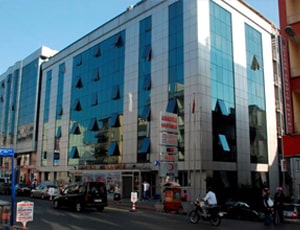
Eregli Anadolu Hospital
Zonguldak, Turkey
Apart from in-detail treatment procedures available, Eregli Anadolu Hospital located in Zonguldak, Turkey has a wide variety of facilities available for International Patients. Some of the facilities which are provided by them are Accommodation, Airport Transfer, Choice of Meals, Interpreter, SIM, TV inside room. Also listed below are some of the most prominent infrastructural details:
- Latest cutting edge technology applied in the diagnostic and medical treatment equipment and processes.
- Complex and critical conditions have been treated by the hospital over time.
- Inbuilt area is 9000 square meters
- 130 inpatient bed capacity
- 30 physicians working in the hospital
- A number of polyclinics
- Diagnostic facilities such as with imaging, sleep labs, biochemistry labs
- Emergency rooms available
- Intensive care units for critical cases
- Operation theatres with latest facilities
Our Services to better your experience
Opinion & Option
We submit the most accurate opinion and options from one or more countries for your review
Consult Privately
Consult with a certified specialist privately on our telemedicine platform even before you decide to travel
Logistics
We handle flights, visas, transfers, and accommodation—so you can focus on your health.
Recovery
Our In-house rehabilitation service packages to better your recovery and treatment outcome
Why Choose Turkey for Macular Hole Treatment?
- Accredited hospital: Turkey has advanced, highly specialized hospitals backed by top-tier JCI- and NABH-accredited eye hospitals that use advanced optical coherence tomography (OCT) and high-success surgical techniques.
- Specialised surgeons: Turkey vitreoretinal surgeons routinely handle complex cases using international protocols.
- Modern diagnostic procedures: Patients may have access to advanced ophthalmic procedures like micro-incision vitrectomy surgery (MIVS), and specialised centres offer internal limiting membrane (ILM) peeling or flap techniques to support diagnosis and treatment planning.
- International patient support: Some hospitals provide appointment coordination, treatment planning, accommodation assistance and language support for overseas patients.
- Postoperative care: Before travelling, patients should confirm the follow-up schedule, positioning requirements and arrangements for managing complications or additional treatment
Frequently Asked Questions

Reviewer

Dr. Vidit Tripathi
ENT Surgeon
24 Years of Experience
One of the finest ENT Surgeon in New Delhi, India, Dr. Vidit Tripathi, has worked with several world class multidisciplinary hospitals over the years. Dr. Vidit Tripathi has over 24+ years of experience in his field. The specialist treats and manages a wide range of conditions such as Goiter, Radiation Necrosis in Neck, Neck Injury, Perforates Eardrum View More
Last Reviewed - January 2026