Liver Cirrhosis Treatment in Thailand
- Top Accredited Hospitals
- Global Medical Standards
- Cutting-Edge Technology
- Proven Treatment Options
- High Success Rate
- Trusted by Millions

What is Liver Cirrhosis?
Liver Cirrhosis is a progressive disease in the liver whereby healthy liver tissues are gradually replaced by scar tissues, eventually leading to the liver's loss of function. Here, the liver has to endure lots of pressure before Liver Cirrhosis sets in; this interferes with liver functions such as processing nutrients, filtering toxic substances, and synthesising vital proteins like clotting factors.
Prolonged alcohol intake, chronic viral infections such as hepatitis B and C, fatty liver disease, and certain genetic disorders are some of the factors responsible for causes of Liver Cirrhosis.
What is the Importance of Timely Treatment?
- Prevention of Disease Progression: Timely treatment can stop the progression of liver cirrhosis towards liver dysfunction or end-stage liver disease through a good prognosis.
- Preventing Complications: An early approach will reduce the risk of severe complications such as liver cancer, variceal bleeding, and ascites.
- Symptom Relief: Treatment will alleviate some of the most common symptoms like fatigue, jaundice, and swelling, leading to greater enjoyment of life.
- Improvement with Therapy: The sooner Liver Cirrhosis is treated, the better medication results and lifestyle adjustment can be obtained.
- Improve Patient Survival: If the condition is treated on time, it provides them a better future and allows the liver to function longer.
What are the Common Symptoms of Liver Cirrhosis?
- Fatigue and Weakness
- Jaundice (Yellowing of the Skin and Eyes)
- Swelling in the Abdomen and Legs (Edema and Ascites)
- Easy Bruising and Bleeding
- Itchy Skin (Pruritus)
- Loss of Appetite and Weight Loss
- Nausea and Vomiting
- Confusion and Memory Problems (Hepatic Encephalopathy)
- Spider-Like Blood Vessels on the Skin (Spider Angiomas)
- Red Palms (Palmar Erythema)
Causes and Risk Factors of Liver Cirrhosis
Causes
- Chronic Alcohol Consumption
- Chronic Viral Hepatitis (Hepatitis B, C, and D)
- Non-Alcoholic Fatty Liver Disease (NAFLD)
- Autoimmune Hepatitis
- Bile Duct Diseases (Primary Biliary Cirrhosis, Primary Sclerosing Cholangitis)
- Hemochromatosis (Iron Overload)
- Wilson’s Disease (Copper Overload)
- Medications and Toxins
- Chronic Heart Failure (Cardiac Cirrhosis)
- Liver Disease from Poor Nutrition
Risk Factors
- Excessive Alcohol Consumption
- Chronic Hepatitis B and C Infections
- Obesity
- Type 2 Diabetes
- Family History of Liver Disease
- Age
- Gender
- Unhealthy Diet and Poor Lifestyle
- Exposure to Toxins and Chemicals
- High Cholesterol and High Blood Pressure
Connect with our advisor for a PRIORITY response
Latest Research and Technologies in the Treatment of Liver Cirrhosis in Thailand
Minimally invasive procedures like transjugular intrahepatic portosystemic shunt (TIPS) and radiofrequency ablation (RFA) are employed to control portal hypertension and lower the risks of liver cancer. These studies include stem cell therapies for the regeneration of liver tissue, reducing fibrosis, and postponing the need for transplant. Targeted antifibrotic drugs are undergoing clinical trials in an attempt to slow or reverse liver damage. This country showcases robust liver transplant programs with high success rates offered through live donors and cadaveric options.
Liver Cirrhosis Prevention Tips
Being On A Healthy Diet
Healthy eating involves a pleasing and balanced diet with various fruits, vegetables, whole grains, and healthy fats that help with immune health. Fish oil and flaxseed oils contain omega-3s that may be necessary to curb inflammation.
Stress Management
Stress has a chronic negative impact on the immune system. Developing skills to manage stress through relaxing techniques like yoga, meditation, and deep breathing may help relieve some tension in the immune system.
Being Physically Active
Moderate exercises strengthen the immune system. Regular physical activities fight inflammation, thus promoting general health and reducing the chances of developing an autoimmune disease.
Avoid Environmental Triggers
Minimise exposure to environmental toxins, such as pollutants, chemicals, and tobacco smoke, that burden the immune system and cause autoimmune responses.
Regular Health Checkups and Screening
With regular health checkups, the presence of some autoimmune diseases could be delayed or sometimes prevented through early detection and management of the risk factors involved. Risk factors may include vitamin D deficiency, family history of autoimmune disease, etc.
Treatment options for Liver Cirrhosis
The medical treatment for Liver Cirrhosis requires evaluating the severity and patient medical condition. The following are the treatment options:
Liver Transplantation: For some patients with end-stage liver disease, liver transplantation may be the sole treatment option. Careful evaluation of candidates between the two options, namely timing and suitability of surgery.
Cost Start From USD 45000 - USD 60000Explore Options
These are the standard diagnostic methods for diagnosing Liver Cirrhosis:
Blood test
- Liver Function Tests (LFT): Analyze enzymes and proteins in the blood, including ALT, AST, bilirubin, and albumin, to assess liver injury and liver function.
- Coagulation Profile: To assess potential blood clotting problems since cirrhosis might interfere with liver function and affect the formation of clotting factors.
- Complete Blood Count (CBC): To determine if the patient has anaemia, infection, or thrombocytopenia, which may arise in cirrhosis.
- Tests for Hepatitis B and C: These tests are for possible infections causing liver damage and cirrhosis.
Imaging Studies
- Ultrasound: A non-invasive road to assessing liver size, shape, and texture, as well as for manifestations of cirrhosis such as a nodular liver surface or fluid accumulation.
- CT Scan: This provides better-defined pictures of the liver and blood vessels with varices or ascites.
- MRI: MRI gives spectacular images of the liver tissue, aiding early identification of cirrhosis and liver complications: tumours and anomalies in the bile duct.
Biopsy
- A liver biopsy is defined as removing a small piece of liver tissue, which becomes the gold standard for diagnosing cirrhosis and determining its severity when examined with a microscope. However, this is usually reserved for situations when all other investigations are inconclusive.
- Elastography (FibroScan): Non-invasive assessment of liver stiffness by ultrasound with implications for the classification of the stage of liver fibrosis. It is widely performed to assess injury to the liver in cirrhosis.
- Endoscopy: In the setting of portal hypertension presumed secondary to cirrhosis, endoscopy may be done to assess for oesophagal varices (dilated veins in the oesophagus), one of the common complications of cirrhosis.
MediRehab (a chain of Rehab centres, part of MediGence) provides comprehensive rehabilitation services to support patients through Teleconsulations and online therapy sessions.
Nutritional Support
There is nutrition specific to the individual regarding ascites, oedema, adequate protein intake, and supplementation for lacking nutrients. The protein intake may change clinically based on liver function and encephalopathy.
Physical Rehabilitation
Exercise rehab is primarily suitable for building strength, reducing fatigue, and improving mobility; this is occupational therapy, which determines balance training and energy management in lessening weakness.
Psychosocial Support
Counselling helps with emotional stress, while support groups foster connections with others. Therapy can also address issues such as anxiety and depression that might be aggravated due to suffering from a chronic illness.
Management of the Complications
Rehabilitation involves the management of ascites with diuretics and preparing the patients for liver transplantation. Apart from symptoms, monitoring focuses mainly on complications.
Education Support
Patient education concerning disease management, symptom monitoring, and medication use is provided. In addition, training in self-care provides patients with ways to prevent complications and enhance their care.
Diuretics remove excessive fluid retention by swelling, and in cirrhosis, lactulose is treated by detoxification effects. It controls the disease caused by hepatitis in managing cirrhosis when it primarily reduces liver inflammation. The medications are cumulatively offered to treat the symptoms and delay the disease progression.
Instantly Connect with our Specialists


Hospitals for Liver Cirrhosis in Thailand

Phyathai 2 International Hospital
Bangkok, Thailand
Phyathai 2 International Hospital located in Bangkok, Thailand is accredited by JCI. Also listed below are some of the most prominent infrastructural details:
- Fully equipped rooms are available for convenience of the patients- Gold B Room, Gold A Room, Pediatric Gold A, Platinum room, and Prestige ward
- Nearby accommodations are also available- Abloom Service Apartments, Bangkok Patio, VIB Best Western Sanam Pao, VIC3 Hotel
- Operating room
- International Patient Medical Center to assist overseas patients
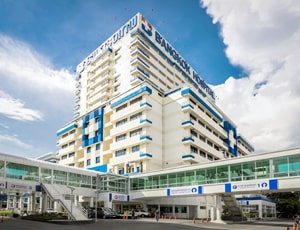
Bangkok Hospital
Bangkok, Thailand
Bangkok Hospital located in Bangkok, Thailand is accredited by JCI. Also listed below are some of the most prominent infrastructural details:
- It is recognised for the application of the newest healthcare technology.
- Blood analysis center that is not just the best in Thailand but in Asia Pacific as well.
- Biomolecule center that is the seed of healthcare equipment for Thailand and overseas.
- International affiliations and collaborations with universities and hospitals in Japan and the United States of America.
- 11 hospitals are recognised as Centers of Excellence.
- Known excellence in Trauma, Orthopedics, Cardiovascular, Neurology as well as Cancer Care.
- There is a proper streamlined patient services process followed in Bangkok Dusit Medical Services, Bangkok, Thailand.
- A well developed research center showcases the intent of the organisation to provide research based treatment opportunities to the patients.
- The group has several Medical industry partnerships as well to ensure healthcare solutions.

Vejthani Hospital
Bangkok, Thailand
Vejthani Hospital located in Bangkok, Thailand is accredited by NABH, NABL. Also listed below are some of the most prominent infrastructural details:
- It is among the topmost private hospitals functioning in Thailand.
- The bed capacity of the hospital is 263.
- There are more than three hundred thousand patients visiting the hospital every year.
- Vejthani hospital has more than 40 outpatient clinics and centers.
- International patient care center with all kinds of services: air ambulance, transfers, travel, stay, embassy liaison, patient coordinators, prayer rooms, visa coordination and translators for 20 languages.
- The special facilities are:
- International Certified Laboratory
- 10 Operating Rooms
- Radiology Section: Portable X-ray, CT-scan and C-ARM and MRI
- Neonatal Critical Care Unit
- Water-jet technique applied for liposuction
- Computer navigation and mini-invasive technique for Joint Replacement surgery
Our Services to better your experience
Opinion & Option
We submit the most accurate opinion and options from one or more countries for your review
Consult Privately
Consult with a certified specialist privately on our telemedicine platform even before you decide to travel
Logistics
We handle flights, visas, transfers, and accommodation—so you can focus on your health.
Recovery
Our In-house rehabilitation service packages to better your recovery and treatment outcome
Why Choose Thailand for Liver Cirrhosis Treatment?
The following are the much-growing reasons for Thailand being frequented for liver cirrhosis treatment:
Internationally Accredited Liver Centers
The liver centres in Thailand are supported by top-class hospitals with JCI accreditation, liver transplant programs, and expert hepatologists, providing them high success rates.
Advanced Therapeutics And Diagnostics
Advanced diagnostic technologies such as FibroScan, MRI elastography, antiviral treatments, antifibrotics, and regenerative therapies ensure that individual treatment plans can be developed for the patient.
Low-Cost Treatments
The price of liver cirrhosis treatment in Thailand is significantly lower than in Western countries, but this does not compromise the quality and safety of the treatments.
High Access to Liver Transplant Programs
Highly reputed hospitals in Thailand with skilled surgical teams offer living and cadaveric donor liver transplantation with excellence in post-transplant care.
Complete Patient Support and Wellness Programs
Patients are given a holistic approach to managing their lifestyle and promoting a healthy way of life, including nutritional counselling and regular wellness monitoring for cirrhosis complications and improving their quality of life.
Frequently Asked Questions
Stage cirrhosis is one of the most challenging, non-reversible illnesses that can be controlled by earlier treatment. Management of symptoms and limiting the complications which be caused in advanced-stage cases in some instances require a liver transplant.
Diagnosis is form-based by blood tests (liver function tests), imaging (ultrasound, CT, MRI), elastography (FibroScan), liver biopsy, and endoscopy for assessing damage to the liver and complications like varices.
Yes, cirrhosis substantially increases the risk for liver cancer (hepatocellular carcinoma) due to all the scarring and changes in the liver cells over time.
Treatment involves addressing the underlying causative agent, preventing complications, and alleviating symptoms. Medications, lifestyle modifications, handling complications (like ascites), and liver transplants are the standard treatment options available.
Yes, refraining from alcohol consumption, eating a balanced diet, managing weight, and taking medication as prescribed will help slow the progress of cirrhosis and improve liver health.
Symptoms can be controlled using medication (ascites, encephalopathy), regular check-ups, and lifestyle changes. In some instances, paracentesis or endoscopic treatment may also be required for certain complications.
The prognosis depends on the extent of cirrhosis and the actual underlying cause. With early detection and treatment, most people live for years with cirrhosis. However, complications that progress to advanced cirrhosis often end with liver failure, which may also demand a liver transplant.
Thailand welcomes thousands of international patients every year for liver cirrhosis treatment. Hospitals provide multilingual staff, international patient departments, and tailor-made treatment plans for patients from abroad.
It depends on what kind of treatment is concerned: diagnostics and medication might take a week, while surgery or transplants would take longer. Hospitals will provide specific itineraries depending on your condition and treatment plan.
Yes, the hospitals are well-equipped to handle cirrhosis complications like ascites, variceal bleeding, and hepatic encephalopathy. Advanced interventional radiology and endoscopy services are readily available.

Reviewer

Dr. Akash Khandelwal
Hematologist
9 Years of Experience
Dr. Akash Khandelwal is a distinguished Hematologist, Hemato-oncologist, and Bone Marrow Transplant (BMT) Physician with extensive training from the prestigious AIIMS New Delhi. His expertise encompasses a wide range of specialized techniques in bone marrow transplantation, including autologous and allogeneic transplants such as matched sibling donors, matched unrelated donors (MUD), and haploidentical donor transplants. Dr. Khandelwal has personally supervised and conducted over 100 bone marrow transplants. View More
Last Reviewed - January 2026