Liver Cirrhosis Treatment in India
- Top Accredited Hospitals
- Global Medical Standards
- Cutting-Edge Technology
- Proven Treatment Options
- High Success Rate
- Trusted by Millions

What is Liver Cirrhosis?
Liver Cirrhosis is a progressive disease in the liver whereby healthy liver tissues are gradually replaced by scar tissues, eventually leading to the liver's loss of function. Here, the liver has to endure lots of pressure before Liver Cirrhosis sets in; this interferes with liver functions such as processing nutrients, filtering toxic substances, and synthesising vital proteins like clotting factors.
Prolonged alcohol intake, chronic viral infections such as hepatitis B and C, fatty liver disease, and certain genetic disorders are some of the factors responsible for causes of Liver Cirrhosis.
What is the Importance of Timely Treatment?
- Prevention of Disease Progression: Timely treatment can stop the progression of Liver Cirrhosis towards further liver dysfunction or, as far as the end-stage liver disease, can maintain a good prognosis.
- Preventing Complications: An early approach will reduce the risk of severe complications such as liver cancer, variceal bleeding, and ascites.
- Symptom Relief: Treatment will alleviate some of the most common symptoms like fatigue, jaundice, and swelling, leading to greater enjoyment of life.
- Improvement with Therapy: The sooner Liver Cirrhosis is treated, the better medication results and lifestyle adjustment can be obtained.
- Improve Patient Survival: If the condition is treated on time, it provides them a better future and allows the liver to function longer.
What are the Common Symptoms of Liver Cirrhosis?
- Fatigue and Weakness
- Jaundice (Yellowing of the Skin and Eyes)
- Swelling in the Abdomen and Legs (Edema and Ascites)
- Easy Bruising and Bleeding
- Itchy Skin (Pruritus)
- Loss of Appetite and Weight Loss
- Nausea and Vomiting
- Confusion and Memory Problems (Hepatic Encephalopathy)
- Spider-Like Blood Vessels on the Skin (Spider Angiomas)
- Red Palms (Palmar Erythema)
Causes and Risk Factors of Liver Cirrhosis
Causes
- Chronic Alcohol Consumption
- Chronic Viral Hepatitis (Hepatitis B, C, and D)
- Non-Alcoholic Fatty Liver Disease (NAFLD)
- Autoimmune Hepatitis
- Bile Duct Diseases (Primary Biliary Cirrhosis, Primary Sclerosing Cholangitis)
- Hemochromatosis (Iron Overload)
- Wilson’s Disease (Copper Overload)
- Medications and Toxins
- Chronic Heart Failure (Cardiac Cirrhosis)
- Liver Disease from Poor Nutrition
Risk Factors
- Excessive Alcohol Consumption
- Chronic Hepatitis B and C Infections
- Obesity
- Type 2 Diabetes
- Family History of Liver Disease
- Age
- Gender
- Unhealthy Diet and Poor Lifestyle
- Exposure to Toxins and Chemicals
- High Cholesterol and High Blood Pressure
Connect with our advisor for a PRIORITY response
Latest Research and Technologies in the Treatment of Liver Cirrhosis in India
The medical treatment of Liver Cirrhosis in India adapts the newest research and technologies to meet worldwide clinical standards and healthcare capabilities.
- Stem Cell Therapy: STEM cells are being used in therapies tested in India as treatment methods for Liver Cirrhosis. Various clinics advertise stem cell treatment, asserting that the treatment is safer and more effective than the traditional methods.
- Advanced imaging techniques: They, based on modern technology, provide early assessment of liver fibrosis and possible timely intervention, whereas monitoring of liver cirrhosis and other disease stages becomes feasible without invasive modalities.
- Antifibrotic agents: They are under investigation to reverse liver fibrosis and prevent progression to Liver Cirrhosis, therefore reducing the need for liver transplantation.
- Digital health refers to interventions consisting of application-based tools or biometric devices for live monitoring of liver function, improving patient engagement, and alerting for early detection of complications.
Liver Cirrhosis Prevention Tips
- Being On A Healthy Diet: Healthy eating involves a pleasing and balanced diet with various fruits, vegetables, whole grains, and healthy fats that help with immune health. Fish oil and flaxseed oils contain omega-3s that may be necessary to curb inflammation.
- Stress Management: Stress has a chronic negative impact on the immune system. Developing skills to manage stress through relaxing techniques like yoga, meditation, and deep breathing may help relieve some tension on the immune system.
- Being Physically Active: Moderate exercises strengthen the immune system. Regular physical activities fight inflammation, thus promoting general health and reducing the chances of developing an autoimmune disease.
- Avoid Environmental Triggers: Minimize exposure to environmental toxins, such as pollutants, chemicals, and tobacco smoke, that would place an extra burden on the immune system and cause autoimmune responses.
- Regular Health Checkups and Screening: With regular health checkups, the presence of some autoimmune diseases could be delayed or sometimes prevented through early detection and management of the risk factors involved. Risk factors may include vitamin D deficiency, family history of autoimmune disease, etc.
Treatment options for Liver Cirrhosis
The medical treatment for Liver Cirrhosis requires evaluating the severity and patient medical condition. The following are the treatment options:
Liver Transplantation: For some patients with end-stage liver disease, liver transplantation may be the sole treatment option. Careful evaluation of candidates between the two options, namely timing and suitability of surgery.
Cost Start From USD 25000 - USD 35000Explore Options
These are the standard diagnostic methods for diagnosing Liver Cirrhosis:
- Blood test:
- Liver Function Tests (LFT): Analyze enzymes and proteins in the blood, including ALT, AST, bilirubin, and albumin, to assess liver injury and liver function.
- Coagulation Profile: To assess potential blood clotting problems since cirrhosis might interfere with liver function and affect the formation of clotting factors.
- Complete Blood Count (CBC): To determine if the patient has anaemia, infection, or thrombocytopenia, which may arise in cirrhosis.
- Tests for Hepatitis B and C: These tests are for possible infections causing liver damage and cirrhosis.
- Imaging Studies:
- Ultrasound: A non-invasive road to assessing liver size, shape, and texture, as well as for manifestations of cirrhosis such as a nodular liver surface or fluid accumulation.
- CT Scan: This provides better-defined pictures of the liver and blood vessels with varices or ascites.
- MRI: MRI gives spectacular images of the liver tissue, aiding early identification of cirrhosis and liver complications: tumours and anomalies in the bile duct.
- Biopsy:
- A liver biopsy is defined as removing a small piece of liver tissue, which becomes the gold standard for diagnosing cirrhosis and determining its severity when examined with a microscope. However, this is usually reserved for situations when all other investigations are inconclusive.
- Elastography (FibroScan): Non-invasive assessment of liver stiffness by ultrasound with implications for the classification of the stage of liver fibrosis. It is widely performed to assess injury to the liver in cirrhosis.
- Endoscopy: In the setting of portal hypertension presumed secondary to cirrhosis, endoscopy may be done to assess for oesophagal varices (dilated veins in the oesophagus), one of the common complications of cirrhosis.
MediRehab (a chain of Rehab centres, part of MediGence) provides comprehensive rehabilitation services designed to support patients in India. Additional services are as per the patient's requirement. These services include:
- Nutritional Support: There is nutrition specific to the individual regarding ascites, oedema, and adequate protein intake, along with supplementation for lacking nutrients. The protein intake may change clinically based on liver function and encephalopathy.
- Physical Rehabilitation: Exercise rehab is primarily suitable for building strength, reducing fatigue, and improving mobility; this is occupational therapy, which determines balance training and energy management in lessening weakness.
- Psychosocial Support: Counseling works on emotional stress, while support groups foster connections with others. Therapy can also address issues such as anxiety and depression that might be aggravated due to suffering from a chronic illness.
- Management of the Complications: Rehabilitation involves the management of ascites with diuretics and preparing the patients for liver transplantation. Apart from symptoms, monitoring focuses mainly on complications.
- Education Support: Patient education concerning disease management, symptom monitoring, and medication use is provided. In addition, training in self-care provides patients with ways to prevent complications and enhance their care.
Diuretics remove excessive fluid retention by swelling, and in cirrhosis, lactulose is treated by detoxification effects. It controls the disease caused by hepatitis in managing cirrhosis when it primarily reduces liver-stop inflammation. The medications are cumulatively offered to treat the symptoms and delay the disease's progression.
Instantly Connect with our Specialists


Hospitals for Liver Cirrhosis in India

BLK-Max Super Speciality Hospital
Delhi, India
BLK-Max Super Speciality Hospital, located in New Delhi, is the leading best-in-class healthcare institution in India, providing tertiary and quaternary care. 650 + beds including 162 critical care beds, 22 OTs with 1,500+ clinical professionals allied to health are at the hospital's disposal. JCI, NABH, and NABL accredited. The hospitals are a leader in transplants, cancer care, and robotic surgery education and implementation. Established in1959 by Dr. B.L. Kapur, the hospital combines state-of-the-art technology with patient-centric values including compassion, efficiency, and consistency.
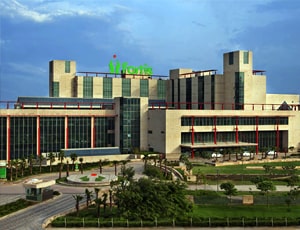
Fortis Memorial Research Institute
Gurgaon, India
Fortis Healthcare Limited stands as one of India's largest integrated healthcare providers, managing 33 hospitals across 11 states and operating more than 5,700 beds and 400 diagnostic labs. Four of our hospitals are accredited by JCI and 26 by NABH. With a workforce of over 12,500 healthcare professionals, we combine clinical excellence, a patient-focused approach, and innovation to provide high-quality, affordable, and compassionate healthcare to patients in India.

Apollo Hospital International Limited
Ahmedabad, India
Apollo Hospital International Limited located in Ahmedabad, India is accredited by JCI, NABH. Also listed below are some of the most prominent infrastructural details:
- Hospital with 234 bed capacity
- Credit for doing the autologous stem cell transplant when a patient has acute myeloid Leukemia
- Regular transplants of cell and bone marrow
- A 1.5 Tesla MRI scan is available, only healthcare organisation in Gujarat with this option
- Success percentage of 90 when critical oncology procedures are done
- Diagnostics such as Blood Tests, X-Ray, Echo and Cardiac related tests
- International Patient Care related facilities: Accommodation, Airport Transfer, Meals per choice, Interpreter, SIM, TV inside room
- Excellent line up of doctors, surgeons and healthcare professionals such as nurses, technicians
Our Services to better your experience
Opinion & Option
We submit the most accurate opinion and options from one or more countries for your review
Consult Privately
Consult with a certified specialist privately on our telemedicine platform even before you decide to travel
Logistics
We handle flights, visas, transfers, and accommodation—so you can focus on your health.
Recovery
Our In-house rehabilitation service packages to better your recovery and treatment outcome
Why Choose India for Liver Cirrhosis Treatment?
The following are the much-growing reasons for India being frequented for liver cirrhosis treatment:
- World-Class Health Services Affordable Costs: The nation brings proficiency in advanced medical technologies and treatments, including high-quality care at often dissimilar cost ratios of Western countries.
- Most Qualified Professionals: Patients will find internationally trained, renowned hepatologists, surgeons, and specialists in liver diseases. Medical and individualised treatment options will go hand in hand with the value of the care provided by the best experts in India.
- Complete Medical Services: From advanced diagnostic tools such as elastography and imaging to liver transplants, it's not that India has fallen short of modern infrastructures but has gone the extra mile to provide patients with cutting-edge facilities for total liver cirrhosis treatment.
- Mature Medical Tourism: India is gaining importance as a central international hub in medical tourism, with many accredited hospitals providing excellent service towards international patients for easy accessibility, visa assistance, and organised packages.
- Holistic Treatment: Most hospitals in India work towards a mainstream plus traditional treatment regime, including even Ayurvedic treatments, for complete liver health recovery and wellness, thus attending to emotional and physical wellness.
Frequently Asked Questions
Stage cirrhosis is one of the most challenging, non-reversible illnesses that can be controlled by earlier treatment. Management of symptoms and limiting the complications which be caused in advanced-stage cases in some instances require a liver transplant.
Diagnosis is form-based by blood tests (liver function tests), imaging (ultrasound, CT, MRI), elastography (FibroScan), liver biopsy, and endoscopy for assessing damage to the liver and complications like varices.
Yes, cirrhosis substantially increases the risk for liver cancer (hepatocellular carcinoma) due to all the scarring and changes in the liver cells over time.
Treatment involves addressing the underlying causative agent, preventing complications, and alleviating symptoms. Medications, lifestyle modifications, handling complications (like ascites), and liver transplants are the standard treatment options available.
Yes, refraining from alcohol consumption, eating a balanced diet, managing weight, and taking medication as prescribed will help slow the progress of cirrhosis and improve liver health.
Symptoms can be controlled using medication (ascites, encephalopathy), regular check-ups, and lifestyle changes. In some instances, paracentesis or endoscopic treatment may also be required for certain complications.
The prognosis depends on the extent of cirrhosis and the actual underlying cause. With early detection and treatment, most people live for years with cirrhosis. However, complications that progress to advanced cirrhosis often end with liver failure, which may also demand a liver transplant.
India offers world-class medical facilities with highly advanced technology but very affordable prices. It is famous for highly skilled doctors, including hepatologists and liver surgeons, offering quality treatment at a fraction of the cost compared to Western countries.
The time taken for treatment depends upon the stage of cirrhosis and the treatment needed. For more complex cases, advanced cases where a liver transplant is required, the entire evaluation, pre-surgery therapies, and recovery process may take several weeks to months to complete.
India has a high success rate for liver transplants, while many hospitals have comparable success rates to institutions in other parts of the world. The success rates may range from 85 to 90 per cent, depending on the hospital and the patient's overall health.

Reviewer

Dr. Akash Khandelwal
Hematologist
9 Years of Experience
Dr. Akash Khandelwal is a distinguished Hematologist, Hemato-oncologist, and Bone Marrow Transplant (BMT) Physician with extensive training from the prestigious AIIMS New Delhi. His expertise encompasses a wide range of specialized techniques in bone marrow transplantation, including autologous and allogeneic transplants such as matched sibling donors, matched unrelated donors (MUD), and haploidentical donor transplants. Dr. Khandelwal has personally supervised and conducted over 100 bone marrow transplants. View More
Last Reviewed - January 2026