Lennox-Gastaut Syndrome Treatment in Malaysia
- Top Accredited Hospitals
- Global Medical Standards
- Cutting-Edge Technology
- Proven Treatment Options
- High Success Rate
- Trusted by Millions

What is Lennox-Gastaut Syndrome?
Lennox-Gastaut Syndrome is a developmental and epileptic encephalopathy that usually begins during early childhood. It is characterised by multiple seizure types, particularly tonic, atonic, and atypical absence seizures, along with characteristic EEG findings such as slow spike-and-wave discharges and generalised paroxysmal fast activity. Many patients also experience developmental, cognitive, behavioural, or learning difficulties.
What is the Importance of Timely Treatment?
Timely treatment helps identify the cause of the patient's condition, classify the seizure type, reduce seizure frequency, prevent injury, and support cognitive function and daily skills. Specialist diagnosis should be especially timely in patients with severe, frequent seizure disorders that cannot be managed easily, are associated with falls, or are accompanied by developmental irregularities.
What are the Common Symptoms of Lennox-Gastaut Syndrome?
- Tonic Seizures: Sudden stiffening of the muscles, which may occur particularly during sleep.
- Atonic Seizures: Sudden loss of muscle tone that can cause head drops or falls.
- Atypical Absence Seizures: Episodes of reduced awareness that may begin and end gradually.
- Myoclonic Seizures: Brief, sudden muscle jerks that may affect one or more parts of the body.
- Developmental or Learning Difficulties: Cognitive and developmental challenges may occur or become more evident over time.
- Behavioural Changes: The condition may be accompanied by attention, communication, mood, or behavioural difficulties.
Causes and Risk Factors of Lennox-Gastaut Syndrome
Causes
- Brain Developmental Abnormalities: Structural brain abnormalities can contribute to LGS.
- Genetic Conditions: Genetic variants and chromosomal abnormalities may be associated with LGS.
- Brain Injury: Hypoxic-ischemic injury, birth-related brain injury, or previous neurological damage may contribute.
- Central Nervous System Infections: Conditions such as encephalitis or meningitis may cause brain injury associated with LGS.
- Tuberous Sclerosis Complex: Certain neurocutaneous disorders can be associated with LGS.
- Metabolic Disorders: Some metabolic or mitochondrial disorders may contribute to epileptic encephalopathy.
- Unknown Cause: In some patients, no specific underlying cause can be identified despite detailed evaluation.
Risk Factors
- Early-Onset Epilepsy: Severe epilepsy beginning in infancy or early childhood may increase the risk.
- Infantile Spasms: A history of infantile spasms is associated with subsequent development of LGS in some children.
- Structural Brain Abnormalities: Developmental or acquired brain lesions can increase susceptibility.
- Genetic Disorders: Certain genetic conditions may predispose children to severe epilepsy.
- Previous Brain Injury: Significant neurological injury can contribute to epileptic encephalopathy.
- CNS Infections: Previous serious infections affecting the brain may increase risk.
- Neurocutaneous Disorders: Conditions such as tuberous sclerosis can be associated with LGS.
Latest Research and Technologies in the Treatment of Lennox-Gastaut Syndrome in Malaysia
- Advances in Lennox–Gastaut syndrome care include prolonged video-EEG monitoring, epilepsy-protocol MRI, genetic testing, dietary therapy, and surgical assessment for drug-resistant seizures. VNS and procedures such as corpus callosotomy may be considered when seizures remain difficult to control, particularly when repeated drop attacks cause injuries. More specialised tests, including PET and SPECT, may be used during presurgical evaluation when appropriate. These options are not suitable for everyone, and treatment decisions should be made by an experienced epilepsy team based on the patient's seizure pattern, investigations, and overall needs.
Treatment options for Lennox-Gastaut Syndrome
Treatment is individualised based on seizure type, underlying cause, age, developmental status, previous treatment response, and overall health. Options may include:
Vagus Nerve Stimulation : VNS may be considered for some patients with drug-resistant epilepsy.
Cost Start From 22000Explore Options
Corpus Callosotomy : This palliative procedure may be considered for selected patients with severe drop attacks.
Epilepsy treatment : Patients with a clearly identified focal brain abnormality may undergo specialist surgical evaluation for potentially resective treatment.
Neuromodulation: Selected patients may be evaluated for advanced neuromodulation approaches when conventional treatments are insufficient.
- Clinical assessment:
- Seizure History: Detailed assessment of seizure type, frequency, duration, triggers, and response to treatment.
- Developmental Assessment: Evaluation of cognitive, language, motor, and developmental abilities.
- Neurological Examination: Assessment of muscle strength, coordination, reflexes, movement, and neurological function.
- Behavioural Assessment: Evaluation of attention, behaviour, communication, and emotional functioning.
- Medication Review: Assessment of previous antiseizure medicines and treatment response.
- Functional Assessment: Evaluation of mobility, daily activities, learning, and independence.
- Imaging Tests:
- Video EEG: Long-term video-EEG helps classify seizures and identify characteristic electrical patterns associated with LGS.
- Sleep EEG: Sleep recording is particularly important because characteristic seizure activity and EEG abnormalities may become more evident during sleep.
- Brain MRI: MRI helps identify structural abnormalities, developmental malformations, tumors, or previous brain injury.
- PET Scan: FDG-PET may help identify abnormal areas of brain metabolism during specialised epilepsy evaluation.
- SPECT Scan: Ictal or interictal SPECT may be used in selected patients undergoing presurgical evaluation.
- EEG-fMRI: This specialised technique can help investigate brain networks involved in epileptic activity and may support complex epilepsy evaluation.
MediRehab (a chain of Rehab centres, part of MediGence) provides comprehensive rehabilitation services designed to support Lennox-Gastaut Syndrome patients in Malaysia. These services include:
- Depending on individual needs, it may include physiotherapy, occupational therapy, speech and language therapy, developmental support, behavioral interventions, nutritional support, and educational assistance.
- Medicines are a major part of LGS management and are usually selected based on seizure type and individual response. Treatment may involve one medicine or a carefully selected combination, depending on seizure types, treatment response, age, and potential side effects. Some patients may also be considered for supervised ketogenic dietary therapy or device-based and surgical treatments if seizures remain uncontrolled.
Instantly Connect with our Specialists


Hospitals for Lennox-Gastaut Syndrome in Malaysia

Prince Court Medical Centre
Kuala Lumpur, Malaysia
Prince Court is a private medical facility in the center of Kuala Lumpur that has 277 individual beds. Our dedication is to provide you with the best treatment possible from the time you arrive until you depart, healthier and happier. We are well-known for our top-notch facilities, cutting-edge technology, and friendly customer service.

Ara Damansara Medical Centre
Kuala Lumpur, Malaysia
Situated at the junction of Petaling Jaya and Shah Alam, close to the Oasis Ara, Ara Damansara Medical Centre boasts a serene, luxurious ambiance.
The Centre has been awarded several prestigious awards such as the Global Health Asia Pacific Awards 2023, Newsweek Best Specialized Hospital APAC 2023, Healthcare Asia Awards 2023, and Malaysian Healthcare Wellness Excellence.

Subang Jaya Medical Centre
Kuala Lumpur, Malaysia
Subang Jaya Medical Center is renowned for pioneering radiation oncology treatments and infrastructure in Malaysia. The hospital also has a state-of-the-art Cancer Radiosurgery Centre (CRC), which is fully furnished with the latest medical technology for cancer detection, monitoring, and treatment.
Our Services to better your experience
Opinion & Option
We submit the most accurate opinion and options from one or more countries for your review
Consult Privately
Consult with a certified specialist privately on our telemedicine platform even before you decide to travel
Logistics
We handle flights, visas, transfers, and accommodation—so you can focus on your health.
Recovery
Our In-house rehabilitation service packages to better your recovery and treatment outcome
Why Choose Malaysia for Lennox-Gastaut Syndrome Treatment?
- Experienced Epilepsy Specialists: Malaysia has pediatric neurologists, epileptologists, neurosurgeons, neurophysiologists, and rehabilitation specialists experienced in managing complex epilepsy.
- Advanced Epilepsy Diagnostics: Leading centres may offer prolonged video-EEG, epilepsy-protocol MRI, PET, SPECT, and specialised presurgical evaluation.
- Comprehensive Treatment Options: Eligible patients may have access to multiple antiseizure medicines, dietary therapies, neuromodulation, and epilepsy surgery.
- Multidisciplinary Care: Neurology, neurosurgery, genetics, rehabilitation, nutrition, psychology, and developmental specialists can assess complex LGS cases.
- Personalised Treatment: Treatment plans are tailored to seizure types, underlying cause, age, developmental status, and previous treatment response.
- Long-Term Rehabilitation: Patients can receive therapy focused on mobility, communication, development, education, and independence.
- International Patient Support: Many Malaysian hospitals provide international patient services, including treatment coordination, appointments, travel assistance, accommodation support, and follow-up.
Frequently Asked Questions
Author

Pragun Gupta
Pragun Gupta is a Doctor of Pharmacy (Pharm. D.) professional from Teerthanker Mahaveer University with hands-on experience in clinical pharmacology, clinical research, and evidence-based medical writing. Through her clinical and research exposure, she has developed a strong interest in pharmacoeconomics, pharmacology, therapeutics, and pharmacovigilance.
As a medical writer, she works on medical and scientific research articles, patient education materials, and healthcare-focused content. Her clinical research and evidence-based writing experience enables her to translate complex medical information into clear, accurate, patient-friendly content while maintaining scientific credibility and medical accuracy. Her primary aim is to make healthcare information accessible and easy for patients and general readers to understand.
View MoreReviewer
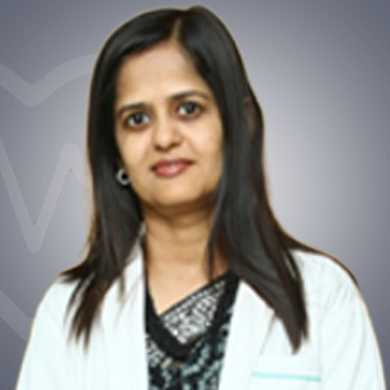
Dr Sonal Gupta
Neurosurgeon
29 Years of Experience
Dr. Sonal Gupta has an experienced neurosurgeon with more than 29+ years of clinical expertise. She is currently the Director, Neuro & Spine Surgery at Fortis Hospital, Shalimar Bagh. Before joining Fortis, she has been associated with various organizations such as Maharaja Agrasen Hospital, Action Balaji Hospital, and Max Hospital. View More
Last Reviewed - January 2026