Kaposi Sarcoma Treatment in India
- Top Accredited Hospitals
- Global Medical Standards
- Cutting-Edge Technology
- Proven Treatment Options
- High Success Rate
- Trusted by Millions

What is Kaposi Sarcoma?
In Kaposi sarcoma, cancerous cells are detected in the skin lining the gastrointestinal (GI) system, which includes the stomach and intestines and expands from the mouth to the anus.
These tumours can migrate to lymph nodes and the lungs and manifest as purple patches or nodules on the skin and mucous membranes. Patients with weakened immune systems and men are more likely to develop Kaposi sarcoma.
Type of Kaposi Sarcoma
There are many types of Kaposi Sarcoma-
- AIDS-related or epidemic Kaposi sarcoma- This kind affects those who have HIV, or the human immunodeficiency virus. The virus that causes AIDS is called Human Immunodeficiency Virus.
- Transplant-associated or iatrogenic Kaposi sarcoma- It usually occurs in people who take medicine to control the immune system after an organ transplant.
- Classic Kaposi sarcoma- It affects older people with Middle Eastern, Mediterranean, and Eastern European ancestry. Usually developing slowly, it can result in edema in places like the legs.
- Endemic Kaposi sarcoma- It affects young people in Africa. It may develop slowly on the skin or quickly inside the body.
What is the Importance of Timely Treatment?
Timely treatment of Kaposi Sarcoma is vital for many reasons since it may significantly affect the patient's general health and the course of the illness.
- Prevents Disease Progression: It can spread quickly in patients with weak immune systems, such as HIV or AIDs. Early treatment aids in stopping the cancer's spread and keeps it from reaching potentially fatal internal organs, including the liver, lungs, or digestive tract.
- Improves Survival Rates: Early diagnosis and treatment are associated with better survival outcomes, especially with therapies like chemotherapy, or radiation therapy, which can lead to better survival outcomes.
- Reduces Symptoms and Complications: Kaposi Sarcoma may result in discomfort, edema, and painful lesions. The patient's quality of life can be enhanced by early treatment, which can help lessen these symptoms and avoid problems, including bleeding, infections, or organ malfunction.
- Limits Spread to Other Parts of the Body: Untreated KS can spread to other body parts, especially critical organs. Cancer might be easier to monitor and treat if prompt action prevents its spread.
What are the Common Symptoms of Kaposi Sarcoma?
- Skin Lesions: The initial indications of Kaposi are typically malignant lesions (spots) on the skin that can be flat or elevated and are purple, red, or brown.
- Mucous Membrane Lesions: Lesions appear in the mouth, throat and other mucous membranes.
- Swelling: Painful swelling in the legs and feet can result from lesions on the legs or groin area obstructing fluid flow.
- Respiratory Symptoms: shortness of breath and coughing up blood can also be caused by the presence of lesions in the lungs.
- Gastrointestinal Symptoms: Abdominal pain, diarrhoea, and bleeding—which may result in black, tarry stools or apparent blood in the stool—can be caused by lesions in the stomach and intestines.
Causes and Risk Factors of Kaposi Sarcoma
Human herpesvirus 8 (HHV-8) infection is the primary cause of KS. However, the chance of having KS is increased by several risk factors.
- Infection with HHV-8, sometimes referred to as Kaposi Sarcoma-associated herpesvirus (KSHV), is the leading cause of Kaposi Sarcoma. Although most HHV-8 carriers do not get KS, the virus can promote aberrant blood vessel growth, resulting in the disease's development.
- A weakened Immune System in patients of HIV/AIDS or Organ transplant recipients is the primary cause of developing Kaposi Sarcoma.
- Geographical regions are also responsible for developing KS, and people residing in sub-Saharan Africa and Mediterranean countries are more prone to developing KS.
- Kaposi Sarcoma is more common in adults aged between 50-70.
- Men are at higher risk of developing KS.
Connect with our advisor for a PRIORITY response
Latest Research and Technologies in the Treatment of Kaposi Sarcoma in India
Stem cell therapy is being investigated as a possible treatment for KS, especially for patients with severe immunosuppression. However, it is still in the experimental stage. Fighting cancer may aid in immune cell regeneration and restoring normal immunological function. Many emerging therapies are being explored, like immunotherapies and molecular diagnostics, that are still undergoing clinical trials to improve patient outcomes, particularly for patients with compromised immune systems, such as those living with AIDS/HIV.
These developments provide more effective, individualised treatment plans, improving patients' quality of life and survival rates.
Kaposi Sarcoma Prevention Tips
Maintaining a healthy immune system and lowering the chance of infection with the Kaposi sarcoma-associated herpesvirus (KSHV) are two ways to prevent Kaposi sarcoma (KS). Here are some tips:
- Avoid HIV infection- Safe sex practices should be taken under consideration for avoiding HIV infections.
- Avoid sharing needles to prevent the chances of HIV transmission.
- Maintain a healthy immune system by improving lifestyle modifications such as eating a well-balanced diet, exercising regularly, and maintaining a sleep-wake cycle to support the immune system.
- Routine Medical check-ups are suggested to help detect any early signs of KS for prompt treatment.
Treatment options for Kaposi Sarcoma
Treatment options for Kaposi sarcoma (KS) differ based on the type and stage of the disease and the patient's overall health. The following are a few current treatments:
Radiation Therapy: Treatments using high-energy rays to shrink and control KS lesions. Specifically targeting localised lesions.
Chemotherapy : KS may be treated with conventional chemotherapy medications, although these are less frequently utilised than immunotherapy or targeted therapy. Chemotherapy kills cancer cells that divide quickly and can be given orally or intravenously.
Cost Start From USD 600 - USD 700Explore Options
Immunotherapy : Immunotherapy boosts your immune system to help fight KS.
Cost Start From USD 3000 - USD 5000Explore Options
Clinical Evaluation
- Medical History and Physical Examination: Healthcare professionals assemble detailed information about symptoms, medical history and risk factors afterlooking at the KS lesions on the skin and mucous membranes.
Imaging Studies
- Chest X-ray
- CT Scan
- Endoscopy
- Colonoscopy
- Bronchoscopy
Biopsy
- Excisional Biopsy
- Punch Biopsy
- Skin Biopsy
MediRehab (chain of Rehab centres - Part of MediGence) that provides comprehensive rehabilitation services designed to support KS patients in India. These services include:
- Lifestyle changes and modification: Dietary adjustments and supplements shall make lifestyle changes and tailored meal plans to control symptoms and guarantee adequate nourishment. Lifestyle adjustments and modifications involve modifying long-term habits, especially nutrition-related ones, such as gradually adding high-fibrous diets like vegetables, fruits, and lean proteins to support overall health, avoiding alcohol, and managing stress to enhance health and well-being. The practice of yoga and meditation helps reduce stress and improve mental well-being.
- Physical Rehabilitation: physical rehabs like PT increases strength, flexibility and movement of the affected region. Scar management helps in managing scars and contractures.
- Lymphedema Management: Lymphedema, or swelling brought on by fluid accumulation, can happen if lymph nodes are removed during KS treatment, particularly in the arms or legs. Manual lymph exercises are performed to promote fluid movement.
- Speech and Swallowing Therapy: Patients with Kaposi Sarcoma may have trouble speaking or swallowing if the disease affects the mouth, throat, or digestive system. Speech therapists can help patients regain the clarity of their speech and enhance their swallowing function.
MediGence can assist and guide you in selecting the best physician and medical facility for your care.
Depending on the circumstances, your doctor might recommend medication to help manage your symptoms and complement the course of treatment.
Instantly Connect with our Specialists


Hospitals for Kaposi Sarcoma in India

Aakash Healthcare Super Speciality Hospital
Delhi, India
Aakash Healthcare Super Speciality Hospital located in New Delhi, India is accredited by NABH. Also listed below are some of the most prominent infrastructural details:
- One of the biggest tertiary care hospitals in India
- Facility is fusion of state of the art technology, competent clinicians, and world-class infrastructure
- 230 beds
- 70 bedded medical and surgical and Critical Care Unit
- Ward Bed Options- Twin, Deluxe, Sharing and Economy
- Pneumatic Tube System
- Ambulance Services 24x7
- 15 Bedded dialysis unit
- Advanced Neonatal ICU
- Advanced imaging services, including magnetic resonance imaging, computed tomography scanning, digital mammography, ultrasound
- 8 modular OTs
- Flat Panel Cath Labs
- LASIK - SMILE Suite
- Wellness Lounge
- State-of-the-art diagnostic equipment
- 15 Dialysis beds
- 24x7 ‘Trauma & Emergency Center
- Dedicated blood bank
- 24x7 comprehensive patient care.
- Deployed high-end technologies & smart digital system
- Robust Hospital Information Systems to meet complex medical needs of patients
- Robotic assisted surgeries
- International Patients Lounge
- Airport Pick-up and Drop
- Accommodation and Food for Attendant
- Language Interpreter Services
- 4 triage beds, a dedicated sample collection room, 6 observation beds, and highly skilled emergency staff
- Robotic knee replacement surgery
- ATM
- Lounge for visitors
- Internet Access: The whole facility is Wi-Fi enabled
- Travel Desk: Provides an all-round patient care.
- 24x7 pharmacy

Pushpawati Singhania Research Institute
Delhi, India
Pushpawati Singhania Research Institute located in New Delhi, India is accredited by NABH, NABL. Also listed below are some of the most prominent infrastructural details:
- Multi-bed hospital with state-of-art infrastructure
- Advanced medical equipment
- High-tech labs
- Modular operation theaters
- Cath labs with Clarity Platform, 128 channel CARTO 3 version 4 with ICE mapping facility, FD 10 Prucka 2D EP system
- High-end Intensive Coronary Care Unit
- Dedicated Pre-Post Cath Unit
- Multislice CT Scan, 1.5 Tesla MRI
- 24 *7*365 functional cardiac Cath lab & operation theatre
- Fifteen bedded Coronary Care Unit
- 3D, 4D Echo & Trans-oesophageal Echo, Non Invasive cardiology (Holter, TMT, Echo, 24hrs ambulatory BP Monitoring
- Radio Frequency Ablation like Complex Arrhythmia such as ischemic VT, AF with 3 D Mapping imaging
- RFA using ICE Intra-cardiac Echo
- Well-equipped inpatient and intensive care services
- Ultra-modern Blood Bank Facility
- Advanced Physiotherapy center, 24/7 Emergency &Trauma services
- Gastroenterology department equipped with Capsule endoscopy, Endoscopic retrograde cholangiopancreatography, Single balloon enteroscopy, High resolution esophageal and anorectal manometry, Endoscopic ultrasound, and hydrogen breath test
Sustained low-efficiency daily dialysis and Continuous Renal Replacement Therapy - Exhaled Nitric oxide (FeNO) and allergy testing for the management of asthma
- Conventional PAP/ Liquid PAP/ HPV-DNA test for the patients with the High risk of cervical cancer

Gleneagles Hospital Mumbai
Mumbai, India
- Gleneagles Hospital, Parel, Mumbai, is a premier quaternary-care multispeciality hospital and a top destination for complex medical care in Western India.
- Renowned for multi-organ transplants and advanced surgeries, the hospital offers specialised treatment across Cardiology, Neurology, Gastroenterology, Hepatology, Nephrology, Urology, Orthopaedics, Critical Care, Interventional Radiology, Gynaecology, and General Medicine.
- Equipped with state-of-the-art diagnostic and surgical technology, including 3-Tesla MRI, 128-slice CT Scan, Bi-plane Cath Lab, and robotic surgery systems, Gleneagles provides integrated, patient-focused care.
- Its expert team of doctors, nurses, and support staff ensures high standards of safety, efficiency, and compassionate care, making it a trusted healthcare destination for patients in Mumbai and beyond.
Our Services to better your experience
Opinion & Option
We submit the most accurate opinion and options from one or more countries for your review
Consult Privately
Consult with a certified specialist privately on our telemedicine platform even before you decide to travel
Logistics
We handle flights, visas, transfers, and accommodation—so you can focus on your health.
Recovery
Our In-house rehabilitation service packages to better your recovery and treatment outcome
Why Choose India for Treatment of Kaposi Sarcoma?
- World-Class Healthcare Facilities: India's modern hospitals and medical facilities have the newest technologies to spot and treat rare cancers like KS.
- Affordable Treatment: India offers KS treatment at a substantially lesser cost than many Western nations without sacrificing care quality. Patients who receive top-notch care should anticipate significant cost reductions on everything from surgeries to cutting-edge treatments like radiation and immunotherapy. India is a well-liked medical tourism destination because of this cost advantage.
- Comprehensive Treatment Options: India provides a holistic approach to treating KS, including immunotherapy, radiation therapy, Chemotherapy and surgical resection. New developments like gene treatments and tailored therapy are becoming more widely available to treat KS better.
- Advanced Diagnostic tools: Advanced diagnostic treatments like Lymphadenectomy is available in Indian hospitals to ensure precise diagnosis and treatment planning.
- Post-Treatment and Rehabilitation Care: Patients with KS can receive complete rehabilitation programs in India that include mental support, dietary counselling, and physical therapy. Patients who receive ongoing care and follow-up services are guaranteed access to the emotional support and monitoring they require while recovering.
Frequently Asked Questions
Many factors, such as the patient's immunological state, stage of the disease, and whether they have HIV/AIDS or other underlying disorders, affect how long a person with Kaposi Sarcoma (KS) will live.
Early therapy for localised KS improves prognosis; many patients experience remission. A more dire prognosis could result, though, if KS affects internal organs or is discovered at an advanced stage.
The stage of diagnosis, the type of treatment, and the unique characteristics of each patient all affect the success rate of Kaposi sarcoma (KS) treatment in India.
Many patients get remission in early-stage KS, which typically has a fairly high success rate. The success rate for advanced-stage KS may be lower, but results are getting better.
In India, Kaposi Sarcoma (KS) is not regarded as a common cancers as compared to other types of cancers like breast, lungs, gastrointestinal cancers. It is an uncommon type of cancer that mostly affects people who have HIV/AIDS or who are immunocompromised as a result of medical procedures like organ transplants.
The rate at which Kaposi Sarcoma (KS) spreads varies based on the type and immune system of the patient. KS can spread quickly from the skin to internal organs such the liver, lungs, or gastrointestinal system in individuals with HIV/AIDS or immunocompromised diseases.
The illness usually stays restricted to the skin and advances slowly in older people without HIV who have classic KS.
Kaposi Sarcoma (KS) is frequently treatable and controllable, however, it may not permanently be cured, mainly if it is advanced.
The patient's immunological state, whether they are HIV-positive or receiving immunosuppressive treatment, and the disease's stage all affect the prognosis for Kaposi Sarcoma (KS) in India.
Strengthening the immune system and halting the disease's progress can greatly improve the prognosis for individuals with HIV.
Chemotherapy, radiation therapy, or surgery may result in remission if KS is localised to the skin. The prognosis worsens, though, when internal organs are impacted. In general, greater results can be obtained in India by early detection and prompt treatment, particularly for those with strong immune systems.
In India, recovery times following Kaposi sarcoma (KS) surgery can differ depending on the procedure's scope and personal circumstances. Recovery from localised KS typically takes a few weeks. Recovery could take longer, possibly several months, if lymph nodes are affected and further surgery or radiation therapy is needed.

Reviewer
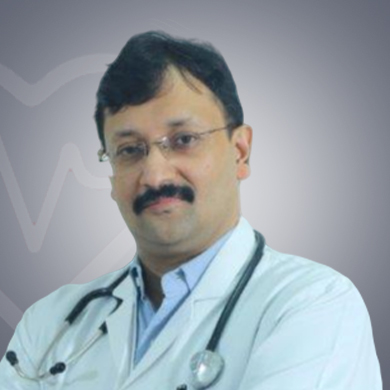
Dr. Mohit Agarwal
Medical Oncologist
14 Years of Experience
One of the finest Oncologist in New Delhi, India, Dr. Mohit Agarwal has worked with several world class multidisciplinary hospitals over the years. Dr. Mohit Agarwal has over 14+ years of experience in his field. The doctor treats and manages a wide range of conditions such as Stomach Cancer, Rectal Cancer, Breast Cancer, Brain Cancer View More
Last Reviewed - January 2026