Hemorrhoids Treatment in India
- Top Accredited Hospitals
- Global Medical Standards
- Cutting-Edge Technology
- Proven Treatment Options
- High Success Rate
- Trusted by Millions

What are Hemorrhoids?
Haemorrhoids are swollen veins that can form inside or outside the rectum and anus. They can lead to rectal bleeding and can be pretty uncomfortable and painful. Another term for haemorrhoids is piles. While we all have haemorrhoids from birth, they usually don't cause any issues until they become enlarged and start to produce bothersome symptoms.
What is the Importance of Timely Treatment?
Hemorrhoids should be treated quickly to prevent symptoms from worsening, avoid infections or blood clots, and reduce the likelihood of surgery. Addressing the issue early enhances quality of life and helps prevent future flare-ups by alleviating discomfort, itching, and bleeding. Moreover, it allows for using less invasive treatments down the line.
What are the Common Symptoms of Hemorrhoids?
Typical haemorrhoid symptoms include:
- When bowel movements are observed, rectal bleeding is observed.
- Around the anus, there is itching or inflammation.
- Pain or discomfort, particularly during bowel movements or while sitting
- A bulge or swelling close to the anus
- release of mucus from the anus
- A sensation of incomplete bowel movement
Causes and Risk Factors of Hemorrhoids
Causes
Increased Pressure: Straining during bowel movements due to constipation or diarrhoea can lead to haemorrhoids. This is often exacerbated during pregnancy because of hormonal changes and the added pressure from the growing uterus.
Ageing: As we get older, the tissues that support the veins around the anus weaken, which increases the likelihood of developing haemorrhoids.
Obesity: Excess weight can strain the lower rectum, contributing to the problem.
Prolonged sneezing or coughing can also increase pressure on the anal veins, further raising the risk.
Risk Factors
- Inactivity can lead to constipation and increased pressure on the rectum.
- A low-fiber diet may cause constipation and straining during bowel movements.
- Repeated heavy lifting can add extra strain to the rectal area.
- If you have a family history of haemorrhoids, you might be at a higher risk.
- Additionally, sitting for long periods, especially on the toilet, can increase the likelihood of developing haemorrhoids.
Connect with our advisor for a PRIORITY response
Hemorrhoids Prevention Tips
Here are some practical tips to help prevent haemorrhoids:
- Increase your intake of fruits, vegetables, and whole grains to avoid constipation and reduce straining during bowel movements.
- Drink plenty of water to promote regular bowel movements and soften your stool.
- Regular exercise can improve digestion and decrease the risk of obesity and constipation, both of which can worsen haemorrhoids.
- Avoid straining during bowel movements. If you're experiencing constipation, consider using fibre supplements or natural laxatives.
- Sitting for long periods, especially on the toilet, can put extra pressure on the rectal veins. Make sure to move around and take breaks.
Treatment options for Hemorrhoids
Haemorrhoids Surgery: When conservative measures are unsuccessful or haemorrhoids are severe, surgery is typically recommended.
Cost Start From USD 2500 - USD 3500Explore Options
- Physical Examination:
- Visual inspection: A doctor may visually examine the anal area to identify external haemorrhoids or signs of internal haemorrhoids (such as prolapsed tissue).
- Digital Rectal Exam (DRE): A physician inserts a gloved, lubricated finger into the rectum to check for abnormalities such as lumps, swelling, or tenderness.
- Imaging Tests:
- Anoscopy: To check the inside anal canal and detect internal haemorrhoids, an anoscopy entails inserting a tiny tube with a light (anoscope) into the rectum.
- Proctoscopy: Proctoscopy, a more thorough examination than an anoscopy, looks for haemorrhoids and other possible problems, including anal fissures or tumours, using a longer tube called a proctoscope.
- Colonoscopy or Sigmoidoscopy: The doctor may suggest a sigmoidoscopy or colonoscopy if symptoms are not directly linked to haemorrhoids or if they suspect other problems, such as colorectal cancer. During these procedures, the entire colon and rectum are examined using a flexible tube.
- false
- Depending on the situation, your healthcare professional may prescribe medicine to help control your symptoms and support the treatment plan.
Instantly Connect with our Specialists


Hospitals for Hemorrhoids in India
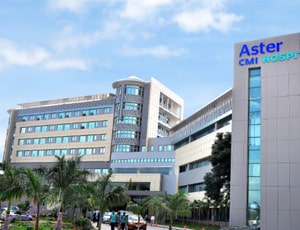
Aster CMI Hospital
Bangalore, India
Aster CMI Hospital located in Bengaluru, India is accredited by JCI, NABH. Also listed below are some of the most prominent infrastructural details:
- Around 500 bed capacity
- Primary care to Quaternary care services
- Outpatient and inpatient departments
- Day care center for small children
- Availability of Surgical suites
- Intensive Care Units
- 24-hour Emergency and Trauma Care
- Emergency Unit especially for children
- Newly launched the Lung and Heart Transplant Centre
- Video Consultation with doctors available on GraphMyHealth
- A specialised Aster Center of Excellence for Women & Children
- Latest Minimally Invasive Procedures being performed
- Safe Interventional Procedures
- Control of Infection protocols are strictly followed
- Aster Holistic Collaborative Care: Aster Palliative Care for lowering suffering if critically ill patients, Physical Medicine & Rehabilitation, Aster Wellness, Psychology, Chronic Pain Management, Nutrition & Dietetic, Podiatry Care etc.
- 11 Centers of Excellence
- An academics focus with BSc Program, MEM Program, Pediatric Fellowship Program
- A streamlined International patient care center with dedicated services and technology enabled processes

Max Super Specialty Hospital, Vaishali
Ghaziabad, India
- Max Super Speciality Hospital, Vaishali, Ghaziabad, is a leading multi-speciality hospital with 387+ beds and 37+ clinical specialities, offering advanced care in Cardiology, Neuro Sciences, Oncology, Orthopaedics, Transplants, Gastroenterology, and Reconstructive Surgery.
- Supported by 389+ doctors and 1038+ trained staff, the hospital combines state-of-the-art technology, including robotic surgery and advanced imaging systems, with compassionate, patient-centred care.
- Accredited by NABH and NABL, Max Vaishali is a trusted destination for both domestic and international patients seeking high-quality, integrated medical services.

MGM Healthcare
Chennai, India
There are a wide variety of healthcare facilities and specialized, targeted treatments provided by MGM HealthCare. Some of its most prominent services are listed below:
Institute of Heart and Lung Transplant and Mechanical Circulatory Support: Well renowned for having the third-highest number of heart transplants in a year (102) and also the successful completion of several other transplant surgeries and cardiac surgeries.
Cardiac Sciences: They offer a variety of screening tests and facilities including Tilt Table Test, Coronary Angioplasty and Stenting, CT Angiography, Coronary Artery Bypass Grafting, Stress Echocardiogram, Cardiac Stress Test and Cardiac Catheterisation.
Obstetrics and Gynaecology: They provide all services to ensure a woman’s well-being. Some of the services offered are Menstrual Cramps Treatment, Colposcopy, Myomectomy, Vaginal Hysterectomy, Breastfeeding Support, Ovarian Cyst Removal, Menopause Management, Vaginal Birth After Caesarean (VBAC), and Menorrhagia Treatment.
Orthopedics: Bilateral Knee Replacement, Total hip Replacement, and Knee Arthroscopy are all the procedures that are offered in this department.
Liver Transplantation: An exceptionally skilled team of professionals who have performed over 4,000 liver transplant surgeries and an operation theatre and ICU specifically dedicated to HBP surgery is available at the patient’s disposal.
Emergency Medicine: MGM Healthcare has a fully functioning facility dedicated to emergency medicine that operates 24 hours a day and 7 days a week.
Oncology: The patients will be in the safe hands of well-trained medical personnel qualified in the field of oncology and specialize in procedures like Bowel resection surgery, Biopsy, Lumpectomy, Liver Resection Surgery, Lung Cancer resection surgery, Lymph Node Surgery, and Laparoscopic Prostatectomy. They also provide cancer treatments like Chemotherapy, Immunotherapy, and Targeted Therapy.
Anaesthesiology and SICU: They specialize in the field of local, general and regional anesthesia and work to assist doctors during surgical procedures.
Neurosciences and Spine: The doctors in this department handle difficult procedures like Brain Tumour Surgery, Spine Reconstructive Surgery, Neuro Surgeries, and Spine Surgeries with the utmost ease and professionalism. They also have a specific area dedicated to Neuroanaesthesia and NeuroCritical Care.
Do visit the environment-friendly medical facility in Chennai and experience medical excellence.
Our Services to better your experience
Opinion & Option
We submit the most accurate opinion and options from one or more countries for your review
Consult Privately
Consult with a certified specialist privately on our telemedicine platform even before you decide to travel
Logistics
We handle flights, visas, transfers, and accommodation—so you can focus on your health.
Recovery
Our In-house rehabilitation service packages to better your recovery and treatment outcome
Why Choose India for Hemorrhoids Treatment?
India is gaining popularity as a destination for haemorrhoid treatment due to several advantages:
Advanced Medical Facilities: The country boasts a state-of-the-art healthcare system that offers modern diagnostic and treatment options, including minimally invasive procedures.
SkilledMedicalProfessionals: India has highly trained proctology surgeons with significant experience, ensuring high treatment success rates.
Cost-Effective Care: Treatments in India are often much more affordable than in Western countries without compromising quality.
NumerousTreatmentOptions: India offers a wide range of haemorrhoid treatments, from traditional methods to the latest minimally invasive techniques, such as laser therapy, infrared coagulation, and rubber band ligation.
Frequently Asked Questions
Eat a high-fibre diet with plenty of fruits, vegetables, and whole grains to avoid haemorrhoids. Drink water to prevent constipation. Exercise regularly, do not sit for long periods, and follow good bathroom habits, such as not straining or sitting too long on the toilet.
Weight control, using gentle toilet paper, and not lifting heavy objects can also help ease pressure on the rectal area. Also, addressing the need to urinate or have a bowel movement immediately helps avoid straining. These habits aid in digestive health and minimise the occurrence of haemorrhoids.
Second- and third-trimester pregnancy haemorrhoids are common. The reasons are constipation, increased blood supply, hormonal changes that relax blood vessels, and elevated pressure from the enlarged uterus. These causes can lead to the swelling of the rectal veins and haemorrhoids. Though they often improve after delivery, it is essential to treat them with a diet high in fibre, drink plenty of water, and not strain. For information about safe treatment options during pregnancy, always speak with your healthcare professional.
Yes, haemorrhoids can often be treated without surgery through dietary changes, such as consuming more fibre-rich foods and drinking plenty of water. Stool softeners, cold compresses, warm sitz baths, and topical drugs can all help with symptoms. Surgery is generally a last resort, though procedures such as rubber band ligation may be required in more serious cases.
While some pain after haemorrhoid surgery is possible, it is usually bearable using the proper care and medication. Patients can experience pain, swelling, and discomfort upon bowel movements for a few days to one week after the procedure. Prescribed pain medication, stool softeners, and warm sitz baths can all treat pain.
After the operation, most patients receive noticeable relief of symptoms, yet recovery is complete within a few weeks. Always follow your physician's post-operative guidelines to minimise discomfort and promote healing.
Yes, haemorrhoids can cause complications such as blood clots (thrombosis), chronic bleeding leading to anaemia, infection, or strangulation (where an internal haemorrhoid gets trapped and loses its blood supply). Early treatment can prevent these complications and enhance comfort.
The severity and duration of treatment may influence the time it takes for haemorrhoids to heal. Mild haemorrhoids treated at home with sitz baths, local medications, and a diet high in fibre resolve symptoms in a few days to a week. Healing may take two to four weeks for more serious cases, especially if surgery or other treatments are required. Frequent care and following your doctor's advice can enhance the recovery process.
The main difference between internal and external haemorrhoids is where they are located:
Internal haemorrhoids exist within the rectum and, unless they prolapse (bulge) outside the anus, are generally not painful or visible. Unless thrombosed or prolapsed, they often don't hurt, although they can cause rectal bleeding on defecation.
External Hemorrhoids: These are palpable and located under the skin around the anus. They can lead to swelling, itching, or bleeding and are uncomfortable, especially when thrombosed (with blood clots) or inflamed.
You can still work out if you have haemorrhoids, but it's important to select exercises that will not exacerbate the disease. Low-impact forms of exercise, such as yoga, swimming, and walking, are generally safe and can reduce pressure on the rectal area, promote circulation, and decrease constipation.
One standard non-surgical treatment for internal haemorrhoids is rubber band ligation. One or two tiny rubber bands are applied around the bottom to cut the blood supply to the haemorrhoid. The haemorrhoid then dries up and comes out in a few days to a week. The procedure is suitable for mild to severe haemorrhoids and is often carried out under local anaesthesia in a physician's clinic. It has a brief recovery time, is the least invasive, and has a low risk of complications.
If the cause, like habitual constipation, straining to have a bowel movement or diet, is not corrected, haemorrhoids can come back after treatment. Lifestyle habits and rectal vein pressure may lead to recurrence even after successful therapies such as surgery or rubber band ligation. Maintaining a high-fibre diet, having adequate fluid intake, avoiding straining, and exercising regularly enhance regular bowel movements to reduce the likelihood of haemorrhoids returning.
Author

Dr. Shagufta Parveen
Dr. Shagufta Parveen is a Clinical researcher and medical writer with expertise in clinical pharmacology and pharmacotherapeutics. She holds a B.Pharm and Doctor of Pharmacy (Post-Baccalaureate) degree from Teerthanker Mahaveer University, Moradabad.
During her clinical stint at BLK-Max Super Speciality Hospital and Indraprastha Apollo Hospital, she gained hands-on experience in the Clinical Pharmacology Department. Combining scientific knowledge with strong medical writing skills, Dr. Shagufta develops evidence-based healthcare content, treatment guides, and patient education resources.
Her work focuses on simplifying complex medical concepts while maintaining scientific accuracy, helping readers better understand healthcare advancements and treatment options.
In addition to her writing expertise, she is actively involved in scientific research and has contributed to peer-reviewed publications.
Her research work is accessible through the following links:
https://scholar.google.com/citations?user=lMVK1eIAAAAJ&hl=en
https://carcinogenesis.com/index.php/JOC/article/view/870
https://carcinogenesis.com/index.php/JOC/article/view/868
https://wjpsronline.com/abstract/0000000760
View MoreReviewer

Dr. Ashish George
Gastroenterologist
18 Years of Experience
Dr. Ashish George is one of the leading names in HPB surgery & liver transplantation and has about 18+ years of experience.He is a principal consultant & unit head of liver transplant at Fortis Shalimar Bagh. View More
Last Reviewed - January 2026