Hemolytic Uremic Syndrome Treatment in India
- Top Accredited Hospitals
- Global Medical Standards
- Cutting-Edge Technology
- Proven Treatment Options
- High Success Rate
- Trusted by Millions

What is Hemolytic Uremic Syndrome?
Hemolytic uremic syndrome (HUS) is a life-threatening disease characterised by hemolytic anemia, thrombocytopenia (low platelet count), gastrointestinal disturbances, and acute kidney failure. This disease is seen in children but can be more frequent in adults at high rates due to some pathogenic strains from infections derived from E. coli.
What is the Importance of Timely Treatment?
- Kidney Damage Prevention: Intervention at the acute phase mitigates long-term renal effects since acute kidney failure occurs suddenly. If kidneys were treated in time, the patient would recover quickly and reduce the need for prolonged dialysis.
- Less Complicated Outcome: HUS is capable of producing severe, potentially fatal complications that include hypertension, cardiovascular complications, or neurologic complications. Hence, early intervention would allow such patients to reduce the chances of such complications, thus improving their overall prognosis.
- Less Anemia and Thrombocytopenia Symptoms: Red blood cell destruction leads to anemia, while decreased platelets cause thrombocytopenia, resulting in bleeding and tiredness. Early intervention with blood transfusion and platelet support measures will alleviate these symptoms and prevent severe bleeding occurrence or organ failure.
- Quick Recovery Mechanism: Actions such as hydration, dialysis, or plasma exchange will accelerate the recovery process and hence reduce the period of hospitalisation and extended medical care, thereby improving the quality of life for the patient.
- Improvement of Prognosis in the Long Run: Patients, especially those with the infectious type of HUS attached to E. coli, benefit significantly from early treatment and are likely to have no residual complications. On the contrary, delayed treatment increases the likelihood of chronic kidney disease and other long-term complications.
What are the Common Symptoms of Hemolytic Uremic Syndrome?
- Diarrhea (Often Bloody)
- Abdominal Pain
- Fatigue and Weakness
- Paleness and Jaundice
- Swelling (Edema)
- Reduced Urine Output
- Easy Bruising or Bleeding
- Confusion or Seizures
- High Blood Pressure (Hypertension)
Causes and Risk Factors of Hemolytic Uremic Syndrome
Causes
- Bacterial Infections (Most Common Cause)
- Toxins Released by Bacteria
- Viral Infections
- Medications
- Genetic Mutations (Atypical HUS)
- Pregnancy
- Chronic Diseases or Immune System Disorders
Risk Factors
- Age
- Weakened Immune System
- History of Gastrointestinal Infection
- Consumption of Contaminated Food
- Geographic Location
- Family History (Genetic Factors)
- Underlying Medical Conditions
Connect with our advisor for a PRIORITY response
Latest Research and Technologies in the Treatment of Hemolytic Uremic Syndrome in India
The medical treatment of Hemolytic Uremic Syndrome in India adapts the newest research and technologies to meet worldwide clinical standards and healthcare capabilities.
- Complement Inhibitor: They work well in atypical HUS. Indian researchers have recently been focusing on access to therapy in their efforts. Specifically, it is for patients who have progressed into severe kidney injury. Collaborations are needed to make it affordable and accessible.
- Plasma Exchange Therapy: Plasma exchange (PEX) remains an essential therapy for HUS, particularly in practice without eculizumab. PEX is an effective treatment as it removes toxic products in blood; thus, it remains necessary in India because newer therapies may not be available or standard.
- Clinical and Immunological Research: Studies on clinical profiles have indicated HUS in India, highlighting the importance of early diagnosis and protocol-based management. Timely referrals and adherence to the recommended treatment regimen have been associated with better outcomes.
- Challenges and Future Directions: Despite all this progress, India still has much ground to cover due to limited access to modernised treatment and specialised care. Further research and better education about HUS will, however, assist in achieving the early detection and treatment that reduces the burden of the disease.
Hemolytic Uremic Syndrome Prevention Tips:
- Food Safety: Cook meat thoroughly, especially ground beef, and avoid consuming undercooked meats or unpasteurised dairy products and fruit juices. This will prevent infestation with E. coli, a leading cause of HUS.
- Hygiene: Hands should be washed with soap and running water regularly, especially after food handling, visiting a toilet, and being in contact with animals. Clean kitchen surfaces and utensils are among the things that help keep bacteria away.
- Safe Water for Drinking: Drink treated water only, and do not drink untreated water from natural sources. Use water filters to treat or boil water before consumption to kill harmful bacteria that lead to infections that cause HUS.
- Avoid Contact with Infected Individuals: People with signs of gastrointestinal illness, especially diarrhoea, should not be closely contacted to avoid becoming infected. Disinfect surfaces if anyone in the household has fallen ill.
- Food Preservation: Properly store food at appropriate temperatures, and refrigerate leftovers immediately. This limits the growth of bacteria and prevents foodborne illness, which can lead to HUS.
Treatment options for Hemolytic Uremic Syndrome
The medical treatment for Hemolytic Uremic Syndrome requires evaluating the patient's severity and medical condition. The following are the treatment options:
Plasmapheresis : Plasma exchange is commonly utilised in atypical HUS (caused by genetic factors) or more severe disease cases. PEX is a process in which the patient's plasma is removed and replaced to filter toxins, complement proteins, and other detrimental substances.
Cost Start From USD 600 - USD 1500Explore Options
Blood transfusion: They may be necessary for patients suffering from HUS due to anemia and thrombocytopenia. Blood transfusions are performed to restore red blood cells and platelets, thus increasing oxygen supply and countering bleeding tendencies imposed by low platelet levels.
These are the standard diagnostic methods for diagnosing Hemolytic Uremic Syndrome:
- Blood Tests:
- Complete Blood Count (CBC): Lower levels of red blood cells (anemia), low platelet counts (thrombocytopenia), or low white blood counts may suggest HUS.
- Reticulocyte Count: Increased reticulocytes imply that the bone marrow compensates for red blood cells' active destruction (hemolysis).
- Lactate Dehydrogenase (LDH): Increased LDH levels suggest hemolysis since LDH enters the serum following damage to red blood cells.
- Serum Levels of Creatinine and Blood Urea Nitrogen (BUN): Elevated levels of these parameters might indicate kidney dysfunction or failure.
- Urine Tests:
- Urinalysis: Detects proteinuria and hematuria (presence of blood in urine), common indicators of kidney involvement in HUS.
- Stool Culture:
- If E. coli is suspected to be the triggering cause of typical HUS, stool culture will establish the presence of E. coli (specific strain) or other Shiga-toxin-producing bacterium. This test is vital in assessing for infectious HUS.
- Genetics Evaluation:
- Genetic testing can identify mutations in complement regulatory genes predisposing towards this disease in atypical HUS.
- Imaging Studies for Kidney:
- Sonography or CT scans may be used to evaluate the size of the kidneys and whether there are signs of damage or swelling. However, image evaluation is not a requirement for diagnosis but may assist in assessing kidney function.
MediRehab (a chain of Rehab centres, part of MediGence) provides comprehensive rehabilitation services designed to support patients in India. Additional services are as per the patient's requirement. These services include:
- Kidney Disease Management: Patients who are recovering from kidney damage usually need continuing dialysis or, in the worst scenario, a kidney transplant. Care after the transplant involves observing the function of the organ and the medication.
- Physical Therapy: Physical therapy makes a patient strong and mobile and helps build endurance after any muscle weakness caused either by illness or after dialysis. It proposes a gradual return to daily activities.
- Psychological Support: The critical aspect of emotional well-being during recovery is supported by counselling and support groups. This helps the patients manage anxiety, depression, and stress after that traumatic experience.
- Nutritional Support: Nutritional counselling is essential to promote kidney function, with emphasis on hydration, control of electrolytes, and adherence to a renal diet to prevent the further development of complications.
- Follow-up Care: Regular checkups and laboratory tests are vital to keeping track of the functioning of the kidneys and, subsequently, any long-term consequences of HUS. Some patients may require chronic disease management for their ongoing renal problems.
Treatment for Hemolytic Uremic Syndrome (HUS) includes plasma exchange along with antibiotics for E. coli infections in infectious cases. In the case of complications, steroids, antihypertensive medicines and dialysis are given. Blood transfusions are also performed in severe cases to combat anemia and thrombocytopenia.
Instantly Connect with our Specialists


Hospitals for Hemolytic Uremic Syndrome in India

The Medical Park
Chennai, India
The Medical Park, located in the heart of Chennai, is a leading one-stop wellness and aesthetic surgery center, specializing in both surgical and non-surgical treatments. With over 25 years of expertise in aesthetic procedures, The Medical Park is renowned for its commitment to providing high-quality, patient-centric care. The clinic offers a wide range of services designed to promote overall health, rejuvenation, and well-being, combining state-of-the-art facilities with advanced medical technology.
The Medical Park in Chennai is a premier healthcare and wellness facility that offers a comprehensive range of services designed to promote overall well-being. Combining state-of-the-art medical treatments with a holistic approach to health, their clinic provides a one-stop solution for those seeking aesthetic procedures, wellness programs, and mental health support. The Wellness Centre is equipped with the latest fitness technologies and staffed by highly trained professionals.

Manipal Hospital, Dwarka
Delhi, India
Manipal Hospital Dwarka is a leading multi-super speciality tertiary care hospital offering world-class, affordable, and accessible healthcare. Backed by renowned doctors, advanced technology, and global standards in clinical care, the hospital provides comprehensive preventive, diagnostic, and therapeutic services for all age groups. With 380 beds, 13 modular OTs, 118 critical care beds, and 24/7 emergency services, it combines excellence in patient care with innovations like AI, telemedicine, remote monitoring, and EMR—striving to become a fully digital, paperless hospital setting new standards in modern healthcare.
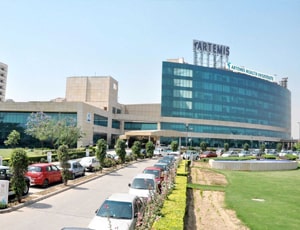
Artemis Health Institute
Gurgaon, India
Artemis Hospital, established in 2007 in Gurgaon, India, is a 750+ bed, state-of-the-art multi-speciality hospital and the first in Gurgaon accredited by JCI and NABH. A flagship of the Apollo Tyres Group, it offers advanced care across cardiology, oncology, orthopaedics, neurology, and transplant medicine, supported by modern infrastructure and 60+ world-class operating theatres. Its Centres of Excellence span critical areas like heart, cancer, neurosciences, orthopaedics, and women & child care. Guided by values of Service, Compassion, and Integrity, Artemis combines innovation, technology, and affordability, making it a trusted international healthcare destination for comprehensive and compassionate patient care.
Our Services to better your experience
Opinion & Option
We submit the most accurate opinion and options from one or more countries for your review
Consult Privately
Consult with a certified specialist privately on our telemedicine platform even before you decide to travel
Logistics
We handle flights, visas, transfers, and accommodation—so you can focus on your health.
Recovery
Our In-house rehabilitation service packages to better your recovery and treatment outcome
Why Choose India for Hemolytic Uremic Syndrome Treatment?
The following are the much-growing reasons for India being frequented for Hemolytic Uremic Syndrome treatment:
- World-Class Health Services at Affordable Costs: The nation is proficient in advanced medical technologies and treatments, including high-quality care at often dissimilar cost ratios of Western countries.
- Most Qualified Professionals: Patients will find internationally trained, renowned hepatologists, surgeons, and specialists. Medical and individualised treatment options will complement the value of the care provided by the best experts in India.
- Complete Medical Services: From advanced diagnostic tools such as elastography and imaging to liver transplants, India has gone the extra mile to provide patients with cutting-edge facilities for total Hemolytic Uremic Syndrome treatment.
- Easy Medical Tourism: India is becoming a central international hub for medical tourism. Many accredited hospitals provide excellent service to international patients, including easy accessibility, visa assistance, and organised packages.
- Holistic Treatment: Most hospitals in India work towards a mainstream plus traditional treatment regime, including even Ayurvedic treatments, for complete liver health recovery and wellness, thus attending to emotional and physical wellness.
Frequently Asked Questions
HUS can affect individuals of all ages, but children under five and elderly adults are at higher risk. Those with weakened immune systems or genetic predispositions may also be more susceptible.
HUS can be prevented by practising good food safety (cooking meat thoroughly), maintaining hygiene (washing hands regularly), drinking clean water, and avoiding contact with infected individuals.
Some individuals may recover fully, but in severe cases, HUS can lead to chronic kidney disease or permanent kidney damage. Early treatment and monitoring are essential for minimising long-term complications.
While E. coli infection that causes HUS is contagious, HUS is not. However, those with E. coli infection should avoid close contact with others until cleared by a healthcare provider.
In cases of atypical HUS, there is a risk of recurrence, especially in individuals with genetic mutations affecting the complement system. Regular follow-up is essential for managing recurrence risks.
To prevent HUS, practise proper food hygiene, avoid undercooked meat, drink clean and filtered water, and ensure that dairy products are pasteurised. Boiling or treating water before consumption is crucial in areas with poor sanitation.
Genetic testing for atypical HUS (including mutations in the complement system) is available in some specialised hospitals and research centres, particularly in larger cities.
Children in India, especially those with a history of bloody diarrhoea, abdominal pain, and fever, should be monitored closely for HUS symptoms like fatigue, paleness, swelling, and decreased urine output. Early medical intervention can prevent kidney failure and other complications.
Survivors of HUS may need regular follow-up visits to monitor kidney function, manage potential chronic kidney disease (CKD), and monitor for hypertension or other complications. Supportive care may include a renal diet, blood pressure management, and physical therapy for muscle weakness.

Reviewer

Dr. Akash Khandelwal
Hematologist
9 Years of Experience
Dr. Akash Khandelwal is a distinguished Hematologist, Hemato-oncologist, and Bone Marrow Transplant (BMT) Physician with extensive training from the prestigious AIIMS New Delhi. His expertise encompasses a wide range of specialized techniques in bone marrow transplantation, including autologous and allogeneic transplants such as matched sibling donors, matched unrelated donors (MUD), and haploidentical donor transplants. Dr. Khandelwal has personally supervised and conducted over 100 bone marrow transplants. View More
Last Reviewed - January 2026