Heart Failure Treatment in Malaysia
- Top Accredited Hospitals
- Global Medical Standards
- Cutting-Edge Technology
- Proven Treatment Options
- High Success Rate
- Trusted by Millions

What is Heart failure?
Heart failure occurs when the heart muscle doesn't pump blood as well as it should. Shortness of breath can result from fluid accumulation and blood backing up in the lungs.
The heart becomes too weak or stiff to adequately fill and pump blood due to certain heart diseases over time. These conditions include elevated blood pressure and cardiac artery narrowing. Congestive heart failure is another name for heart failure.
What is the Importance of Timely Treatment?
Heart failure must be treated promptly to preserve the patient's quality of life and prevent the illness from worsening.
In addition to preventing additional heart muscle damage, early intervention can help manage symptoms, including fatigue, oedema, and shortness of breath. Serious side effects like kidney failure, stroke, or sudden cardiac arrest are also less likely to occur with prompt treatment.
Medication, lifestyle modifications, and suitable therapy can stabilise heart function, lower hospitalisation rates, and lengthen life expectancy by managing underlying causes (such as high blood pressure or coronary artery disease). Postponing therapy can increase the risk of life-threatening events, worsen heart failure, and impair heart function.
What are the Common Symptoms of Heart Failure?
Symptoms may develop slowly. Symptoms of heart failure can occasionally appear suddenly. Heart failure symptoms may include:
- Shortness of breath with activity or when lying down.
- Weakness and exhaustion.
- Foot, ankle, and leg swelling.
- Fast or irregular heartbeat.
- Diminished exercise capacity.
- Wheezing.
- A persistent cough or one that produces pink or white mucus with blood splatters.
- Swelling in the abdomen.
- Rapid weight gain due to fluid accumulation.
- Nausea and appetite loss.
- Reduced attentiveness or trouble focusing.
- Chest pain if a heart attack is the cause of heart failure.
Types of Heart Failure
- Right-sided heart failure: The lower right heart chamber, known as the right ventricle, is impacted by right-sided heart failure. Swelling may result from fluid backing up into the legs, feet, and abdomen.
- Left-sided heart failure: The lower left heart chamber, known as the left ventricle, is impacted by left-sided heart failure. The accumulation of fluid in the lungs can result in dyspnea.
- Systolic heart failure, another name for heart failure with reduced ejection fraction (HFrEF): This is a form of left-sided heart failure. The left ventricle is unable to squeeze as forcefully as it should. The body cannot get enough blood from the heart because it is not powerful enough.
- Heart failure with preserved ejection fraction (HFpEF), also called diastolic heart failure: This kind of cardiac failure is left-sided. The left ventricle is unable to inflate or relax fully. The heart struggles to pump blood.
Causes, Risk Factors and Complications of Heart Failure
Causes
Congestive heart failure has several causes, including:
- Heart attack and/or coronary artery disease
- Cardiomyopathy
- Birth defects of the heart (congenital heart disease)
- Diabetes
- Hypertension, or elevated blood pressure
- Arrhythmia
- Kidney illness
- Greater than 30 body mass index (BMI)
- Tobacco use
- Use of alcohol
- Cancer medications (chemotherapy)
Risk Factors
Diseases and conditions that increase the risk of heart failure include:
- Coronary artery disease
- Heart attack
- Heart valve disease
- High blood pressure
- Irregular heartbeats
- Congenital heart disease
- Diabetes
- Sleep apnea
- Obesity
Medicines that may increase the risk of heart failure include:
- Some diabetes medicines
- Some other medicines
Other risk factors for heart failure include:
- Ageing
- Alcohol use
- Smoking or using tobacco
Complications
Your age, general health, and the severity of your heart disease all affect the complications that can arise from heart failure. These could consist of:
- Kidney damage or failure.
- Other heart changes.
- Liver damage.
- Sudden cardiac death
Connect with our advisor for a PRIORITY response
Heart Failure Prevention Tips
Treating and managing the problems that can lead to heart failure is one strategy to avoid it. These ailments include obesity, diabetes, high blood pressure, and coronary artery disease.
Heart failure may be prevented by adopting some of the same lifestyle modifications that are used to treat it, which are as follows:
- Avoid smoking.
- Get a lot of exercise.
- Consume nutritious foods.
- Keep your weight in check.
- Manage and lessen stress.
- As prescribed, take your medications.
Treatment options for Heart Failure
Coronary Artery Bypass Grafting (CABG): During the procedure, a healthy blood vessel from the arm, leg, or chest is taken and connected below and above the heart's clogged arteries. The new pathway improves blood flow to the heart muscle.
Cost Start From USD 18000 - USD 25000Explore Options
ICD Combo Device: An ICD is a device that resembles a pacemaker. With wires running through the veins and into the heart, it is implanted beneath the skin in the chest.
Cost Start From USD 7000 - USD 12000Explore Options
Heart Transplantation: Some people's heart failure is so severe that neither medication nor surgery can help. It might be necessary for these individuals to have a healthy donor heart installed in place of their own.
Open Heart Surgery: Open heart surgery or minimally invasive surgery can be used to replace or repair a heart valve.
Tests that may be done to diagnose heart failure may include:
- Clinical Assessment:
- Blood tests: Blood testing is helpful in the diagnosis of heart-related conditions.
- Ejection fraction: The percentage of blood that leaves your heart with each squeeze is known as the ejection fraction.
- Imaging Tests:
- Chest X-ray: The state of the heart and lungs can be seen in the X-ray pictures.
- Echocardiogram: Images of the beating heart are produced by sound waves. The heart's size, shape, valves, and blood flow are all demonstrated by this test.
- CT scan of the heart: This examination, also known as a cardiac CT scan, creates cross-sectional images of the heart using X-rays.
- Coronary angiogram: This test helps identify cardiac artery blockages.
- Other Diagnostic:
- Electrocardiogram (ECG or EKG): This rapid and painless test records the electrical signals in the heart. It may display the heart's rhythm, either fast or slow.
- Exercise tests or stress tests: During these examinations, the heart is generally monitored while walking on a treadmill or pedalling a stationary bike. Exercise tests can reveal how the heart reacts to exertion.
- Myocardial biopsy: Microscopic sections of the heart muscle are removed for inspection by a medical specialist during this test.
Heart Failure rehabilitation options include:
- Cardiac Rehabilitation Programs: Coordinated efforts that support cardiac rehabilitation via exercise, education, and therapy.
- Exercise and Physical Activity: Exercise plans to improve cardiovascular health and endurance under supervision.
- Lifestyle Changes: Encouraging heart-healthy habits include controlling weight, giving up smoking, and making dietary changes.
Heart failure may be treated with a combination of medications.
- Angiotensin-converting enzyme (ACE) inhibitors
- Angiotensin II receptor blockers (ARBs)
- Angiotensin receptor plus neprilysin inhibitors (ARNIs)
- Beta-blockers
- Diuretics
- Potassium-sparing diuretics
Instantly Connect with our Specialists


Hospitals for Heart Failure in Malaysia
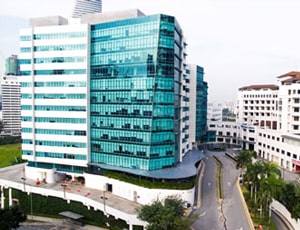
Parkway Pantai
Kuala Lumpur, Malaysia
Parkway Pantai located in Kuala Lumpur, Malaysia is accredited by JCI. Also listed below are some of the most prominent infrastructural details:
- Capacity of 335 beds
- 200+ specialist Doctors
- Critical Care Unit
- Neonatal Intensive Care Unit
- Operating Theatre
- International Patient Care Center
- Types of rooms available- Premier Suite, Supreme Suite, Deluxe Single Room, 2-bedded room, 4-bedded room, Deluxe Suite, Premier Single room, and Supreme Single room

Sunway Medical Centre
Kuala Lumpur, Malaysia
Sunway Medical Centre has initiated a comprehensive expansion plan close to its current hospital facility to enhance its ability to provide services to the global market. The new Cancer Radiosurgery Center and Nuclear Medicine Center, which will also house additional Centers of Excellence like the Digestive Health Center and Dialysis Center, marked the completion of Tower C's first phase in October 2016.

Damansara Specialist Hospital, Petaling Jaya
Petaling Jaya, Malaysia
- KPJ Damansara Specialist Hospital offers specialised healthcare across cardiology, oncology, orthopedics, neurology, gastroenterology, nephrology, women’s health, pediatrics, ENT, and minimally invasive surgery. The hospital provides advanced diagnostics, rehabilitation, cardiac care, neurosurgery, wellness programs, and preventive healthcare supported by multidisciplinary specialists and patient-centred clinical protocols. Equipped with modern medical technologies and safety-driven systems, it focuses on evidence-based treatment, personalised care planning, and quality healthcare delivery
Our Services to better your experience
Opinion & Option
We submit the most accurate opinion and options from one or more countries for your review
Consult Privately
Consult with a certified specialist privately on our telemedicine platform even before you decide to travel
Logistics
We handle flights, visas, transfers, and accommodation—so you can focus on your health.
Recovery
Our In-house rehabilitation service packages to better your recovery and treatment outcome
Why Choose Malaysia for Heart Failure Treatment?
Here are some of the reasons for choosing Malaysia:
- Advanced Healthcare Infrastructure: State-of-the-art medical facilities with specialised cardiac centres.
- Expert Cardiologists: Experienced specialists in heart failure management.
- Innovative Therapies: Access to device-based treatments and personalised medication plans.
- Cost-Effective Care: High-quality treatment at competitive prices compared to many countries.
- International Patient Support: Multilingual services and comprehensive support for global patients.
- Improved Outcomes: Focus on personalised care to enhance patient recovery and quality of life.
Frequently Asked Questions
Yes, many people with heart failure can have happy lives with the proper care, lifestyle modifications, and frequent monitoring. However, they may need to modify their activities to control their symptoms and avoid consequences.
A heart transplant may be an option for eligible individuals whose heart failure is severe and refractory to previous therapies. Long-term survival and better cardiac function are possible with this strategy.
With an 83% 1-year survival rate and a 60% 5-year survival rate, heart failure treatment in Malaysia yields positive outcomes.
Guideline-directed medical therapy (GDMT), which incorporates cutting-edge drugs with higher survival rates, is primarily responsible for the accomplishment.
These encouraging outcomes can be explained by Malaysia's sophisticated healthcare system and specialised cardiac treatment.
The cause, severity, and course of treatment all affect the prognosis. With the proper care, many heart failure patients can have a high quality of life and live for many years.
In Malaysia, high-quality care and state-of-the-art equipment are accessible for a fraction of the cost of heart failure therapies, which are far less expensive than in Western nations.
The cause, severity, and course of treatment all affect the prognosis. With the proper care, many heart failure patients can have a high quality of life and live for many years.
The inability of the heart to pump blood effectively is known as heart failure, whereas a heart attack happens when blood flow to a portion of the heart muscle is cut off, resulting in tissue damage.
Indeed, because heart failure reduces blood flow and oxygen availability, it can cause problems in other organs, including the kidneys, lungs, and liver.
Smoking damages blood vessels, raises blood pressure, and increases the risk of heart attacks and other cardiovascular issues, all of which exacerbate heart failure.

Reviewer

Dr. Akash Khandelwal
Hematologist
9 Years of Experience
Dr. Akash Khandelwal is a distinguished Hematologist, Hemato-oncologist, and Bone Marrow Transplant (BMT) Physician with extensive training from the prestigious AIIMS New Delhi. His expertise encompasses a wide range of specialized techniques in bone marrow transplantation, including autologous and allogeneic transplants such as matched sibling donors, matched unrelated donors (MUD), and haploidentical donor transplants. Dr. Khandelwal has personally supervised and conducted over 100 bone marrow transplants. View More
Last Reviewed - January 2026