Gastrointestinal Stromal Tumor (GIST) Treatment in India
- Top Accredited Hospitals
- Global Medical Standards
- Cutting-Edge Technology
- Proven Treatment Options
- High Success Rate
- Trusted by Millions

What is Gastrointestinal Stromal Tumor (GIST)?
GIST, or gastrointestinal stromal tumour, is a cancer of the GI tract. It most often occurs in the stomach and small intestine. The tumours originate from specialised cells called interstitial cells of Cajal, which coordinate contractions of the smooth muscle in the digestive system.
What is the Importance of Timely Treatment?
- Interception for the Growth and Spread of Tumors: Early treatment is an automatic metastasis prevention measure that prevents a tumour from spreading to other organs. Early intervention increases the likelihood of controlling the disease and enhances survival.
- More Favorable Outcomes with Surgery: Tumors are much smaller, making surgery easier. This, in turn, means that the procedure is less risky and complicated. Early diagnosis ensures perfect resection, which is best for the cure.
- Better Target Therapy Response: Prompt initiation of targeted therapy maximises its efficacy, especially in unresectable cases. Conversely, a delay in the institution of treatment can result in resistance and decrease the effectiveness of subsequent treatments.
- Reduction in the Risk of Complication: Early treatment of GISTs would prevent complications such as bleeding and obstruction that weigh heavily on the patient's health and quality of life. An earlier address would ease these issues.
- Improved Survival Rates: Patients with localised GISTs have better chances of long-term remission; whether this will be achieved depends on timely diagnosis and prompt intervention. Any delay in treatment would mean a more aggressive disease progression that shows poor prognosis.
What are the Common Symptoms of Gastrointestinal Stromal Tumor (GIST)?
- Abdominal Pain or Discomfort
- Nausea and Vomiting
- Weight Loss
- GI Bleeding
- A Palpable Abdominal Mass
Causes and Risk Factors of Gastrointestinal Stromal Tumor (GIST)
Causes
- Genetic Mutations
Risk Factors:
- Genetic Syndromes
- Age
- Sex
- Environmental Factors and Other Risks
Connect with our advisor for a PRIORITY response
Latest Research and Technologies in the Treatment of Gastrointestinal Stromal Tumor (GIST) in India
The medical treatment of Gastrointestinal Stromal Tumor (GIST) in India adapts the newest research and technologies to meet worldwide clinical standards and healthcare capabilities.
- Targeting Therapies: Targeting specific mutations such as KIT and PDGFRA, these therapies have improved survival, especially in advanced settings, by controlling tumour growth.
- Endoscopic Resection: New minimally invasive endoscopic techniques focus on the resection of GISTs, especially gastric GISTs. The benefits are rapid recovery and few complications, achieving outcomes similar to traditional approaches.
- Molecular Profiling and Personalized Medicine: Personalized treatment plans are determined through molecular testing to identify the specific mutations. Theoretically, personalised therapies enhance activity and minimise unnecessary side effects, improving patient outcomes.
- Immunotherapy and Novel Agents: Ongoing research into immunotherapy and novel agents provides new avenues in the fight against drug resistance. Combining medications has shown the potential for achieving tumour regression.
- AI in Diagnosis and Treatment: AI algorithms assist in analysing imaging and predictive modelling regarding tumour behaviour. Such assistance serves to fine-tune therapeutic strategy and enhance the accuracy and efficiency of GIST management.
Gastrointestinal Stromal Tumor (GIST) Prevention Tip:
- Genetic Counseling and Testing: Genetic counselling and testing should be considered if there's a family history of GISTs or condition-related genetic disorders such as Neurofibromatosis type 1. Genetic predispositions can be detected early, and the individual may be given proactive monitoring and early diagnosis.
- Screening: People at increased risk, such as those who are older, have a family history of GISTs, or inherit genetic conditions, undergo imaging tests, such as CT scans, as part of a regular screening program to look for GIST at an early stage, thereby improving outcomes in treatment.
- Leading Healthy Lifestyles: Eating and living healthy lifestyles do not point out direct links between diet and lifestyle to prevention from GIST. However, with the effects of well-being mentioned above, practising healthy eating, engaging in physical activities, and avoiding exposure to harmful or unnecessary things such as radiation should be advocated.
- Signs and Symptoms: Keep in perspective the probable signs of GIST, including abdominal pain, nausea, loss of weight, and sanguineous vomit or intestinal bleeding. Early recognition and seeking medical assistance would allow for a quicker diagnosis and a much better outcome.
Treatment options for Gastrointestinal Stromal Tumor (GIST)
The medical treatment for Gastrointestinal Stromal Tumor (GIST) requires evaluating the patient's severity and medical condition. The following are the treatment options:
Surgery: In localised cases of GIST, surgical resection is the best option. The tumour should be resectable; the patient would be cured by a total resection under the best circumstances. Complications are more evident with larger tumours or those situated in areas that are technically challenging to access.
Targeted Therapy (TKIs) is the principal treatment modality for an advanced or metastatic GIST, targeting KIT and PDGFRA mutations. These agents exert their effect mainly on the intrinsic growth of the tumour cell and its ability to spread.
Cost Start From USD 8000 - USD 12000Explore Options
Radiation Therapy: Radiation therapy for GIST treatment is not the standard due to GISTs being relatively resistant to it. It may be offered in rare instances for symptomatic relief or when surgery is contraindicated, such as for pain or obstruction.
Chemotherapy : Chemotherapy is usually ineffective for GISTs. Chemotherapy does not form a part of the treatment since GISTs respond poorly to familiar chemotherapeutic agents.
Cost Start From USD 600 - USD 700Explore Options
Immunotherapy and New Agents: Immunotherapy and new drugs are still being studied to treat resistant GISTs. Medications offer hope for the overcoming of resistance and improvement in treatment results.
Cost Start From USD 3000 - USD 5000Explore Options
These are the standard diagnostic methods for diagnosing Gastrointestinal Stromal Tumor (GIST):
- Imaging Studies:
- CT Scan or Computed Tomography: The most common imaging studies done to diagnose GISTs are based on their size and location, extent of involvement and perhaps even whether any metastases have developed in the future.
- MRI or Magnetic Resonance Imaging: Further characterisation is occasionally determined via a liver tumour or under suboptimal CT results.
- Endoscopy: This may be used for tumours in the stomach or intestines if it can visualise the tumour directly and assess its size, ongoing obstruction, and bleeding.
- Endoscopic Ultrasound (EUS): An EUS-guided biopsy can be done if the tumour lies in the GI tract, improving the quality of tissue samples.
- PET Scan or Positron Emission Tomography: Assessing Metastasis PET scans can detect whether the GIST has spread to other body parts such as the liver or lung. It evaluates the metabolic activity of the tumour and verifies the response to treatment. Endoscopic Ultrasound
- Biopsy:
- Fine Needle Aspiration (FNA): Small tissue samples are obtained from the tumour using a needle for microscopic examination. This will confirm the existence of GIST and eliminate others.
- Core needle biopsy: A larger sample of tissue may be obtained in some cases using core needle biopsy to give more information on the structure of the tumour.
MediRehab (chain of Rehab centres - part of MediGence provides comprehensive rehabilitation services designed to support patients in India. Additional services are as per the patient's requirement. These services include:
- Physical Rehabilitation: Physiotherapy after surgery is vital to restore strength, flexibility and mobility. This procedure comprises exercises aimed at regaining muscle strength and reducing pain in the patient. Also, it teaches him safe ways to resume his usual daily activities.
- Nutrition support: The nutritionist personalises a program for the patient to meet any appetite and weight changes following treatment. Sometimes, supplementation protects against deficiencies from surgery.
- Psychological Support: The counselling service helps to manage anxiety, depression, and stress during recovery. Through support groups, patients can find emotional support in one another's experiences, which benefits their mental wellness.
- Checkup and Follow-Ups: Regular review by a doctor with the necessary imaging effectively detects GIST recurrence or metastasis over time. Continuation of care after treatment ensures that any health changes that may arise are detected early and nursed accordingly.
- Exercise and Medication Modification: Rehabilitation entails an individualised program to exercise patients to improve strength and overall health performance. On the contrary, lifestyle alterations are based on aspects that help mitigate other treatment effects on patient wellness, managing stress and improving sleep performance to quality living.
Instantly Connect with our Specialists


Hospitals for Gastrointestinal Stromal Tumor (GIST) in India
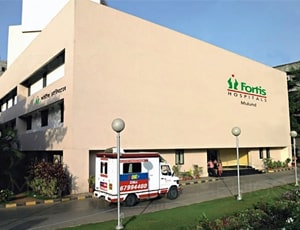
Fortis Hospital, Mulund
Mumbai, India
Fortis Hospital Mulund, located in Mulund West, Mumbai, is a premier healthcare facility providing excellence in multi-speciality healthcare for over 20 years. The global leader in advancing medical technology and clinical expertise, the hospital offers specialities including Cardiology, Neurosciences, Oncology, Transplants, and Orthopaedics. The hospital is well-known for being the largest transplant center in Maharashtra and offers advanced treatment options, including Transcatheter Aortic Valve Implantation (TAVI) and stereotactic precision radiotherapy for cancer. Fortis Mulund is equipped with a 24/7 Emergency Department and International Patient Unit to provide world-class patient-centric care.

Apollo Hospital International Limited
Ahmedabad, India
Apollo Hospital International Limited located in Ahmedabad, India is accredited by JCI, NABH. Also listed below are some of the most prominent infrastructural details:
- Hospital with 234 bed capacity
- Credit for doing the autologous stem cell transplant when a patient has acute myeloid Leukemia
- Regular transplants of cell and bone marrow
- A 1.5 Tesla MRI scan is available, only healthcare organisation in Gujarat with this option
- Success percentage of 90 when critical oncology procedures are done
- Diagnostics such as Blood Tests, X-Ray, Echo and Cardiac related tests
- International Patient Care related facilities: Accommodation, Airport Transfer, Meals per choice, Interpreter, SIM, TV inside room
- Excellent line up of doctors, surgeons and healthcare professionals such as nurses, technicians
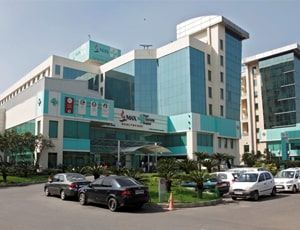
Max Super Speciality Hospital, Saket
Delhi, India
Max Smart Super Speciality Hospital, Saket, is a 250-bed tertiary care hospital awarded NABH accreditation, which provides advanced medical care in various specialities such as Cardiac Sciences, Orthopaedics, Neurology, Urology, Kidney Transplant, Paediatrics, and Obstetrics & Gynaecology. The hospital provides quality, safe, integrated, and patient-centric medical care using modular OTs, ICUs, Cath Labs, CT, MRI and Dialysis units.
Our Services to better your experience
Opinion & Option
We submit the most accurate opinion and options from one or more countries for your review
Consult Privately
Consult with a certified specialist privately on our telemedicine platform even before you decide to travel
Logistics
We handle flights, visas, transfers, and accommodation—so you can focus on your health.
Recovery
Our In-house rehabilitation service packages to better your recovery and treatment outcome
Why Choose India for Gastrointestinal Stromal Tumor (GIST) Treatment?
The following are the much-growing reasons for India being frequented for Gastrointestinal Stromal Tumor (GIST) treatment:
- World-Class Health Services at Affordable Costs: The nation is proficient in advanced medical technologies and treatments, including high-quality care at often dissimilar cost ratios of Western countries.
- Most Qualified Professionals: Patients will find internationally trained, renowned hepatologists, surgeons, and specialists. Medical and individualised treatment options will complement the value of the care provided by the best experts in India.
- Complete Medical Services: From advanced diagnostic tools such as elastography and imaging to liver transplants, India has gone the extra mile to provide patients with cutting-edge facilities for total Gastrointestinal Stromal Tumor (GIST) treatment.
- Easy Medical Tourism: India is becoming a central international hub for medical tourism. Many accredited hospitals provide excellent service to international patients, including easy accessibility, visa assistance, and organised packages.
- Holistic Treatment: Most hospitals in India work towards a mainstream plus traditional treatment regime, including even Ayurvedic treatments, for complete liver health recovery and wellness, thus attending to emotional and physical wellness.
Frequently Asked Questions
Since most GISTs are linked to genetic mutations, nothing is known to prevent them. Genetic counselling and screening will, however, aid in early detection if a family history with inherited conditions increases risk.
The prognosis of GISTs depends on several factors: the size and location of the tumour, the specific mutation type, and the degree of spread. Early-stage GISTs, when resected surgically, place their patients in a better prognostic category, while advanced ones require long-term therapy by medications.
Yes, GISTs can return, especially when the original tumour was large or had specific genetic mutation patterns. Therefore, regular follow-up imaging care is essential to detect these at the earliest signs of recurrence or metastasis.
The side effects from treatment, especially tyrosine kinase inhibitors (TKIs), can include fatigue, nausea, swelling, muscle cramps, and impairment of liver functions. These side effects should be controlled and managed according to the directions of the treating physician.
Novel medications have been established for treating GISTs that are resistant to other therapies, while studies are going on to combine targeted therapies with immunotherapy for improved management of advanced GISTs.
GISTs are clinically uncommon in India, but their incidence has increased due to better awareness, improved diagnostic techniques, and access to health care. They are usually seen in adults, with the stomach being the most common site of GISTs.
The survival rate for GIST in India is mainly dependent on when the disease is diagnosed and at what stage of cancer the patient is. In early-stage GIST, the prognosis is excellent, especially in surgical cases. However, for late-stage or metastatic GIST, doctors opt for targeted therapies, which help in improving survival rates, though quite a bit of long-term management would be needed.
Several premier cancer hospitals in India specialise in managing Gastrointestinal Stromal Tumors (GISTs). These hospitals provide supportive management, including surgery, chemotherapy, targeted therapy, and follow-up management.

Reviewer

Dr. Mohit Agarwal
Medical Oncologist
14 Years of Experience
One of the finest Oncologist in New Delhi, India, Dr. Mohit Agarwal has worked with several world class multidisciplinary hospitals over the years. Dr. Mohit Agarwal has over 14+ years of experience in his field. The doctor treats and manages a wide range of conditions such as Stomach Cancer, Rectal Cancer, Breast Cancer, Brain Cancer View More
Last Reviewed - January 2026