Gardner Syndrome Treatment in India
- Top Accredited Hospitals
- Global Medical Standards
- Cutting-Edge Technology
- Proven Treatment Options
- High Success Rate
- Trusted by Millions

What is Gardner Syndrome?
Gardner Syndrome is a rare inherited condition that is considered part of the familial adenomatous polyposis (FAP) spectrum. It is caused by a pathogenic variant in the APC gene and is characterised by multiple adenomatous polyps in the colon and rectum, along with extracolonic features such as osteomas, dental abnormalities, epidermoid cysts, desmoid tumors, and other benign or malignant growths.
What is the Importance of Timely Treatment?
Early diagnosis and regular surveillance are important because adenomatous colorectal polyps associated with APC-related polyposis can gradually develop into colorectal cancer. In classic FAP, colorectal cancer risk becomes extremely high without appropriate preventive management. Timely treatment may involve regular colonoscopy, removal of suitable polyps, upper gastrointestinal surveillance, genetic counselling, and preventive colorectal surgery when indicated. Monitoring can also help identify extracolonic complications such as desmoid tumors, thyroid abnormalities, dental and jaw lesions, and duodenal or gastric polyps at an earlier stage.
What are the Common Symptoms of Gardner Syndrome?
- Multiple adenomatous colorectal polyps
- Rectal bleeding or blood in the stool
- Abdominal pain or cramping
- Diarrhea or changes in bowel habits
- Unexplained iron-deficiency anemia
- Abdominal discomfort or bloating
- Weight loss in advanced disease
- Osteomas, particularly involving the jaw or skull
- Abnormal or extra teeth and other dental abnormalities
- Epidermoid or sebaceous cysts
- Desmoid tumors
- Duodenal or gastric polyps
- Thyroid nodules or thyroid cancer in some individuals
- Congenital hypertrophy of the retinal pigment epithelium (CHRPE)
Causes and Risk Factors of Gardner Syndrome
Causes
- Gardner Syndrome is primarily caused by a disease-causing variant in the APC (adenomatous polyposis coli) gene, which plays an important role in regulating cell growth. APC variants can lead to abnormal accumulation of adenomatous polyps and other characteristic manifestations.
- The condition is inherited in an autosomal dominant manner. Most affected individuals have an affected parent, although Gardner Syndrome/FAP can also occur because of a new (de novo) APC variant in a person without a previous family history.
Risk Factors
- Having a parent with an APC pathogenic variant
- A family history of familial adenomatous polyposis or Gardner Syndrome
- Inheriting an APC pathogenic variant
- Previous identification of multiple colorectal adenomas
- A personal or family history of early-onset colorectal cancer
- Presence of extracolonic features such as desmoid tumors, osteomas, dental abnormalities, or certain thyroid tumors
Latest Research and Technologies in the Treatment of Gardner Syndrome in India
- Current management of Gardner Syndrome focuses on genetic diagnosis, intensive endoscopic surveillance, prevention of colorectal cancer, and early management of extracolonic manifestations. Genetic testing for pathogenic APC variants can help confirm the diagnosis and identify at-risk relatives who may benefit from earlier surveillance. Advanced colonoscopy and upper gastrointestinal endoscopy allow doctors to detect and remove precancerous polyps, while minimally invasive and robotic approaches can be used for appropriate colorectal surgeries. Management of desmoid tumors has also evolved, with treatment options ranging from active surveillance and medical therapy to systemic treatments for progressive or symptomatic disease.
Treatment options for Gardner Syndrome
Colonoscopic Surveillance and Polyp Removal: Regular colonoscopy helps monitor colorectal polyps and remove suitable adenomas. Upper GI endoscopy may also be used to detect and manage selected stomach or duodenal polyps.
Preventive Colorectal Surgery : Colectomy or proctocolectomy may be recommended when polyps become extensive, high-grade dysplasia or cancer develops, or adequate endoscopic surveillance is no longer possible.
Cost Start From 10500Explore Options
Management of Extracolonic Manifestations: Desmoid tumors, osteomas, epidermoid cysts, thyroid abnormalities, and other manifestations may require regular monitoring, medication, endoscopic treatment, or surgery depending on their severity.
Treatment of Colorectal Cancer : If colorectal cancer develops, treatment may involve surgery along with chemotherapy, radiation therapy, targeted therapy, or other systemic treatments depending on the cancer's stage and characteristics.
Cost Start From 3000Explore Options
Genetic Counselling and Long-Term Follow-Up: Genetic counselling and APC testing can help identify affected family members and guide early surveillance. Lifelong follow-up is important to monitor the colon, upper gastrointestinal tract, and other associated manifestations.
- Clinical assessment:
- Medical history: Diagnosis begins with a detailed personal and family history, physical examination, and assessment for colorectal and extracolonic manifestations. Genetic counselling and germline APC genetic testing are important when Gardner Syndrome or APC-associated polyposis is suspected.
- Diagnostic evaluation may include: Colonoscopy to identify and assess colorectal adenomas, Histopathological examination of removed polyps, Upper gastrointestinal endoscopy to evaluate gastric and duodenal polyps, APC gene testing, Genetic testing of at-risk relatives when a familial APC variant is identified, Complete blood count and iron studies when anemia or gastrointestinal blood loss is suspected, Thyroid evaluation when clinically indicated, Dental and jaw examination for osteomas and dental abnormalities, and Assessment for desmoid tumors when symptoms or clinical findings suggest them.
- Imaging Tests:
- Ultrasound of the thyroid for thyroid nodules or surveillance
- CT or MRI for suspected or known desmoid tumors
- CT or X-ray imaging of the jaw and facial bones for osteomas when clinically required
- CT or MRI of the abdomen and pelvis when complications or tumors are suspected
- Abdominal ultrasound and other age-appropriate investigations in young children at risk for hepatoblastoma
- CT or MR enterography in selected individuals with extensive small-bowel or duodenal disease
MediRehab (a chain of Rehab centres, part of MediGence) provides comprehensive rehabilitation services designed to support Gardner Syndrome patients in India. These services include:
- Nutritional assessment and dietary guidance
- Gradual return to daily physical activity after surgery
- Bowel-function and pouch-management education after colorectal procedures
- Physiotherapy following major abdominal surgery or treatment for desmoid tumors
- Pain and fatigue management
- Support for maintaining strength and functional independence
- Long-term follow-up and surveillance planning
- Medicines do not eliminate the inherited APC mutation or replace colorectal surveillance and preventive surgery when surgery is indicated. Depending on the patient's manifestations, treatment may include NSAIDs to reduce colorectal polyp burden in selected patients, although these do not replace cancer-prevention strategies. Progressive or symptomatic desmoid tumors may require systemic treatment under specialist supervision, including nirogacestat in appropriate adults. Pain-relieving medicines may be used for symptoms associated with tumors or procedures, while iron supplementation may be recommended for iron-deficiency anemia. A specialist should determine the choice of medication based on the individual's condition.
Instantly Connect with our Specialists


Hospitals for Gardner Syndrome in India
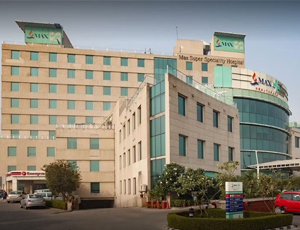
Max Super Specialty Hospital, Shalimar Bagh
Delhi, India
- Max Super Speciality Hospital, Shalimar Bagh, is a 402-bed quaternary-care hospital in New Delhi, offering advanced treatment across 37+ specialities, including Cancer, Cardiac, Neurosciences, Gastroenterology, Orthopaedics, and Renal Transplant.
- Equipped with state-of-the-art technology and a team of highly skilled doctors and nurses, the hospital provides complex procedures, minimally invasive surgeries, and targeted cancer treatments, making it one of India’s leading healthcare destinations.

Amrita Hospital
Faridabad, India
Founded in 1998 by Mata Amritanandamayi (Amma), the Amrita Institute of Medical Sciences and Research Centre is one of India’s leading healthcare institutions, accredited by ISO, NABH, and NABL. With 2 branches, 7 medical colleges, and a network of 800+ doctors and 2,600+ beds, it offers comprehensive care across 81 specialties and 12 super-specialty departments, supported by 60+ modern operating theatres and 534 critical care beds. The Faridabad campus, a world-class multispeciality facility, houses advanced centers for oncology, neurosciences, cardiac sciences, gastro-sciences, mother and child care, and trauma care, along with India’s most comprehensive infectious disease unit. Guided by a mission of compassion and innovation, Amrita Hospitals combine cutting-edge medicine with humanitarian service to empower communities and promote holistic well-being.

Rajagiri Hospital
Kochi, India
- Rajagiri Hospital, Kochi, Kerala, is a leading multi-speciality tertiary care hospital known for providing world-class medical services with advanced technology and compassionate care.
- Accredited by JCI, NABH, and NABL, the hospital offers comprehensive treatment across specialities like Cardiology, Oncology, Neurology, Gastroenterology, Orthopaedics, Nephrology, Urology, and Paediatrics, making it a trusted healthcare destination in South India.
Our Services to better your experience
Opinion & Option
We submit the most accurate opinion and options from one or more countries for your review
Consult Privately
Consult with a certified specialist privately on our telemedicine platform even before you decide to travel
Logistics
We handle flights, visas, transfers, and accommodation—so you can focus on your health.
Recovery
Our In-house rehabilitation service packages to better your recovery and treatment outcome
Why Choose India for Gardner Syndrome Treatment?
- Experienced Multidisciplinary Specialists: India has gastroenterologists, colorectal surgeons, medical oncologists, genetic specialists, pathologists, and radiologists who can work together to manage Gardner Syndrome and its associated complications.
- Advanced Diagnostic Facilities: Specialised hospitals may offer advanced colonoscopy, upper GI endoscopy, genetic testing, imaging, and pathology services to detect colorectal polyps and monitor extracolonic manifestations.
- Minimally Invasive and Robotic Surgery: When colorectal surgery is required, eligible patients may have access to laparoscopic and robotic surgical techniques, which can support precise treatment and postoperative recovery.
- Comprehensive Cancer and Desmoid Tumor Care: Multidisciplinary teams can provide appropriate treatment for colorectal cancer, desmoid tumors, thyroid abnormalities, and other extracolonic manifestations through coordinated medical, surgical, and oncological care.
- Support for International Patients; International patients can receive coordinated consultation, diagnostic evaluation, treatment, postoperative care, and follow-up support, with hospitals and medical travel providers assisting throughout the treatment journey.