Esophageal Varices Treatment in Malaysia
- Top Accredited Hospitals
- Global Medical Standards
- Cutting-Edge Technology
- Proven Treatment Options
- High Success Rate
- Trusted by Millions

What is an Esophageal Varices?
Esophageal varices are enlarged, swollen veins in the lining of the esophagus. They usually develop when increased pressure in the portal venous system, known as portal hypertension, causes blood to flow through smaller veins around the oesophagus. The most common underlying cause is advanced liver disease, particularly cirrhosis. Oesophagal varices may not cause symptoms until they rupture and bleed. Variceal bleeding can be severe and requires urgent medical treatment.
What is the Importance of Timely Treatment?
Timely diagnosis and management are important because enlarged esophageal varices can rupture and cause potentially life-threatening gastrointestinal bleeding. Treatment aims to reduce the risk of the first bleeding episode, control active bleeding, and prevent recurrent bleeding. People with cirrhosis or clinically significant portal hypertension may require screening and preventive treatment depending on their risk. Clinicians may manage medium or large varices with non-selective beta-blockers or endoscopic variceal band ligation, depending on the patient's clinical situation.
What are the Common Symptoms of an Esophageal Varices?
- Vomiting blood, which may be bright red or resemble coffee grounds
- Black, tarry stools
- Dizziness or light-headedness
- Weakness or fainting
- Rapid heartbeat
- Low blood pressure
- Pale or clammy skin
- Confusion or reduced alertness in severe blood loss
Causes and Risk Factors of Esophageal Varices
Causes
- Liver cirrhosis: The most common underlying cause of portal hypertension and esophageal varices.
- Portal vein thrombosis: A blood clot can obstruct portal blood flow and increase pressure within the portal venous system.
- Hepatic vein or inferior vena cava obstruction: Conditions that interfere with blood flow through the liver can contribute to portal hypertension.
- Schistosomiasis: In endemic regions, this parasitic infection can cause portal hypertension.
- Other liver or vascular disorders: Conditions that impair portal blood flow may also contribute to variceal formation.
Risk Factors
- Advanced or decompensated cirrhosis
- Clinically significant portal hypertension
- Previous variceal bleeding
- Large or medium-sized esophageal varices
- Red signs on varices identified during endoscopy
- Continued liver injury from alcohol or viral hepatitis
- Portal or hepatic vein thrombosis
- Poorly controlled underlying liver disease
Latest Research and Technologies in the Treatment of Esophageal Varices in Malaysia
- Advances in the management of esophageal varices include improved endoscopic imaging and endoscopic variceal ligation (EVL), in which bands are placed around enlarged veins to reduce the risk of bleeding or control active bleeding. For patients with severe or recurrent bleeding, selected centres may offer transjugular intrahepatic portosystemic shunt (TIPS), a procedure that reduces pressure in the portal vein. Recent advances also include early TIPS for carefully selected high-risk patients and improved endoscopic and radiological techniques for complex cases. Treatment may combine medicines that lower portal pressure with endoscopic procedures and management of the underlying liver disease. Availability of specialised procedures varies between hospitals in Malaysia.
Treatment options for Esophageal Varices
Endoscopic Variceal Band Ligation : During upper GI endoscopy, elastic bands are placed around selected esophageal varices to stop active bleeding or reduce the risk of future bleeding. Band ligation is a standard endoscopic treatment for acute esophageal variceal bleeding.
Cost Start From 600Explore Options
Emergency Treatment of Acute Variceal Bleeding: Suspected acute variceal bleeding requires urgent resuscitation and medical management. Start vasoactive medicines and prophylactic antibiotics promptly, then proceed to therapeutic endoscopy, usually with band ligation.
Transjugular Intrahepatic Portosystemic Shunt (TIPS): TIPS creates a connection between the portal and hepatic venous systems to reduce portal pressure. It may be considered when bleeding cannot be adequately controlled with endoscopic treatment or in selected patients at high risk of treatment failure.
- Clinical assessment:
- Review of symptoms and any history of vomiting blood or black stools.
- Assessment of liver disease, cirrhosis, portal hypertension, and previous variceal bleeding.
- Review of alcohol use, viral hepatitis, medications, and other factors affecting liver health.
- Physical examination for signs of chronic liver disease, anemia, fluid retention, and hemodynamic instability.
- Blood pressure, pulse, oxygen saturation, and assessment for signs of significant blood loss when bleeding is suspected.
- Blood tests to assess hemoglobin, platelet count, liver function, kidney function, and blood clotting.
- Imaging Tests:
- Upper GI endoscopy: The principal test for directly identifying esophageal varices and allows therapeutic band ligation when indicated.
- Doppler ultrasound: Can assess the liver, portal vein, blood flow, and features associated with portal hypertension.
- CT or MRI: May evaluate the liver, portal and hepatic veins, collateral blood vessels, and other complications of portal hypertension.
- Liver stiffness assessment: Elastography can provide non-invasive information about liver fibrosis and may help assess clinically significant portal hypertension.
- Endoscopic ultrasound (EUS): May provide additional information about the vascular anatomy and portal hypertension in selected cases.
- Medicines used to manage oesophagal varices may include non-selective beta-blockers, Vasoactive medicines, Antibiotics, and Supportive medicines. The treating gastroenterologist or hepatologist should determine the exact medicine, dose, duration, and combination. Beta-blockers require particular caution in patients with low blood pressure, certain heart conditions, or advanced liver disease.
Instantly Connect with our Specialists


Hospitals for Esophageal Varices in Malaysia
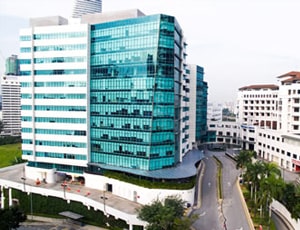
Parkway Pantai
Kuala Lumpur, Malaysia
Parkway Pantai located in Kuala Lumpur, Malaysia is accredited by JCI. Also listed below are some of the most prominent infrastructural details:
- Capacity of 335 beds
- 200+ specialist Doctors
- Critical Care Unit
- Neonatal Intensive Care Unit
- Operating Theatre
- International Patient Care Center
- Types of rooms available- Premier Suite, Supreme Suite, Deluxe Single Room, 2-bedded room, 4-bedded room, Deluxe Suite, Premier Single room, and Supreme Single room

Sunway Medical Centre
Kuala Lumpur, Malaysia
Sunway Medical Centre has initiated a comprehensive expansion plan close to its current hospital facility to enhance its ability to provide services to the global market. The new Cancer Radiosurgery Center and Nuclear Medicine Center, which will also house additional Centers of Excellence like the Digestive Health Center and Dialysis Center, marked the completion of Tower C's first phase in October 2016.

Damansara Specialist Hospital, Petaling Jaya
Petaling Jaya, Malaysia
- KPJ Damansara Specialist Hospital offers specialised healthcare across cardiology, oncology, orthopedics, neurology, gastroenterology, nephrology, women’s health, pediatrics, ENT, and minimally invasive surgery. The hospital provides advanced diagnostics, rehabilitation, cardiac care, neurosurgery, wellness programs, and preventive healthcare supported by multidisciplinary specialists and patient-centred clinical protocols. Equipped with modern medical technologies and safety-driven systems, it focuses on evidence-based treatment, personalised care planning, and quality healthcare delivery
Our Services to better your experience
Opinion & Option
We submit the most accurate opinion and options from one or more countries for your review
Consult Privately
Consult with a certified specialist privately on our telemedicine platform even before you decide to travel
Logistics
We handle flights, visas, transfers, and accommodation—so you can focus on your health.
Recovery
Our In-house rehabilitation service packages to better your recovery and treatment outcome
Why Choose Malaysia for Esophageal Varices Treatment?
- Experienced Gastroenterologists and Hepatologists: Look for centres with specialists experienced in portal hypertension, cirrhosis, variceal bleeding, and therapeutic endoscopy. Expertise becomes particularly important when patients have recurrent bleeding or advanced liver disease.
- Advanced Endoscopy Facilities: Hospitals should have access to high-quality upper GI endoscopy and therapeutic endoscopy, including esophageal variceal band ligation. Experienced endoscopy teams are especially important for emergency variceal bleeding.
- Emergency and Critical-Care Support: Because acute variceal bleeding can cause rapid blood loss, patients may need emergency resuscitation, blood-product support, intensive care, and urgent endoscopic treatment. A hospital with appropriate critical-care and multidisciplinary services can support complex cases.
- Interventional Radiology and Liver Care: For selected patients with uncontrolled or recurrent bleeding, consider procedures such as TIPS. Access to interventional radiology, hepatology, gastroenterology, and liver surgery or transplant services can support comprehensive care when required.
- International Patient Support and Follow-Up: International patients may consider hospitals with experience coordinating overseas care, including appointments, medical documentation, communication support, treatment coordination, and follow-up. Continuity of care is especially important for long-term management of liver disease.
Frequently Asked Questions
Author

Pragun Gupta
Pragun Gupta is a Doctor of Pharmacy (Pharm. D.) professional from Teerthanker Mahaveer University with hands-on experience in clinical pharmacology, clinical research, and evidence-based medical writing. Through her clinical and research exposure, she has developed a strong interest in pharmacoeconomics, pharmacology, therapeutics, and pharmacovigilance.
As a medical writer, she works on medical and scientific research articles, patient education materials, and healthcare-focused content. Her clinical research and evidence-based writing experience enables her to translate complex medical information into clear, accurate, patient-friendly content while maintaining scientific credibility and medical accuracy. Her primary aim is to make healthcare information accessible and easy for patients and general readers to understand.
View More