Esophageal Cancer Treatment in Turkey
- Top Accredited Hospitals
- Global Medical Standards
- Cutting-Edge Technology
- Proven Treatment Options
- High Success Rate
- Trusted by Millions

What is Esophageal Cancer?
Esophageal cancer is a malignant tumor that develops in the esophagus, the muscular tube that carries food from the mouth to the stomach. The two main types are esophageal squamous cell carcinoma, which develops from the cells lining the esophagus, and esophageal adenocarcinoma, which develops from glandular cells and is often associated with the lower esophagus.
What is the Importance of Timely Treatment?
Early diagnosis and treatment of esophageal cancer are important because the disease can progress and spread without treatment. When detected earlier, treatment is more likely to control or eliminate the cancer.
Timely evaluation can also help determine whether surgery, chemotherapy, radiotherapy, immunotherapy, targeted therapy, or a combination of treatments is most appropriate. For advanced disease, treatment may focus on controlling cancer growth, relieving symptoms, maintaining nutrition, and improving quality of life.
What are the Common Symptoms of Esophageal Cancer?
- Difficulty or pain while swallowing
- A feeling that food is getting stuck in the throat or chest
- Progressive difficulty swallowing solid and liquid foods
- Chest or upper abdominal discomfort
- Persistent indigestion or heartburn
- Regurgitation of food
- Persistent cough or hoarseness
- Nausea or vomiting
- Fatigue or weakness
- Gastrointestinal bleeding, which may cause vomiting of blood or black stools
Causes and Risk Factors of Esophageal Cancer
Causes
- Oesophagal cancer develops when genetic and molecular changes cause cells in the oesophagal lining to grow and divide abnormally. The exact combination of changes varies from person to person.
- Chronic irritation, inflammation, and cellular damage may contribute to some oesophagal cancers.
Risk Factors
- Increasing age
- Tobacco use
- Heavy alcohol consumption
- Long-standing gastroesophageal reflux disease (GERD)
- Barrett's esophagus
- Obesity, particularly for adenocarcinoma
- Certain dietary patterns and nutritional deficiencies
- Achalasia and other long-standing esophageal disorders
- Previous exposure to certain caustic substances
- Family history or inherited susceptibility in selected cases
Latest Research and Technologies in the Treatment of Esophageal Cancer in Turkey
- Esophageal cancer treatment in Turkey includes established approaches such as endoscopic procedures for selected early-stage cancers, minimally invasive surgery, chemotherapy, radiotherapy, and biomarker-guided systemic treatment. Turkish clinical research has evaluated robotic-assisted and video-assisted esophagectomy, with findings supporting the feasibility of these techniques in selected patients. Minimally invasive and robotic esophagectomy can reduce surgical trauma in appropriate patients. Advanced radiotherapy techniques, including IMRT and image-guided radiotherapy, help deliver radiation more precisely. Immunotherapy with immune checkpoint inhibitors and biomarker-guided treatment is increasingly used for selected locally advanced or metastatic cancers. Access to robotic surgery, advanced radiotherapy, and newer medicines varies between hospitals and should be confirmed with the treating centre.
Treatment options for Esophageal Cancer
Endoscopic treatment: Early, superficial cancers and selected precancerous lesions may be treated using endoscopic mucosal resection or endoscopic submucosal dissection.
Esophagectomy : It may be performed to remove the affected portion of the esophagus and nearby lymph nodes. Minimally invasive or robotic approaches may be appropriate for selected patients.
Chemotherapy : Chemotherapy may be used before surgery, after surgery, together with radiotherapy, or for advanced disease.
Chemoradiotherapy: Combined chemotherapy and radiation may be used for locally advanced disease or when surgery is not appropriate.
Immunotherapy : Immune checkpoint inhibitors may be considered for selected advanced or recurrent cancers based on tumour characteristics and previous treatment.
Targeted therapy : Targeted medicines may be used for cancers with specific biomarkers, such as HER2-positive disease.
- Clinical assessment:
- Evaluation: A detailed medical history and physical examination, including assessment of swallowing difficulties, weight loss, reflux symptoms, tobacco and alcohol exposure, nutritional status, and general health.
- Upper gastrointestinal endoscopy: Allows direct examination of the esophagus and identification of abnormal areas.
- Endoscopic biopsy: Tissue samples are obtained to confirm cancer and determine its histological type.
- Pathology and biomarker testing: May assess tumour type and biomarkers such as HER2, PD-L1, and mismatch repair or microsatellite instability when relevant to treatment planning.
- Imaging Tests:
- CT scan: Helps assess the primary tumour, lymph nodes, and possible spread to other organs.
- PET/CT: Can help detect metabolically active disease and assess distant metastases in appropriate patients.
- Endoscopic ultrasound (EUS): Helps evaluate tumour invasion depth and nearby lymph nodes.
- MRI: May be used in selected cases when detailed imaging of specific areas is required.
- Bronchoscopy: May be considered for selected upper or middle esophageal tumours when involvement of the airway is suspected.
MediRehab (a chain of Rehab centres, part of MediGence) provides comprehensive tele-rehabilitation services designed to support Esophageal Cancer patients in Turkey. These services include:
- Nutritional rehabilitation: Dietitians can help manage swallowing difficulties, weight loss, reduced appetite, and nutritional deficiencies.
- Swallowing therapy: Speech and swallowing specialists may help patients safely regain or improve swallowing function.
- Physical rehabilitation: Physiotherapy and gradual exercise can help restore strength, mobility, and endurance after treatment.
- Respiratory rehabilitation: Breathing exercises may be helpful after major thoracic or upper gastrointestinal surgery.
- Fatigue management: Structured activity, adequate nutrition, sleep support, and energy-conservation strategies can help manage cancer-related fatigue.
- Psychological support: Counselling and supportive-care services can help patients cope with the emotional and social effects of cancer treatment.
- Medicines used for esophageal cancer depend on the stage, tumour type, biomarker profile, and treatment plan. Chemotherapy may include combinations of platinum-based medicines, fluoropyrimidines, taxanes, or other agents. Immunotherapy, including immune checkpoint inhibitors, may be appropriate for selected advanced or recurrent cancers. Targeted therapy, such as HER2-directed treatment, may be considered when the tumour has the relevant biomarker. Supportive medicines may also be used to manage pain, nausea, reflux, nutritional problems, and treatment-related side effects.
Instantly Connect with our Specialists


Hospitals for Esophageal Cancer in Turkey

VM Medical Park Ankara
Ankara, Turkey
Apart from in-detail treatment procedures available, VM Medical Park Ankara located in Ankara, Turkey has a wide variety of facilities available for International Patients. Some of the facilities which are provided by them are Accommodation, Airport Transfer, Choice of Meals, Interpreter, TV inside room. Also listed below are some of the most prominent infrastructural details:
- Covers an area of 22,000 sqm
- Capacity of 44 beds
- 6 Operating Rooms
- 72 Outpatient Clinics
- Online doctor consultation
- Medical records transfer
- Rehabilitation
- Translation services
- Interpreter services
- Airport pickup
- Hotel booking
- Free Wi-fi
- Phone in the room
- TV in the room
- Special dietary requests accepted
- Private rooms for patients available
- Family accommodation
- Pharmacy
- Laundry
- Mobility accessible rooms

Medical Park Tokat Hospital
Tokat, Turkey
Apart from in-detail treatment procedures available, Medical Park Tokat Hospital located in Tokat, Turkey has a wide variety of facilities available for International Patients. Some of the facilities which are provided by them are Accommodation, Airport Transfer, Choice of Meals, Interpreter, SIM. Also listed below are some of the most prominent infrastructural details:
- The Hospital is carrying out its medical activities in an area of 14.000m2
- Availability of 100 inpatient beds
- 6 Operation Theatres (1 reserved for Cardiovascular surgery)
- Physical Therapy Unit with 6 cabins, 3 operating rooms, one exclusively reserved for Heart and Vessel surgeries only
- Cardiology Department
- Neurosurgery Clinics
- Ophthalmology Clinic and many other clinics/units
- Designed with comprise suite rooms and single rooms, keeping the patients comfort as a priority

Ekol
Izmir, Turkey
Ekol Hospitals, located in Izmir, Turkey, offers a revolutionary approach to healthcare with its unique integrated model. The hospital is made up of two general hospitals and three specialized medical centers, boasting a total of 250 beds. With a team of 130 highly qualified surgeons and over 500 healthcare professionals, Ekol Hospitals is equipped with state-of-the-art technology to provide exceptional care. The hospital’s Health and Rehabilitation Centre, which was acquired from a hotel space, ensures a comfortable and convenient environment for patients, offering both excellent medical services and access to local attractions. Ekol Hospitals proudly serves a diverse international clientele, with medical staff fluent in English, German, French, and Turkish, and offers competitively priced treatment options. Accredited by respected global agencies, Ekol Hospitals is committed to delivering top-tier healthcare to patients from around the world.
Our Services to better your experience
Opinion & Option
We submit the most accurate opinion and options from one or more countries for your review
Consult Privately
Consult with a certified specialist privately on our telemedicine platform even before you decide to travel
Logistics
We handle flights, visas, transfers, and accommodation—so you can focus on your health.
Recovery
Our In-house rehabilitation service packages to better your recovery and treatment outcome
Why Choose Turkey for Esophageal Cancer Treatment?
- Experienced cancer specialists: Surgical oncologists, medical oncologists, radiation oncologists, gastroenterologists, and other specialists can contribute to treatment planning.
- Advanced diagnostic facilities: Endoscopy, biopsy, EUS, PET/CT, CT imaging, and molecular or biomarker testing can support accurate staging and treatment selection.
- Modern treatment technologies: Eligible patients may have access to minimally invasive and robotic surgery, advanced radiotherapy, chemotherapy, immunotherapy, and targeted treatments.
- Multidisciplinary cancer care: Treatment can involve surgeons, oncologists, radiologists, pathologists, gastroenterologists, nutritionists, and rehabilitation specialists.
- International patient support: Many major hospitals provide dedicated services for international patients, including medical coordination, documentation, accommodation, travel assistance, and follow-up planning.
Frequently Asked Questions

Reviewer
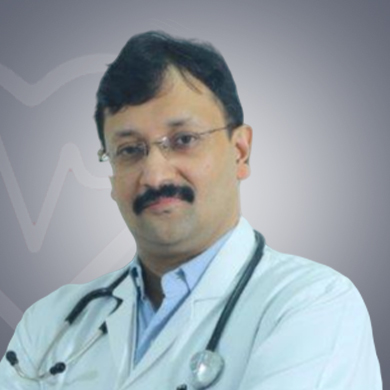
Dr. Mohit Agarwal
Medical Oncologist
14 Years of Experience
One of the finest Oncologist in New Delhi, India, Dr. Mohit Agarwal has worked with several world class multidisciplinary hospitals over the years. Dr. Mohit Agarwal has over 14+ years of experience in his field. The doctor treats and manages a wide range of conditions such as Stomach Cancer, Rectal Cancer, Breast Cancer, Brain Cancer View More
Last Reviewed - January 2026