End-Stage Renal Disease Treatment in Thailand
- Top Accredited Hospitals
- Global Medical Standards
- Cutting-Edge Technology
- Proven Treatment Options
- High Success Rate
- Trusted by Millions

What is End-Stage Renal Disease?
At this stage, there is severe damage to the kidney tissues that cannot perform the normal functions of maintaining the balance of fluids, electrolytes, and excretion of waste products. At about 90% loss of kidney function, the body no longer carried out the vital functions it used to perform but rather continued to suffer complications within the patient.
What is the Importance of Timely Treatment?
Prevention of Complications
Early intervention is intended to prevent kidney damage from further progression, reduce the risk of serious complications, including heart disease, electrolyte imbalances, and fluid overload from untreated ESRD, and improve quality of life.
Improves Quality of Life
ESRD patients can lead semi-normal lives with little fatigue and improve possible nausea or swelling through dialysis or transplantation treatments with an early diagnosis and treatment.
Increases Survival
Actions taken promptly, like dialysis and transplant, directly contribute to the longevity of patients suffering from ESRD, as they treat the loss of kidney function before such loss of function becomes immediately life-threatening.
Reduces Emergency Care
Continuous follow-up and early treatment help prevent costly and troublesome emergency hospitalisations related to complications from kidney failure.
Options for Treatment
Early treatment decisions are vital so that patients can have an opportunity to consider a variety of options, such as preemptive kidney transplants, home dialysis, and lifestyle changes, with long-term favourable outcomes.
What are the Common Symptoms of End-Stage Renal Disease?
- Fatigue and Weakness
- Swelling (Edema)
- Shortness of Breath
- Nausea and Vomiting
- Changes in Urination
- High Blood Pressure (Hypertension)
- Confusion and Difficulty Concentrating
- Loss of Appetite and Weight Loss
- Itching (Pruritus)
- Chest Pain
Causes and Risk Factors of End-Stage Renal Disease
Causes
- Chronic Kidney Disease (CKD)
- Diabetes (Type 1 and Type 2)
- Hypertension (High Blood Pressure)
- Polycystic Kidney Disease (PKD)
- Glomerulonephritis
- Obstructive Kidney Disease
- Recurrent Urinary Tract Infections (UTIs)
Risk Factors
- Chronic Kidney Disease (CKD)
- Diabetes (Type 1 and Type 2)
- Hypertension (High Blood Pressure)
- Polycystic Kidney Disease (PKD)
- Glomerulonephritis
- Obstructive Kidney Disease
- Recurrent Urinary Tract Infections (UTIs)
Connect with our advisor for a PRIORITY response
Latest Research and Technologies in the Treatment of End-Stage Renal Disease in Thailand
The emerging medical regenerative therapy envisions using mesenchymal stem cells (MSCs) to delay kidney failure and treat inflammation. In this context, Thailand also contributes to international trials for wearable artificial kidneys, which continuously mimic dialysis support. The comprehensive nephrology care teams adopt personally tailored nutrition and fluid management regimens and implement a holistic approach to better their patients' quality of life and provide them with delayed disease progression in cases of ESRD.
End-Stage Renal Disease Prevention Tips
Early Diagnosis and Treatment
Early diagnosis and treatment of MG could reduce the severity of symptoms and prevent complications. Therefore, regular follow-ups with a doctor are vital in initiating early intervention and continued disease monitoring.
.
Stress Management
Stress exacerbates MG symptoms. Therefore, it is advisable to integrate stress-reducing techniques into your daily life, such as meditation, deep breathing exercises, or yoga, to help get stress levels under control.
Infection Avoidance
Infection caused by viral or bacterial illness may trigger MG or worsen its symptoms. Good hygiene/Germ care is recommended; frequent hand washing aids in preventing infections and vaccination for preventable diseases such as flu or pneumonia.
Awareness of Medications
Certain medications, such as antibiotics, beta-blockers, or statins, may aggravate MG symptoms. Therefore, always consult your doctor before taking any new medicines, and do not self-medicate to protect your treatment plan.
Physical Activity Must Be Regular
Moderate exercise will help you maintain muscle strength. Find the proper balance of activity that will not cause fatigue or strain; fatigue is a common symptom of MG.
Treatment options for End-Stage Renal Disease
The treatment for End-Stage Renal Disease requires evaluating the patient's severity and medical condition. The following are the treatment options:
Hemodialysis : A process in which blood is purified out of the body and filtered through a machine, usually done at a dialysis centre. The procedure is done three to four times a week.
Cost Start From USD 300 - USD 500Explore Options
Peritoneal Dialysis : The patient uses his or her peritoneal cavity (the inside of the abdomen) as a filter with dialysis fluid exchanged through the catheter. This can be done at home.
Cost Start From USD 6000 - USD 20000Explore Options
Kidney Transplant : This is the most definitive treatment for ESRD, wherein a healthy kidney from a living or deceased donor is transplanted into the patient in place of the diseased kidneys, giving a chance for everyday life without the need for dialysis.
Cost Start From USD 28000 - USD 40000Explore Options
These are the standard diagnostic methods for diagnosing End-Stage Renal Disease:
Blood test
- Serum Creatinine: Increased serum levels indicate poor functioning kidneys, as creatinine is a waste product usually filtered out by healthy kidneys.
- Blood Urea Nitrogen (BUN): If present in high amounts, it could indicate impending kidney dysfunction as they are responsible for filtering out urea.
- Glomerular Filtration Rate (GFR): A GFR measures the amount of blood that filters through the kidneys.
Urine Tests
- Urinalysis: A test performed to detect abnormalities in urine, such as protein or blood, which signify any damage done to the kidneys.
Imaging Studies
- Ultrasound: Gives clear pictures of the kidney's size, structural integrity, and any blockages or abnormalities generated in their detection of causative issues for possible ESRD, like cysts or blockages.
- CT Scan/MRI: These can produce more detailed images of the kidneys, which the doctors can use to check for structural problems or damage.
Kidney Biopsy
- In some cases, a kidney biopsy may be performed to evaluate the kidney tissue under a microscope and help further pinpoint the cause of ESRD, such as glomerulonephritis or polycystic kidney disease.
Electrolyte Testing
- Electrolyte testing evaluates potassium, sodium, and calcium levels in the blood since ESRD may result in severe disturbances in the electrolyte levels that must be strictly controlled.
MediRehab (a chain of Rehab centres, part of MediGence) provides comprehensive rehabilitation services to support patients through Teleconsulations and online therapy sessions.
Dialysis Training and Assistance
The rehabilitation programs prepare the patients to bring independence into home dialysis management, including regular monitoring and diet adjustments for safe treatments.
Occupational therapy
It covers those activities set to bring back muscle strength, mobility, and endurance that ESRD and the treatment with dialysis have replaced or reduced from the inside of a person's body.
Nutrition Counseling
Dietitians create kidney-friendly meal plans that help manage electrolytes, protein, and fluid intake to prevent complications like hyperkalemia.
Psychological Support
Patients with End-stage Renal Disease are helped in the emotional aspects of their lived experience through counselling and support groups to battle depression and anxiety.
Education on Transplantation
It provides an orientation to kidney transplant candidates to prepare them for organ transplantation. Orientation includes the pre-transplant process, medications after transplantation, and lifestyle changes post-transplantation.
Medications for ESRD usually target complications- anaemia, hypertension, and fluid overload- with antihypertensive medicines, erythropoiesis-stimulating agents, and diuretics. Phosphate binders, potassium binders, and vitamin D supplements help control mineral imbalances. In addition, patients who receive transplants take immunosuppressants to prevent kidney rejection and maintain function.
Instantly Connect with our Specialists


Hospitals for End-Stage Renal Disease in Thailand
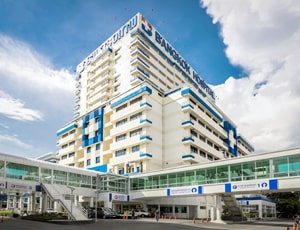
Bangkok Hospital
Bangkok, Thailand
Bangkok Hospital located in Bangkok, Thailand is accredited by JCI. Also listed below are some of the most prominent infrastructural details:
- It is recognised for the application of the newest healthcare technology.
- Blood analysis center that is not just the best in Thailand but in Asia Pacific as well.
- Biomolecule center that is the seed of healthcare equipment for Thailand and overseas.
- International affiliations and collaborations with universities and hospitals in Japan and the United States of America.
- 11 hospitals are recognised as Centers of Excellence.
- Known excellence in Trauma, Orthopedics, Cardiovascular, Neurology as well as Cancer Care.
- There is a proper streamlined patient services process followed in Bangkok Dusit Medical Services, Bangkok, Thailand.
- A well developed research center showcases the intent of the organisation to provide research based treatment opportunities to the patients.
- The group has several Medical industry partnerships as well to ensure healthcare solutions.

Bangpakok 9 International Hospital
Bangkok, Thailand
Bangpakok 9 International Hospital located in Bangkok, Thailand is accredited by JCI. Also listed below are some of the most prominent infrastructural details:
- It would be prudent to summarise the Medical Services provided at the Bangpakok 9 International Hospital (BPK 9), Bangkok, Thailand:
- Cosmetic Dentistry
- Dental Implants
- Electrocardiogram (EKG or ECG)
- Exercise Stress Test
- Health Screening
- Laser Vagina Firming
- Pediatric Physical Therapy
- Perfect Slim by Vela II
- Physical Therapy for Musculoskeletal
- Prosthodontics
- The Medical Services are also inclusive of the International Patient Services such as the ones listed here:
- Thai, English, French, Arabic, Chinese, Myanmar, Cambodia, Bangladeshi, Bahasa and Tagalog are the languages in which there are Translation services available for International Patients.
- Visa extension related assistance
- International health insurance related assistance
- Embassy and international organizations related assistance
- A variety of meals of choice for International Patients
- Email consultation services
- Transfer to either airport and/or hotels
- Prayer room
- Four different types of rooms are available such as Deluxe room, two kinds of suites, and a VIP suite.
- Hospital facilities like The Coffee shop, Food Hall, Cafe and Medical Spa.
- Complete health and safety protocols are maintained in the various Medical Centers some of whom are as follows:
- Aesthetic Center
- 24 Hour Emergency Center
- Allergy Center
- Breast Center
- bSmart Center
- Checkup Center
- Dental Center,
- Happy Long Life Center
- Medical Fitness Center
- Psychiatric Center
- Rehabilitation Center
- Sleep Disorders Center

Vejthani Hospital
Bangkok, Thailand
Vejthani Hospital located in Bangkok, Thailand is accredited by NABH, NABL. Also listed below are some of the most prominent infrastructural details:
- It is among the topmost private hospitals functioning in Thailand.
- The bed capacity of the hospital is 263.
- There are more than three hundred thousand patients visiting the hospital every year.
- Vejthani hospital has more than 40 outpatient clinics and centers.
- International patient care center with all kinds of services: air ambulance, transfers, travel, stay, embassy liaison, patient coordinators, prayer rooms, visa coordination and translators for 20 languages.
- The special facilities are:
- International Certified Laboratory
- 10 Operating Rooms
- Radiology Section: Portable X-ray, CT-scan and C-ARM and MRI
- Neonatal Critical Care Unit
- Water-jet technique applied for liposuction
- Computer navigation and mini-invasive technique for Joint Replacement surgery
Our Services to better your experience
Opinion & Option
We submit the most accurate opinion and options from one or more countries for your review
Consult Privately
Consult with a certified specialist privately on our telemedicine platform even before you decide to travel
Logistics
We handle flights, visas, transfers, and accommodation—so you can focus on your health.
Recovery
Our In-house rehabilitation service packages to better your recovery and treatment outcome
Why Choose Thailand for End-Stage Renal Disease Treatment?
The following are the much-growing reasons for Thailand being frequented for End-Stage Renal Disease treatment:
World-Class Health Services at Affordable Costs
The nation brings proficiency in advanced medical technologies and treatments, including high-quality care.
Most Qualified Professionals
Patients will find internationally trained, renowned hepatologists, surgeons, and specialists. Medical and individualised treatment options with the value of the care provided by the best experts in Thailand.
Complete Medical Services
From advanced diagnostic tools such as elastography and imaging to liver transplants, Thailand has gone the extra mile to provide patients with cutting-edge facilities for total End-Stage Renal Disease treatment.
Comfortable Medical Travel
Thailand is gaining importance as a central international hub in medical tourism, with many accredited hospitals providing excellent service towards international patients for easy accessibility, visa assistance, and organised packages.
Holistic Treatment
Most hospitals in Thailand work towards a mainstream plus traditional treatment regime for complete liver health recovery and wellness, thus attending to emotional and physical wellness.
Frequently Asked Questions
It is vital for surviving Dialysis or a kidney transplant. Supportive care and medication will manage the patient's symptoms but not replace the kidney's needed function.
The lifespan of a patient with ESRD depends on the treatment type the patient is under, the general health status of the patient, and how well the complications have been managed. Dialysis patients may survive for several years, while kidney transplants offer better long-term results.
Good management of diabetes and hypertension, coupled with leading a healthy lifestyle, including proper diet, regular exercise, and no smoking, can slow down the disease progression to end-stage renal disease.
Provided proper treatment, the condition can afford a Patient suffering from end-stage renal disease to live a relatively everyday life. However, lifestyle modifications, medical monitoring, and adherence to treatment plans must be taken up.
The dialysis schedule depends upon the type of on which an individual is kept on dialysis (peritoneal or hemodialysis); generally speaking, a hemodialysis patient will require about 3-4 treatments weekly or may require daily therapies for peritoneal dialysis.
Several hospitals perform kidney transplants for international patients, including living and deceased donor transplants, under appropriate ethical approval.
Success rates are by international standards, with graft survival rates greater than 90% one year after transplantation in the best hospitals.
Dialysis is usually required 2-3 times a week, but home treatment is also an option with automated peritoneal dialysis, which allows for more flexible scheduling.
They will usually have to take medications to control blood pressure, manage electrolyte imbalances, prevent infection, and provide for immunosuppression after having had a transplant.
There are some hereditary forms of ESRD, such as polycystic kidney disease, although the majority are related to lifestyles, including diabetes and high blood pressure.
It depends on the person and the management of his condition. Many ESRD patients can even work and travel, especially those with regular dialysis schedules.

Reviewer

Dr. Akash Khandelwal
Hematologist
9 Years of Experience
Dr. Akash Khandelwal is a distinguished Hematologist, Hemato-oncologist, and Bone Marrow Transplant (BMT) Physician with extensive training from the prestigious AIIMS New Delhi. His expertise encompasses a wide range of specialized techniques in bone marrow transplantation, including autologous and allogeneic transplants such as matched sibling donors, matched unrelated donors (MUD), and haploidentical donor transplants. Dr. Khandelwal has personally supervised and conducted over 100 bone marrow transplants. View More
Last Reviewed - January 2026