Discoid Meniscus Treatment in Malaysia
- Top Accredited Hospitals
- Global Medical Standards
- Cutting-Edge Technology
- Proven Treatment Options
- High Success Rate
- Trusted by Millions

What is a Discoid Meniscus?
A discoid meniscus is an abnormally shaped meniscus that is thicker and more rounded than the usual crescent-shaped cartilage in the knee. It is generally present from birth and most often affects the outer (lateral) meniscus. Many people have no symptoms and do not require treatment. When the meniscus is torn or unstable, it may cause knee pain, clicking, swelling, catching, or difficulty fully moving the knee.
What is the Importance of Timely Treatment?
Timely evaluation helps identify meniscal tears or instability, manage symptoms, preserve knee function, and reduce the risk of further cartilage damage. Early treatment can also help patients return to normal activities and sports when appropriate.
What are the Common Symptoms of a Discoid Meniscus?
- Knee Pain: Pain may occur along the outer side of the knee, particularly during movement or activity.
- Clicking or Popping: A discoid meniscus may produce audible or noticeable clicking during knee movement.
- Knee Swelling: Inflammation or meniscal irritation can cause swelling around the knee.
- Knee Locking: A torn or unstable meniscus may cause the knee to catch or temporarily lock.
- Limited Movement: Pain, swelling, or mechanical symptoms may restrict normal knee motion.
- Feeling of Instability: Some patients may feel the knee giving way during activity.
Causes and Risk Factors of Discoid Meniscus
Causes
- Abnormal Meniscal Development: A discoid meniscus develops when the meniscus forms with an atypical shape and thickness.
- Congenital Variation: The condition is generally present from birth rather than caused by an injury.
- Meniscal Injury: A discoid meniscus may be more prone to tearing or instability, which can cause symptoms.
Risk Factors
- Twisting or Pivoting Activities: Sports involving sudden turns may trigger pain or tear the meniscus.
- Knee Injury: A direct blow or twisting injury may damage the meniscus.
- Existing Meniscal Instability: An unstable meniscus may cause clicking, catching, or locking, even without a major injury.
Latest Research and Technologies in the Treatment of Discoid Meniscus in Malaysia
- Current treatment approaches emphasise preserving as much healthy meniscal tissue as possible. Advances in MRI improve diagnosis and assessment of associated tears, while knee arthroscopy allows minimally invasive evaluation and treatment. Arthroscopic saucerization, with repair when instability or a significant tear is present, is commonly used for symptomatic discoid menisci. Modern rehabilitation protocols focus on restoring movement, strength, and function while supporting a gradual return to activities.
Treatment options for Discoid Meniscus
Treatment depends on symptoms, meniscal stability, associated tears, activity level, and the extent of knee damage.
Activity Modification: Temporary reduction of activities that worsen pain may help manage symptoms.
Physiotherapy: Exercises can improve knee strength, flexibility, stability, and function.
Arthroscopic Saucerization: Excess meniscal tissue is removed to reshape the discoid meniscus while preserving healthy tissue.
Meniscectomy : Tears or unstable portions may be repaired when preservation is possible. Damaged or unstable meniscal tissue may be selectively removed when necessary.
Cost Start From 4250Explore Options
Combined Arthroscopic Treatment: Saucerization and repair may be performed together when both abnormal shape and instability are present.
- Clinical assessment:
- Medical History: Reviews pain, clicking, locking, swelling, previous injuries, and activity-related symptoms.
- Knee Examination: Assesses tenderness, swelling, range of movement, and joint stability.
- Meniscal Tests: Specific clinical manoeuvres help assess possible meniscal involvement.
- Gait Assessment: Evaluates walking pattern and functional changes caused by knee symptoms.
- Functional Assessment: Determines how symptoms affect daily activities and sports.
- Imaging Tests:
- X-rays: Assess the bones and help rule out other causes of knee symptoms.
- MRI: Provides detailed images of the meniscus and helps identify tears, instability, and associated cartilage damage.
- CT Scan: May be used selectively when detailed bone assessment is required.
- Ultrasound: Can assess selected soft-tissue abnormalities but is not the primary test for diagnosing a discoid meniscus.
MediRehab (a chain of Rehab centres, part of MediGence) provides comprehensive tele-rehabilitation services designed to support Discoid Meniscus patients in Malaysia. These services include:
- Physiotherapy may include range-of-motion exercises, quadriceps and hamstring strengthening, balance training, gait exercises, and a gradual return to sports or other activities following treatment.
- Medicines may help control pain and inflammation but do not change the meniscus's abnormal shape. Treatment may include pain relievers or NSAIDs when appropriate, based on the patient's condition and medical advice.
Instantly Connect with our Specialists


Hospitals for Discoid Meniscus in Malaysia

Subang Jaya Medical Centre
Kuala Lumpur, Malaysia
Subang Jaya Medical Center is renowned for pioneering radiation oncology treatments and infrastructure in Malaysia. The hospital also has a state-of-the-art Cancer Radiosurgery Centre (CRC), which is fully furnished with the latest medical technology for cancer detection, monitoring, and treatment.

ParkCity Medical Centre
Kuala Lumpur, Malaysia
In Kuala Lumpur, Malaysia, ParkCity Medical Centre is a 300-bed, cutting-edge, interdisciplinary private hospital that provides award-winning private healthcare in an environment of lush vegetation.

Bukit Tinggi Medical Centre
Kuala Lumpur, Malaysia
As a tertiary care hospital, Bukit Tinggi Medical Centre (BTMC) is committed to providing high-quality, reasonably priced healthcare.
With a focus on patient care and a team of committed medical professionals and personnel, we want to realize our ambition of becoming Klang's go-to healthcare provider. Orthopedics, neurosurgery, cardiac surgery, obstetrics and gynecology, pediatrics and rehabilitation, aesthetic surgery, and other specialties are all part of our multidisciplinary team approach. Additionally, BTMC has a Health Screening Center that provides a range of health packages to meet the requirements of diverse patient types.
Our Services to better your experience
Opinion & Option
We submit the most accurate opinion and options from one or more countries for your review
Consult Privately
Consult with a certified specialist privately on our telemedicine platform even before you decide to travel
Logistics
We handle flights, visas, transfers, and accommodation—so you can focus on your health.
Recovery
Our In-house rehabilitation service packages to better your recovery and treatment outcome
Why Choose Malaysia for Discoid Meniscus Treatment?
- Orthopaedic and Sports Injury Specialists: Patients can see orthopaedic specialists experienced in knee and meniscal conditions.
- Diagnostic Facilities: Selected hospitals offer MRI and other investigations to assess meniscal abnormalities and associated knee injuries.
- Arthroscopic Treatment: Minimally invasive procedures may be available for suitable patients, depending on the hospital and surgeon.
- Meniscus Preservation: When clinically appropriate, treatment may focus on reshaping, repairing, or stabilising the meniscus while preserving healthy tissue.
- Individualised Treatment Plans: Care is selected according to symptoms, meniscal stability, associated injuries, and activity goals.
- Rehabilitation Support: Physiotherapy may help restore movement, strength, and function after treatment.
Patients should confirm the treating surgeon’s experience, the specific procedures offered, rehabilitation arrangements, and total costs with the hospital before travelling.
Frequently Asked Questions

Reviewer
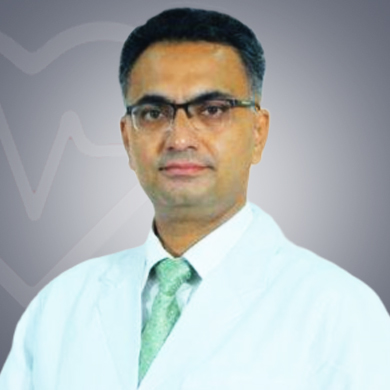
Dr. Puneet Mishra
Orthopaedic Surgeon
25 Years of Experience
Known among his patients for treating with compassion and personal care, Dr. Puneet Mishra is one of the best orthopedic surgeons in New Delhi. Dr. Puneet completed his MBBS from Maulana Azad Medical College in 1996 and from the same college he completed his MS (orthopedics) in 2000. With almost 25+ years of surgical experience under him, Dr. Pankaj takes pride in working with some of the finest medical institutions of the world such as University Hospital, Bern, Maulana Azad Medical College, New Delhi, Endoklinik, Germany, and Professor and Consultant orthopedician at Guru Teg Bahadur Hospital, New Delhi. View More
Last Reviewed - January 2026