Deviated Nasal Septum (DNS) Treatment in Thailand
- Top Accredited Hospitals
- Global Medical Standards
- Cutting-Edge Technology
- Proven Treatment Options
- High Success Rate
- Trusted by Millions

What is a Deviated Nasal Septum (DNS)?
A deviated nasal septum (DNS) occurs when the thin wall of bone and cartilage separating the two nasal passages is displaced or crooked from the midline. A mild deviation may cause no symptoms, while a more pronounced deviation can narrow one or both nasal passages and interfere with normal airflow. A deviated septum may occur alone or together with enlarged turbinates, allergic rhinitis, chronic sinus disease, or other nasal conditions that contribute to breathing difficulties.
What is the Importance of Timely Treatment?
Timely evaluation matters when a deviated nasal septum causes persistent nasal obstruction, recurrent nosebleeds from the deviation, or sleep and breathing difficulties. An ENT specialist can assess whether the septal deviation causes the symptoms or whether other conditions, such as enlarged turbinates, allergic rhinitis, nasal valve dysfunction, or chronic rhinosinusitis, also contribute. A mild or asymptomatic deviation generally does not require treatment.
What are the Common Symptoms of a Deviated Nasal Septum (DNS)?
- Difficulty breathing through one or both nostrils
- Persistent nasal blockage or congestion
- Nasal obstruction that is worse on one side
- Difficulty breathing during exercise
- Frequent nasal congestion
- Recurrent nosebleeds
- Dryness or crusting inside the nose
- Mouth breathing, particularly during sleep
- Snoring
- Disturbed or poor-quality sleep
- Facial pressure or discomfort in some patients
- Recurrent sinus symptoms when associated sinus disease is present
- Reduced sense of smell in some patients
- Headaches or facial discomfort in selected cases
Causes and Risk Factors of a Deviated Nasal Septum (DNS)
Causes
- A deviated nasal septum may be present from birth or develop after injury to the nose. During childhood, the nasal septum may also become displaced as the nose and facial structures grow.
- Trauma, including sports injuries, falls, road-traffic injuries, or previous nasal procedures, can shift the septal cartilage or bone.
- In some individuals, the specific cause cannot be identified.
Risk Factors
- Previous nasal or facial trauma
- Sports-related nasal injuries
- Falls or accidents
- Previous nasal surgery or procedures
- Congenital or developmental differences in nasal structure
- Childhood nasal trauma
- Conditions associated with abnormal nasal or facial development
- Repeated nasal injury
- Age-related changes in nasal structures
Latest Research and Technologies in the Treatment of Deviated Nasal Septum (DNS) in Thailand
- Modern assessment of deviated nasal septum (DNS) focuses on identifying the location and severity of deviation and its contribution to symptoms. Nasal endoscopy provides detailed visualisation, while CT may be used for selected cases involving chronic rhinosinusitis, trauma, complex anatomy, or surgical planning. Septoplasty remains the main surgical treatment for persistent symptoms, with techniques emphasising targeted correction, structural preservation, appropriate patient selection, and postoperative care.
Treatment options for Deviated Nasal Septum (DNS)
Septoplasty : Septoplasty is the main surgical treatment for persistent symptomatic septal deviation. During the procedure, the surgeon accesses the septum through the nose and corrects or removes selected portions of displaced cartilage and bone while preserving adequate structural support.
Cost Start From 3000Explore Options
Septorhinoplasty: Patients with significant external nasal deformity, structural collapse, previous trauma, or complex nasal obstruction may require septorhinoplasty or reconstructive procedures in addition to septal correction. These procedures are individualised according to functional and, when relevant, cosmetic requirements.
- Clinical assessment:
- Medical and Symptom History: Evaluation includes the duration and severity of nasal obstruction, whether symptoms are worse on one side, history of nasal trauma, recurrent nosebleeds, mouth breathing, snoring, sleep disturbance, exercise-related breathing difficulty, allergies, recurrent sinus symptoms, previous nasal surgery, and use of nasal medicines.
- Nasal Examination: The ENT specialist examines the external nose and internal nasal passages for septal deviation, turbinate enlargement, mucosal inflammation, crusting, discharge, nasal valve narrowing, and other anatomical causes of obstruction.
- Assessment of Associated Conditions: Clinicians may assess for allergic rhinitis, chronic rhinosinusitis, nasal polyps, turbinate hypertrophy, nasal valve dysfunction, recurrent epistaxis, or other conditions that can produce symptoms similar to DNS.
- Functional Assessment: In selected patients, objective assessment of nasal airflow or patient-reported symptom scores may document obstruction severity and evaluate treatment outcomes.
- Imaging Tests:
- CT Scan of the Paranasal Sinuses: Consider CT when chronic sinus disease, significant anatomical abnormalities, previous trauma, or complex surgical anatomy needs evaluation. It is not routinely required for every uncomplicated septal deviation.
- Nasal Endoscopy: Provides direct visualisation of the nasal septum and surrounding structures and is useful for diagnosis and preoperative assessment.
- Additional Imaging: Further imaging may be considered when there is a history of significant trauma, unusual symptoms, suspected mass lesions, or other structural abnormalities.
- Symptoms may improve when you treat associated inflammation or congestion. Intranasal corticosteroids may help with allergic or inflammatory nasal swelling, while antihistamines may help patients with allergic rhinitis. Saline nasal irrigation can help moisturise and clear the nasal passages. Decongestants may provide short-term relief in selected situations but should not be used excessively because prolonged use of topical nasal decongestants can cause rebound congestion.
Instantly Connect with our Specialists


Hospitals for Deviated Nasal Septum (DNS) in Thailand
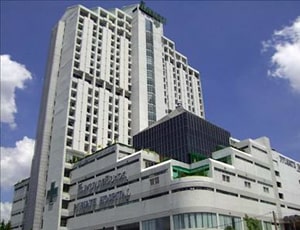
Piyavate Hospital
Bangkok, Thailand
Piyavate Hospital located in Bangkok, Thailand is accredited by JCI. Also listed below are some of the most prominent infrastructural details:
Medicine Centre: Piyavate Hospital provides advanced holistic treatment for their patients. They offer a complete range of services and physicians that specialize in various fields like the endocrine system, the nervous system, kidney function, cardiovascular care, respiratory and digestive system. They pride themselves for the familial care that they provide to their patients.
Fertility and In-Vitro Fertilization Centre: Helping the couples who walk into the Piyavate Hospital to achieve their dream of having a family. They have a medical team that specializes in male and female fertility. They offer consultation services, fertility check-up for both men and women and complete IVF services. They have advanced IVF cycle treatment facilities that offer a high rate of success.
Bone and Joint Institute: Piyavate Hospital houses one of the frontrunners in Orthopaedic health care in all of SouthEast Asia. They offer a wide range of services and surgeries in their bone and joint institute that include hand surgery, hip and knee replacement surgery, spinal cord surgery, upper extremity surgery, arthroscopic surgery and sports medicine.
Eye and Lasik Centre: Piyavate Hospital is fully equipped with the latest and most advanced technology for eye care and houses highly skilled ophthalmologists, sub-specialists and qualified nurses.
Physical Therapy and Rehabilitation Centre: One of the first hospitals to be equipped with the Hybrid Assistive Limb technology that will help a neurologically challenged patient to control the rehabilitation robot limb with a signal from their brain. The Physical Therapy and Rehabilitation Centre at Piyavate Hospital uses this system encourage patients to regain muscle memory to walk and function normally.
Amenities for Patient’s Family:
Piyavate Hospital also offers additional apartment facilities to house the kin of the patients who come to visit them from distant places. A restaurant, a flower shop and a café are a few of the other amenities provided by the hospital.
These are the most popular services offered by the Piyavate Hospital in Bangkok, Thailand. They also provide a plethora of other medical services that are listed below:
Diabetic Foot Centre
Check-up centre
Urology Centre
Heart Institute
Paediatric Centre
Obstetrics and Gynaecology Centre
Surgery Centre
Ear Nose Throat Centre
Haemodialysis Centre
Dental Centre
X-Ray Centre
Gastroenterology Centre
Cancer Centre
Neonatal Intensive Care Unit (NICU)
Emergency Services and Centre
Tele-medicine

Phyathai 2 International Hospital
Bangkok, Thailand
Phyathai 2 International Hospital located in Bangkok, Thailand is accredited by JCI. Also listed below are some of the most prominent infrastructural details:
- Fully equipped rooms are available for convenience of the patients- Gold B Room, Gold A Room, Pediatric Gold A, Platinum room, and Prestige ward
- Nearby accommodations are also available- Abloom Service Apartments, Bangkok Patio, VIB Best Western Sanam Pao, VIC3 Hotel
- Operating room
- International Patient Medical Center to assist overseas patients
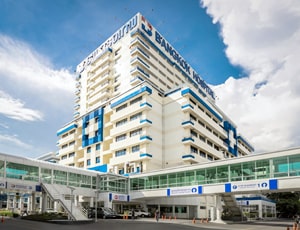
Bangkok Hospital
Bangkok, Thailand
Bangkok Hospital located in Bangkok, Thailand is accredited by JCI. Also listed below are some of the most prominent infrastructural details:
- It is recognised for the application of the newest healthcare technology.
- Blood analysis center that is not just the best in Thailand but in Asia Pacific as well.
- Biomolecule center that is the seed of healthcare equipment for Thailand and overseas.
- International affiliations and collaborations with universities and hospitals in Japan and the United States of America.
- 11 hospitals are recognised as Centers of Excellence.
- Known excellence in Trauma, Orthopedics, Cardiovascular, Neurology as well as Cancer Care.
- There is a proper streamlined patient services process followed in Bangkok Dusit Medical Services, Bangkok, Thailand.
- A well developed research center showcases the intent of the organisation to provide research based treatment opportunities to the patients.
- The group has several Medical industry partnerships as well to ensure healthcare solutions.
Our Services to better your experience
Opinion & Option
We submit the most accurate opinion and options from one or more countries for your review
Consult Privately
Consult with a certified specialist privately on our telemedicine platform even before you decide to travel
Logistics
We handle flights, visas, transfers, and accommodation—so you can focus on your health.
Recovery
Our In-house rehabilitation service packages to better your recovery and treatment outcome
Why Choose Thailand for Deviated Nasal Septum (DNS) Treatment?
- Experienced ENT Specialists: Major Thai hospitals may provide access to ENT specialists and rhinologists experienced in evaluating structural nasal obstruction and performing septal surgery.
- Advanced Diagnostic Facilities: Many centres provide nasal endoscopy, CT imaging when clinically indicated, and assessment for associated conditions such as turbinate enlargement, allergies, chronic sinus disease, and nasal valve problems.
- Modern Septal Surgery: Selected hospitals offer endoscopic septoplasty, septoplasty with turbinate reduction, and complex septal or nasal reconstruction based on individual anatomy and functional needs.
- International Patient Support: Major Thai hospitals may provide medical-record review, specialist coordination, treatment scheduling, visa and travel assistance, accommodation support, interpretation, and postoperative follow-up for international patients.
Frequently Asked Questions

Reviewer

Dr Sameer Sethi
Otolaryngologist
22 Years of Experience
Dr. Sethi has worked as a Senior Consultant, ENT/Otorhinolaryngology at Fortis Hospital, Shalimar Bagh Currently he is a member of the Medical Council of India (MCI), Delhi Medical Council and Association of Otolaryngologists of India (AOI). View More
Last Reviewed - January 2026