Coronary Atherosclerosis Treatment in Singapore
- Top Accredited Hospitals
- Global Medical Standards
- Cutting-Edge Technology
- Proven Treatment Options
- High Success Rate
- Trusted by Millions

What is Coronary Atherosclerosis?
Coronary Atherosclerosis occurs when atherosclerotic plaque accumulates within the walls of the coronary arteries. Over time, the arteries may narrow or become blocked, limiting the oxygen-rich blood supply to the heart. In some cases, a plaque can rupture and form a blood clot, potentially causing an acute heart attack.
What is the Importance of Timely Treatment?
Timely treatment can help control symptoms, slow the progression of coronary artery disease, improve blood flow when necessary, and reduce the risk of heart attack, heart failure, and other complications. Regular assessment also helps identify cardiovascular risk factors and determine whether medicines, lifestyle changes, or revascularisation may be appropriate.
What are the Common Symptoms of Coronary Atherosclerosis?
- Chest Discomfort: Pressure, tightness, heaviness, or squeezing in the chest, particularly during physical activity or emotional stress.
- Shortness of Breath: Reduced blood flow to the heart may cause breathlessness during exertion.
- Fatigue: Some people experience unusual tiredness or reduced exercise tolerance.
- Pain in Other Areas: Discomfort may spread to the arm, shoulder, neck, jaw, back, or upper abdomen.
- Palpitations: Some patients may experience a racing, pounding, or irregular heartbeat.
- Dizziness or Sweating: Lightheadedness, cold sweating, nausea, or weakness may occur, particularly during an acute coronary event.
Causes and Risk Factors of Coronary Atherosclerosis
Causes
- Atherosclerotic Plaque Formation: Cholesterol, fats, inflammatory cells, and other substances accumulate within artery walls.
- High Cholesterol: Elevated LDL cholesterol can contribute to plaque development.
- Arterial Inflammation: Chronic inflammation may contribute to plaque formation and progression.
- Endothelial Damage: Injury or dysfunction of the artery lining can promote atherosclerosis.
- Diabetes and Metabolic Abnormalities: High blood glucose and metabolic disorders can accelerate vascular disease.
Risk Factors
- High blood pressure
- High LDL cholesterol
- Diabetes
- Smoking or tobacco exposure
- Overweight or obesity
- Physical inactivity
- Unhealthy diet
- Increasing age
- Family history of premature coronary artery disease
- Chronic kidney disease
Latest Research and Technologies in the Treatment of Coronary Atherosclerosis in Singapore
- Recent advances include CT coronary angiography, coronary calcium scoring, CT-based flow assessment, fractional flow reserve (FFR), intravascular ultrasound (IVUS), and optical coherence tomography (OCT) for more detailed assessment of coronary arteries and plaques. Modern treatment increasingly combines intensive lipid-lowering therapy (including newer medicines such as PCSK9 inhibitors), personalised cardiovascular risk assessment, cardiac rehabilitation, and minimally invasive revascularisation. Drug-eluting stents and advanced coronary imaging can support selected patients undergoing angioplasty, while complex cases may require coronary artery bypass grafting (CABG).
Treatment options for Coronary Atherosclerosis
Angioplasty and Stenting : Also known as Percutaneous Coronary Intervention (PCI), this mechanical approach restores flow through lumen blockages.
Coronary Artery Bypass Grafting (CABG) : The open-surgical revascularisation approach utilised for complex, multi-vessel, or left main atherosclerotic disease.
Cost Start From 41250Explore Options
- Clinical assessment:
- Medical History: Assessment of symptoms, cardiovascular risk factors, family history, previous heart disease, and medications.
- Physical Examination: Evaluation of blood pressure, heart rate, weight, and other cardiovascular findings.
- Electrocardiogram (ECG): Assesses heart rhythm and may identify evidence of previous or ongoing cardiac ischemia.
- Blood Tests: Lipid profile, blood glucose, HbA1c, kidney function, and cardiac biomarkers when clinically indicated.
- Stress Testing: Exercise or pharmacological stress testing may assess how the heart responds to increased workload.
- Imaging Tests:
- CT Coronary Angiography: Provides detailed images of coronary artery anatomy and plaque.
- Coronary Angiography: Invasive imaging used to identify significant coronary narrowing and guide treatment.
- Echocardiography: Evaluates heart structure and pumping function.
- Cardiac MRI: Provides detailed assessment of heart structure, function, and myocardial damage in selected patients.
- Nuclear Cardiac Imaging: May assess myocardial blood flow and identify areas of reduced perfusion.
- Intravascular Ultrasound (IVUS): Provides detailed images from inside a coronary artery during selected procedures.
- Optical Coherence Tomography (OCT): Provides high-resolution images of coronary plaque and stents during selected interventions.
MediRehab (a chain of Rehab centres, part of MediGence) provides comprehensive rehabilitation services designed to support Coronary Atherosclerosis patients in Singapore. These services include:
- Cardiac Rehabilitation: Structured programmes can improve physical fitness and cardiovascular health.
- Gradual Physical Activity: Increase activity according to symptoms, heart function, and medical advice.
- Weight Management: Maintaining a healthy weight supports overall heart health.
- Medicines for coronary atherosclerosis may include statins or other lipid-lowering therapies, antiplatelet medicines, beta-blockers, nitrates, blood-pressure medicines, and diabetes medications, depending on the patient's condition. Treatment is individualised based on cardiovascular risk, symptoms, associated diseases, and whether the patient has had a previous heart attack or coronary procedure.
Instantly Connect with our Specialists


Hospitals for Coronary Atherosclerosis in Singapore

Thomson Medical Centre
Singapore, Singapore
Apart from in-detail treatment procedures available, Thomson Medical Centre located in Thomson Road, Singapore has a wide variety of facilities available for International Patients. Some of the facilities which are provided by them are Accommodation, Airport Transfer, Choice of Meals, Interpreter, SIM, TV inside room. Also listed below are some of the most prominent infrastructural details:
- The bed capacity of Thomson Medical Center (of Thomson Medical Group) is 190.
- Thomson Medical Group has a prominent presence throughout Asia in Malaysia, Singapore and Indonesia.
- There is a 24/7 Outpatient Family Clinic.
- TMC also consists of various fertility clinics inclusive of an IVF clinic.
- A cancer center for breast, gynecological as well as colorectal tumors of women.

Mount Elizabeth Novena Hospital
Novena, Singapore
Mount Elizabeth Novena Hospital located in Novena, Singapore is accredited by JCI. Also listed below are some of the most prominent infrastructural details:
- Capacity of 333 beds
- Intensive Care Unit beds
- Endoscopy beds
- Day ward with 20 beds
- 13 Operating Theatres, which includes 1 Neurological operating room, 2 Cardiac operating rooms, 4 Orthopaedic operating rooms, etc.
- High Dependency Unit (HDU)
- Neonatal Intensive Care Unit (NICU)
- 24/7 Accident & Emergency Department
- Maternity ward
- 1 major operating unit with 13 operating rooms inclusive of 1 hybrid theatre
- In-house Pharmacy
- Rooms are categorized as Single Signature Rooms, Junior Suite and Regal Suite
- All patient rooms are equipped with electric safe, LCD, sofa cum bed, wardrobe, radio channels, and much more

Gleneagles Hospital
Singapore, Singapore
Gleneagles Hospital, located on Napier Road in Singapore, is a leading private healthcare institution offering comprehensive medical services and advanced clinical care. With 221 beds and a strong team of medical specialists, the hospital holds the Singapore Quality Class certification for excellence in healthcare. Its state-of-the-art facilities include ICU, HDU, NICU, Urgent Care Centre, operating theatres, radiology, endoscopy, laboratories, and rehabilitation units. Gleneagles specializes in orthopaedics, oncology, women’s health, and gastroenterology, offering tailored programs for cancer, bone, and gut health. With modern maternity packages and patient-friendly rooms, the hospital ensures compassionate, high-quality care focused on safety, comfort, and recovery.
Our Services to better your experience
Opinion & Option
We submit the most accurate opinion and options from one or more countries for your review
Consult Privately
Consult with a certified specialist privately on our telemedicine platform even before you decide to travel
Logistics
We handle flights, visas, transfers, and accommodation—so you can focus on your health.
Recovery
Our In-house rehabilitation service packages to better your recovery and treatment outcome
Why Choose Singapore for Coronary Atherosclerosis Treatment?
- Experienced Cardiology Specialists: Access to cardiologists, interventional cardiologists, and cardiac surgeons experienced in coronary artery disease.
- Advanced Cardiac Diagnostics: Major centres offer ECG, echocardiography, CT coronary angiography, cardiac MRI, stress testing, and coronary angiography.
- Modern Interventional Cardiology: Eligible patients may have access to angioplasty, advanced stenting, IVUS, OCT, and physiological coronary assessment.
- Cardiac Surgery: Specialised centres can provide CABG for patients who require surgical revascularisation.
- Comprehensive Heart Care: Cardiology, cardiac surgery, critical care, rehabilitation, nutrition, and other specialists can collaborate for complex cases.
- Personalised Treatment: Treatment plans are based on coronary anatomy, symptoms, cardiovascular risk, heart function, and associated conditions.
- Cardiac Rehabilitation: Structured rehabilitation and lifestyle-management programmes may support long-term recovery.
- International Patient Support: Many major Singapore hospitals provide assistance with appointments, treatment coordination, accommodation, and follow-up for international patients.
Frequently Asked Questions

Reviewer
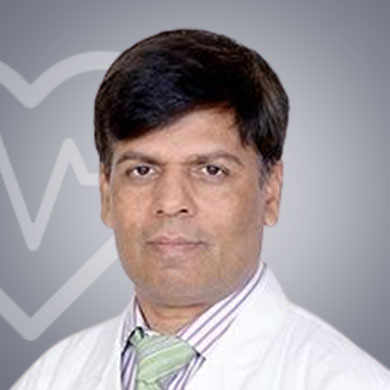
Dr. Nityanand Tripathi
Interventional Cardiologist
29 Years of Experience
With a rich experience of more than 29 years, Dr. Nityanand has gained a vast spectrum of skills and expertise in performing all types of complex cardiac procedures. He is an expert in clinical & interventional cardiology and electrophysiology. He studied his medicine (MBBS) and MD from the Institute of Medical Sciences of Banaras Hindu University, Varanasi, and later completed his DM in Cardiology from the prestigious King George Medical University, Lucknow. View More
Last Reviewed - January 2026