Chronic Lymphocytic Leukemia (CLL) Treatment in India
- Top Accredited Hospitals
- Global Medical Standards
- Cutting-Edge Technology
- Proven Treatment Options
- High Success Rate
- Trusted by Millions

What is Chronic Lymphocytic Leukemia (CLL)?
Chronic lymphocytic leukemia (CLL) is a type of blood cancer in which abnormal lymphocytes, most commonly B lymphocytes, accumulate in the blood, bone marrow, lymph nodes, and spleen. CLL usually develops slowly and may not cause symptoms early on.
The disease can affect the normal production and function of blood cells, potentially leading to anemia, increased susceptibility to infections, or low platelet counts. CLL is closely related to small lymphocytic lymphoma (SLL), with the distinction primarily based on where the abnormal lymphocytes are found.
What is the Importance of Timely Treatment?
A timely diagnosis helps determine the extent and biological characteristics of CLL and whether treatment is needed. Not every person diagnosed with CLL needs immediate treatment. Patients without symptoms or with stable disease may be managed with active surveillance, including regular blood tests and clinical assessments.
What are the Common Symptoms of Chronic Lymphocytic Leukemia (CLL)?
- Persistent fatigue or weakness
- Painless swelling of lymph nodes in the neck, armpits, or groin
- Frequent or recurrent infections
- Unexplained weight loss
- Fever without an obvious infection
- Drenching night sweats
- Easy bruising or bleeding
- Shortness of breath related to anemia
- Abdominal fullness or discomfort due to an enlarged spleen
Causes and Risk Factors of Chronic Lymphocytic Leukemia (CLL)
Causes
- The exact cause of CLL is not known. The disease develops when genetic and molecular changes cause abnormal B lymphocytes to survive and accumulate. These abnormal cells can gradually build up in the blood, bone marrow, lymph nodes, and spleen.
Risk Factors
- Increasing age
- Male sex
- Having a first-degree relative with CLL or another related lymphoid cancer
- Certain inherited genetic susceptibility factors
- Being of European ancestry, as CLL occurs less frequently in some other populations
Latest Research and Technologies in the Treatment of Chronic Lymphocytic Leukemia (CLL) in India
CLL treatment has advanced with targeted therapies and molecular risk assessment, including BTK inhibitors and the BCL2 inhibitor venetoclax, which may be combined with anti-CD20 antibodies. Genetic and molecular testing, including TP53 abnormalities and IGHV mutation status, helps guide treatment selection, while newer options such as the non-covalent BTK inhibitor pirtobrutinib and cellular therapies expand treatment options for selected patients with relapsed or refractory CLL.
Treatment options for Chronic Lymphocytic Leukemia (CLL)
Active surveillance: Patients with early or asymptomatic CLL may be monitored regularly without immediate treatment.
Combination therapy: Targeted medicines may be combined with antibodies or other agents depending on the patient's disease characteristics.
Chemotherapy : Traditional chemotherapy has a more limited role than in the past but may still be considered in specific circumstances.
Cost Start From 300Explore Options
CAR-T Cell Therapy : It is specifically approved as a highly effective option for adults with relapsed or refractory CLL who have already exhausted standard BTK and BCL-2 inhibitor treatments.
Cost Start From 80000Explore Options
Stem cell transplantation : Allogeneic stem cell transplantation may be considered for a small number of carefully selected patients with high-risk, treatment-resistant disease.
Cost Start From 11500Explore Options
- Clinical assessment:
- Complete blood count (CBC): Identifies lymphocytosis and evaluates red blood cells and platelets.
- Peripheral blood smear: Helps assess the appearance of circulating lymphocytes.
- Flow cytometry: Identifies the characteristic immunophenotype of CLL cells and helps confirm the diagnosis.
- Biochemical tests: Kidney and liver function tests and other blood investigations may be performed to assess overall health and treatment readiness.
- Genetic and molecular tests: FISH, TP53 testing, IGHV mutation status, and other molecular investigations can provide prognostic and treatment-related information.
- Imaging Tests:
- CT scan: May evaluate enlarged lymph nodes, spleen, or other areas when clinically indicated.
- PET/CT: Is not routinely required for uncomplicated CLL but can be useful when transformation to a more aggressive lymphoma is suspected.
- Ultrasound: May be used to assess the spleen, liver, or accessible lymph nodes in selected situations.
MediRehab (a chain of Rehab centres, part of MediGence) provides comprehensive rehabilitation services designed to support Chronic Lymphocytic Leukemia (CLL) patients in India. These services include:
- Physical activity: Appropriate activity can help maintain muscle strength, mobility, and endurance.
- Physiotherapy: May help with weakness, reduced mobility, or treatment-related physical limitations.
- Nutritional support: Helps maintain adequate nutrition during treatment and recovery.
- Fatigue management: Energy conservation, sleep support, gradual activity, and appropriate rest may help manage cancer-related fatigue.
- Psychological support: Counselling and supportive-care services can help patients cope with the emotional and social effects of living with CLL.
- Medicines for CLL primarily target abnormal lymphocytes and the pathways that allow them to survive. Commonly used treatments include BTK inhibitors. Anti-CD20 monoclonal antibodies. Newer medicines, including non-covalent BTK inhibitors such as pirtobrutinib, may be considered in certain relapsed or treatment-resistant cases. Supportive medicines may also be used to manage infections, anemia, treatment-related side effects, or other complications.
Instantly Connect with our Specialists


Hospitals for Chronic Lymphocytic Leukemia (CLL) in India

Manipal Hospital, Hebbal
Bangalore, India
Manipal Hospitals, a group of Manipal Education Medical Group, is India’s leading multi-speciality network, comprising over 650 beds. Dedicated to clinical excellence, patient-centric care and ethical practices, it provides sophisticated diagnostics, surgery and home care services to both domestic and international patients, while also improving access to affordable healthcare for underprivileged communities.
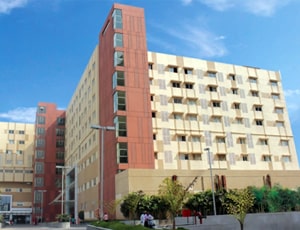
American Oncology Institute
Hyderabad, India
American Oncology Institute located in Hyderabad, India is accredited by AAAHC. Also listed below are some of the most prominent infrastructural details:
- Equipped with the most advanced technology
- TruebeamStx + Calypso combination used for precise radiation therapy
- Backed by advanced equipment like 4D PET CT Imaging, Luminous Acupulse DUO laser, Rapid Arc, MRI, Brachytherapy, Digital Mammography
- Radiation oncology techniques- Intensity Modulated Radiation Therapy, Rapid Arc, Image-Guided Radiation Therapy,
- Stereotactic Radiosurgery, Stereotactic Body Radiation Therapy
- All types of patient accommodation available which provide a comfortable stay to the patients & relatives.
- Fully equipped ICUs with the latest monitoring & therapeutic facilities for critically ill patients
- In house 24/7 blood bank for medical oncology service
- Well-designed patient rooms, therapy rooms OTs, consultation chambers, ICUs, walkways, lounges, parking
- Digital Breast Tomosynthesis is the breast imaging digital technology with 3D imaging
- Dedicated leukemia wing caters to the needs of the patients who are at a high risk of developing an infection
- State-of-the art PET CT, GE Discovery IQ 3 Ring16 PET with LightBurst technology
- Individual cabins for patients needing chemotherapy
- Friendly facility for differently-abled
- Exclusive outpatient consulting section
- Airport pick-up & drop
- Accommodation
- Currency exchange
- The estimated cost of treatment
- Language interpreters
- Payment
- Medical opinion
- Additional services
- Relationship manager
- Meals
- 24/7 Personal nurses*
- Visa assistance

The Madras Institute of Orthopedics and Traumatology
Chennai, India
MIOT started its journey with only 70 beds and focusing on Orthopedics and Trauma care. However, we grew into a multi-specialty hospital with time. MIOT is now a 1000-bedded hospital and can offer an extensive range of services across 63 specialties. The state of art laboratory of our hospital is ranked 8th internationally. We have 21 super-specialty operation theaters equipped with cutting-edge technology to help our doctors with complex procedures.
We take great care to make our patient rooms comfortable enough. The patient rooms get plenty of fresh air as well as natural light. The soothing views from the rooms do not let the patients feel cut off from the outside world. We use separate entrances for emergency patients, out-patients, in-patients, and their attendants. We put our patients’ safety first which is why we use a superior air system to ensure a near-zero infection healthy environment.
Apart from that, MIOT’s 24 hours blood bank provides all kinds of blood work related services which include blood collection to component separation. This state-of-art blood bank alone handles more than 30,000 units of blood over the course of a year. Every month around 600 blood transfusions are managed by this blood bank.
MIOT’s SIGNA Pioneer 3T MRI machine is made with noise reduction technology. This silent MRI machine can deliver superior quality neuroimages without wasting any time. The department of Radiology and Imaging Sciences can give tough competition to any international hospital with its advanced technology and accuracy.
The PET CT service at MIOT International is the first of its kind in South India enabling better and more accurate diagnosis than earlier. The superior diagnosis is also possible for the two digital cath labs at MIOT Heart Revive center.
We also have a physiotherapy team where a team of highly efficient physiotherapists deals with the mobility and functional disability issues of our patients. They listen to the patients carefully to identify the root of the pain and use therapeutic exercises to reduce their pain.
The CCU of MIOT is something to be proud of. The specially-trained staff of this unit is dedicated to ensuring top-quality medical support to serious patients. This unit along with the MIOT International Laboratory is the backbone of our facility.
Furthermore, what makes MIOT unique is our Telemedicine service. In the new normal, we are trying everything to reach our patients. Our one of its kind Telemedicine service connects our patients to our 250 full-time doctors over email, phone, chat and video consultations.
Our Services to better your experience
Opinion & Option
We submit the most accurate opinion and options from one or more countries for your review
Consult Privately
Consult with a certified specialist privately on our telemedicine platform even before you decide to travel
Logistics
We handle flights, visas, transfers, and accommodation—so you can focus on your health.
Recovery
Our In-house rehabilitation service packages to better your recovery and treatment outcome
Why Choose India for Chronic Lymphocytic Leukemia (CLL) Treatment?
- Experienced hematologists: Specialists with expertise in leukemia diagnosis, risk assessment, targeted therapy, and long-term disease management.
- Advanced diagnostic facilities: Flow cytometry, cytogenetic testing, FISH, molecular testing, and advanced imaging can support diagnosis and treatment planning.
- Modern targeted therapies: Eligible patients may have access to BTK inhibitors, BCL2 inhibitors, monoclonal antibodies, and newer treatment approaches.
- Multidisciplinary care: Hematologists, oncologists, pathologists, radiologists, transplant specialists, and supportive-care teams can collaborate on complex cases.
- International patient support: Many major hospitals provide dedicated services for international patients, including treatment coordination, documentation, accommodation, travel assistance, and follow-up planning.