carpal tunnel Disease Treatment in Thailand
- Top Accredited Hospitals
- Global Medical Standards
- Cutting-Edge Technology
- Proven Treatment Options
- High Success Rate
- Trusted by Millions

What is Carpal tunnel syndrome?
Carpal tunnel syndrome is one of the most common hand conditions. It is caused by pressure on the median nerve in the wrist's carpal tunnel, a narrow passage formed by ligaments and bones on the palmar side of the hand. Compression of the median nerve causes numbness, tingling sensation, and weakness in the fingers and thumb.
What is the Importance of Timely Treatment?
Early diagnosis of carpal Tunnel Syndrome (CTS) is essential for reducing symptoms, preventing permanent nerve damage, and avoiding surgery. Early intervention, such as wrist splints, medicines, or physical therapy, can quicken recovery and improve long-term outcomes while minimising pain and the condition's progression.
Successful treatment of CTS enhances quality of life and workplace productivity by maintaining hand function, preventing permanent disability, and reducing the likelihood of recurrence.
What are the Common Symptoms of Carpal tunnel syndrome?
There are a few symptoms of Carpal Tunnel Syndrome, such as:
- Tingling and numbness
- Weakness
Risk Factors and Causes of Carpal Tunnel Syndrome
Causes
- Alcoholism
- Autoimmune diseases
- Mechanical problems in the wrist joint
- Hypothyroidism
- Obesity
- Rheumatoid arthritis
- A wrist fracture
- Using vibrating tools
- Menopause
- Pregnancy
Risk Factors
- Repetitive Hand Movements
- Gender
- Age
- Health Conditions such as diabetes and thyroid disease.
- Previous Wrist Injuries
Connect with our advisor for a PRIORITY response
Latest Research and Technologies in the Treatment of Carpal Tunnel Syndrome in Thailand
- A recent Thai study compared the standard Open Carpal Tunnel Release to the less invasive Wongsiri Technique for treating Carpal Tunnel Syndrome. The Wongsiri Technique is advantageous for fewer complications, faster recovery, and smaller incision size, as revealed by the study. Thus, patients are provided with a safer and better alternative as Thailand transitions towards minimally invasive surgeries.
Preventive measures for carpal tunnel syndrome
Here are a few steps to help prevent carpal tunnel syndrome or slow its progression.
- Use ergonomic tools and proper wrist placement at your workplace to avoid carpal tunnel syndrome. Stretch your wrists and take frequent breaks to prevent repetitive tasks. Monitor your weight, and do not overuse your hands and wrists. Managing diseases such as diabetes and arthritis is another way to reduce risk. All these precautions allow you to maintain healthy wrists that are easy on the hands.
Treatment options for carpal tunnel Disease
Carpal Tunnel Release: A surgical treatment called carpal tunnel release relieves pressure on the wrist's median nerve.
Cost Start From USD 472 - USD 1000Explore Options
- Clinical assessment:
- Physical Examination: Check signs of numbness or tingling.
- Range-of-motiontests: Wrist movement can be evaluated, and tests like Tinel's sign or Phalen's manoeuvre may help check for nerve irritation.
- Imaging Tests:
- MRI Scans: An MRI scan can reveal the wrist and carpal tunnel in great detail, making it easier to observe soft tissue injury and nerve compression.
- Ultrasound can non-invasively evaluate the problem, showing abnormalities in the median nerve, inflammation and swelling.
- Nerveconductionstudies(NCS): Nerve conduction tests are more commonly used to test the median nerve functions.
- Other diagnostic: Some of the following are diagnostic techniques for CTS:
- Grip strength tests: To test weakness in the hand and functioning.
- Sensory tests: Check if the hand is tingling or numb.
- Functional tests: The ability to execute routine activities with wrist movement.
Our MediRehab facilities, part of MediGence, offer physical therapy services for international patients. We also have convenient teleconsultation options so that patients all over the globe can receive expert treatment remotely. A few services such as:
- Personalised Therapy Plans: Improved mobility, pain management, improvement in strength, and reduction in inflammation.
- Ergonomic changes: Task or workstation change to reduce stress.
- Depending on the situation, your healthcare professional may prescribe medicine to help control your symptoms and support the treatment plan.
Instantly Connect with our Specialists


Hospitals for carpal tunnel Disease in Thailand
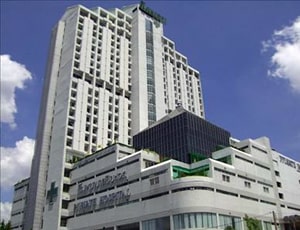
Piyavate Hospital
Bangkok, Thailand
Piyavate Hospital located in Bangkok, Thailand is accredited by JCI. Also listed below are some of the most prominent infrastructural details:
Medicine Centre: Piyavate Hospital provides advanced holistic treatment for their patients. They offer a complete range of services and physicians that specialize in various fields like the endocrine system, the nervous system, kidney function, cardiovascular care, respiratory and digestive system. They pride themselves for the familial care that they provide to their patients.
Fertility and In-Vitro Fertilization Centre: Helping the couples who walk into the Piyavate Hospital to achieve their dream of having a family. They have a medical team that specializes in male and female fertility. They offer consultation services, fertility check-up for both men and women and complete IVF services. They have advanced IVF cycle treatment facilities that offer a high rate of success.
Bone and Joint Institute: Piyavate Hospital houses one of the frontrunners in Orthopaedic health care in all of SouthEast Asia. They offer a wide range of services and surgeries in their bone and joint institute that include hand surgery, hip and knee replacement surgery, spinal cord surgery, upper extremity surgery, arthroscopic surgery and sports medicine.
Eye and Lasik Centre: Piyavate Hospital is fully equipped with the latest and most advanced technology for eye care and houses highly skilled ophthalmologists, sub-specialists and qualified nurses.
Physical Therapy and Rehabilitation Centre: One of the first hospitals to be equipped with the Hybrid Assistive Limb technology that will help a neurologically challenged patient to control the rehabilitation robot limb with a signal from their brain. The Physical Therapy and Rehabilitation Centre at Piyavate Hospital uses this system encourage patients to regain muscle memory to walk and function normally.
Amenities for Patient’s Family:
Piyavate Hospital also offers additional apartment facilities to house the kin of the patients who come to visit them from distant places. A restaurant, a flower shop and a café are a few of the other amenities provided by the hospital.
These are the most popular services offered by the Piyavate Hospital in Bangkok, Thailand. They also provide a plethora of other medical services that are listed below:
Diabetic Foot Centre
Check-up centre
Urology Centre
Heart Institute
Paediatric Centre
Obstetrics and Gynaecology Centre
Surgery Centre
Ear Nose Throat Centre
Haemodialysis Centre
Dental Centre
X-Ray Centre
Gastroenterology Centre
Cancer Centre
Neonatal Intensive Care Unit (NICU)
Emergency Services and Centre
Tele-medicine

Phyathai 2 International Hospital
Bangkok, Thailand
Phyathai 2 International Hospital located in Bangkok, Thailand is accredited by JCI. Also listed below are some of the most prominent infrastructural details:
- Fully equipped rooms are available for convenience of the patients- Gold B Room, Gold A Room, Pediatric Gold A, Platinum room, and Prestige ward
- Nearby accommodations are also available- Abloom Service Apartments, Bangkok Patio, VIB Best Western Sanam Pao, VIC3 Hotel
- Operating room
- International Patient Medical Center to assist overseas patients

Kasemrad Ramkhamhaeng Hospital
Bangkok, Thailand
Apart from in-detail treatment procedures available, Kasemrad Ramkhamhaeng Hospital located in Bangkok, Thailand has a wide variety of facilities available for International Patients. Some of the facilities which are provided by them are Accommodation, Airport Transfer, Choice of Meals, Interpreter, SIM, TV inside room. Also listed below are some of the most prominent infrastructural details:
- Initially started with 1.5 acres of land and expanded to 3.5 acres
- 139 beds, 39 Examination Rooms
- 13 Specialties Departments/Centers
- 24*7 Emergency Department
- Accommodation facilities are available- VIP rooms, Single special room, 6-bed dormitory, baby room
Our Services to better your experience
Opinion & Option
We submit the most accurate opinion and options from one or more countries for your review
Consult Privately
Consult with a certified specialist privately on our telemedicine platform even before you decide to travel
Logistics
We handle flights, visas, transfers, and accommodation—so you can focus on your health.
Recovery
Our In-house rehabilitation service packages to better your recovery and treatment outcome
Why Choose Thailand for Carpal Tunnel Treatment?
Thailand has expert surgeons, cutting-edge medical technology, and reasonably priced Carpal Tunnel Syndrome treatment. It offers fast and economical solutions with minimally invasive choices, including the Wongsiri Technique, complete treatment, and teleconsultation services for patients from overseas.
Frequently Asked Questions
Use these tips to prevent Carpal Tunnel Syndrome (CTS):
- Prevent causing strain on your wrists by keeping your posture upright.
- Do not do repetitive actions.
- Use ergonomic tools, such as a keyboard with a built-in wristrest.
- Perform exercises to develop muscles and allow flexibility in your wrists.
- Maintain neutral wrist orientation when using a mouse or when typing.
- Keep your weight under control and care for any underlying medical issues, such as diabetes.
The course of treatment depends on the severity of Carpal Tunnel Syndrome (CTS). Mild cases may benefit from wrist splints, anti-inflammatory drugs, physical therapy, and ergonomic adjustments. If symptoms worsen, corticosteroids may be injected. In extreme situations, surgery (carpal tunnel release) may be necessary to relieve pressure on the median nerve.
Depending on their requirements, some patients might return for face-to-face check-ups, though follow-up treatment can often be managed remotely through teleconsultations.
When conservative measures, including splints, therapy, or medication, fail to improve symptoms after a few months or when the problem deteriorates into causing severe weakness, ongoing discomfort, or hand loss, surgery for Carpal Tunnel Syndrome (CTS) is generally recommended. It is also recommended if non-surgical methods have failed and there is apparent nerve damage or when symptoms significantly interfere with daily functioning.
Recovery from Carpal Tunnel Release surgery in Thailand typically takes four to six weeks. Most patients can return to normal activities, like light work, within a few weeks. It may take three months to recover, including regaining strength and mobility. Recovery time can vary depending on the surgery type (traditional or minimally invasive) and each patient's healing rate.
The severity of Carpal Tunnel Syndrome (CTS) and the mode of therapy determine the length of time it may take to recover. Improvement can occur in mild cases managed non-surgically in weeks to months. However, following surgery, most patients return to normal activities after 6–8 weeks of recovery.
Untreated carpal tunnel syndrome can cause irreversible nerve damage, leading to muscle weakness and atrophy, especially in the thumb and fingers. Numbness, chronic pain, and hand coordination problems can make everyday tasks difficult. In extreme cases, it may weaken the grip, making it harder to hold objects.
Although it is more commonly seen in one hand, Carpal Tunnel Syndrome can be present in both hands. If the syndrome is related to repeated motions or other underlying diseases like diabetes or rheumatoid arthritis, then eventually, both wrists may develop the syndrome. Both hands may present with symptoms of weakness, tingling, and numbness.
Yes, food can help manage CTS. Anti-inflammatory foods, such as spinach and bananas, contain vitamin B6. Vitamin E (nuts and seeds) and omega-3 fatty acids (fish) can reduce inflammation around the median nerve. A balanced diet containing lean proteins, whole grains, and antioxidants helps with general nerve functioning and relieves symptoms caused by CTS. Maintaining a healthy weight and drinking enough water can also control the condition.
Thailand boasts skilled surgeons, advanced medical technology, and low-cost Carpal Tunnel Syndrome treatment. It provides quick and cost-effective solutions with minimally invasive options, such as the Wongsiri Technique, complete treatment, and teleconsultation services for international patients.
Author

Alvina Hasan
Alvina Hasan is a dedicated medical researcher and scientific writer with a strong foundation in pharmaceutical sciences. She holds a B.Pharm from Jamia Hamdard University and an M.Pharm in Quality Assurance from DIPSAR University.
With deep medical expertise and a strong interest in healthcare communication, she focuses on transforming complex clinical and scientific information into clear, engaging, and easy-to-understand narratives. She develops insightful healthcare articles and research-driven content designed to support both medical professionals and patients, helping bridge the gap between advanced medical knowledge and practical understanding.
Readers can explore her published research and articles here:
https://carcinogenesis.com/index.php/JOC/article/view/868
https://carcinogenesis.com/index.php/JOC/article/view/870
View MoreReviewer
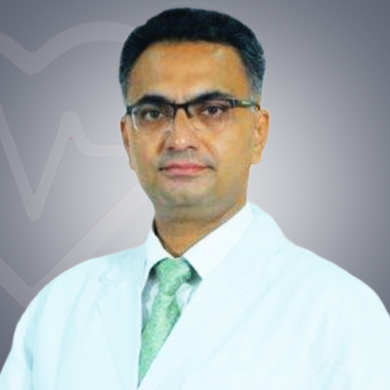
Dr. Puneet Mishra
Orthopaedic Surgeon
25 Years of Experience
Known among his patients for treating with compassion and personal care, Dr. Puneet Mishra is one of the best orthopedic surgeons in New Delhi. Dr. Puneet completed his MBBS from Maulana Azad Medical College in 1996 and from the same college he completed his MS (orthopedics) in 2000. With almost 25+ years of surgical experience under him, Dr. Pankaj takes pride in working with some of the finest medical institutions of the world such as University Hospital, Bern, Maulana Azad Medical College, New Delhi, Endoklinik, Germany, and Professor and Consultant orthopedician at Guru Teg Bahadur Hospital, New Delhi. View More
Last Reviewed - January 2026