Birth Limb Deformities Treatment in India
- Top Accredited Hospitals
- Global Medical Standards
- Cutting-Edge Technology
- Proven Treatment Options
- High Success Rate
- Trusted by Millions

What are Birth Limb Deformities?
Birth limb deformities are congenital anomalies that alter a baby's arms or legs' form, structure, or functionality. These abnormalities include undeveloped or fused limbs and missing or additional fingers or toes. Prenatal problems, environmental circumstances, and hereditary factors are some examples of potential causes. There are several different treatment options, including prostheses, therapy, and surgery.
What is the Importance of Timely Treatment?
To ensure appropriate physical growth, mobility, and functionality, it is essential that birth limb defects can be treated immediately. Early medical treatment can prevent complications such as joint stiffness, muscle weakness, or decreased mobility. It also improves a child's general quality of life and helps them do everyday tasks better. Early intervention, such as surgery, counselling, or prosthetics, can promote improved social and mental health.
What are the Common Symptoms of Birth Limb Deformities?
The following are common symptoms of birth limb deformities:
- Absence or duplication of digits: missing or extra fingers or toes.
- Short, crooked, or undeveloped arms or legs are abnormally shaped limbs.
- Fused Fingers and toes, digits are connected( syndactyl)
- Restricted Mobility or Stiff Joints: Joint abnormalities or limited range of motion.
- One limb may be noticeably shorter than the other due to unequal limb length.
Causes and Risk Factors of Birth Limb Deformities
Causes
The following are the causes of Birth Limb Deformities:
- Genetic factors: Limb abnormalities may result from inherited genetic mutations or syndromes
- Vascular disruption: Problems with blood flow during fetal development may hinder the development of healthy limbs.
- Amniotic Band syndrome: Restricted growth as strands of the amniotic sac encircle the limb.
- Maternal illnesses: Pregnancy-related illnesses like cytomegalovirus and rubella can result in birth abnormalities.
- Teratogenic Exposure: The development of fetal limbs may be hampered by toxic substances such as radiation, retinoic acid, or thalidomide.
Risk Factors
- Family history: This may raise the chance of congenital limb abnormalities due to a genetic predisposition.
- Maternal Health Conditions: Obesity, lupus, diabetes, and other illnesses may increase the risk.
- Multiple Pregnancies: The risk of developing limb abnormalities is increased for twins or many pregnancies.
- Advanced maternal Age: Women over 35 may be more susceptible to birth abnormalities.
Connect with our advisor for a PRIORITY response
Latest Research and Technologies in the Treatment of Birth Limb Deformities in India
Recent advances in treating congenital limb abnormalities concentrate on increasing functional results, decreasing recuperation duration, and improving surgical accuracy. Among the key innovations are Intramedullary Limb-Lengthening Nails.
Birth Limb Deformity Prevention Tips
Here are some of the prevention tips to be followed to prevent Birth limb deformity:
- Prenatal Care: Regular prenatal checks can identify and control risk factors early.
- Healthy Nutrition: A diet high in vitamins, calcium, and folic acid promotes the growth of the fetus.
- Avoid Dangerous Substances: Avoid the use of alcohol, tobacco, and other drugs that can alter the formation of limbs.
- Handle Chronic Conditions: During pregnancy, proper diabetes maintenance, thyroid issues, and infections.
- Genetic Counseling: Genetic screening can assist in determining risks if limb malformations run in the family.
Treatment options for Birth Limb Deformities
The medical treatment for Congenital Limb Deformities requires evaluating the fracture severity, neural involvement, and patient medical condition. The following are the treatment options:
Osteotomy: To address deformities like bowed legs or uneven rotation by removing a bone, an osteotomy is performed to correct it. Improving limb alignment and function can be achieved by combining external or internal fixation for stability. Limb lengthening gradually lengthens bones and encourages the growth of new bones by controlled separation.
Cost Start From USD 3500 - USD 4500Explore Options
Limb Lengthening: Limb lengthening is an innovative procedure to treat congenital limb abnormalities like fibular hemimelia or a shortened femur. An external fixator, such as the Ilizarov apparatus, or an internal device, such as the Precise nail, is used to gradually separate the ends of the bone after the bone is surgically sliced (osteotomy), allowing new bone to grow. There is a consolidation period for bone hardening after the lengthening, which occurs at a rate of roughly 1 mm per day. Physical therapy is crucial for preserving strength and mobility during the several months it may take to recover.
Cost Start From USD 10000 - USD 12000Explore Options
- An orthopaedic surgeon's thorough medical history and physical examination are the first steps in detecting a limb-length disparity. To determine how varied the lengths of your child's limbs are, the doctor will first measure them during the examination.
- If your child's leg lengths differ, the doctor could observe how they walk to determine whether they make up for the difference. Their doctor could also ask your child to stand with a block beneath their shorter leg to determine how much adjustment is required to align their hips and the rest of their body.
- Your child's physician might also prescribe X-rays and another imaging test to assess the disparity better.
For those with congenital limb abnormalities, rehabilitation is essential to enhance their mobility, function, and quality of life. The following are the choices:
- Physical Therapy: The initial stages for determining a limb-length difference are a comprehensive medical history and physical examination by an orthopaedic physician. It helps in preventing contractures and muscle atrophy, particularly following surgery.
- Occupational therapy focuses on improving everyday tasks like writing, dressing, and object gripping. Independence is enhanced by adaptive strategies and assistive technology (such as prosthetics and tailored grips).
- Rehabilitation Through Surgery: Post-operative rehabilitation starts post-limb lengthening or osteotomy surgeries. Includes focused strength training, pain management, and eventual weight bearing.
- Orthotics and Prosthetics Support: Orthotics and bracing offer alignment correction and stability. People with severe abnormalities or amputations can regain function with the use of prosthetic limbs.
- Although medications cannot treat Birth limb deformities directly, they can help control the symptoms and underlying causes; for instance, medications target the root reasons, such as bone-strengthening medications for osteoporosis, NSAIDs for pain management, and vitamin D and calcium supplements for rickets. In certain circumstances, growth hormone therapy may also be helpful. In severe situations, bracing or surgery is usually necessary.
Instantly Connect with our Specialists


Hospitals for Birth Limb Deformities in India

MGM Healthcare
Chennai, India
There are a wide variety of healthcare facilities and specialized, targeted treatments provided by MGM HealthCare. Some of its most prominent services are listed below:
Institute of Heart and Lung Transplant and Mechanical Circulatory Support: Well renowned for having the third-highest number of heart transplants in a year (102) and also the successful completion of several other transplant surgeries and cardiac surgeries.
Cardiac Sciences: They offer a variety of screening tests and facilities including Tilt Table Test, Coronary Angioplasty and Stenting, CT Angiography, Coronary Artery Bypass Grafting, Stress Echocardiogram, Cardiac Stress Test and Cardiac Catheterisation.
Obstetrics and Gynaecology: They provide all services to ensure a woman’s well-being. Some of the services offered are Menstrual Cramps Treatment, Colposcopy, Myomectomy, Vaginal Hysterectomy, Breastfeeding Support, Ovarian Cyst Removal, Menopause Management, Vaginal Birth After Caesarean (VBAC), and Menorrhagia Treatment.
Orthopedics: Bilateral Knee Replacement, Total hip Replacement, and Knee Arthroscopy are all the procedures that are offered in this department.
Liver Transplantation: An exceptionally skilled team of professionals who have performed over 4,000 liver transplant surgeries and an operation theatre and ICU specifically dedicated to HBP surgery is available at the patient’s disposal.
Emergency Medicine: MGM Healthcare has a fully functioning facility dedicated to emergency medicine that operates 24 hours a day and 7 days a week.
Oncology: The patients will be in the safe hands of well-trained medical personnel qualified in the field of oncology and specialize in procedures like Bowel resection surgery, Biopsy, Lumpectomy, Liver Resection Surgery, Lung Cancer resection surgery, Lymph Node Surgery, and Laparoscopic Prostatectomy. They also provide cancer treatments like Chemotherapy, Immunotherapy, and Targeted Therapy.
Anaesthesiology and SICU: They specialize in the field of local, general and regional anesthesia and work to assist doctors during surgical procedures.
Neurosciences and Spine: The doctors in this department handle difficult procedures like Brain Tumour Surgery, Spine Reconstructive Surgery, Neuro Surgeries, and Spine Surgeries with the utmost ease and professionalism. They also have a specific area dedicated to Neuroanaesthesia and NeuroCritical Care.
Do visit the environment-friendly medical facility in Chennai and experience medical excellence.

Apollo Hospitals Bannerghatta
Bangalore, India
Apollo Hospitals Bannerghatta located in Bengaluru, India is accredited by JCI, NABH. Also listed below are some of the most prominent infrastructural details:
- Bed Capacity is 250
- Largest and most sophisticated sleep laboratory in the world
- Technological powerhouse with latest equipments
- 120 slice CT angiogram
- 3 Tesla MRI
- Low energy & High energy Linear Accelerators
- Navigation System in surgical procedures
- 4-D Ultrasound for 4 dimensional sonography
- Digital Fluoroscopy
- Gamma Camera
- Stereotactic Robotic Radio- surgery
- Autologous Bone Marrow Transplantation
- Robotic assisted surgeries
- Thallium Laser-First in India
- Holmium Laser-First in South India
- Digital X-Ray-First in Karnataka
- 100 plus consultants
- Uses Y shaped stent for tracheoesophageal fistula
- Four autologous chondrocyte implantations procedure is performed and several more like Spinal angiolipoma excision, Tibial tuberosity shift with MPSL reconstruction
- Biggest series of airway stents in India
- The Minimal Access Surgery Centre (MASC) centre of excellence

Fortis Hospital
Bangalore, India
Fortis Hospital, Bannerghatta Road, Bangalore, has been a leading multi-speciality healthcare institution, offering advanced medical services with a patient-centric approach. The hospital features 400+ beds, state-of-the-art infrastructure, and experienced specialists across various specialities, providing comprehensive and compassionate care. Trusted by patients from India and abroad, Fortis Bannerghatta Road combines modern technology with high-quality treatment to deliver world-class healthcare.
Our Services to better your experience
Opinion & Option
We submit the most accurate opinion and options from one or more countries for your review
Consult Privately
Consult with a certified specialist privately on our telemedicine platform even before you decide to travel
Logistics
We handle flights, visas, transfers, and accommodation—so you can focus on your health.
Recovery
Our In-house rehabilitation service packages to better your recovery and treatment outcome
Why Choose India for Birth Limb Deformities?
India is an excellent destination for the treatment of birth limb deformity, with good care at affordable prices. The best institutes in the country have all the advanced surgical equipment and top medical professionals with expertise in treating birth limb deformity. Many doctors in India have international training and are using the newest care techniques, including minimally invasive surgery.
Frequently Asked Questions
Surgery is required when birth limb abnormalities result in functional restrictions that cannot be controlled with bracing or treatment or when the condition significantly impairs movement or causes pain. It is frequently advised to improve alignment and movement for limb length disparities, severe angular abnormalities, or missing bone components. Early surgical intervention can reduce problems and improve long-term results.
Birth limb abnormalities mainly affect newborns and infants due to their development during prenatal growth. These birth defects might affect children later in life, necessitating early intervention. They could result in mobility issues into adolescence and adulthood if left untreated.
Some birth limb abnormalities, specifically those brought on by genetic disorders or mutations that impact the development of bones and limbs, may be inherited. Environmental factors, maternal conditions, or vascular issues during pregnancy, however, are responsible for a large number of instances. In families with a history of limb abnormalities, genetic counselling might help determine hereditary risks.
Walking, balance, and coordination issues can be impacted due to birth limb deformities that include limb length disparities, abnormalities in the joints, or missing bones. The nature and location of the defects determine their severity. Physical therapy, surgery, prostheses, and bracing all enhance function and mobility.
In India, one out of every 1,000 live infants had a birth limb deformity. Some of these malformations include Clubfoot, congenital limb shortening, polydactyly, and syndactyly (fused fingers/toes). Environmental factors, maternal health, genetics, and dietary inadequacies influence their incidence. Effective management of these problems can be aided by early discovery by prenatal screening, corrective surgery, or physical therapy.
Depending on the severity of the condition and the treatment approach, the success rate for treating birth limb deformities in India ranges from 90 to 95 per cent. Advanced techniques such as corrective osteotomies and limb lengthening (Ilizarov technique) have shown promising results. India is an emerging travel hub because of its highly qualified orthopaedic surgeons, affordable healthcare, and modern facilities.
Before choosing hospitals in India, always look for the following:
- Hospitals with accreditation (JCI, NABH approved).
- Skilled orthopaedic surgeons specialising in sports injuries
- Success rates and patient reviews.
- Hospitals that assist patients from overseas for a seamless experience
Yes, Indian surgeons have extensive experience treating limb deformities. Both conservative and surgical approaches are frequently used by orthopaedic surgeons and sports medicine specialists in India to diagnose and treat these ailments.
Physical examination at birth may frequently detect birth limb defects. Some severe examples are instantly apparent, including missing limbs or altered limb anatomy. Prenatal ultrasounds can also occasionally identify limb anomalies before delivery. If a hereditary problem is suspected, additional testing, such as X-rays or genetic screening, may be carried out to determine the severity of the deformity.
Untreated congenital limb abnormalities raise the risk of arthritis and spinal misalignment by causing mobility problems, joint pain, and improper posture. Functional restrictions can impact all sports, daily activities, and professional decisions. There may also be psychological effects, such as social isolation and low self-esteem. Long-term emotional and physical difficulties can be avoided with early therapy.
Depending on the procedure used and the severity of the condition, recovery from surgery for birth limb abnormalities varies. Approximately 6 to 8 weeks are needed for osteotomy healing, and many months are required for complete rehabilitation. Limb lengthening could take up to a year, including bone consolidation and lengthening periods. Physical therapy is necessary to regain mobility and strength.

Reviewer
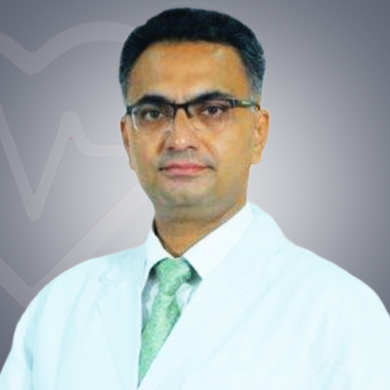
Dr. Puneet Mishra
Orthopaedic Surgeon
25 Years of Experience
Known among his patients for treating with compassion and personal care, Dr. Puneet Mishra is one of the best orthopedic surgeons in New Delhi. Dr. Puneet completed his MBBS from Maulana Azad Medical College in 1996 and from the same college he completed his MS (orthopedics) in 2000. With almost 25+ years of surgical experience under him, Dr. Pankaj takes pride in working with some of the finest medical institutions of the world such as University Hospital, Bern, Maulana Azad Medical College, New Delhi, Endoklinik, Germany, and Professor and Consultant orthopedician at Guru Teg Bahadur Hospital, New Delhi. View More
Last Reviewed - January 2026