Biliary Atresia Treatment in India
- Top Accredited Hospitals
- Global Medical Standards
- Cutting-Edge Technology
- Proven Treatment Options
- High Success Rate
- Trusted by Millions

What is Biliary Atresia?
Biliary atresia is a rare and serious liver disease in which the bile ducts outside the liver become damaged, narrowed, or completely blocked. As a result, bile cannot flow normally from the liver into the intestine and instead builds up in the liver. This can cause progressive liver damage, scarring, and eventually cirrhosis if not treated. Biliary atresia usually becomes apparent during the first weeks of life and requires prompt evaluation by a pediatric hepatology or pediatric surgery team.
What is the Importance of Timely Treatment?
Timely diagnosis and treatment are essential because ongoing bile obstruction can rapidly damage the liver. The primary surgical treatment, the Kasai portoenterostomy, is generally most effective when performed early in infancy. Some children may continue to develop progressive liver disease despite surgery and may eventually require liver transplantation. Early treatment and specialist follow-up can improve the chances of maintaining liver function and supporting normal growth and development.
What are the Common Symptoms of Biliary Atresia?
- Persistent jaundice or yellowing of the skin and eyes
- Pale, white, grey or clay-coloured stools
- Dark urine
- Enlarged liver
- Poor weight gain or slow growth
- Feeding difficulties
- Irritability
- Abdominal swelling
- Poor absorption of nutrients and fat-soluble vitamins
- Signs of progressive liver disease in advanced cases
Causes and Risk Factors of Biliary Atresia
Causes
- The exact cause of biliary atresia is not fully understood. It is thought to involve abnormal injury or inflammation of the bile ducts during early development or shortly after birth.
- Proposed mechanisms include immune-mediated injury, viral or other infectious triggers, genetic susceptibility and abnormalities in bile duct development. In most infants, clinicians cannot identify a single definitive cause.
Risk Factors
- Certain congenital or developmental abnormalities
- Rare genetic susceptibility
- Some congenital malformations associated with syndromic biliary atresia
- Abnormal development of the bile ducts
- Possible environmental or infectious factors, although no specific cause has been established for most cases
Latest Research and Technologies in the Treatment of Biliary Atresia in India
- Current research in biliary atresia focuses on improving early diagnosis, understanding the immune and inflammatory mechanisms of bile duct injury, improving outcomes after Kasai portoenterostomy, and optimising liver transplantation. Advances in neonatal and pediatric hepatology include improved assessment of cholestatic jaundice, abdominal ultrasound with Doppler, liver biopsy and specialised laboratory testing. Research is also examining biomarkers and molecular mechanisms that may help identify infants with biliary atresia earlier and predict response to Kasai surgery.
Treatment options for Biliary Atresia
Kasai Portoenterostomy : The Kasai procedure is the primary surgical treatment for biliary atresia. The damaged extrahepatic bile ducts are removed, and a segment of intestine is connected to the liver to allow bile drainage.
Cost Start From 8000Explore Options
Liver Transplantation : Liver transplantation may be required when Kasai surgery does not establish adequate bile drainage or when progressive liver failure, severe portal hypertension or other advanced complications develop.
Cost Start From 21500Explore Options
- Clinical assessment:
- Evaluation begins with a detailed history and physical examination, with particular attention to the onset and persistence of jaundice, stool colour, urine colour, feeding, growth and signs of liver enlargement.
- Blood tests determine whether the infant has conjugated or direct hyperbilirubinemia and assess liver function.
- Total and direct bilirubin
- Liver enzymes such as AST, ALT, GGT and alkaline phosphatase
- Albumin and coagulation studies
- Complete blood count
- Evaluation for infectious, metabolic and genetic causes of neonatal cholestasis when appropriate
- Liver biopsy in selected infants
- Intraoperative cholangiography to confirm biliary atresia and assess the biliary anatomy
- Imaging Tests:
- Abdominal Ultrasound: Helps evaluate the liver, gallbladder and biliary system and may identify features suggestive of biliary atresia.
- Doppler Ultrasound: Assesses blood flow in the portal and hepatic vessels and can help evaluate associated vascular abnormalities.
- Hepatobiliary Scintigraphy (HIDA Scan): May be used in selected cases to assess bile flow, although it cannot independently confirm or exclude biliary atresia.
- Magnetic Resonance Cholangiopancreatography (MRCP): May provide additional information about the hepatobiliary anatomy in selected infants.
- Intraoperative Cholangiography: Considered an important diagnostic step during surgery and can confirm the absence or severe obstruction of the extrahepatic bile ducts.
MediRehab (a chain of Rehab centres, part of MediGence) provides comprehensive rehabilitation services designed to support Biliary Atresia patients in India. These services include:
- Growth and Development Monitoring: Regular assessment of weight, height, feeding and developmental milestones helps identify nutritional or developmental concerns early.
- Post-Surgical Recovery Support: Infants require careful monitoring after Kasai surgery, including wound care, feeding support, infection surveillance and gradual return to normal activity.
- Long-Term Liver and Transplant Follow-Up: Children require ongoing monitoring of liver function, nutritional status and complications of chronic liver disease, with transplant evaluation when clinically indicated.
- Medicines do not correct the underlying biliary obstruction, so surgery remains central to treatment. Depending on the infant's condition, medicines may include antibiotics for suspected or confirmed cholangitis, ursodeoxycholic acid in selected patients to support bile flow, and vitamin supplementation to correct deficiencies of vitamins A, D, E and K. Nutritional supplementation may include specialised formulas or medium-chain triglyceride-based nutrition when fat absorption is impaired. Additional medicines may be required to manage complications such as itching, ascites or portal hypertension. Medication selection should be guided by a pediatric hepatology or transplant specialist.
Instantly Connect with our Specialists


Hospitals for Biliary Atresia in India
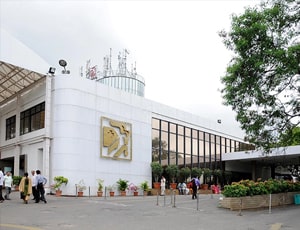
Apollo Hospitals
Hyderabad, India
Apollo Hospitals located in Hyderabad, India is accredited by JCI, NABH. Also listed below are some of the most prominent infrastructural details:
- A premier multi-specialty hospital with 477-bed capacity
- More than 50 specialties, super-specialties
- 12 Centers of Excellence
- The Institutes for Heart Diseases, Neurosciences, Cancer, Emergency, Orthopaedics, Renal Diseases, and Transplants
- Centers of Excellence are known for patient care, training and research
- Doctors with years of truly global experience in healthcare delivery
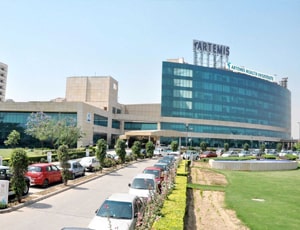
Artemis Health Institute
Gurgaon, India
Artemis Hospital, established in 2007 in Gurgaon, India, is a 750+ bed, state-of-the-art multi-speciality hospital and the first in Gurgaon accredited by JCI and NABH. A flagship of the Apollo Tyres Group, it offers advanced care across cardiology, oncology, orthopaedics, neurology, and transplant medicine, supported by modern infrastructure and 60+ world-class operating theatres. Its Centres of Excellence span critical areas like heart, cancer, neurosciences, orthopaedics, and women & child care. Guided by values of Service, Compassion, and Integrity, Artemis combines innovation, technology, and affordability, making it a trusted international healthcare destination for comprehensive and compassionate patient care.

Sterling Wockhardt Hospital
Mumbai, India
Sterling Wockhardt Hospital located in Mumbai, India is accredited by NABH. Also listed below are some of the most prominent infrastructural details:
- The bed capacity of Sterling Wockhardt Hospital is 50.
- Critical care and complex cases resolution is done with excellent results.
- Emergency departments with 3 beds capacity and Intensive Care Unit with 10 beds capacity.
- The healthcare delivery focus of the hospital is both on prevention as well curing the conditions.
- Diagnostics are well developed with the latest technological developments.
- Pharmacy, operating rooms, lab services are at par with the best in the country.
- 24/7 ambulance services to cover healthcare requirements in Panvel and Vashi.
- Accommodation, airport transfers, flight bookings and translation services are all available for international patients.
Our Services to better your experience
Opinion & Option
We submit the most accurate opinion and options from one or more countries for your review
Consult Privately
Consult with a certified specialist privately on our telemedicine platform even before you decide to travel
Logistics
We handle flights, visas, transfers, and accommodation—so you can focus on your health.
Recovery
Our In-house rehabilitation service packages to better your recovery and treatment outcome
Why Choose India for Biliary Atresia Treatment?
- Specialised Pediatric Liver Care: Major centres may offer multidisciplinary teams including pediatric hepatologists, pediatric surgeons, gastroenterologists, and transplant specialists.
- Advanced Diagnostic Facilities: Hospitals may offer specialised laboratory testing, pediatric ultrasound with Doppler, liver biopsy and intraoperative cholangiography for accurate evaluation.
- Experienced Pediatric Surgery: Selected centres perform Kasai portoenterostomy and other complex hepatobiliary procedures in infants.
- Liver Transplantation Services: Children who develop advanced liver disease may have access to specialised pediatric liver-transplant programmes.
- Comprehensive Pediatric Support: Nutritional care, infection management, developmental monitoring and international-patient coordination can be integrated into the treatment pathway.