Atrial septal defect (ASD) Treatment in Singapore
- Top Accredited Hospitals
- Global Medical Standards
- Cutting-Edge Technology
- Proven Treatment Options
- High Success Rate
- Trusted by Millions

What is Atrial septal defect (ASD)?
A congenital heart defect is a structural issue in the heart that exists from birth and is known as an atrial septal defect (ASD). The septum, a hole in the wall, separates the heart's upper chambers, or atria. The hole size may vary, and surgery may be necessary, or it may heal itself.
Several holes in the wall separate the heart's upper chambers (atria) as the fetus's heart grows. Usually, these apertures seal during pregnancy or soon after delivery. An atrial septal defect (ASD) is a hole that persists if one of these apertures does not close.
What is the Importance of Timely Treatment?
For atrial septal defects (ASD), timely intervention is essential to avoid consequences such as pulmonary hypertension, heart failure, and stroke. Early management reduces the chance of arrhythmias and helps restore normal blood flow, which eases the load on the heart and lungs.
Additionally, it alleviates symptoms, including exhaustion and dyspnea, enhancing the general quality of life.
Early intervention for ASD, particularly in childhood, can improve long-term health outcomes and lessen the need for later, more involved treatments.
What are the Common Symptoms of Atrial septal defect (ASD)?
An atrial septal defect (ASD) may not cause symptoms in a newborn. Adulthood may be when symptoms first appear. Symptoms of an atrial septal defect might include:
- Breathlessness, particularly during physical activity.
- Fatigue, particularly after exerting oneself.
- Swelling in the abdomen, legs, or feet.
- Arrhythmias are irregular heartbeats.
- Palpitations are skipped heartbeats or sensations of a rapid, fluttering, or pounding heartbeat.
Types of Atrial septal defect (ASD)
Atrial septal defects (ASDs) come in the following types:
- Secundum: The most prevalent kind of ASD is this one. It occurs between the upper heart chambers in the centre of the wall.
- Primum: This kind of ASD impacts the lower portion of the wall between the upper heart chambers. It may happen in conjunction with other congenital cardiac issues.
- Sinus venosus: This kind of ASD is uncommon. The top portion of the wall between the heart chambers is where it most frequently occurs. It often happens in conjunction with other congenital defects in the heart's structure.
- Coronary sinus: The heart's vascular system includes the coronary sinus. A portion of the wall separating the left upper chamber of the heart from the coronary sinus is absent in this uncommon form of ASD.
Atrial septal defect and pregnancy
First, consult a healthcare provider if you have an atrial septal defect and are pregnant or considering getting pregnant.
Getting the proper prenatal care is essential. Before becoming pregnant, a medical expert might advise fixing the heart hole.
A high-risk pregnancy may result from a significant atrial septal defect or its consequences.
Causes, Risk Factors and Complications of Atrial Septal Defect (ASD)
Causes
It's unclear what causes atrial septal defects. The issue impacts the heart's structure. It occurs during pregnancy when the baby's heart is developing.
The following factors may cause congenital cardiac defects like atrial septal defects:
- Genetic alterations.
- Certain health issues.
- Certain medications.
- Smoking.
- Abuse of alcohol
Risk Factors
The following conditions can raise a baby's chance of an atrial septal defect or other birth-related cardiac issues:
- German measles, often known as rubella, in the first few months of pregnancy.
- Diabetes.
- Lupus.
- Use of tobacco or alcohol when pregnant.
- Use of cocaine when pregnant.
- Use of some medications, such as those for mood disorders and seizures, during pregnancy.
Specific congenital cardiac abnormalities run in families. They are inherited as a result.
Complications
Serious adverse effects from larger atrial septal abnormalities include right-sided cardiac failure:
- Arrhythmias are irregular heartbeats
- Stroke
- Early demise
- Pulmonary hypertension is elevated blood pressure in the lungs' arteries.
- Permanent lung damage might result from pulmonary hypertension.
Connect with our advisor for a PRIORITY response
Latest Research and Technologies in the Treatment of Atrial Septal Defect (ASD) in Singapore
- The use of minimally invasive procedures has improved the treatment of atrial septal defect (ASD) in Singapore. For qualified candidates, transcatheter device closure, which utilises tools such as the Amplatzer Septal Occluder, is the preferred technique because it offers advantages including avoiding cardiopulmonary bypass, minimising scarring, reducing pain, and requiring fewer hospital stays.
- Surgical closure remains an option for individuals with larger or more complex flaws; treatments are performed through small incisions between the ribs, which reduce recovery times and enhance aesthetic results. Furthermore, improvements in imaging technology, such as cardiac MRI and 3D echocardiography, have increased the accuracy of defect assessment and facilitated individualised treatment planning.
Atrial Septal Defect (ASD) Prevention Tips
Prevention may not be feasible due to the unclear origin of atrial septal defect (ASD). However, receiving quality prenatal care is essential. Before getting pregnant, schedule a health examination if you were born with an ASD.
During this visit:
- Discuss current medical problems and medications
- Examine the medical history of your family.
- Inquire about getting tested for rubella (German measles).
Treatment options for Atrial septal defect (ASD)
Catheter-based repair: This kind is used to correct atrial septal defects of the secundum kind. A catheter is a thin, flexible tube that is inserted into a blood vessel, usually the groin. After that, the tube is led to the heart. The catheter is filled with a mesh patch or stopper. The hole is sealed with the patch. The hole is permanently sealed by the heart tissue growth surrounding the patch.
Cost Start From USD 8000 - USD 20000Explore Options
Open-heart surgery: To reach the heart during this ASD repair surgery, an incision must be made through the chest wall. To seal the opening, the surgeons apply patches. Primum, sinus venosus, and coronary sinus atrial abnormalities can only be corrected by open-heart repair surgery.
- Clinical Assessment
- Electrocardiogram (ECG or EKG): An EKG test is a quick and straightforward method to determine whether you have a cardiac condition.
- Imaging Tests
- Echocardiogram: An ultrasound examination called echocardiography examines the anatomy and physiology of your heart.
- Computed tomography (CT): An imaging test called a CT (computed tomography) scan aids medical professionals in identifying illnesses and wounds.
- Chest X-ray: An X-ray of the chest reveals the state of the heart and lungs.
- Cardiac magnetic resonance imaging (MRI): This test produces still or moving images of the heart's blood flow. Most frequently, it is carried out to identify the etiology of ventricular fibrillation or tachycardia.
- Transthoracic echocardiography (TTE): This test demonstrates the effects of ASD-induced left-to-right blood shunting on the heart. Additionally, it can display information on pulmonary hypertension.
- Intracardiac echocardiography (ICE): This ultrasound was performed inside your heart. Through a peripheral vein, a tiny camera known as an echo probe is delivered to your heart. The ASD's dimensions, shape, and blood flow direction are all displayed by this test. It is frequently utilised in percutaneous (nonsurgical) ASD repair.
- Transesophageal echocardiography (TEE): An ultrasonography that passes through your oesophagus is called a TEE. It displays an ASD's dimensions, form, and position. Additionally, it can examine your heart valves. TEE is frequently utilised in percutaneous repair and ASD surgery.
Atrial septal defect (ASDs) rehabilitation options include:
- Cardiac Rehabilitation Programs: Organised initiatives that promote cardiac rehabilitation through therapy, education, and exercise.
- Exercise and Physical Activity: Exercise regimens under supervision to enhance endurance and cardiovascular health.
- Lifestyle Modifications: Promoting heart-healthy behaviours such as weight control, quitting smoking, and dietary adjustments.
Atrial septal defects (ASDs) cannot be fixed by medication. However, they can lessen symptoms. Atrial septal defect medications may include:
- Beta-blockers for heartbeat regulation.
- Anticoagulants are blood thinners that reduce the risk of blood clots.
- Diuretics are used to alleviate the accumulation of fluid in the body, including the lungs.
Instantly Connect with our Specialists


Hospitals for Atrial septal defect (ASD) in Singapore

Thomson Medical Centre
Singapore, Singapore
Apart from in-detail treatment procedures available, Thomson Medical Centre located in Thomson Road, Singapore has a wide variety of facilities available for International Patients. Some of the facilities which are provided by them are Accommodation, Airport Transfer, Choice of Meals, Interpreter, SIM, TV inside room. Also listed below are some of the most prominent infrastructural details:
- The bed capacity of Thomson Medical Center (of Thomson Medical Group) is 190.
- Thomson Medical Group has a prominent presence throughout Asia in Malaysia, Singapore and Indonesia.
- There is a 24/7 Outpatient Family Clinic.
- TMC also consists of various fertility clinics inclusive of an IVF clinic.
- A cancer center for breast, gynecological as well as colorectal tumors of women.

Mount Elizabeth Novena Hospital
Novena, Singapore
Mount Elizabeth Novena Hospital located in Novena, Singapore is accredited by JCI. Also listed below are some of the most prominent infrastructural details:
- Capacity of 333 beds
- Intensive Care Unit beds
- Endoscopy beds
- Day ward with 20 beds
- 13 Operating Theatres, which includes 1 Neurological operating room, 2 Cardiac operating rooms, 4 Orthopaedic operating rooms, etc.
- High Dependency Unit (HDU)
- Neonatal Intensive Care Unit (NICU)
- 24/7 Accident & Emergency Department
- Maternity ward
- 1 major operating unit with 13 operating rooms inclusive of 1 hybrid theatre
- In-house Pharmacy
- Rooms are categorized as Single Signature Rooms, Junior Suite and Regal Suite
- All patient rooms are equipped with electric safe, LCD, sofa cum bed, wardrobe, radio channels, and much more

Parkway East Hospital
Singapore, Singapore
Parkway East Hospital located in Joo Chiat Pl, Singapore is accredited by JCI. Also listed below are some of the most prominent infrastructural details:
- Total capacity for 143 beds
- Hospital rooms are available- Single room, 2-bedded room (8), 4-bedded room (2), Deluxe room, and Orchid/Hibiscus Suite
- All rooms are equipped with all ensuite facilities like Free wifi, mini fridge, sofa couch, telephone, in-room safe, TV, etc.
- Maternity wards- Accredited as a baby-friendly hospital under the World Health Organisations Baby-Friendly Hospital Initiative (BFHI)
- 1 Neonatal Intensive Care Unit (NICU) with 14 cots
- Intensive Care Unit
- 1 Operation Theatre with 5 Operating rooms
- 1 Nursery with 30 cots
- 1 Parentcraft room
- 24-hour walk-in-clinic (for emergency)
- 24-hour Pharmacy
Our Services to better your experience
Opinion & Option
We submit the most accurate opinion and options from one or more countries for your review
Consult Privately
Consult with a certified specialist privately on our telemedicine platform even before you decide to travel
Logistics
We handle flights, visas, transfers, and accommodation—so you can focus on your health.
Recovery
Our In-house rehabilitation service packages to better your recovery and treatment outcome
Why Choose Singapore for Atrial Septal Defect (ASD) Treatment?
Here are some of the reasons to choose Singapore:
- Advanced Medical Technology: Singapore provides cutting-edge facilities that use minimally invasive surgical procedures to treat coronary artery disease.
- World-Class Experts: Highly experienced cardiologists and surgeons with international training backed by JCI-accredited healthcare facilities.
- Cost-Effective Treatment: Compared to many Western countries, treatment in Singapore is less expensive while maintaining high quality.
- International Patient Services: Singapore hospitals offer exceptional multilingual care and assistance to international patients.
- Innovative Treatment Options: Modern technologies, including biological medicines and the latest research in ASD treatment.
Frequently Asked Questions
The magnitude of the ASD and whether you undergo ASD repair are two factors that affect life expectancy. Repair time is also essential. People with ASD heal early in life and have a better expectancy, according to research. This is likely because prompt treatment identifies the issue before it can cause serious harm to your heart or lungs.
Atrial Septal Defect (ASD) closure in Singapore has a very high success rate, particularly when transcatheter methods are used. Using tools like the Cocoon Septal Occluder, studies show success rates of over 97%. Positive patient outcomes are ensured by the safety, low complication rate, and speedy recovery associated with these minimally invasive procedures.
Yes, many individuals with ASD do not exhibit any symptoms, and they might not receive a diagnosis until they are adults.
Most people with ASD can have everyday lives free from chronic cardiac issues if they receive timely treatment. Untreated ASDs, however, may result in more severe health problems.
Not all the time. Many persons with mild or asymptomatic ASDs can be closely watched and may not need surgery. Surgery or a catheter technique is frequently required to close larger ASDs or those that are producing symptoms.
The extent of the problem and whether it produces symptoms determine the course of treatment. While some ASDs are addressed in infancy or childhood, others may be tracked into adulthood.
Most of the time, people with Autism Spectrum Disorder (ASD) can lead an active life. However, until treatment is administered, people with significant problems or symptoms might need to limit their rigorous activities.
Over time, problems from an ASD can include heart failure, arrhythmias, stroke, or pulmonary hypertension if treatment is not received.
While other flaws, such as ventricular septal defects (VSD), involve holes between the heart's ventricles or other structural problems, ASD refers explicitly to a hole between the heart's atria.

Reviewer
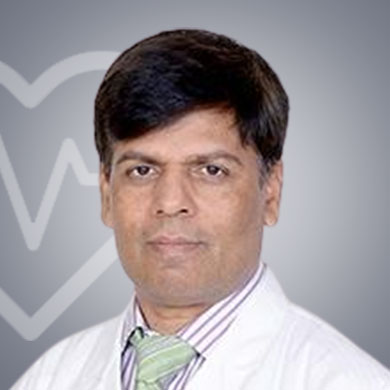
Dr. Nityanand Tripathi
Interventional Cardiologist
29 Years of Experience
With a rich experience of more than 29 years, Dr. Nityanand has gained a vast spectrum of skills and expertise in performing all types of complex cardiac procedures. He is an expert in clinical & interventional cardiology and electrophysiology. He studied his medicine (MBBS) and MD from the Institute of Medical Sciences of Banaras Hindu University, Varanasi, and later completed his DM in Cardiology from the prestigious King George Medical University, Lucknow. View More
Last Reviewed - January 2026