Atrial Fibrillation Treatment in Thailand
- Top Accredited Hospitals
- Global Medical Standards
- Cutting-Edge Technology
- Proven Treatment Options
- High Success Rate
- Trusted by Millions

What is Atrial Fibrillation?
An irregular and frequently speedy heartbeat is known as atrial fibrillation (AFib). The heart's top chambers, known as the atria, beat erratically and chaotically when atrial fibrillation occurs. They don't beat in time with the ventricles, which are the lower heart chambers, leading to an increased risk of stroke, heart failure and other heart-related complications.
What is the Importance of Timely Treatment?
To control symptoms like palpitations and exhaustion, lower the risk of heart failure, and avoid consequences like strokes, atrial fibrillation (AF) must be treated quickly.
Early intervention improves overall quality of life, restores normal heart rhythm, and controls the formation of blood clots.
What are the Common Symptoms of Atrial Fibrillation?
AFib symptoms might include:
- Palpitations (rapid, fluttering, or hammering heartbeat).
- Chest discomfort.
- Lightheadedness.
- Exhaustion.
- Dizziness.
- Diminished exercise capacity.
- Breathlessness.
- Weakness.
Types of Atrial Fibrillation (Afib)
The duration of Afib episodes determines the classification of atrial fibrillation:
- Paroxysmal Afib: Episodes of paroxysmal afib typically end on their own without medical intervention and last less than a week.
- Persistent Afib: Episodes of persistent Afib, which continue more than a week, usually require specialised care to either lower heart rate or restore sinus rhythm.
- Long-term persistent Afib: Treatment for long-term persistent Afib can be challenging and lasts more than a year.
- Permanent Afib: Long-term Afib that hasn't responded to efforts to break and remain out of Afib is referred to as permanent Afib.
Causes, Risk Factors and Complications of Atrial Fibrillation
Causes
AFib can result from the following heart conditions and health issues:
- A congenital heart defect
- Sick sinus syndrome (an issue with the heart's natural pacemaker)
- Obstructive sleep apnea (sleep disorder).
- Heart attack.
- Heart valve disorders.
- Elevated blood pressure.
- Lung conditions, such as pneumonia.
- Coronary artery disease is characterised by narrowed or blocked arteries.
- Thyroid conditions like hyperactivity.
- Viral infections.
Risk Factors
- Age: As you age, you are more likely to develop AFib.
- Using illegal medications, caffeine, or nicotine: These substances can make your heart beat more quickly.
- Excessive alcohol consumption: Excessive alcohol consumption can alter the heart's electrical signals.
- Variations in the body's mineral levels: The heartbeat is aided by minerals in the blood known as electrolytes.
- Cardiac issues or heart surgery: The risk of AFib is increased by cardiac valve dysfunction, coronary artery disease, and birth defects.
- Elevated blood pressure: The risk of coronary artery disease is increased by high blood pressure.
- Being overweight: Obese people are more likely to experience atrial fibrillation.
- Other chronic medical issues: Diabetes, chronic kidney illness, lung disease, or sleep apnea may increase your risk of developing AFib.
- A few medications: Unusual heartbeats can result from prescription medications and over-the-counter cough and cold remedies.
- Thyroid disease: An overactive thyroid gland might increase the risk of irregular heartbeats.
Complications
Serious health issues can arise from atrial fibrillation. Therefore, it is essential to recognise the warning signals, communicate them to your loved ones, and seek treatment as soon as possible. Some of the complications of atrial fibrillations include the following:
- Heart attack
- Stroke
- Bleeding in your brain, digestive system or urinary tract
- Heart failure
- Cardiac arrest/fainting
Connect with our advisor for a PRIORITY response
Latest Research and Technologies in the Treatment of Atrial Fibrillation
- In Thailand, atrial fibrillation (AFib) therapy has evolved with cutting-edge technologies such as 3D mapping systems for precision catheter ablation, implanted cardioverter-defibrillators (ICDs), and robotic-assisted surgery.
- The latest study focuses on genetic medicines, non-invasive treatments, and remote monitoring technology to improve management and early detection.
- These innovations enable more effective, customised therapy for AFib patients, resulting in better long-term outcomes.
Atrial Fibrillation Prevention Tips
Adopting a healthy lifestyle may help prevent atrial fibrillation (AFib) and lower the risk of heart disease. Here are some fundamental heart-healthy guidelines:
- Manage high cholesterol, high blood pressure, and diabetes
- Avoid tobacco use and smoking
- Saturated fat and sodium through diet should be low
- Unless your medical team advises otherwise, try to get in at least 30 minutes of exercise most days of the week
- Get enough rest. Seven to nine hours a day is what adults should strive for
- Keep your weight in check
- Manage and lessen stress
Treatment options for Atrial Fibrillation
Catheter ablation: A tiny, flexible tube called a catheter is inserted by a physician into a blood vessel in the heart during a technique known as catheter ablation. The catheter restores a regular heartbeat by blocking abnormal electrical signals and making tiny scars in the heart tissue using sensors and radiofrequency energy.
Pacemaker implantations: A little gadget called a pacemaker is inserted into the chest to help regulate the heartbeat. It helps adjust the heart's rhythm by sending an electrical signal when it detects an irregular heartbeat. If atrial tachycardia cannot be treated with existing methods, a pacemaker may be required.
Cost Start From USD 8000 - USD 12000Explore Options
- Clinical Assessment
- Physical Exam: During a physical examination, a medical professional might listen to your heart and take your pulse to detect an irregular beating.
- Electrocardiogram (ECG or EKG): An EKG test is a quick and straightforward method to determine whether you have a cardiac condition.
- Blood tests to check your electrolyte levels.
- Stress test: An exercise stress test can help you determine how well your heart works when exerting itself.
- Electrophysiology study (EPS): An electrophysiology investigation, often known as an EP study, examines the electrical activity of your heart.
- Imaging Tests
- Echocardiogram: An ultrasound examination called an echocardiography examines the anatomy and physiology of your heart.
- Holter monitor: This portable ECG gadget can be worn for a day or longer to record the heart's activity while performing daily tasks.
- Computed tomography (CT): An imaging test called a CT (computed tomography) scan aids medical professionals in identifying illnesses and wounds.
- Chest X-ray: An X-ray of the chest reveals the state of the heart and lungs.
- Other Diagnostic:
- Ambulatory monitors: Devices that can capture your heart's electrical activity over extended periods are called ambulatory electrical monitors.
- Tilt table test: Your body's reaction to standing up after lying down is demonstrated by a tilt table test. It accomplishes it safely with fabric straps that prevent you from falling if your blood pressure drops.
- Cardiac catheterisation: Your doctor inserts a long, thin tube, called a catheter, into a blood vessel in your arm or leg and guides it to your coronary arteries during a cardiac catheterisation.
Atrial fibrillation (AFib) rehabilitation options include:
- Programs for Cardiac Rehabilitation: Personalized plans include counselling, education, and exercise to help control AFib and enhance heart health.
- Lifestyle Changes: To reduce AFib triggers, promote weight control, quit smoking, and consume less alcohol.
Medications that may be used for atrial fibrillations include:
- Beta-blockers
- Calcium channel blockers
- Medicines to control the heart rate and rhythm
- Blood thinners, also called anticoagulants
Instantly Connect with our Specialists


Hospitals for Atrial Fibrillation in Thailand

Phyathai 2 International Hospital
Bangkok, Thailand
Phyathai 2 International Hospital located in Bangkok, Thailand is accredited by JCI. Also listed below are some of the most prominent infrastructural details:
- Fully equipped rooms are available for convenience of the patients- Gold B Room, Gold A Room, Pediatric Gold A, Platinum room, and Prestige ward
- Nearby accommodations are also available- Abloom Service Apartments, Bangkok Patio, VIB Best Western Sanam Pao, VIC3 Hotel
- Operating room
- International Patient Medical Center to assist overseas patients
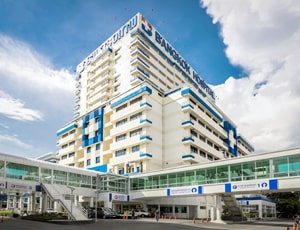
Bangkok Hospital
Bangkok, Thailand
Bangkok Hospital located in Bangkok, Thailand is accredited by JCI. Also listed below are some of the most prominent infrastructural details:
- It is recognised for the application of the newest healthcare technology.
- Blood analysis center that is not just the best in Thailand but in Asia Pacific as well.
- Biomolecule center that is the seed of healthcare equipment for Thailand and overseas.
- International affiliations and collaborations with universities and hospitals in Japan and the United States of America.
- 11 hospitals are recognised as Centers of Excellence.
- Known excellence in Trauma, Orthopedics, Cardiovascular, Neurology as well as Cancer Care.
- There is a proper streamlined patient services process followed in Bangkok Dusit Medical Services, Bangkok, Thailand.
- A well developed research center showcases the intent of the organisation to provide research based treatment opportunities to the patients.
- The group has several Medical industry partnerships as well to ensure healthcare solutions.

Vejthani Hospital
Bangkok, Thailand
Vejthani Hospital located in Bangkok, Thailand is accredited by NABH, NABL. Also listed below are some of the most prominent infrastructural details:
- It is among the topmost private hospitals functioning in Thailand.
- The bed capacity of the hospital is 263.
- There are more than three hundred thousand patients visiting the hospital every year.
- Vejthani hospital has more than 40 outpatient clinics and centers.
- International patient care center with all kinds of services: air ambulance, transfers, travel, stay, embassy liaison, patient coordinators, prayer rooms, visa coordination and translators for 20 languages.
- The special facilities are:
- International Certified Laboratory
- 10 Operating Rooms
- Radiology Section: Portable X-ray, CT-scan and C-ARM and MRI
- Neonatal Critical Care Unit
- Water-jet technique applied for liposuction
- Computer navigation and mini-invasive technique for Joint Replacement surgery
Our Services to better your experience
Opinion & Option
We submit the most accurate opinion and options from one or more countries for your review
Consult Privately
Consult with a certified specialist privately on our telemedicine platform even before you decide to travel
Logistics
We handle flights, visas, transfers, and accommodation—so you can focus on your health.
Recovery
Our In-house rehabilitation service packages to better your recovery and treatment outcome
Why Choose Thailand for Atrial Fibrillation Treatment?
Here are some of the reasons for choosing Thailand:
- Advanced Technologies: Thailand provides 3D mapping and robotic-assisted catheter ablation for precise and successful atrial fibrillation therapy.
- Experienced Specialists: Highly skilled cardiologists specialising in AFib care use cutting-edge procedures to achieve the best possible results.
- Minimally Invasive Procedures: Treatment alternatives like catheter-based ablation and implanted devices offer efficient solutions with a shorter recovery period.
- Affordable Care: Compared to many Western countries, treatment in Thailand is less expensive while keeping high medical care standards.
Frequently Asked Questions
The main goals of Afib treatment include:
- Controlling your heart rate
- Getting the heart rhythm back to normal.
- Lowering your chance of suffering a stroke.
Initially, your doctor will probably prescribe medicine to test if it helps with your symptoms.
Treatment may not stop Afib from returning. Atrial fibrillation gets worse and is more difficult to cure as it advances. Medications that have been effective for you in the past might not be so in the future. Although they cannot treat Afib, medical professionals can control its symptoms. Discuss the best action for your management and treatment with your healthcare practitioner.
In Thailand, atrial fibrillation (AFib) treatments have a high success rate, with catheter ablation procedures restoring normal cardiac rhythm by 70-80%.
Implantable devices such as pacemakers and ICDs help to enhance management and outcomes.
Thailand's modern technologies, skilled cardiologists, and minimally invasive treatment choices assure excellent outcomes for most patients with AFib.
Yes, AFib therapies in Thailand are significantly less expensive than in Western countries while retaining high medical care and technology levels.
The recovery duration varies depending on the therapy, but catheter ablation typically permits patients to resume regular activities in 1-2 weeks with good postoperative care.
Yes, you can consult with a specialist doctor and get a second opinion for AFib in Thailand through the MediGence platform.
With MediGence, you can connect with highly experienced professionals from top Thai hospitals who can provide additional information regarding your diagnosis and treatment options.
The platform facilitates easy access to professional help so you can make informed healthcare choices and receive the best care possible.
If you have Afib symptoms, call your doctor right away. If your pulse is weak or irregular, it may indicate Afib. If your Afib isn't advanced, you can feel breathless or weary.
Reducing your risk for Afib involves cutting back on four main risk factors: tobacco use, excessive alcohol use, obesity, and physical inactivity.
Eat heart-healthy meals, get cardiovascular activity, drink less alcohol, and give up tobacco products and smoking to achieve this.
These lifestyle modifications can result in weight loss, decreased blood pressure, and reduced cholesterol, with each beneficial change having a cumulative impact.
The frequency of screening for heart disease or AFib consequences is as follows:
- Patients with a diagnosis of AFib should have follow-ups every three to six months to check their heart rhythm, symptoms, and therapy.
- People at high risk (such as those with diabetes, high blood pressure, or a family history): examinations for more thorough monitoring every three months.
- Low-risk or asymptomatic individuals: yearly screenings or as advised by your physician.
- As your physician advises, follow-ups are usually every six to twelve months following surgery or ablation.
Always follow your doctor's specific instructions on the frequency of screenings.
Author

Dr. Shagufta Parveen
Dr. Shagufta Parveen is a Clinical researcher and medical writer with expertise in clinical pharmacology and pharmacotherapeutics. She holds a B.Pharm and Doctor of Pharmacy (Post-Baccalaureate) degree from Teerthanker Mahaveer University, Moradabad.
During her clinical stint at BLK-Max Super Speciality Hospital and Indraprastha Apollo Hospital, she gained hands-on experience in the Clinical Pharmacology Department. Combining scientific knowledge with strong medical writing skills, Dr. Shagufta develops evidence-based healthcare content, treatment guides, and patient education resources.
Her work focuses on simplifying complex medical concepts while maintaining scientific accuracy, helping readers better understand healthcare advancements and treatment options.
In addition to her writing expertise, she is actively involved in scientific research and has contributed to peer-reviewed publications.
Her research work is accessible through the following links:
https://scholar.google.com/citations?user=lMVK1eIAAAAJ&hl=en
https://carcinogenesis.com/index.php/JOC/article/view/870
https://carcinogenesis.com/index.php/JOC/article/view/868
https://wjpsronline.com/abstract/0000000760
View MoreReviewer

Dr. Nityanand Tripathi
Interventional Cardiologist
29 Years of Experience
With a rich experience of more than 29 years, Dr. Nityanand has gained a vast spectrum of skills and expertise in performing all types of complex cardiac procedures. He is an expert in clinical & interventional cardiology and electrophysiology. He studied his medicine (MBBS) and MD from the Institute of Medical Sciences of Banaras Hindu University, Varanasi, and later completed his DM in Cardiology from the prestigious King George Medical University, Lucknow. View More
Last Reviewed - January 2026