Arthritis Treatment in United Arab Emirates
- Top Accredited Hospitals
- Global Medical Standards
- Cutting-Edge Technology
- Proven Treatment Options
- High Success Rate
- Trusted by Millions

What is arthritis?
Arthritis is generally a condition that causes joint inflammation, pain, swelling, and stiffness. It typically affects any joint in the body, but the hands, knees, hips, ankles, feet, shoulders, and lower back are the most affected. It can affect any joint in the body but is most common in the hands, knees, hips, feet, ankles, shoulders, and lower back.
There are different types of arthritis:
- Osteoarthritis
- Rheumatoid arthritis
- Infectious
What is the Importance of Timely Treatment?
The importance of timely treatment can be beneficial in the following ways:
- Prevents Joint Damage: Timely therapy can reduce long-term damage by slowing the degeneration of bone and cartilage.
- Reduced Pain and Inflammation: Drugs and treatments can control symptoms, making life more comfortable.
- Preserve Mobility and Function: Appropriate physical therapy intervention combined with lifestyle modifications helps maintain joint flexibility.
- Prevents Severe Complications: If left untreated, arthritis can result in joint abnormalities, incapacity, and surgery.
- Improves Quality of Life: People who undergo proper management are more active and independent.
What are the Common Symptoms of Arthritis?
- Joint pain and tenderness.
- Stiffness, especially in the morning or after inactivity.
- Swelling and redness around affected joints.
- Limited range of motion or difficulty moving joints.
- Clicking or grinding sensation in joints.
- Fatigue, fever, or weight loss (in inflammatory types like rheumatoid arthritis)
Causes and Risk Factors of Arthritis
Causes
- Genetics and family history.
- Autoimmune disorders.
- Repetitive injuries or joint overuse.
Risk Factors
- Age: There is a Higher risk in older adults.
- Gender: Women are more prone to developing certain types (e.g., RA).
- Obesity: Extra weight puts stress on joints.
- Lifestyle: Sedentary behaviour or poor diet.
Connect with our advisor for a PRIORITY response
Latest Research and Technologies in the Treatment of Arthritis in the United Arab Emirates
New developments in the United Arab Emirates (UAE) have introduced new ways of managing arthritis that enhance patient care and outcomes. Stem cell therapy has proven to be a practical option, using mesenchymal stem cells to repair damaged tissues and reduce inflammation, potentially offering long-term relief. There are increasingly fewer invasive procedures for patients to select from than traditional surgeries, such as joint injections and arthroscopy.
Arthritis Prevention Tips
Here are a few steps to help prevent arthritis or slow its progression.
- Maintain a healthy weight to reduce joint stress.
- Regular exercise strengthens muscles and improves joint flexibility.
- Follow an anti-inflammatory diet rich in omega-3 fatty acids, fruits, and vegetables.
- Avoid repetitive joint movements that increase wear and tear.
- Manage chronic conditions like diabetes or hypertension.
Treatment options for Arthritis
The medical treatment for arthritis requires evaluating joint pain, improving joint function, and slowing the disease. The treatment approaches consist of the following elements:
Arthroscopy: Arthroscopy is a minimally invasive technique that reduces the surfaces of joints and removes bone spurs and damaged cartilage to cure arthritis. It improves movement by lowering stiffness, discomfort, and oedema. The process is more successful for mild to moderate arthritis than severe cases requiring joint replacement, although it offers quicker healing, less scarring, and shorter hospital stays.
Osteotomy: To redistribute weight and lessen joint stress, osteotomy is performed for arthritis, which entails cutting and reshaping bones. It is mainly used to help younger patients with hip and knee arthritis and delayed joint replacement surgery. Although this technique maintains the native joint, increases mobility, and lessens pain, recovery with physiotherapy may take many months.
Cost Start From USD 9000 - USD 18000Explore Options
Knee Replacement: It is performed when arthritis significantly impairs the knee joint, causes restricted movement and limits mobility. This involves replacing the damaged joint surfaces with artificial implants to restore the function. It effectively reduces pain and improves movement, especially in osteoarthritis patients.
Cost Start From USD 8000 - USD 20000Explore Options
Shoulder Replacement: This is performed when there is severe arthritis in the shoulder joint, where cartilage loss causes pain and stiffness. A prosthetic implant replaces the injured joint to improve mobility and lessen pain. It benefits people with osteoarthritis or rheumatoid arthritis in their shoulders.
Cost Start From USD 8200 - USD 16500Explore Options
Hip Replacement is a standard procedure for advanced arthritis when pain and joint damage substantially impact day-to-day activities. An artificial implant replaces the injured hip joint, enhancing mobility and minimising discomfort. For patients with rheumatoid arthritis or hip osteoarthritis, this procedure effectively improves their quality of life and mobility.
Cost Start From USD 9000 - USD 21000Explore Options
Diagnosis of arthritis involves a combination of clinical evaluation, imaging tests, and laboratory tests to analyse joint health and identify the type of arthritis. The key diagnostic methods include:
- Physical Examination: Physicians examine a range of motion, stiffness, warmth, redness, and oedema in the joints.
- Imaging Tests:
- X-rays:These detect joint damage, bone spurs, and cartilage loss.
- MRI & CT Scan: give an exact image of cartilage, soft tissues, and early-stage arthritis.
- Ultrasound: Helps assess inflammation in soft tissues, fluid buildup, and joint abnormalities.
- Laboratory Tests:
- Blood Tests: These can detect markers like uric acid for gout, C-reactive protein (CRP) for inflammation, and rheumatoid factor (RF) for rheumatoid arthritis.
- Joint Fluid Analysis (Arthrocentesis): involves testing a sample fluid for infection, crystals (gout), or inflammation.
MediRehab (chain of Rehab centres - Part of MediGence) provides comprehensive rehabilitation services to support patients through Teleconsultations and online therapy sessions.
- Customised Therapy Plans: Tailored programs for pain relief and improved mobility.
- Post-Surgical Recovery: Physiotherapy sessions to restore joint function.
- Nutritional Counselling: Diet plans to reduce inflammation and maintain a healthy weight.
- Lifestyle Management: Guidance on exercise, stress management, and joint care.
- Treatment of Arthritis includes NSAIDS for pain and inflammation. DMARDs for autoimmune conditions like rheumatoid arthritis, corticosteroids for severe cases, and hyaluronic acid injections enhance joint lubrication.
Instantly Connect with our Specialists


Hospitals for Arthritis in United Arab Emirates

Zulekha Hospital Dubai
Dubai, United Arab Emirates
- A highly skilled multidisciplinary medical staff supports patients through the hospital's advanced diagnostic capabilities, joint replacement surgeries, cardiac catheterisation, neonatal intensive care, and specialised cancer care and rehabilitation services. The hospital uses the latest technology and is internationally accredited for providing quality healthcare based on scientific evidence, providing safe, high-quality care to patients, providing individualised treatment plans, and providing services to international patients.

Zulekha Hospital Sharjah
Sharjah, United Arab Emirates
- A highly skilled multidisciplinary medical staff supports patients through the hospital's advanced diagnostic capabilities, joint replacement surgeries, cardiac catheterisation, neonatal intensive care, and specialised cancer care and rehabilitation services. The hospital uses the latest technology and is internationally accredited for providing quality healthcare based on scientific evidence, delivering safe, high-quality care to patients, offering individualised treatment plans, and serving international patients.

Prime Hospital
Dubai, United Arab Emirates
Prime Hospital located in Dubai, United Arab Emirates is accredited by ISO, JCI. Also listed below are some of the most prominent infrastructural details:
- Capacity for 100 beds
- 24-hour Emergency Service
- Advanced Cardiac Cath Lab
- Adult Intensive Care Unit
- Paediatric Intensive Care Unit
- Coronary Care Unit
- Neonatal Intensive Care Unit
- Maternity & Child floor
- Day Surgery Unit
- Family Clinic
- Deluxe rooms and Spacious Lounge
Our Services to better your experience
Opinion & Option
We submit the most accurate opinion and options from one or more countries for your review
Consult Privately
Consult with a certified specialist privately on our telemedicine platform even before you decide to travel
Logistics
We handle flights, visas, transfers, and accommodation—so you can focus on your health.
Recovery
Our In-house rehabilitation service packages to better your recovery and treatment outcome
Why Choose the United Arab Emirates for Arthritis Treatment?
UAE hospital provides world-class arthritis treatment with highly skilled doctors, modern medical technology, and affordable healthcare costs. Most prominent hospitals offer minimally invasive surgeries, joint replacements, and biologic therapies at a fraction of the cost compared to Western nations. Additionally, the United Arab Emirates has medical tourism services that guarantee treatment for international patients with visas, accommodation, and language support.
Frequently Asked Questions
No, treating arthritis does not necessarily include surgery. Medication, physical therapy, lifestyle modifications, and complementary therapies are frequently effective ways to manage mild to moderate arthritis. When severe pain and joint dysfunction cannot be relieved by conventional treatments, surgery, such as joint replacement, is usually considered.
Recovery time generally varies based on the type of surgery and the patient’s overall health.
In Knee replacement, most patients regain their independence in 6 weeks, and walking with support begins in 24 to 48 hours. A full recovery could take 3 to 6 months.
In the case of Hip Replacement, most patients may walk independently in 6 weeks, and walking with support starts in 24 to 48 hours. It takes roughly three months to recover fully.
There are various Side effects from medications that can cause cardiovascular risks, kidney problems, or gastrointestinal problems. Although there are a few potential risks associated with physical treatment, it might cause short-term pain. Risks related to surgery include blood clots and infections.
In the United Arab Emirates, 15% of the population suffers from arthritis. The three most prevalent categories are gout, rheumatoid arthritis, and osteoarthritis. Rheumatoid arthritis primarily affects people over 50, although it can sometimes strike younger persons, particularly women. Several factors, including sedentary lifestyles, obesity, and age, cause the increase in instances.
Clinical examination, blood tests (such as RA factor and CRP), and imaging methods (such as MRI, ultrasound, and X-rays) can all help diagnose arthritis early in the United Arab Emirates. Particularly in larger cities, many hospitals and diagnostic facilities provide arthritis screening. Early diagnosis improves quality of life, slows the disease course, and facilitates better care.
A large number of UAE institutions offer medical tourism services to foreigners. In addition to providing top-notch medical care at reasonable costs, they also help with visas, housing, language support, and post-treatment care.
Yes, United Arab Emirates hospitals are equipped with modern technology for treating arthritis. Most leading hospitals in the United Arab Emirates have modern diagnostic tools, such as MRI, X-rays, and ultrasound, for precise joint evaluation.
Treatment includes modern therapies such as stem cell treatment, PRP injections, and minimally invasive surgeries such as knee and hip replacement.
Before selecting hospitals in the United Arab Emirates, always look for the following:
- Search for experienced orthopaedic specialists or rheumatologists with the necessary certifications and expertise in Osteoarthritis.
- Check accredited hospitals (JCI) with specialised orthopaedic or rheumatology departments.
- Ensure the hospital offers modern treatments for Osteoarthritis, like joint replacement, stem cell therapy, and physiotherapy.
- Choose the hospitals which provide excellent care, individualised plans, and supportive recovery processes.
Losing weight can help with arthritis symptoms, especially in weight-bearing joints like the knees and hips. It reduces the stress on those joints, removes pain or discomfort, improves mobility, and slows the disease's progression.
Yes, arthritis can severely affect the quality of life due to chronic pain, loss of mobility, and the inability to perform everyday activities. It may decrease physical activity, affecting independence and mental well-being. Proper therapy and management can improve function while minimising the impact on daily life.
Yes, severe long-term problems can result from untreated arthritis. Some examples are joint abnormalities, persistent pain, and decreased mobility due to gradual joint deterioration. Furthermore, osteoporosis, heart disease, lung problems, and even mental health conditions like anxiety and depression can all be made more likely by arthritis.

Reviewer
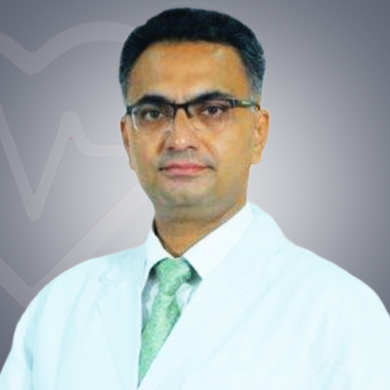
Dr. Puneet Mishra
Orthopaedic Surgeon
25 Years of Experience
Known among his patients for treating with compassion and personal care, Dr. Puneet Mishra is one of the best orthopedic surgeons in New Delhi. Dr. Puneet completed his MBBS from Maulana Azad Medical College in 1996 and from the same college he completed his MS (orthopedics) in 2000. With almost 25+ years of surgical experience under him, Dr. Pankaj takes pride in working with some of the finest medical institutions of the world such as University Hospital, Bern, Maulana Azad Medical College, New Delhi, Endoklinik, Germany, and Professor and Consultant orthopedician at Guru Teg Bahadur Hospital, New Delhi. View More
Last Reviewed - January 2026