Aortic Valve Disease Treatment in India
- Top Accredited Hospitals
- Global Medical Standards
- Cutting-Edge Technology
- Proven Treatment Options
- High Success Rate
- Trusted by Millions

What is Aortic Valve Disease?
Aortic Valve Disease occurs when the aortic valve does not open or close normally. In aortic stenosis, the valve becomes narrowed and restricts blood flow from the left ventricle to the aorta. In aortic regurgitation, the valve does not close completely, allowing blood to flow backwards into the left ventricle. The condition may develop because of age-related calcification, a bicuspid aortic valve, rheumatic heart disease, infection, or other structural abnormalities.
What is the Importance of Timely Treatment?
Timely evaluation helps determine the type and severity of aortic valve disease, assess heart function, control symptoms, and identify when monitoring, medicines, valve repair, or valve replacement may be appropriate. Treating significant disease can help reduce the risk of complications such as heart failure, abnormal heart rhythms, fainting, and other cardiovascular problems.
What are the Common Symptoms of Aortic Valve Disease?
- Shortness of Breath: Breathlessness may develop during physical activity and can become more noticeable as valve disease progresses.
- Chest Discomfort: Aortic stenosis may cause chest pressure, tightness, or discomfort, particularly during exertion.
- Fatigue: Reduced forward blood flow or increased cardiac workload may cause tiredness and reduced stamina.
- Dizziness or Fainting: Reduced blood flow during activity can cause lightheadedness or fainting, particularly in significant aortic stenosis.
- Reduced Exercise Tolerance: Routine physical activities may become increasingly difficult because of breathlessness or fatigue.
- Palpitations: Some people may experience a fast, pounding, or irregular heartbeat, particularly when associated rhythm abnormalities develop.
Causes and Risk Factors of Aortic Valve Disease
Causes
- Age-Related Calcification: Calcium deposits and progressive thickening can stiffen and narrow the aortic valve.
- Bicuspid Aortic Valve: A congenital valve abnormality in which the aortic valve has two leaflets instead of the usual three can lead to stenosis or regurgitation.
- Rheumatic Heart Disease: Rheumatic fever can cause long-term damage and thickening of the aortic valve.
- Infective Endocarditis: Infection of the valve can damage its leaflets and cause regurgitation.
- Congenital Abnormalities: Structural abnormalities present from birth can affect aortic valve function.
- Aortic Root Disease: Enlargement or structural abnormalities of the aorta can prevent the valve from closing properly and cause regurgitation.
- Connective Tissue Disorders: Certain inherited connective tissue conditions can affect the aortic valve or aortic root.
- Previous Cardiac Procedures or Radiation: Some treatments can contribute to later structural valve changes.
Risk Factors
- Older age
- Bicuspid aortic valve
- Previous rheumatic fever or rheumatic heart disease
- High blood pressure
- High cholesterol
- Smoking
- Diabetes
- Chronic kidney disease
- Previous infective endocarditis
- Family history of certain valve or aortic conditions
- Certain congenital or connective tissue disorders
Latest Research and Technologies in the Treatment of Aortic Valve Disease in India
- Modern aortic valve care increasingly uses advanced echocardiography, 3D imaging, cardiac CT, cardiac MRI, minimally invasive surgery, and transcatheter valve procedures to assess valve anatomy and guide treatment. Multidisciplinary Heart Teams use clinical assessment, imaging findings, symptoms, age, surgical risk, anatomy, and associated conditions to determine the most appropriate treatment approach. For selected patients with severe aortic stenosis, transcatheter aortic valve implantation/replacement (TAVI/TAVR) provides a less invasive alternative to open surgical valve replacement.
Treatment options for Aortic Valve Disease
Surgical Aortic Valve Replacement (SAVR): The traditional open-heart standard using either a mechanical or bioprosthetic valve, preferred for younger patients, those with low surgical risk, or those requiring multi-valve surgery.
Transcatheter Aortic Valve Replacement (TAVR/TAVI) : A brilliant, minimally invasive option delivered via a catheter (usually transfemoral). It is now a first-line or highly utilised recommendation across all surgical risk tiers for patients with severe aortic stenosis, depending on age and vascular anatomy.
Cost Start From 13000Explore Options
Balloon Aortic Valvuloplasty (BAV): This is properly designated as a temporary, non-definitive bridge therapy. It temporarily widens the valve in hemodynamically unstable adults or as a bridge to definitive SAVR/TAVR.
Bentall procedure : A highly specific, complex cardiac surgery that treats a distinct subset of patients with Aortic Valve Disease. In clinical database structures or decision support tools, it should not be listed as a general synonym or standard treatment option for isolated valve disease.
Cost Start From 10000Explore Options
- Clinical assessment:
- Medical History: Assessment includes symptoms, previous rheumatic fever, congenital valve abnormalities, heart disease, infections, previous procedures, and relevant family history.
- Physical Examination: A doctor may listen for an abnormal heart murmur and assess blood pressure, heart rhythm, breathing, and signs of fluid retention.
- Electrocardiogram (ECG): Evaluates heart rhythm and electrical activity and may show changes associated with cardiac strain.
- Exercise or Stress Testing: May help assess functional capacity and symptoms in selected patients who can safely exercise.
- Blood Tests: Selected tests may assess associated conditions, kidney function, blood counts, or other factors relevant to treatment.
- Imaging Tests:
- Transthoracic Echocardiography (TTE): The primary imaging test used to assess aortic valve structure, blood flow, valve narrowing or leakage, and heart function.
- Transesophageal Echocardiography (TEE): Provides detailed images of the valve and surrounding structures and may assist treatment planning.
- 3D Echocardiography: Provides detailed three-dimensional assessment of valve anatomy in selected patients.
- Cardiac CT: Can provide detailed information about valve calcification, aortic anatomy, and suitability for transcatheter valve procedures.
- Cardiac MRI: May assess ventricular function, aortic anatomy, and the effects of significant aortic regurgitation in selected patients.
- Chest X-ray: May show heart enlargement or changes associated with advanced cardiovascular disease.
- Cardiac Catheterisation: May be performed in selected patients for pressure measurements, coronary assessment, or catheter-based treatment.
MediRehab (a chain of Rehab centres, part of MediGence) provides comprehensive rehabilitation services designed to support Aortic Valve Disease patients in India. These services include:
- Cardiac Rehabilitation: Selected patients may benefit from structured rehabilitation after valve surgery or transcatheter treatment.
- Gradual Physical Activity: Increase activity according to symptoms, heart function, treatment history, and guidance from the cardiac team.
- Exercise Conditioning: Individualised exercise can help improve strength, endurance, and functional capacity when medically appropriate.
- Long-Term Follow-Up: Regular cardiology reviews and echocardiography help monitor prosthetic valve function, heart rhythm, ventricular function, and the aorta when relevant.
- Medicines are selected according to the type and severity of aortic valve disease and associated conditions. Diuretics may help manage fluid retention in patients with heart failure, while blood-pressure medicines may be used when appropriate, particularly in aortic regurgitation. Medicines may also be prescribed to manage abnormal heart rhythms, coronary artery disease, or other cardiovascular risk factors.
Instantly Connect with our Specialists


Hospitals for Aortic Valve Disease in India

Manipal Hospital, Yeshwantpur
Bangalore, India
Manipal Hospital, Yeshwantpur located in Bengaluru, India is accredited by NABH. Also listed below are some of the most prominent infrastructural details:
- Super-specialty healthcare facility
- Started operations in July 2008
- Video consultations with specialists
- Various health checkup packages available
- Technological applications in healthcare and healthcare delivery
- Many ancillar services available like
- ICU, NICU
- Physiotherapy
- Referral lab
- Teleradiology / telemedicine
- Pharmacy
- Imaging facilities
- Rehabilitation services, 24 hour emergency services, operating theatre, ambulatory and daycare, cafeteria, and many kinds of patient accomodation.
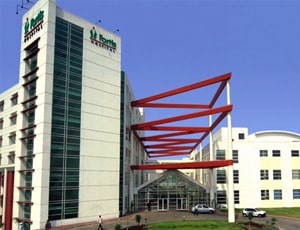
Fortis Hospital
Noida, India
Fortis Healthcare Limited is one of India’s prominent providers of integrated healthcare services, offering comprehensive medical care across multiple specialities. The company’s operations span hospitals, diagnostic centres, and day-care speciality facilities, ensuring a wide range of healthcare solutions under one umbrella. Fortis has established a strong presence across the country, managing 33 healthcare facilities, which include joint ventures and operational & management (O&M) setups, across 11 states.
The company’s hospital network comprises more than 5,700 operational beds, including O&M beds, catering to patients with varied healthcare needs. In addition to inpatient services, Fortis operates around 400 diagnostic laboratories, providing reliable and timely diagnostic support for accurate medical care. This extensive network enables Fortis to deliver high-quality healthcare services consistently and efficiently, from routine diagnostics to specialised treatments and complex procedures.

Shanti Mukand Hospital
Delhi, India
Shanti Mukand Hospital located in New Delhi, India is accredited by ISO, NABH. Also listed below are some of the most prominent infrastructural details:
- Most medical and surgical disciplines are covered in the hospital in terms of treatment.
- The diagnostics of the hospital are up to date with the latest technologies in a specialised dedicated wing called as SMH Imaging Center.
- Some important specialties available in the hospital are Orthopedics, Oncology (SMH Cancer Center), Neurology, Cardiac Care, Pediatrics etc.
- Physiotherapy services are available for patients.
- There is a specific Dialysis unit known as SMH Dialysis Center.
- There is a bed capacity of 200.
- Modular Operation theatres as well as provisions for minimally invasive procedures.
- Critical care and emergency care departments are also present.
Our Services to better your experience
Opinion & Option
We submit the most accurate opinion and options from one or more countries for your review
Consult Privately
Consult with a certified specialist privately on our telemedicine platform even before you decide to travel
Logistics
We handle flights, visas, transfers, and accommodation—so you can focus on your health.
Recovery
Our In-house rehabilitation service packages to better your recovery and treatment outcome
Why Choose India for Aortic Valve Disease Treatment?
- Experienced Cardiac Specialists: Access to cardiologists, interventional cardiologists, cardiac surgeons, and other cardiovascular specialists.
- Advanced Cardiac Imaging: Major centres may provide TTE, TEE, 3D echocardiography, cardiac CT, and cardiac MRI.
- Aortic Valve Surgery: Specialised cardiac centres can perform surgical aortic valve repair and replacement. Eligible patients may have access to procedures such as TAVI/TAVR and other catheter-based interventions.
- Advanced Cardiac Care: Hospitals may provide specialised cardiac intensive care and postoperative monitoring.
- Multidisciplinary Heart Teams: Cardiologists, cardiac surgeons, imaging specialists, anaesthesiologists, intensivists, and rehabilitation professionals can coordinate complex valve cases.
- Personalised Treatment Planning: Treatment can be selected according to valve anatomy, severity, symptoms, heart function, age, surgical risk, and associated conditions.
- International Patient Support: Many major Indian hospitals provide assistance with medical records, appointments, treatment coordination, accommodation, and follow-up.